How to Identify a Stable Real Estate Market Before You Buy
Buying a home is one of the most significant financial decisions most people make. While many buyers focus on aesthetics, size, or amenities, the long-term stability of the real estate market in which you’re buying is far more crucial. A stable market not only protects your investment but also ensures that your property retains value over time. But how can you identify a stable real estate market before you commit? Here’s a detailed guide.
1. Understand What “Market Stability” Means
A stable real estate market isn’t just a market where prices are high. It’s a market where property values are resilient and show consistent long-term growth with minimal extreme fluctuations. Stability depends on several factors:
-
Economic health of the region – strong local employment and diversified industries
-
Balanced supply and demand – enough homes to meet demand without oversupply
-
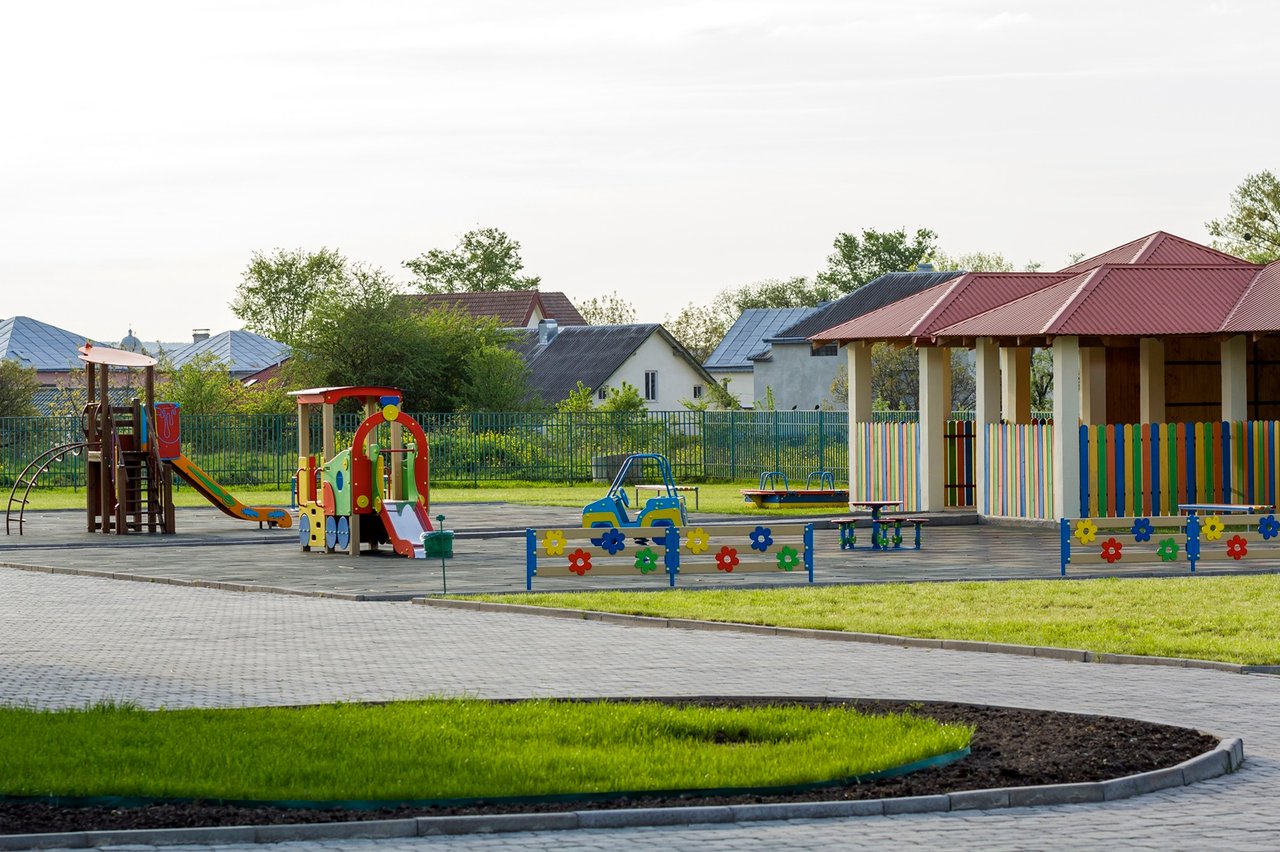
Neighborhood quality – safety, schools, amenities, and infrastructure
2. Examine Historical Price Trends
Past performance isn’t always a perfect predictor, but it offers critical insights. Look for neighborhoods or cities where:
-
Home prices have grown steadily over the past 5–10 years
-
Price dips during economic downturns were modest and temporary
-
Recovery from market slowdowns was relatively quick
Data sources can include zillow.com, local property records, and real estate market reports.
3. Evaluate Employment and Economic Growth
A city or neighborhood with a growing job market is generally more resilient. Key indicators include:
-
Low unemployment rates
-
Presence of major employers or diversified industries
-
Ongoing infrastructure projects attracting investment
Communities anchored by a single employer or industry may be more vulnerable to sudden downturns.
4. Look at Demographics and Population Trends
Stable markets often correlate with steady population growth or retention. Consider:
-
Population trends over the last decade
-
Migration patterns (are people moving in or leaving?)
-
Age demographics and household formation rates
A neighborhood attracting young professionals and families tends to support sustained demand for housing.
5. Analyze Supply vs. Demand
Too many new homes can lead to oversupply, while too few can create rapid price spikes. A stable market typically has:
-
Moderate new construction aligned with demand
-
Limited speculative development
-
Consistent occupancy rates
Pay attention to the local zoning policies and upcoming developments, which can affect future stability.
6. Assess Neighborhood Quality
Even in a strong city market, individual neighborhoods vary in stability. Key factors:
-
Schools – High-quality schools often boost long-term property values
-
Safety – Low crime rates attract long-term residents
-
Amenities – Parks, shopping, transit access, and entertainment options
-
Community cohesion – Stable communities tend to have lower turnover
7. Watch for Market Red Flags
Certain signs suggest volatility rather than stability:
-
Extremely rapid price appreciation over a short period
-
High foreclosure rates or distressed properties
-
Speculative buying activity driving prices up artificially
8. Work With Local Experts
Real estate agents, appraisers, and mortgage professionals familiar with the area can provide insights that raw data might miss. They can:
-
Explain subtle neighborhood trends
-
Warn of upcoming developments that could affect stability
-
Help you compare similar neighborhoods
Conclusion
Identifying a stable real estate market before buying requires a combination of data analysis, local insight, and forward-looking thinking. By focusing on economic health, supply-demand balance, demographic trends, and neighborhood quality, buyers can make informed decisions that protect their investment and ensure long-term satisfaction.
Remember, a beautiful house in the wrong market can become a financial burden, but a strategically chosen property in a stable market can grow in value while providing a secure, comfortable home.
--
Tina Jingru Sui 隋静儒
Associate Broker | Team Leader of TJS Team, Keller Williams
 Serving Metro Atlanta — Johns Creek, Alpharetta, Duluth, Suwanee, Buford, and beyond
 404-375-2120


 WeChat: tinasuirealty
 Follow me on Instagram / 小红书 / WeChat / Facebook