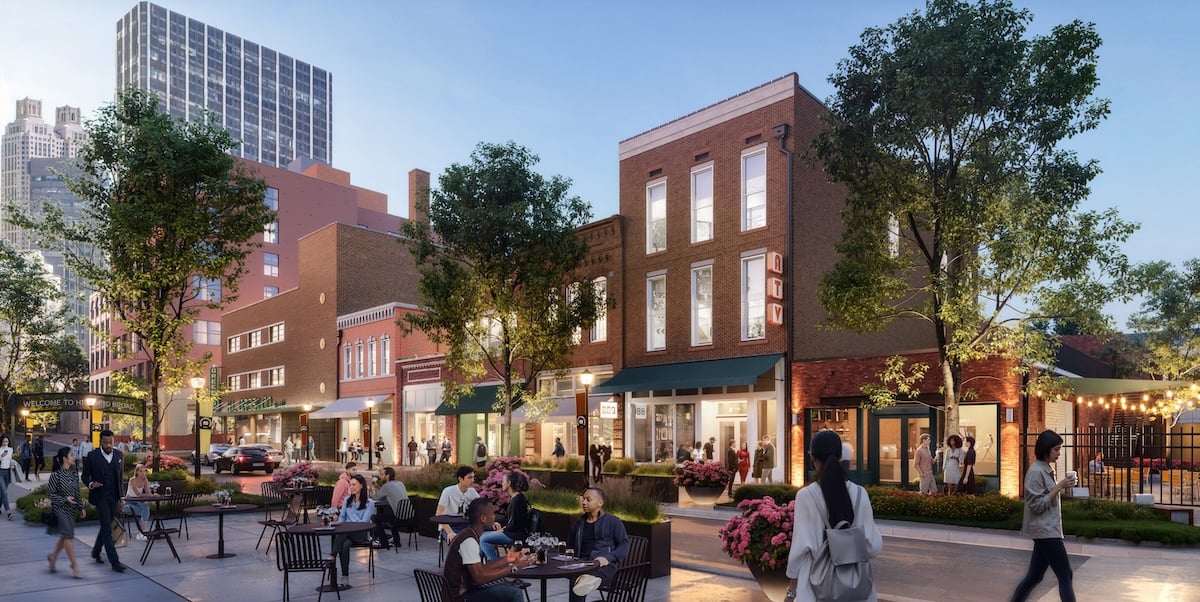
To price your Atlanta home effectively in 2026, leverage market data, consult local real estate experts, and consider your home’s unique features to find a competitive yet attractive listing price.
Navigating the Atlanta Real Estate Market in 2026
Pricing your home right is crucial in Atlanta’s dynamic real estate market, especially as we look towards 2026. Whether you’re in bustling Fulton County or the serene neighborhoods of Forsyth, understanding how to price your home can mean the difference between a quick sale and a stagnant listing. This guide will help you navigate this complex process with confidence and clarity.
Understand the Atlanta Market Trends
Analyze Recent Sales Data
To start, you need a solid grasp of recent sales trends in your area. Look at comparable homes (often called "comps") that have sold in the last six months. Focus on properties similar in size, age, and location. This provides a baseline for what buyers are willing to pay.
- Use Online Tools: Websites like Zillow and Realtor.com offer insights into recent sales.
- Local Expertise: Consult a real estate agent familiar with your neighborhood for nuanced advice.
Consider Market Conditions
The Atlanta housing market in 2026 will be shaped by various factors, including economic conditions, interest rates, and local developments. Here’s how you can stay informed:
- Economic Indicators: Watch for changes in employment rates and consumer confidence.
- Interest Rates: Keep an eye on mortgage rates, as they directly affect buyer affordability.
- Local Developments: Infrastructure projects or new amenities can enhance your area’s appeal.
Leverage Professional Expertise
Consult with a Real Estate Agent
A seasoned real estate agent offers invaluable insights and strategic advice. Here’s what to expect:
- Market Analysis: Agents provide a comprehensive comparative market analysis (CMA), helping you understand your home’s value.
-Pricing Strategy: They can suggest a pricing strategy that attracts buyers while maximizing your return.
- Negotiation Support: Skilled agents assist in negotiating offers to ensure you get the best deal.
Consider an Appraisal
An appraisal gives a professional assessment of your home’s value. Although it’s an added expense, it can prevent pricing errors:
- Objective Evaluation: An appraiser provides an unbiased estimate of your home’s worth.
- Buyer Assurance: A recent appraisal can reassure potential buyers of the home’s value.
Highlight Your Home’s Unique Features
Emphasize Upgrades and Renovations
If your home boasts recent upgrades or renovations, make these features prominent in your listing. Here’s how:
- Energy Efficiency: Highlight energy-saving upgrades, such as new windows or solar panels.
- Modern Amenities: Showcase updated kitchens or bathrooms, as they appeal to many buyers.
- Curb Appeal: Ensure your home’s exterior is inviting, which can increase perceived value.
Understand Buyer Preferences
Stay informed about what local buyers prioritize. In 2026, trends might include:
- Remote Work Spaces: As remote work persists, dedicated office spaces are appealing.
- Outdoor Living: Patios and gardens are increasingly desirable for leisure and entertaining.
Avoid Common Pricing Pitfalls
Don’t Rely Solely on Online Estimates
While online valuation tools provide a quick estimate, they lack the nuance of a professional analysis. They often miss:
- Local Market Trends: These tools can’t account for hyper-local market conditions.
- Home Condition: They don’t evaluate the specific condition or upgrades of your property.
Avoid Emotional Pricing
It’s easy to let emotions cloud your judgment, especially if you’ve lived in your home for years. To avoid this:
- Objective Assessment: Focus on facts and market data rather than personal attachment.
- Professional Guidance: Rely on your agent’s expertise to set a fair, competitive price.
FAQ Section
What if my home doesn’t sell quickly?
If your home isn’t selling, consider adjusting the price or enhancing marketing efforts. Consult your agent for tailored strategies.
How does the season affect home prices?
Seasonality can impact demand. Spring and summer are typically busier, but pricing should still reflect current market conditions.
Is it better to price high and negotiate down?
Overpricing can deter buyers. It’s often better to price competitively to attract more interest and offers.
Conclusion
Successfully pricing your Atlanta home in 2026 requires a strategic blend of market analysis, professional guidance, and an understanding of buyer preferences. By leveraging these insights, you can set a price that attracts buyers without sacrificing your home’s value. As you embark on this journey, remember that a well-researched, data-driven approach will help you navigate the complexities of the Atlanta real estate market with confidence.
--
Tina Jingru Sui 隋静儒
Associate Broker | Team Leader of TJS Team, Keller Williams
 Serving Metro Atlanta — Johns Creek, Alpharetta, Duluth, Suwanee, Buford, and beyond
 404-375-2120


 WeChat: tinasuirealty
 Follow me on Instagram / 小红书 / WeChat / Facebook