Move-In-Ready Homes vs. Fixer-Uppers in Metro Atlanta: Which Is the Better Buy in 2026?
SEO Title: Move-In-Ready Homes vs. Fixer-Uppers in Metro Atlanta: Which Is Better in 2026?
SEO Subtitle: Compare the costs, risks, renovation potential, resale value, financing, and lifestyle benefits of move-in-ready homes and fixer-uppers in Metro Atlanta.
Which Is the Better Buy in Metro Atlanta for 2026: Move-In-Ready Homes or Fixer-Uppers?
Buying a home in Metro Atlanta in 2026 involves more than choosing the right neighborhood and price range. Buyers also need to decide how much work they are willing to take on after closing.
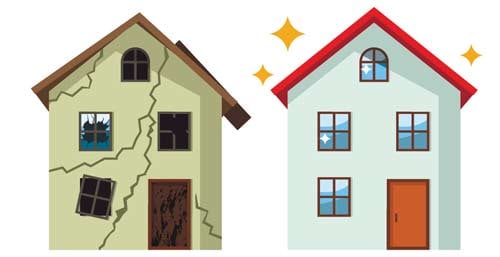
A move-in-ready home can offer convenience, modern finishes, and greater predictability. A fixer-upper may provide a lower purchase price, customization opportunities, and the potential to create additional value through renovations.
Neither option is automatically better.
The right choice depends on your budget, financing, timeline, renovation experience, risk tolerance, lifestyle, and long-term plans.
Whether you're searching in Fulton, Gwinnett, Cobb, Forsyth, or DeKalb County, understanding the differences can help you make a more informed decision.
What Is a Move-In-Ready Home?
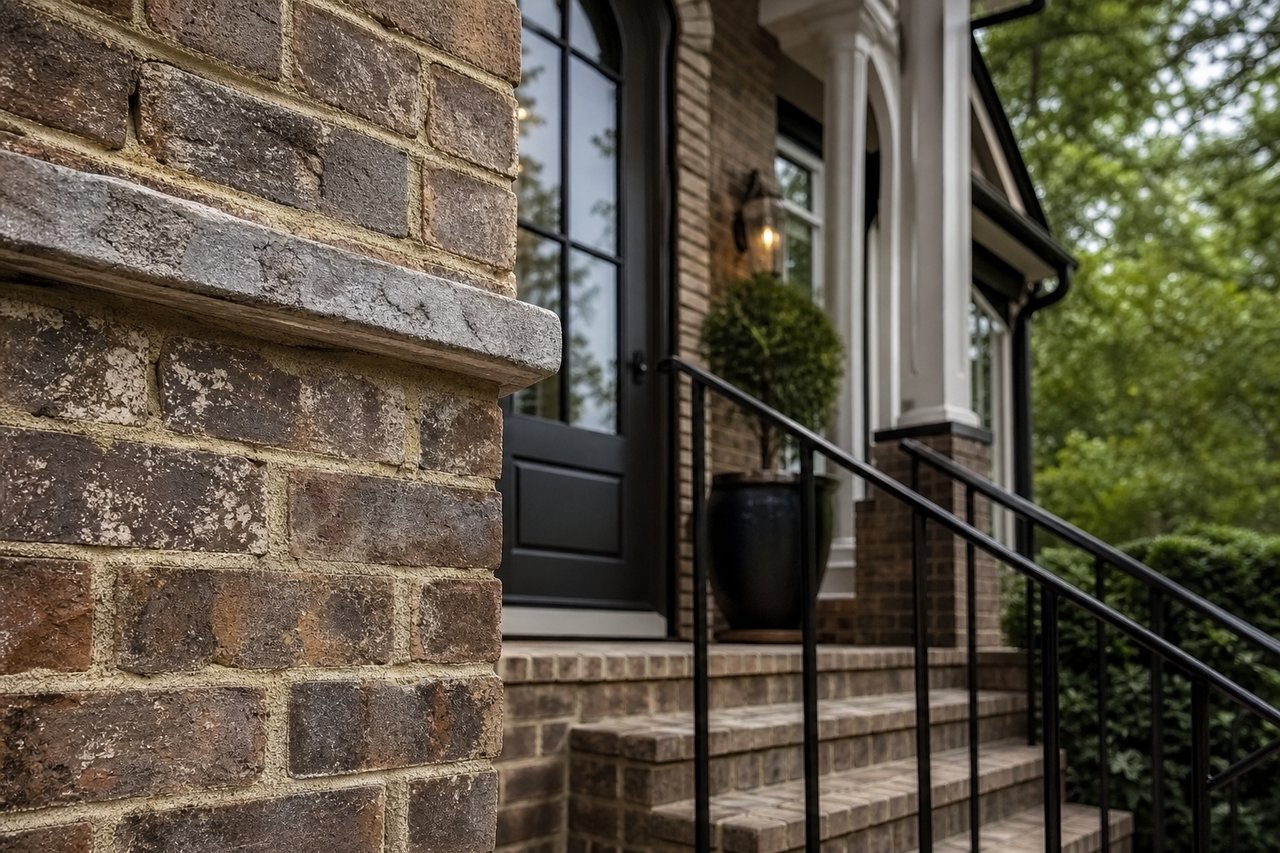
A move-in-ready home generally requires little or no major work before you can comfortably live in it.
It may feature:
- Updated kitchen
- Renovated bathrooms
- Modern flooring
- Fresh interior paint
- Updated lighting
- Functional appliances
- Recently maintained major systems
- Finished outdoor areas
- Minimal immediate repairs
However, "move-in ready" doesn't mean the home is maintenance-free.
Even a recently renovated home should receive a professional inspection so buyers can understand the condition of the roof, HVAC, plumbing, electrical systems, foundation, and other major components.
What Is a Fixer-Upper?
A fixer-upper is a property that requires repairs, updates, or renovations.
The amount of work can vary considerably.
One fixer-upper may simply need cosmetic improvements such as paint and flooring. Another may require major work involving the kitchen, bathrooms, roof, HVAC, plumbing, electrical systems, or structural components.
This distinction is important.
A property that needs $20,000 of cosmetic improvements is very different from one requiring $100,000 or more in major renovations.
Advantages of Buying a Move-In-Ready Home
1. Immediate Convenience
One of the biggest advantages is that you can move in without completing major renovations.
This can be particularly attractive to:
- First-time buyers
- Busy professionals
- Families
- Buyers relocating to Metro Atlanta
- Buyers with limited renovation experience
Instead of spending weekends managing contractors, you can focus on settling into your new home.
2. Greater Budget Predictability
Move-in-ready homes can make it easier to estimate your immediate housing expenses.
You may still encounter repairs and maintenance, but you're less likely to face a large renovation bill immediately after closing.
This can be especially important for buyers who are already stretching their budget to purchase a home.
Remember that the purchase price isn't your only expense.
You'll also need to consider:
- Mortgage
- Property taxes
- Homeowners insurance
- HOA fees
- Utilities
- Maintenance
- Closing costs
- Moving expenses
A home that costs slightly more but requires little immediate work could potentially be easier to manage financially than a cheaper home requiring substantial renovations.
3. Easier Financing
Traditional mortgage financing can be simpler when purchasing a home that is already in good condition.
Some fixer-uppers may require specialized renovation financing depending on the property's condition and the scope of the work.
Buyers considering significant renovations should speak with their lender early to understand their available financing options.
4. Potentially Stronger Resale Appeal
Move-in-ready homes can appeal to buyers who prioritize convenience.
When you eventually sell, your property may attract buyers who don't want to take on major renovation projects.
However, resale value isn't guaranteed simply because a home is updated.
The neighborhood, purchase price, market conditions, quality of renovations, and buyer demand all matter.
Advantages of Buying a Fixer-Upper
1. Potentially Lower Purchase Price
Fixer-uppers can sometimes be priced below comparable renovated properties because buyers are taking on additional work.
The important question is whether the discount is large enough to justify the renovation costs and risks.
A $50,000 discount isn't necessarily attractive if the property requires $100,000 in repairs.
2. Customization
A fixer-upper can give you greater control over the final result.
You may be able to choose:
- Kitchen cabinets
- Countertops
- Flooring
- Paint colors
- Lighting
- Bathroom finishes
- Landscaping
- Outdoor living features
Instead of paying for renovations selected by a previous owner, you can invest in the features that matter most to you.
3. Potential to Build Equity
Renovations can potentially increase a home's value.
For example, purchasing a property below the value of comparable renovated homes and completing improvements may create additional equity.
However, renovation does not automatically create profit.
The potential return depends on:
Purchase Price + Renovation Costs + Carrying Costs
compared with:
Future Market Value
This is why investors and buyers should analyze the numbers before beginning a major project.
The Biggest Risk With Fixer-Uppers: Unexpected Costs
Renovation budgets frequently change once work begins.
A contractor may discover:
- Water damage
- Outdated electrical wiring
- Plumbing problems
- Structural issues
- Foundation concerns
- Mold
- Roof problems
- Hidden termite damage
- Code-related issues
A project originally estimated at $40,000 could become significantly more expensive.
For this reason, buyers should consider maintaining a renovation contingency reserve rather than budgeting every available dollar for planned improvements.
Don't Confuse Cosmetic Updates With Major Repairs
This is one of the most important distinctions when evaluating a fixer-upper.
Cosmetic Fixer-Upper
Potential projects may include:
- Paint
- Flooring
- Light fixtures
- Cabinet refinishing
- Landscaping
- Hardware
- Minor bathroom updates
These projects may be easier to budget and complete.
Major Renovation
Potential projects may include:
- Roof replacement
- Foundation work
- Electrical replacement
- Plumbing replacement
- HVAC replacement
- Structural repairs
- Major additions
- Significant kitchen or bathroom reconstruction
Major renovations require considerably more planning, financing, time, and professional oversight.
Consider the Neighborhood Before Buying a Fixer-Upper
A renovation only makes sense if the finished property will be competitive within its market.
Before purchasing, research:
- Recent renovated home sales
- Current comparable listings
- Neighborhood price ceilings
- Buyer demand
- Rental demand if applicable
- Future development
- School assignments
- Amenities
- Property taxes
- HOA restrictions
For example, spending $100,000 renovating a property doesn't necessarily make sense if comparable homes in the neighborhood consistently sell for only slightly more than your total investment.
The after-renovation value matters just as much as the renovation itself.
How the Choice Can Differ Across Metro Atlanta
Metro Atlanta is not a single housing market.
The decision between a move-in-ready property and a fixer-upper can vary depending on the neighborhood.
Fulton County
In established intown neighborhoods, older homes can offer renovation opportunities, but buyers should pay close attention to age, property condition, lot characteristics, and renovation costs.
Gwinnett County
Buyers may find both established homes requiring updates and newer properties with modern features. The decision can depend heavily on neighborhood, school assignment, age, and price.
Cobb County
Cobb offers a broad range of housing, from established neighborhoods to newer developments. Buyers should compare the cost of renovating an older home against the price of purchasing a newer property.
Forsyth County
Buyers may encounter newer construction as well as established properties. For families, schools, amenities, and long-term housing needs can be important considerations.
DeKalb County
DeKalb includes a wide variety of neighborhoods and property types. Buyers considering older homes should pay particular attention to renovation scope, property condition, and the relationship between purchase price and potential after-renovation value.
Move-In-Ready vs. Fixer-Upper: Side-by-Side Comparison
Factor | Move-In-Ready | Fixer-Upper |
|---|---|---|
Immediate convenience | High | Lower |
Renovation work | Minimal | Moderate to extensive |
Budget predictability | Generally higher | Generally lower |
Customization | Limited | High |
Potential purchase price | Often higher | Potentially lower |
Renovation risk | Lower | Higher |
Time commitment | Lower | Higher |
Financing complexity | Often simpler | May be more complex |
Potential equity creation | Moderate | Potentially higher |
Resale appeal | Often broad | Depends on quality and market |
Best suited for | Convenience-focused buyers | Buyers comfortable with projects |
Which Option Is Better for First-Time Buyers?
For many first-time buyers, a move-in-ready property can provide a simpler introduction to homeownership.
You can focus on:
- Understanding your mortgage
- Building an emergency fund
- Learning routine maintenance
- Establishing yourself in the neighborhood
However, a cosmetic fixer-upper can also make sense if you have sufficient savings, realistic renovation expectations, and the ability to manage projects.
The key is avoiding a property that stretches your finances beyond what you can comfortably handle.
Which Option Is Better for Investors?
Investors may be more comfortable considering fixer-uppers because renovation can potentially create additional value.
But investors should analyze the entire investment.
Consider:
- Acquisition price
- Renovation costs
- Financing
- Holding costs
- Property taxes
- Insurance
- Contractor expenses
- Expected resale value
- Expected rental income
- Selling costs
A property isn't a good investment simply because it needs work.
The numbers need to support the strategy.
What About Families?
Families may place a higher value on predictability and minimizing disruption.
A move-in-ready property can reduce the stress of living through renovations, particularly for families with children.
However, a fixer-upper could make sense for a family planning to remain in the property for many years and willing to renovate gradually.
The important question is:
Do you want to spend your first years in the home enjoying it—or improving it?
Questions to Ask Before Buying a Fixer-Upper
Before making an offer, ask:
- What repairs does the home need immediately?
- How old are the roof, HVAC, water heater, plumbing, and electrical systems?
- Has the property had previous renovations?
- Were permits obtained for major work?
- What could the renovation realistically cost?
- How long might the renovation take?
- Where will you live during construction?
- Do you have a renovation contingency fund?
- What is the expected value after renovations?
- Are comparable renovated homes selling at prices that support the investment?
A professional inspection and appropriate contractor estimates can be extremely valuable before committing to a major renovation.
Don't Forget Your Time
Money isn't the only cost of a fixer-upper.
Renovations can require:
- Contractor meetings
- Material selections
- Permit coordination
- Inspections
- Scheduling
- Problem-solving
- Cleaning
- Delays
If you work long hours or have significant family responsibilities, the time commitment can be substantial.
A move-in-ready home may cost more upfront but provide considerable value in terms of convenience and time.
Is a Fixer-Upper Always Cheaper?
No.
The purchase price may be lower, but the total cost of ownership after renovation could be higher.
For example:
Fixer-Upper
$400,000 purchase
- $80,000 renovation
- $20,000 unexpected costs
= $500,000 total before other transaction and financing costs
Move-In-Ready
$500,000 purchase
+ $10,000 minor improvements
= $510,000 before other transaction and financing costs
In this simplified example, the fixer-upper may not provide a meaningful financial advantage despite having a lower purchase price.
This is why buyers should compare the total project cost, not just the listing price.
Frequently Asked Questions
Are fixer-uppers cheaper than move-in-ready homes?
They can have lower purchase prices, but the total cost can become much higher after renovations, repairs, financing, and unexpected expenses.
Are move-in-ready homes worth paying more for?
They can be, particularly for buyers who value convenience, predictable expenses, and a shorter path to moving in. The value depends on the property's price relative to comparable homes.
Can a fixer-upper increase in value after renovations?
Potentially. Renovations can improve a property's condition, functionality, and appeal. However, the return depends on renovation costs, neighborhood values, buyer demand, and the quality of the improvements.
Should I buy a fixer-upper as a first-time homeowner?
It depends on your budget, skills, available savings, time, and renovation scope. A property requiring only cosmetic improvements may be very different from one needing major structural or mechanical work.
Do fixer-uppers require special financing?
Not always. Some properties can be purchased using conventional financing, while major renovation projects may require specialized financing depending on the property's condition and the lender's requirements.
Should I renovate everything before moving in?
Not necessarily. Some improvements can be completed gradually. Prioritize safety, structural issues, water intrusion, major systems, and projects that materially affect livability before focusing on cosmetic upgrades.
Conclusion: Which Is the Better Buy in Metro Atlanta in 2026?
There is no universal winner between a move-in-ready home and a fixer-upper.
A move-in-ready home may be the better choice if you value convenience, predictable expenses, and the ability to move in quickly.
A fixer-upper may be the better choice if you have the financial resources, time, patience, and vision to manage renovations and believe the property offers sufficient potential relative to its total cost.
The most important question isn't simply:
"Which home is cheaper?"
Instead, ask:
"Which property provides the better combination of purchase price, renovation costs, location, lifestyle, risk, and long-term value for my situation?"
Before buying, compare the property's total costs with comparable homes in the same market. Get a professional inspection, understand the likely renovation scope, and consult with your lender and real estate professional about financing and market value.
In Metro Atlanta's diverse 2026 housing market, the best purchase is ultimately the one that fits your budget, your timeline, your lifestyle, and your long-term goals.
--
Tina Jingru Sui 隋静儒
Associate Broker | Team Leader of TJS Team, Keller Williams
Serving Metro Atlanta — Johns Creek, Alpharetta, Duluth, Suwanee, Buford, and beyond
404-375-2120
WeChat: tinasuirealty
Follow me on Instagram / 小红书 / WeChat / Facebook