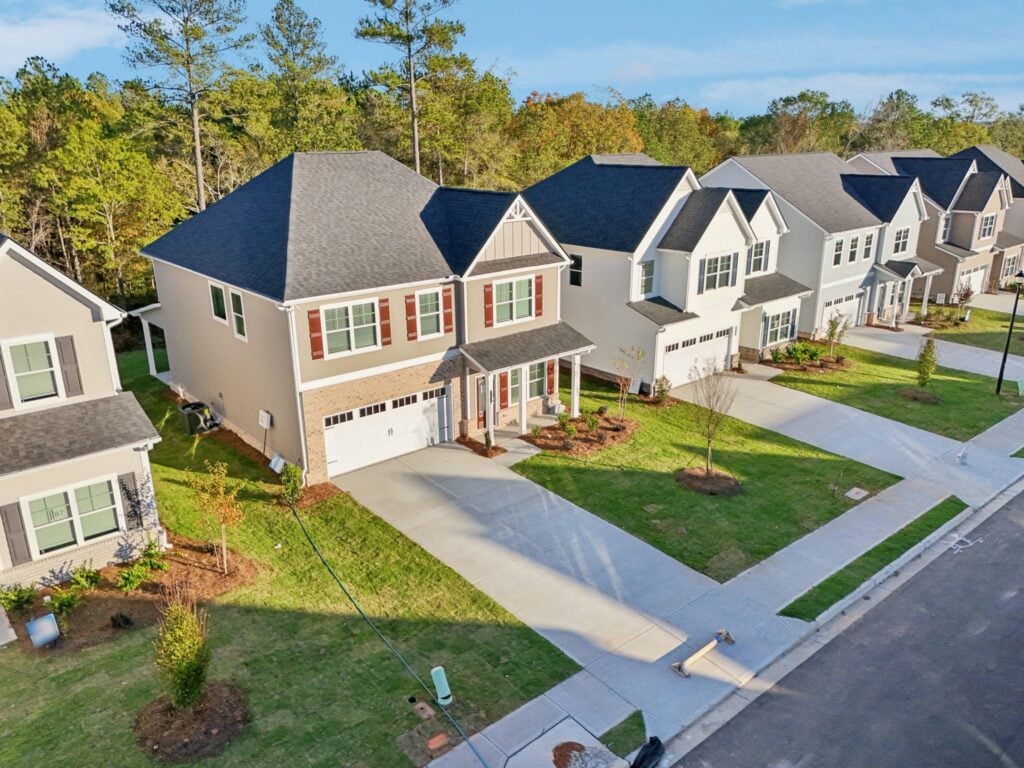
Should you buy new construction or a resale home in Metro Atlanta? New construction may offer modern layouts, newer systems, builder warranties, and possible incentives. Resale homes may offer established neighborhoods, mature landscaping, more location choices, and different negotiating opportunities. The better option depends on the total cost, location, condition, timing, and how you plan to live in the home.
New Construction vs. Resale Homes in Metro Atlanta: Which Is Better in 2026?
A simple guide for first-time and move-up buyers comparing new construction and resale homes in Metro Atlanta.
Buying a home is a big decision—especially when you're choosing between a brand-new home and an existing resale property.
In Metro Atlanta, both options can make sense.
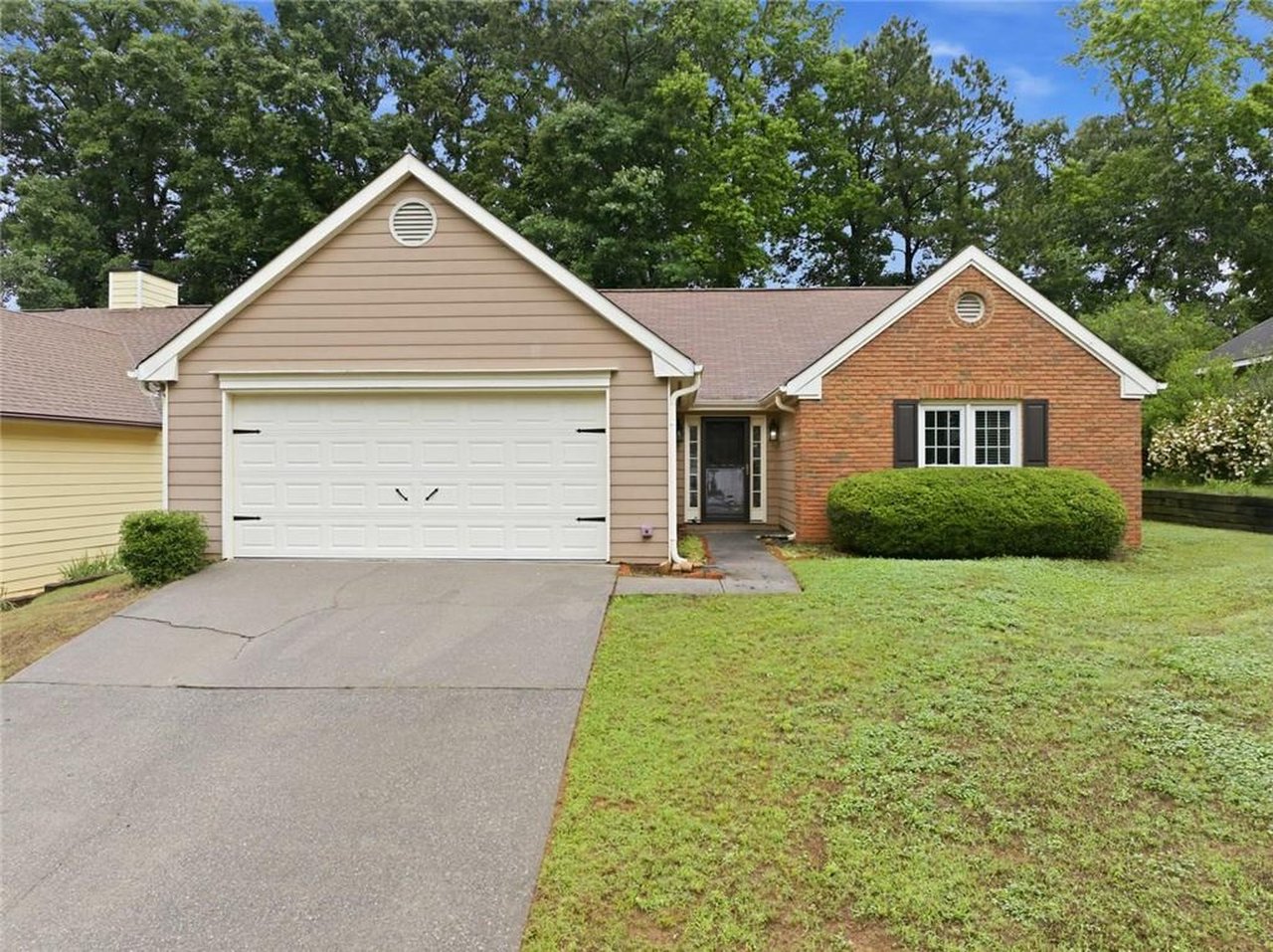
New construction is available throughout many growing suburban markets, while resale homes give buyers access to established neighborhoods across both ITP and OTP communities.
So which one is better?
There isn't one universal winner.
The right choice depends on your budget, preferred location, monthly payment, maintenance tolerance, commute, lifestyle, and long-term plans.
New Construction vs. Resale at a Glance
Factor | New Construction | Resale Home |
|---|---|---|
Maintenance | Usually lower initially | Depends on age and condition |
Features | Modern layouts and finishes | May be updated, original, or somewhere in between |
Location | Often concentrated in growing communities | More choices in established locations |
Customization | May be available depending on construction stage | Usually through renovations after purchase |
Negotiation | Builder incentives may be available | Price, repairs, credits, and terms may be negotiable |
Landscaping | Usually newer and less mature | Often more established |
Warranty | Builder warranty may apply | Existing manufacturer warranties or negotiated home warranty may apply |
These are general comparisons. Builder contracts, warranties, incentives, property condition, HOA requirements, and negotiating opportunities vary significantly by property and transaction.
Why Consider New Construction?
New construction can be attractive to buyers who want modern features, newer systems, and fewer immediate renovation projects.
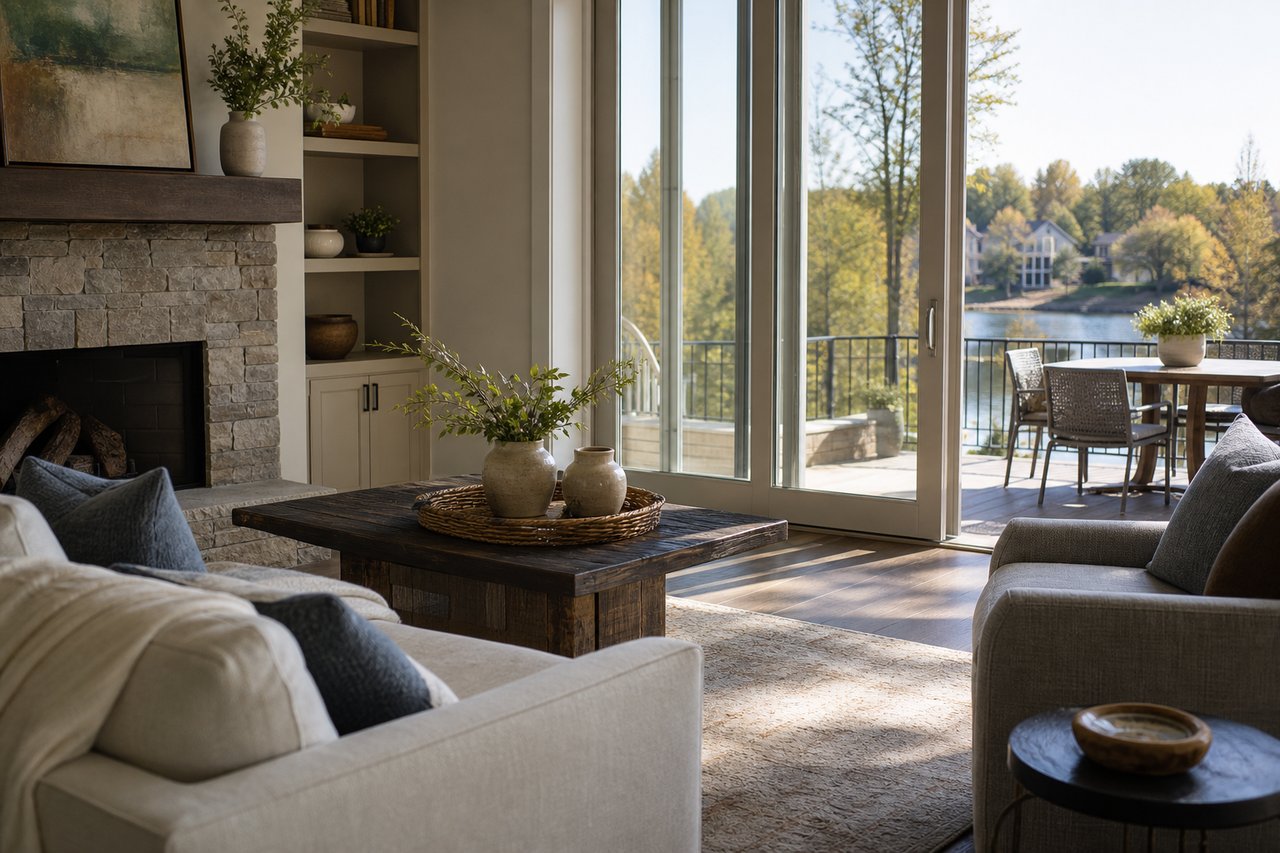
Modern Features and Floor Plans
New homes often include features such as:
- Modern kitchens and bathrooms.
- Open or updated floor plans.
- Energy-efficient appliances and systems.
- Smart-home technology.
- New HVAC equipment.
- New roofing, plumbing, and electrical systems.
If you're purchasing early enough in the construction process, the builder may also allow you to choose certain finishes, upgrades, colors, flooring, cabinets, or fixtures.
Just remember that upgrades can add significantly to the final purchase price.
Lower Immediate Maintenance May Be Appealing
Because the major systems are new, buyers may face fewer age-related replacement expenses during the first few years of ownership.
A new HVAC system, roof, water heater, plumbing system, and appliances may reduce some of the near-term uncertainty that comes with an older home.
Many new homes also include builder warranties.
But “brand new” does not mean “maintenance free” or “defect free.”
Buyers should still understand the warranty and consider independent inspections.
New Communities May Offer Modern Amenities
Depending on the development, amenities may include:
- Swimming pools.
- Walking trails.
- Parks and green space.
- Clubhouses.
- Pickleball or tennis courts.
- Community gathering spaces.
But buyers should evaluate the ongoing cost as well.
HOA dues, initiation fees, future assessments, and community rules all become part of your ownership experience.
Builder Incentives Can Change the Math
Some builders may offer incentives on certain homes, communities, or financing programs.
Incentives could potentially include:
- Closing-cost assistance.
- Mortgage-rate incentives.
- Upgrade allowances.
- Price reductions on selected inventory homes.
Incentives vary and often come with conditions, including use of a preferred lender or closing attorney.
Don't compare new construction only by sticker price.
Compare the price, financing, incentives, HOA costs, lot premium, upgrades, taxes, and total monthly payment.
New Construction Should Still Be Inspected
A common misconception is that a brand-new home does not need an inspection.
Homes are built by many subcontractors, and mistakes can occur even with reputable builders.
Depending on the builder contract and construction schedule, buyers may want to consider:
- A pre-drywall inspection before framing and mechanical components are concealed.
- A final inspection near completion to evaluate the finished home and operating systems.
The builder's representative represents the builder.
Buyers should understand their own contract, inspection rights, deadlines, financing terms, incentives, and warranty provisions.
Why Consider a Resale Home?
Established Neighborhoods
Resale homes often sit in neighborhoods where the surrounding environment is already established.
That can mean:
- Mature trees and landscaping.
- Established roads and traffic patterns.
- Existing shopping and restaurants.
- Existing parks and community amenities.
- A neighborhood where you can see how surrounding homes have been maintained over time.
More Location Choices
If location is your highest priority, resale inventory may provide more options.
New construction can be concentrated in areas where land is still available or where redevelopment is occurring.
Resale homes allow buyers to search across a much broader range of established communities, including closer-in locations where large new subdivisions may be limited.
Seller Negotiations May Be Different
Depending on the property, market conditions, and seller's situation, a resale transaction may offer opportunities to negotiate:
- Purchase price.
- Seller-paid closing costs.
- Repairs.
- Repair credits.
- Closing date.
- Other contractual terms.
Not every resale seller will negotiate, just as not every builder will offer incentives.
The specific property and market situation matter.
Renovation Can Create Opportunity—but Also Cost
A resale home may need cosmetic or functional updates.
That can be a disadvantage if you want a completely move-in-ready property.
But it can also give you the opportunity to improve the home gradually and customize it to your taste.
The important thing is to understand the numbers.
Don't assume that a lower-priced resale home is automatically less expensive.
Roof, HVAC, water heater, windows, plumbing, electrical systems, siding, and other deferred maintenance can materially change the real cost of ownership.
Compare the True Cost—not Just the Purchase Price
This is where many buyers make the wrong comparison.
Imagine:
Home A | Home B |
|---|---|
New construction with a higher purchase price, newer systems, possible builder incentive, and higher HOA dues | Lower-priced resale home that may need HVAC, roofing, flooring, paint, or kitchen updates |
You cannot determine which home is the better value by looking only at the list price.
Compare:
- Purchase price
- Mortgage rate and financing structure
- Closing costs and available credits
- Property taxes
- Insurance
- HOA dues
- Immediate repairs
- Expected near-term replacements
- Commute and location
The better value isn't always the cheaper house.
It's the property that gives you the strongest overall combination of monthly cost, condition, location, and future expenses.
What Should First-Time Buyers Consider?
First-time buyers should be particularly careful about using every dollar of available cash just to complete the purchase.
Your monthly housing cost may include:
- Mortgage principal and interest.
- Property taxes.
- Homeowners insurance.
- Mortgage insurance, if applicable.
- HOA dues.
- Utilities.
- Maintenance.
And you still need reserves after closing.
A resale home with older systems may require more cash reserves for repairs.
A new-construction home may reduce some immediate repair risks but could come with a higher purchase price, lot premium, HOA dues, or upgrade costs.
What About Move-Up Buyers?
Move-up buyers often have a different set of priorities.
You may be looking for:
- More bedrooms.
- A larger kitchen.
- Home office space.
- A finished basement.
- Larger outdoor space.
- Different community amenities.
- A location that better fits work or everyday life.
New construction may provide newer layouts, larger primary suites, modern kitchens, and current features.
A resale home may offer a larger lot, mature landscaping, an established neighborhood, or a location where new construction is limited.
If you already own a home, another major question becomes:
Should you buy first—or sell first?
Your equity, financing, market conditions, available inventory, and comfort with carrying two homes can all affect the answer.
Location May Matter More Than New vs. Resale
Sometimes buyers become so focused on getting a brand-new home that they compromise too much on location.
A new home may be beautiful—but if it creates a difficult commute or places you far from the places you use every week, the novelty of new construction may wear off.
Likewise, a resale home in a highly convenient location may be worth updating if the neighborhood and daily lifestyle fit you much better.
You can renovate a kitchen.
You can't renovate the location.
Think About Future Resale Too
Whether you buy new construction or resale, think about the next buyer.
Factors that may influence future marketability include:
- Location.
- Functional floor plan.
- Lot characteristics.
- Property condition.
- Neighborhood condition.
- Commute access.
- HOA restrictions and costs.
- Nearby amenities.
- Future competing construction.
New does not guarantee appreciation.
Older does not mean poor resale.
The individual property still matters.
So, Which One Is Better?
New construction may be worth considering if you prioritize:
- Modern features.
- Lower initial maintenance.
- Builder warranty coverage.
- New community amenities.
- Possible customization.
- Potential builder incentives.
A resale home may be worth considering if you prioritize:
- Established neighborhoods.
- More location choices.
- Mature landscaping.
- Larger lots in some areas.
- Potential seller negotiation.
- Renovation and customization opportunities.
The New Construction vs. Resale Test
Before making a decision, ask:
☐ What is my total monthly housing cost?
☐ How much cash will I have left after closing?
☐ What repairs or replacements might the resale home need?
☐ What upgrades, lot premiums, or HOA costs come with the new home?
☐ How far is the property from work and the places I use regularly?
☐ What inspections am I permitted to complete?
☐ What incentives, credits, or warranties are actually included?
☐ Does the floor plan work for the way I live?
☐ Could future construction affect this property?
☐ Can I see this home meeting my needs five or ten years from now?
Don't choose based only on whether the home is new or resale.
Choose the property that gives you the best combination of location, monthly cost, condition, lifestyle, and long-term value.
Final Thoughts
Choosing between new construction and a resale home in Metro Atlanta ultimately comes down to your budget, location, lifestyle, timing, and long-term goals.
New construction can provide modern features, newer systems, lower initial maintenance, and potential builder incentives.
Resale homes can offer established neighborhoods, mature landscaping, more location choices, and different opportunities for negotiation or renovation.
Neither option is automatically the better investment.
Take time to compare:
Total cost. Location. Condition. Financing. Future repairs. And resale appeal.
The better home isn't necessarily the newer home—or the cheaper home.
It's the home that makes the most sense for the way you want to live and the financial position you want to maintain after closing.
Comparing New Construction and Resale Homes in Metro Atlanta?
We can compare new communities and resale homes side by side—including purchase price, builder incentives, financing, HOA costs, property condition, inspections, commute, expected repairs, and recent comparable sales—so you can see which option offers the stronger overall value for your situation.
Tina Jingru Sui | TJS Team
About Tina Jingru Sui
Tina Jingru Sui is the founder and leader of the TJS Team, serving first-time buyers, move-up buyers, sellers, investors, relocation clients, and new-construction buyers throughout Metro Atlanta.
Tina and her team serve communities throughout Fulton, Forsyth, Gwinnett, Cobb, and surrounding counties, including Johns Creek, Alpharetta, Suwanee, Duluth, Buford, Marietta, Roswell, Sandy Springs, and beyond.
Keller Williams Atlanta Partners · (404) 375-2120
This article is provided for general informational purposes only and does not constitute legal, construction, inspection, tax, mortgage, investment, or financial advice. Builder contracts, incentives, warranties, inspection rights, upgrade costs, HOA requirements, taxes, financing terms, property condition, and resale-market conditions can vary significantly by builder, property, community, and transaction. New construction does not guarantee freedom from defects, lower ownership costs, or future appreciation. Buyers should independently verify current incentives, warranties, contract terms, school assignments, HOA information, taxes, property condition, and other factors important to their purchase and consult appropriately licensed professionals when needed. Equal Housing Opportunity. Tina Jingru Sui, GA License #392936, REALTOR®, affiliated with Keller Williams Atlanta Partners and regulated by the Georgia Real Estate Commission.