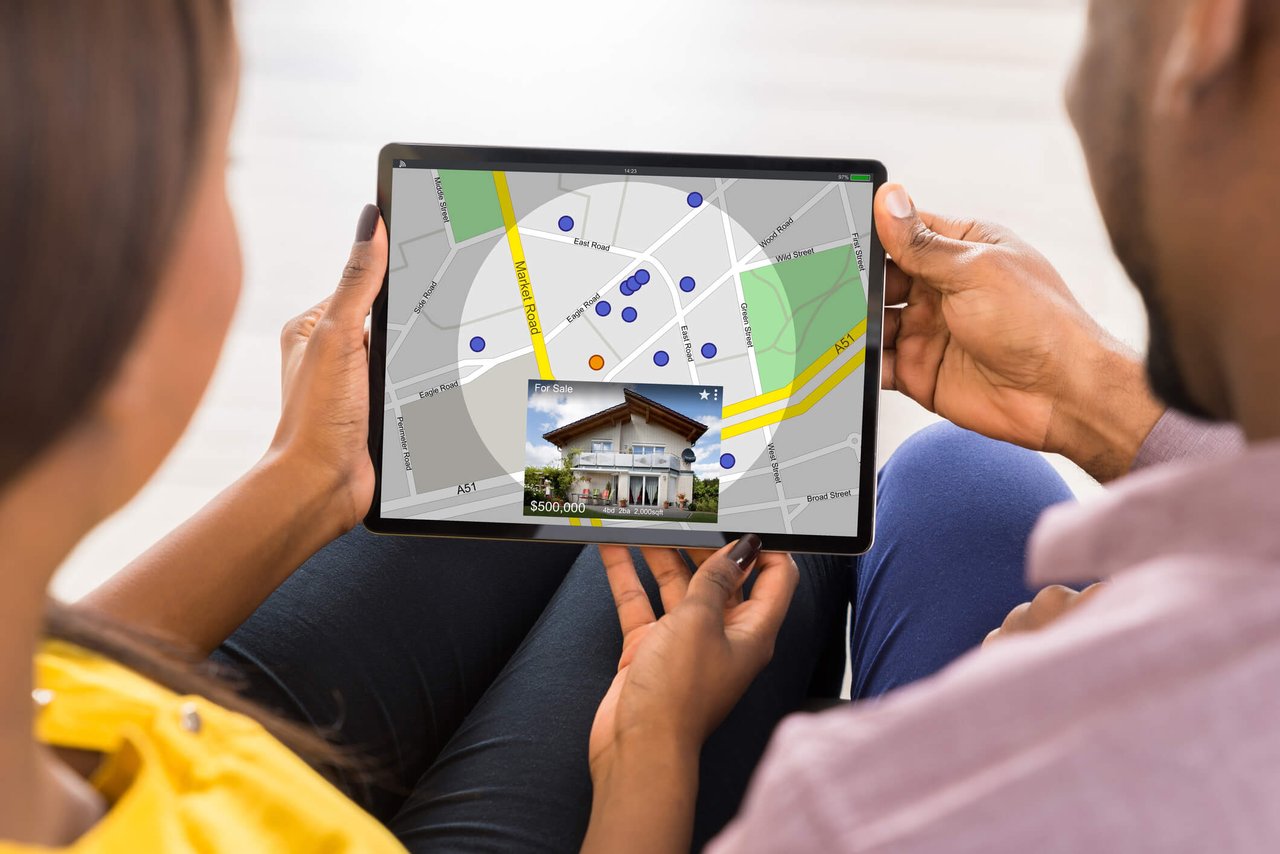
A great location can absolutely be worth paying more for. But convenience is rarely free. Before stretching your budget for the “perfect” address, compare what the location gives you with what you may be trading away in purchase price, space, lot size, parking, privacy, traffic, noise, ownership cost, and future flexibility.
The Hidden Cost of a “Perfect” Location
Being closer to everything can improve your daily life—but make sure you understand exactly what you are paying for.
Buyers often start a home search with a location in mind.
Close to work.
Close to restaurants.
Close to shopping.
Close to parks.
Easy access to major roads.
That convenience can be extremely valuable.
But a location that checks every box may also require compromises that are easy to overlook when you are focused on the address.
Don't ask only:
“Is this the perfect location?”
Ask:
“What am I paying—and giving up—to be here?”
Convenience Premium =
Extra Price + Trade-Offs
in Exchange for
Time + Access + Lifestyle Fit
1. Convenience Can Be Built Into the Purchase Price
Two homes can have similar square footage, age, condition, and finishes while selling at very different prices.
Location can be one reason.
Buyers may be willing to pay more for easier access to the destinations and amenities they personally value.
That does not mean the premium is wrong.
It simply means you should understand it.
Ask:
“How much more am I paying for this location compared with realistic alternatives nearby?”
2. Look at What the Same Budget Buys 15 or 20 Minutes Away
This can be one of the most revealing comparisons in a home search.
Keep your approximate budget the same and compare what happens when you move slightly farther from your preferred location.
You may gain:
- More square footage.
- Larger bedrooms.
- More storage.
- A larger or more usable lot.
- Different housing styles.
- Newer construction.
- Different parking options.
Or you may decide that none of those things is worth adding time to your daily routine.
Either conclusion can be reasonable.
The purpose of the comparison is not to convince yourself to move farther away.
It is to understand what the location premium is buying you.
3. A More Expensive Location May Save You Time
Higher price is only one side of the equation.
A better location for your routine may reduce:
- Commute time.
- Weekly driving.
- Trips to regular destinations.
- Time spent coordinating daily activities.
Suppose one house saves you 20 minutes each way on a commute you make five days per week.
That is more than three hours per week.
Over time, the convenience may be genuinely valuable.
Location Cost Is Not Only What You Pay.
Location Value Can Also Be Time You Get Back.
4. Make Sure the “Convenient” Location Is Actually Convenient
Being geographically close does not always mean the route is easy.
Test:
- Driveway to major road.
- Subdivision exits.
- Left turns at busy intersections.
- Actual commute route.
- Return trip.
- Regular shopping and daily destinations.
A home can be only a few miles away and still require a frustrating route.
Don't pay a convenience premium based only on mileage.
Test the route you would actually repeat.
5. Convenience Can Bring More Traffic
Access to restaurants, retail, employment centers, major roads, and popular destinations can be a significant benefit.
It can also mean more vehicles moving through the area.
During your evaluation, observe:
- Morning traffic.
- Evening traffic.
- Weekend activity.
- Intersection queues.
- Parking spillover.
- Ease of entering and leaving the property.
Traffic is not automatically a reason to reject a location.
It is simply part of the package you are choosing.
6. Being Close to Everything Can Also Mean Hearing More of Everything
Online maps may show nearby roads and commercial areas.
They cannot fully reproduce what the property sounds like.
Listen for:
- Road traffic.
- Aircraft.
- Rail activity where applicable.
- Nearby commercial operations.
- Construction.
- Community amenities.
Step inside.
Close the doors and windows.
Listen.
Then step outside and listen again.
7. The Hidden Cost May Be Space, Not Money
Sometimes the trade-off for a highly convenient location is not simply a higher purchase price.
It may be:
- Smaller home.
- Smaller yard.
- Less storage.
- Fewer bedrooms.
- Older housing stock.
- Different parking configuration.
Sometimes you are not paying more for the same house.
You are paying more while accepting less house in exchange for a location that works better.
8. More Central Can Sometimes Mean Less Separation
Depending on the specific property, a more compact location may include:
- Closer neighboring homes.
- Smaller setbacks.
- More visible surrounding activity.
- Less backyard separation.
If privacy is important to you, do not evaluate it only from listing photos.
Look from the major windows and outdoor spaces.
Ask:
“What can I see—and who can see me?”
9. Parking Can Become Part of the Location Premium
A location can feel extremely convenient until parking becomes part of daily life.
Review:
- Garage capacity.
- Driveway width.
- Guest parking.
- Street parking availability.
- HOA rules.
- Municipal restrictions where applicable.
Parking deserves particular attention if the location attracts significant nearby activity.
10. Compare Total Ownership Cost—not Just Location Premium
A more expensive home in the preferred location may also create a different overall ownership budget.
Compare:
- Mortgage payment.
- Property taxes for the specific property.
- Insurance.
- HOA or condominium dues.
- Parking costs where applicable.
- Maintenance.
- Transportation costs.
Total Location Cost =
Housing Cost + Transportation Cost + Time Cost
11. Don't Assume Property Taxes Are Similar Just Because Home Prices Are Similar
Metro Atlanta properties can fall within different taxing jurisdictions.
Two homes with similar purchase prices may have different property-tax situations depending on their exact location, assessed value, applicable millage, exemptions, and ownership circumstances.
If property taxes materially affect your budget, estimate them for the specific property and your expected ownership situation.
Do not automatically rely on the seller's current bill as your future amount.
12. Convenience May Come With a Different Ownership Structure
In some locations, the most convenient housing options may include townhomes, condominiums, or communities with more extensive association responsibilities.
That can provide benefits.
But evaluate:
- Monthly or annual dues.
- What the dues cover.
- Maintenance responsibilities.
- Parking rules.
- Rental restrictions.
- Exterior modification rules.
- Potential assessment exposure.
Review current documents for the specific property rather than assuming rules are the same from one community to another.
13. Popular Locations May Continue to Change
Convenient areas can also attract redevelopment and new investment.
That may bring additional housing, commercial activity, infrastructure, or other changes.
If nearby development matters to your decision, distinguish between:
Stage | Interpretation |
|---|---|
Proposed | Concept may change or never proceed |
Submitted / Under Review | Plans may be undergoing formal review |
Approved | Certain approvals may exist, but timing and final execution may still change |
Under Construction | Physical development is underway |
Future development can create both benefits and trade-offs.
Avoid assuming it will automatically increase or decrease property value.
14. Ask Whether the Location Still Works if Your Routine Changes
A location may feel perfect because of one major factor today.
Maybe it is a current job.
Maybe it is a favorite destination.
Maybe it is a particular daily routine.
If you expect to own the property for several years, consider whether the location still offers enough flexibility if that one factor changes.
Ask:
- Would I still like this area if my workplace changed?
- Does it provide access to more than one employment corridor?
- Would the available space still work if my routine changed?
- Am I sacrificing something I may want later?
15. Don't Assume a “Great Location” Guarantees Easy Resale
Location can be an important component of buyer demand.
But resale still depends on:
- Future market conditions.
- Property condition.
- Price.
- Competition.
- Floor plan.
- Lot.
- Parking.
- Buyer preferences at that time.
A strong location can be an advantage.
It is not a guarantee of appreciation, multiple offers, sale price, or future marketability.
What Are You Trading for Convenience?
You May Gain | Possible Trade-Off |
|---|---|
Shorter commute | Higher purchase price |
Access to restaurants / shopping | More traffic or activity |
Central location | Less space for the same budget |
More nearby destinations | Potential noise or parking complexity |
More compact neighborhood | Closer neighboring structures |
The “Perfect Location” Test
1. Convenience
What daily trips does this location actually improve?
2. Price Premium
How much more am I paying compared with realistic alternatives?
3. Space Trade-Off
What additional space, lot, condition, or features could the same budget buy elsewhere?
4. Daily Environment
What are traffic, noise, parking, privacy, and access like?
5. Total Cost
What are the property-specific taxes, insurance, HOA, maintenance, and transportation costs?
6. Flexibility
Does the location still work if my routine changes?
15 Questions Before You Pay the Location Premium
☐ 1. What exactly makes this location valuable to me?
☐ 2. How frequently will I use that advantage?
☐ 3. What is the actual commute at the times I will travel?
☐ 4. How much more does this home cost than realistic alternatives?
☐ 5. What could the same budget buy slightly farther away?
☐ 6. Am I giving up space I genuinely need?
☐ 7. How does parking work?
☐ 8. What does traffic look like at different times?
☐ 9. What can I hear from inside and outside the home?
☐ 10. How much privacy does the property have?
☐ 11. What are the property-specific taxes, insurance and HOA costs?
☐ 12. Is nearby development proposed, approved, or underway?
☐ 13. Would I still want this home if my commute changed?
☐ 14. Am I paying for convenience I will genuinely use?
☐ 15. Is the trade-off worth it to me—not just to the market?
Frequently Asked Questions
Is paying more for location a bad financial decision?
Not necessarily. A location that meaningfully reduces commute time or improves access to destinations you use frequently may provide substantial lifestyle value. The important question is whether the premium fits your budget and whether you understand the alternatives.
Should I buy a smaller house in a better location?
That depends on your priorities. Some buyers value location more than square footage, while others need additional space or lot size. Compare actual usable space, total ownership cost, commute, condition, and your likely ownership period rather than assuming one strategy is always better.
Does a great location guarantee appreciation?
No. Location can influence buyer demand, but future appreciation depends on many factors including market conditions, supply, financing, property condition, price, competition, and changes in the surrounding area.
Is being near shopping and restaurants always an advantage?
It can be a major convenience for buyers who use those destinations frequently. The same proximity can also involve traffic, parking, noise, or activity that another buyer may value differently. Evaluate the actual property rather than treating proximity as universally positive or negative.
How should I compare commute against home price?
Compare both money and time. Estimate how often you will make the trip, how long the actual route takes at relevant times, and what additional housing cost is required to reduce that travel. There is no universal dollar value for an hour of commute time because the trade-off is personal.
Should I worry about future development in a convenient area?
Buyers should understand available objective information about nearby land use when it is important to the purchase decision. Distinguish between proposed, submitted, approved, and under-construction projects. Future development can change and does not automatically improve or reduce property value.
Is there one “best” location in Metro Atlanta?
No. Location fit depends on the buyer's own commute, budget, housing needs, desired amenities, maintenance preferences, and regular destinations. Objective comparisons are more useful than broad labels about which community is universally “best.”
The Best Location Is Not
the Most Popular Address.
It Is the Location Where
the Trade-Offs Make Sense for Your Life.
Final Thoughts: Make Sure the Convenience Is Worth the Premium
A great location can improve everyday life.
It can reduce driving.
Put you closer to the places you use.
And make a home feel much better suited to your routine.
But before paying a premium, understand the complete trade.
How much more are you paying?
How much time are you saving?
What space are you giving up?
What are traffic and noise like?
How does parking work?
What is the total ownership cost?
Would the location still work if your routine changed?
The “perfect” location does not need to be cheap.
It just needs to provide enough real value to your life that the price and trade-offs are worth accepting.
Comparing Location vs. More House in Metro Atlanta?
We can compare the actual trade-offs between properties—not simply the address. That can include recent comparable sales, purchase-price differences, commute, lot, usable space, property taxes, HOA, condition, parking, road exposure, nearby development, and resale considerations so you can see what each location is really costing you and what it gives you in return.
Tina Jingru Sui | TJS Team
About Tina Jingru Sui
Tina Jingru Sui is the founder and leader of the TJS Team, serving buyers, sellers, investors, and relocation clients throughout Metro Atlanta.
Tina and her team serve communities including Johns Creek, Alpharetta, Suwanee, Duluth, Buford, Dacula, Marietta, Roswell, Sandy Springs, Smyrna, Lawrenceville, and surrounding Metro Atlanta areas.
Keller Williams Atlanta Partners · (404) 375-2120
This article is provided for general informational and educational purposes only and does not constitute legal, financial, tax, lending, appraisal, investment, zoning, planning, transportation, HOA, insurance, or other professional advice. Location characteristics such as convenience, traffic, noise, parking, privacy, surrounding land uses, commute, access, and lifestyle value are subjective and may change over time. Property taxes, insurance costs, HOA dues, maintenance expenses, transportation costs, and other ownership costs vary by property and owner. A seller's current property-tax bill may not represent a buyer's future tax amount. Proposed, submitted, approved, and under-construction developments are different stages, and future projects may change, be delayed, or not proceed. No location, neighborhood, amenity, development, commute advantage, property type, or purchase-price premium guarantees appreciation, resale demand, multiple offers, sale price, or future marketability. Buyers should independently verify school assignment for the exact property address through the appropriate official district source when relevant, review current HOA documents, investigate public planning and zoning information where material, and consult appropriate legal, tax, lending, insurance, inspection, appraisal, or other professionals as needed. Community comparisons should rely on objective criteria identified by the buyer and not on protected characteristics. Equal Housing Opportunity. Tina Jingru Sui, GA License #392936, REALTOR®, affiliated with Keller Williams Atlanta Partners and regulated by the Georgia Real Estate Commission.