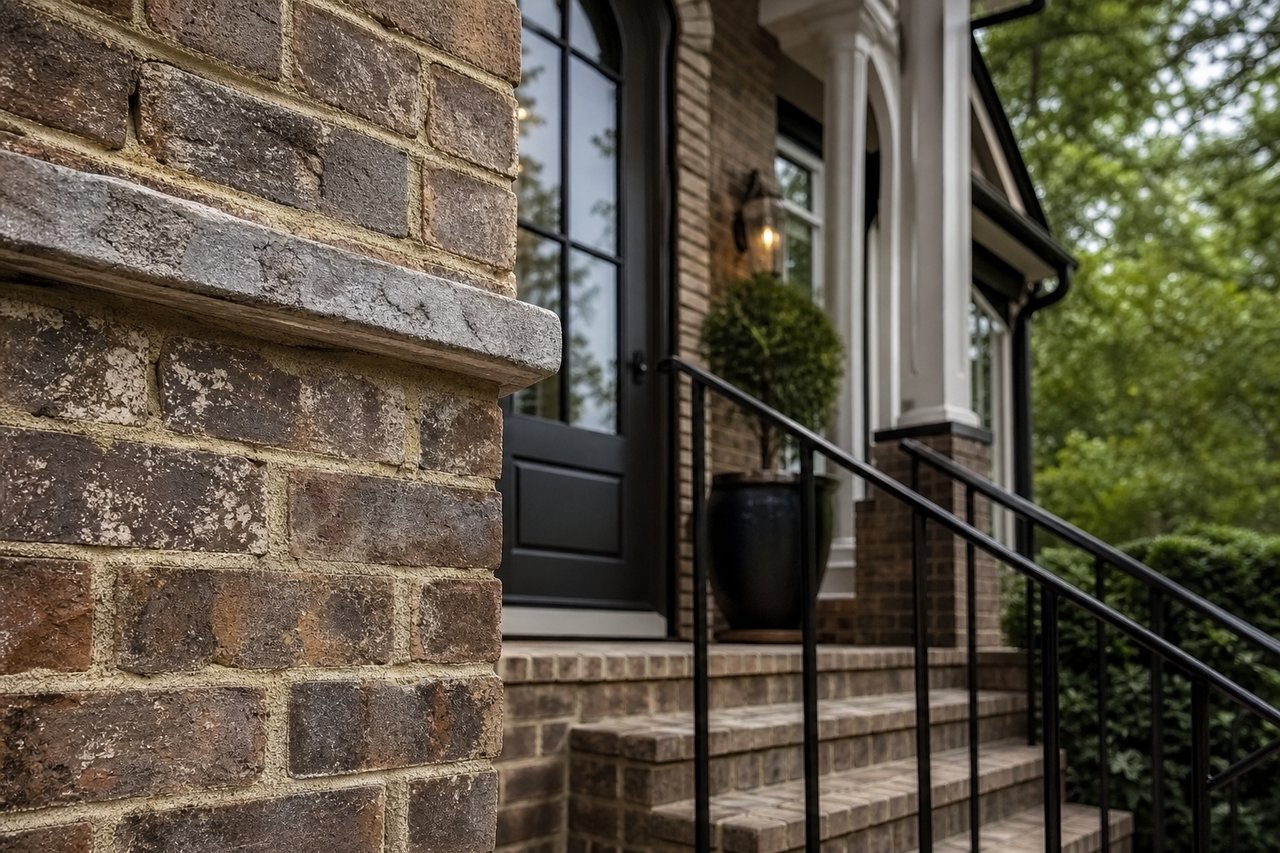
The Home You Love vs. The Home That Makes Financial Sense
SEO Title: The Home You Love vs. The Home That Makes Financial Sense
SEO Subtitle: How Atlanta homebuyers can balance emotion, affordability, location, long-term costs, and resale potential when choosing a home
Buying a home is rarely just a financial decision.
It's emotional, too.
You may walk into one house and immediately think:
“This is the one.”
You love the kitchen.
You love the backyard.
You love the neighborhood.
You can already imagine your family living there.
But then you look at the numbers.
The mortgage is higher than expected.
The property taxes are more expensive.
The HOA costs more.
The commute is longer.
Suddenly, you have a difficult question:
Should you buy the home you love, or the home that makes more financial sense?
The best answer may be somewhere in between.
1. Start With What You Can Comfortably Afford
A lender may tell you how much you qualify to borrow.
That doesn't necessarily mean you should spend that much.
Your personal budget should also account for:
- Mortgage payment
- Property taxes
- Homeowners insurance
- HOA fees
- Utilities
- Maintenance
- Repairs
- Savings
- Other financial goals
A home should fit into your life—not consume your entire budget.
2. Separate “Love” From “Want”
When you walk into a house you love, try to identify exactly what you love about it.
Is it:
- The location?
- The floor plan?
- The natural light?
- The kitchen?
- The backyard?
- The finishes?
- The neighborhood?
Some features may be essential.
Others may simply be exciting in the moment.
Knowing the difference can help you make a more rational decision.
3. Make a “Must-Have” List
Before looking at too many homes, create a list of non-negotiable features.
For example:
Must have:
- Three bedrooms
- Two bathrooms
- Reasonable commute
- Safe-feeling location
- Functional layout
Nice to have:
- Pool
- Large bonus room
- Luxury kitchen
- Three-car garage
This makes it easier to recognize when a home is attractive but financially unnecessary.
4. Think About the Location
A less expensive house in the wrong location may not actually save you money.
Consider:
- Commute
- Transportation costs
- Schools
- Shopping
- Healthcare
- Parks
- Restaurants
- Access to major roads
A slightly more expensive home in a convenient location may provide better everyday value.
5. Calculate the True Cost
Don't stop at the mortgage payment.
Imagine the complete monthly cost.
For example:
Mortgage + Taxes + Insurance + HOA + Utilities + Maintenance = Real Housing Cost
A house with a lower purchase price may have higher taxes, insurance, maintenance, or HOA fees.
Compare the whole picture.
6. Don't Ignore Maintenance
Two homes with similar prices can have very different maintenance needs.
Ask about:
- Roof age
- HVAC age
- Water heater
- Windows
- Plumbing
- Electrical
- Exterior condition
A beautiful older home may require more immediate spending than a less exciting but well-maintained property.
7. Consider What You Can Change
This is a useful way to compare homes.
Some things are relatively easy to change:
- Paint
- Flooring
- Lighting
- Cabinet hardware
- Landscaping
- Décor
Other things are much harder or impossible to change:
- Location
- Lot
- Neighborhood
- Traffic
- Nearby development
- School boundaries
If you love the location but dislike the paint, that may be easier to solve than loving the house but disliking the neighborhood.
8. Think About Future Resale
Even if you plan to stay for many years, consider future buyers.
Ask:
“Would other buyers want this property?”
Features that can influence future appeal may include:
- Location
- Functional layout
- Condition
- Number of bedrooms
- Parking
- Outdoor space
- Neighborhood
No one can guarantee future appreciation, but you can evaluate the home's broader appeal.
9. Don't Buy Just Because You're Afraid of Missing Out
Competitive markets can create pressure.
You may think:
“If I don't buy this house now, I'll never find another one.”
That feeling can lead to decisions you later regret.
Before making an offer, pause and ask:
“Would I still want this home if I weren't afraid of losing it?”
If the answer is yes, that's useful information.
If the answer is no, take another look at the numbers.
10. Consider the Cost of Being “House Poor”
A beautiful home isn't as enjoyable if you have little money left after paying for it.
Being house poor can make it harder to:
- Save for retirement
- Travel
- Build an emergency fund
- Pay for education
- Handle unexpected repairs
- Enjoy other parts of life
Your home should support your financial goals—not eliminate them.
11. Look for the Best Balance
You don't necessarily have to choose between:
The house you love
and
The house that makes financial sense.
Instead, look for a home that offers both.
For example:
Maybe your dream home is $650,000.
But you find another home for $575,000 with:
- A similar location
- A good floor plan
- A manageable commute
- A solid neighborhood
- A kitchen you can update later
That second property might give you more financial flexibility while still meeting your important needs.
12. Use the “Five-Year Test”
Imagine you buy the home today.
Then imagine yourself five years from now.
Ask:
- Will I still like the location?
- Will the house still meet my needs?
- Can I comfortably afford it?
- Will I have enough savings?
- Would I be comfortable selling it if circumstances change?
Thinking beyond move-in day can make your decision more objective.
The Home Decision Scorecard
Before making an offer, rate the property from 1–5 in each category:
Category | Score |
|---|---|
Affordability | ⭐⭐⭐⭐⭐ |
Location | ⭐⭐⭐⭐⭐ |
Condition | ⭐⭐⭐⭐⭐ |
Layout | ⭐⭐⭐⭐⭐ |
Monthly Costs | ⭐⭐⭐⭐⭐ |
Future Resale Appeal | ⭐⭐⭐⭐⭐ |
Lifestyle Fit | ⭐⭐⭐⭐⭐ |
Maintenance Needs | ⭐⭐⭐⭐⭐ |
Then ask:
“Is this home still a strong choice when I look at both my emotions and the numbers?”
Questions to Ask Yourself
Before buying, ask:
☐ Do I genuinely love the home, or just the way it is staged?
☐ Can I comfortably afford the monthly cost?
☐ Does the location work for my lifestyle?
☐ Are there major repairs coming soon?
☐ Am I sacrificing important financial goals?
☐ What could I change after moving in?
☐ What can I never change about the property?
☐ Would I still buy it without the pressure of competition?
☐ Would I be happy here five years from now?
☐ Would another buyer likely see value in this home?
When the More Expensive Home May Make Sense
Sometimes paying more can be reasonable.
For example, a higher-priced home might offer:
- A significantly better location
- Lower maintenance costs
- Better functionality
- More suitable space
- Stronger long-term appeal
The key is to understand why you're paying more.
Don't pay extra simply because the house looks impressive.
Pay more when the additional cost provides meaningful value for your lifestyle and financial situation.
When the Cheaper Home May Be the Better Choice
A less expensive property may make more sense when:
- It meets your essential needs
- The location is good
- The condition is manageable
- The monthly cost is comfortable
- You can improve it over time
Sometimes the home that feels less exciting at the showing is the one that gives you more financial freedom.
Final Thoughts
Buying a home is both a heart decision and a financial decision.
Ignoring your emotions can make the process feel purely transactional.
Ignoring the numbers can create financial stress later.
The goal is to find a balance.
Love the home—but understand the numbers.
Respect the budget—but don't forget the lifestyle.
The best home isn't necessarily the most expensive one or the cheapest one.
It's the one that gives you a place you genuinely enjoy living in without sacrificing the financial future you're working to build.
Buy a home you can love—and a home you can comfortably afford to keep.
--
Tina Jingru Sui 隋静儒
Associate Broker | Team Leader of TJS Team, Keller Williams
Serving Metro Atlanta — Johns Creek, Alpharetta, Duluth, Suwanee, Buford, and beyond
404-375-2120
WeChat: tinasuirealty
Follow me on Instagram / 小红书 / WeChat / Facebook