The Real Difference Between a ‘Starter Home’ and a Smart Long-Term Home
Many buyers begin their search thinking they need a starter home—something affordable, temporary, and “good enough for now.” But in today’s market, the smarter question is often: Should I buy a starter home at all, or choose a home that works long term?
The difference isn’t just price. It’s about flexibility, lifestyle fit, and future value.
What Is a Starter Home, Really?
Traditionally, a starter home is:
-
Smaller in size
-
More affordable
-
Located in an average (not prime) area
-
Designed for short-term ownership (3–5 years)
Starter homes help buyers get into the market, build equity, and move up later. That strategy worked well when prices rose quickly and transaction costs were lower.
What Defines a Smart Long-Term Home?
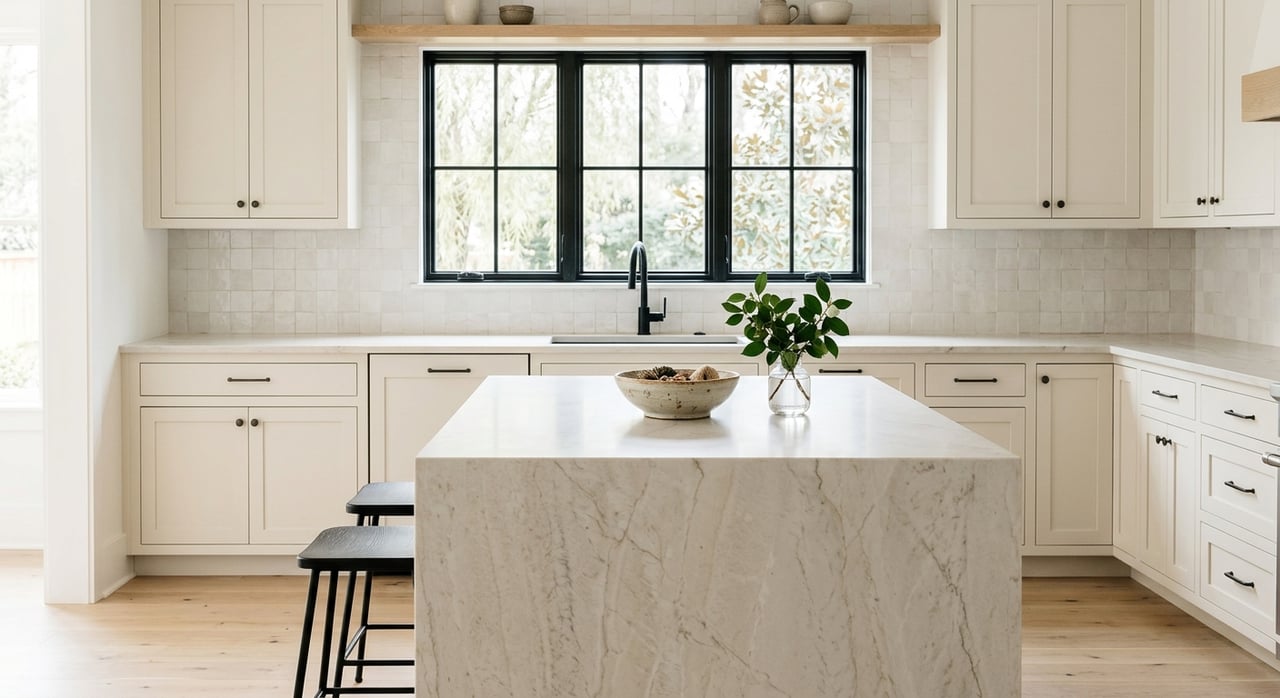
A smart long-term home isn’t necessarily expensive—it’s adaptable.
These homes usually offer:
-
A layout that can evolve (office, guest room, growing family)
-
A stable or improving neighborhood
-
Strong resale and rental potential
-
Location benefits like schools, commute access, or amenities
The goal isn’t perfection—it’s lasting usefulness.
Key Differences Buyers Often Overlook
1. Time Horizon
Starter homes assume you’ll move again soon.
Long-term homes are chosen with 7–10+ years in mind.
If life changes faster than expected (kids, parents moving in, remote work), a starter home can feel limiting very quickly.
2. Transaction Costs
Buying and selling isn’t cheap:
-
Agent commissions
-
Closing costs
-
Moving expenses
-
Potential market risk
A long-term home reduces how often you pay these costs.
3. Flexibility Beats Size
A slightly larger or better-laid-out home can:
-
Avoid the need to move again
-
Support work-from-home
-
Handle family changes
Many buyers regret buying too small more than buying slightly more than needed.
4. Resale and Rental Safety Net
Smart long-term homes often:
-
Rent easily if plans change
-
Appeal to a wide buyer pool later
Starter homes in weaker locations can struggle when it’s time to sell.
When a Starter Home Still Makes Sense
A starter home can be the right choice if:
-
Your income is likely to rise significantly
-
You expect to relocate soon
-
You’re intentionally minimizing costs
-
You’re comfortable trading flexibility for affordability
The key is being honest about your timeline.
Final Thoughts
The real difference isn’t starter vs long-term—it’s short-term thinking vs strategic thinking.
A smart long-term home gives you options: to stay, to rent, or to sell confidently. In many markets, that flexibility is worth more than simply buying the cheapest option.
If you’re unsure which path fits your situation, comparing both options side by side often brings clarity.
--
Tina Jingru Sui 隋静儒
Associate Broker | Team Leader of TJS Team, Keller Williams
 Serving Metro Atlanta — Johns Creek, Alpharetta, Duluth, Suwanee, Buford, and beyond
 404-375-2120


 WeChat: tinasuirealty
 Follow me on Instagram / 小红书 / WeChat / Facebook