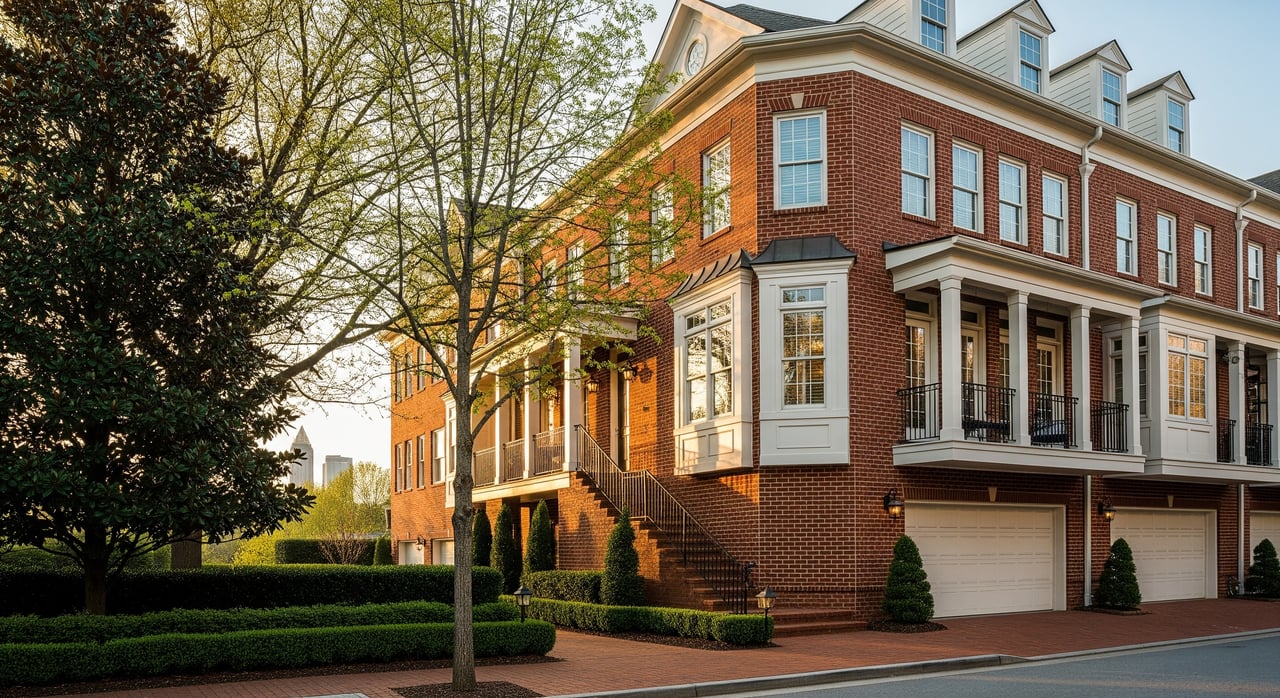
Want low-maintenance living near Perimeter Center without giving up convenience? If a Sandy Springs townhome is on your shortlist, you have a lot of great options, each with different fees, amenities, and commute tradeoffs. In this guide, you will learn where townhome communities cluster, how HOAs work, what amenities to expect at different price points, and how to choose a floorplan that fits your lifestyle and budget. Let’s dive in.
Why choose Sandy Springs for a townhome
Sandy Springs sits just north of Atlanta and anchors major employment and retail around Perimeter Center. According to the City of Sandy Springs, the area blends suburban services with urban access, which is why many professionals choose it for shorter commutes and everyday convenience. For broader context on the city’s role within metro Atlanta, you can explore data from the U.S. Census Bureau.
Townhomes here appeal to buyers who want less exterior maintenance, smaller yards, and easy access to GA‑400 and key corridors. You will see communities near Perimeter Center for walkability and transit, along Roswell and Abernathy for shopping access, and around GA‑400 interchanges for quick highway entry.
Where townhome communities cluster
- Perimeter Center and Hammond Drive: Highest concentration of communities designed for proximity to offices, retail, and transit. Expect strong access to amenities and shorter drives.
- Roswell Road and Abernathy Road: A mix of older and newer developments with quick access to shopping, dining, and major arterials.
- Near GA‑400 interchanges: Fast highway access with a possible tradeoff in traffic noise depending on set-backs and buffers. See the Georgia Department of Transportation for roadway context.
- Near river and greenbelt corridors: Quieter settings near parks. You may trade a slightly longer drive to Perimeter employment centers.
Townhome community types and what you get
Sandy Springs offers a wide spectrum of community profiles. Matching amenities and rules to your lifestyle is key.
Low-amenity, fee-light communities
These are often smaller clusters with limited shared spaces. You usually get basic common area maintenance and insurance. HOA dues tend to be lower because there are fewer amenities to maintain. This is a good fit if you want control over your interior, do not need a pool or gym, and prefer a simpler monthly budget.
Amenity-rich or gated communities
These may include pools, fitness rooms, gated entries, landscaping contracts, and sometimes on-site management. The tradeoff is higher dues in return for lower day-to-day upkeep and more social or security features. Consider how often you will use the amenities before paying for them.
Mixed-use and transit-oriented developments
Some townhomes are part of larger walkable developments near Perimeter Center. You may get structured or underground parking, retail steps away, and easier access to transit. These locations often carry premium pricing due to convenience and demand.
Luxury and custom townhomes
Expect higher-end finishes, private outdoor spaces like rooftop terraces, and secure garages. Communities are often smaller, with boutique-level detail and design. Dues may be higher to support premium common areas and services.
Understanding HOAs in Sandy Springs
Buying into a townhome community means buying into a homeowners association. Strong governance and healthy reserves support property values and peace of mind. The Community Associations Institute offers best practices on association operations that can help guide your review.
What dues typically cover
- Exterior maintenance like siding and paint, plus roof and common area landscaping
- Common area insurance and liability coverage
- Trash pickup in some communities and seasonal snow or ice services
- Pool, gym, gated security, or concierge where applicable
Interior finishes and systems, like HVAC, are usually the owner’s responsibility. Always confirm what is covered in the Declaration and Bylaws.
Fee ranges and what drives them
Monthly dues in metro Atlanta townhome communities generally range from about $200 to $600, with outliers on both ends. Costs vary based on community size, insurance, utilities covered, security, pools and gyms, on-site staffing, and reserve funding. Amenity-rich or gated communities tend to sit at the higher end because of maintenance intensity.
Rules, policies, and documents to review
Before you commit, request the full suite of HOA documents and financials during your due diligence period:
- Governing documents: Declaration, Covenants, Bylaws, Rules and Regulations
- Budget, year-to-date financials, reserve study, insurance certificates
- Meeting minutes from the last 6 to 12 months and any pending litigation
- Rental policy, pet rules, architectural controls, parking and guest policies
You can also verify property records and filings with Fulton County as part of your research.
Commute and transit access
Sandy Springs is built for commuters, with direct highway access and rail service options around Perimeter Center.
Driving via GA‑400 and key arterials
GA‑400 is the primary north-south expressway connecting Sandy Springs to Buckhead, central Atlanta, and the northern suburbs. Rush-hour congestion is common on GA‑400 and on surface streets around Perimeter Center. For roadway functions and studies, consult the Georgia Department of Transportation.
Key east-west connections include Hammond Drive, Abernathy Road, Roswell Road, and Mount Vernon Highway. If your commute relies on these corridors, visit during peak hours to gauge travel times.
MARTA rail and buses
The MARTA Red Line extends into Sandy Springs and Dunwoody, providing an alternative to driving for downtown and Midtown access. Bus routes connect stations to Perimeter Center offices. For station locations and schedules, use MARTA’s official site.
Walkability and noise checks
Walkability varies block by block. Townhomes near Perimeter Center or within mixed-use developments are typically more walkable. If a community is near GA‑400, visit during morning and evening rush hours to evaluate noise and air quality, especially in outdoor areas and bedrooms.
Match floorplans and fees to your lifestyle
Choosing the right layout and community type starts with your daily routine.
Young professionals and single buyers
Prioritize proximity to Perimeter Center, transit access, and lock-and-leave convenience. One to two bedrooms with secure parking or easy ride-share access can be ideal. Expect higher cost per square foot in walkable, transit-adjacent locations.
Couples and small families
Look for two to three bedrooms, a garage or assigned parking, and outdoor space like a patio or small yard. Many three-story townhomes offer natural separation between living and sleeping areas. Review playgrounds, pet policies, and lawn maintenance provisions if you value shared spaces and simplified upkeep.
Empty-nesters and downsizers
Seek single-level living if available, or layouts with the primary suite on the main level. Some mid-rise townhome projects offer elevator access. If community security and amenities reduce daily chores, a slightly smaller interior may still meet your needs.
Investors and rental-focused buyers
Your first stop is the rental policy and any rental caps. Stable HOA dues, healthy reserves, and proximity to employment centers support rental demand. Evaluate guest parking, walkability, and transit connectivity as part of tenant appeal.
Budget: your total cost of ownership
Build a complete monthly picture so nothing surprises you later.
- Mortgage principal and interest
- HOA dues and what is included vs. owner-paid
- Property taxes and insurance, including HO‑6 coverage
- Utilities that are included in HOA vs. separate bills
- Interior maintenance and the risk of special assessments
- Commuting costs and time, including transit fares or parking
- Resale considerations tied to Perimeter Center and GA‑400 access
Smart due diligence steps
A thorough review protects your purchase and helps you negotiate with confidence.
- Ask the listing agent or HOA manager for the latest budget, reserve study, meeting minutes, insurance declaration, rules on rentals and pets, assessment history, and delinquency rates.
- Confirm who is responsible for roof, siding, gutters, exterior paint, driveways, and individual utilities.
- Check for pending capital projects, roof replacement schedules, and any open litigation.
- Verify parking assignments, guest parking enforcement, and storage options.
- Schedule a general inspection with attention to common walls, roofline, drainage, and any basement or crawlspace areas.
- Visit at different times to gauge traffic, light, and privacy. Test drive your commute.
How the TJS Team can help
Choosing the right Sandy Springs townhome is a data decision as much as a lifestyle choice. You get bilingual Mandarin and English support, investor-grade analysis of HOA health and total cost of ownership, and a systems-driven process from offer to close. If you want a clear side-by-side of communities, dues, amenities, and commute tradeoffs, we will build it with you.
Request a personalized market and investment consult with Tina Jingru Sui. We will help you shortlist communities, review HOA documents, and make a confident, informed decision.
FAQs
What are typical HOA fees for Sandy Springs townhomes?
- In metro Atlanta, townhome HOA dues commonly range about $200 to $600 per month, with higher fees in amenity-rich or gated communities and outliers possible.
How close are Sandy Springs townhomes to MARTA rail?
- Communities within the Perimeter Center area are often near MARTA’s Red Line stations, offering an alternative to driving; check routes and schedules on MARTA’s official site.
Which HOA documents should I review before buying a townhome?
- Ask for the Declaration, Covenants, Bylaws, Rules, current budget, financials, reserve study, insurance certificates, recent meeting minutes, and any pending litigation details.
How does GA‑400 impact a townhome purchase in Sandy Springs?
- GA‑400 provides fast regional access, but homes close to the corridor can experience higher traffic noise; consult GDOT resources and visit at rush hour to evaluate.
Where can I find official local context for Sandy Springs?
- Use the City of Sandy Springs for neighborhood and services information and the U.S. Census Bureau for city-level data.
How can I verify property and HOA filings in Fulton County?
- Check Fulton County for property records, tax details, and recorded association documents as part of your due diligence.