What ‘Quiet Street’ Actually Means — And How to Verify It Before You Buy
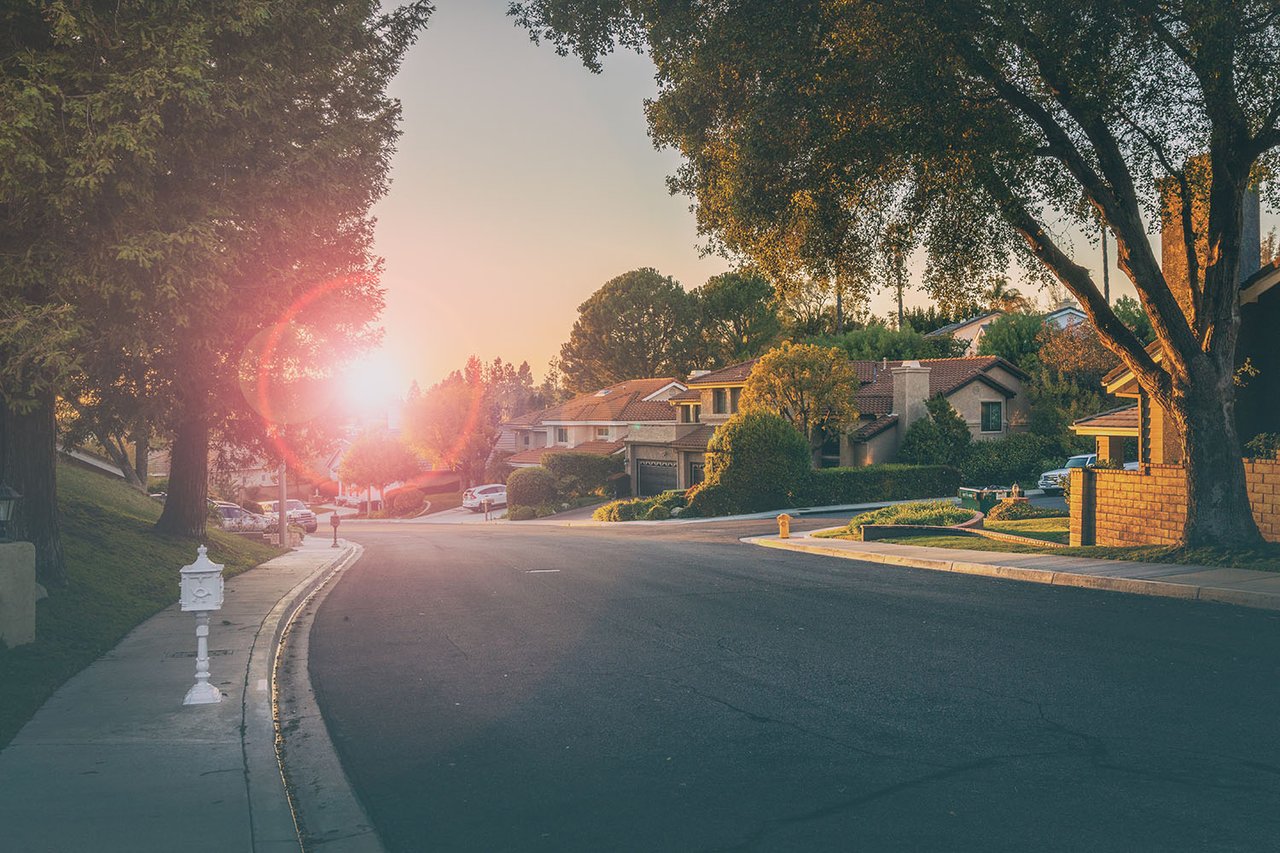
When browsing listings, many buyers are drawn to homes described as being on a “quiet street.” It evokes images of calm, safe neighborhoods, minimal traffic, and peaceful evenings. But the term can be misleading. Not every “quiet street” is truly serene, and understanding what it really means can save you frustration—and money—down the line.
1. Traffic Volume Matters
A quiet street usually has low traffic, but the label doesn’t always reflect reality. Some streets may be “quiet” during the day but become busy shortcuts during rush hour or school pick-up times. Drive by at different times of day to see actual traffic patterns, and check local traffic studies if available.
2. Noise Levels Go Beyond Cars
Noise isn’t just about traffic. Other common disruptions include:
-
Nearby businesses or construction sites
-
Public transit routes
-
Emergency vehicle sirens
-
Neighbors with loud pets or frequent gatherings
Spend time walking the street, or even visit during weekends and evenings to understand the real sound environment.
3. Safety and Visibility
A quiet street doesn’t automatically mean a safe street. Consider:
-
Street lighting at night
-
Sidewalks and crosswalks for children or pets
-
Proximity to main roads for emergency access
A street may feel calm but still have hidden risks if safety features are lacking.
4. Community and Lifestyle Factors
Some streets are quiet because residents value privacy and upkeep; others may be quiet simply because the neighborhood is older or less active. Talk to neighbors if possible to get a sense of the street’s lifestyle and whether it aligns with your expectations.
5. How to Verify Before You Buy
-
Drive and walk the street multiple times at different hours.
-
Check crime maps to understand safety trends.
-
Observe nearby intersections for speed and traffic flow.
-
Ask your realtor for insights—they often know subtle details not listed online.
-
Listen carefully during showings for nearby noises like trains, planes, or busy streets.
Final Thoughts
“Quiet street” is more than a marketing term—it’s a quality-of-life factor. Doing your homework can help you separate marketing from reality, ensuring your dream home truly matches the peaceful lifestyle you’re seeking. Remember, a street that feels quiet to one buyer may feel isolating or inconvenient to another. Take the time to verify, so your investment in both home and lifestyle pays off.
--
Tina Jingru Sui 隋静儒
Associate Broker | Team Leader of TJS Team, Keller Williams
 Serving Metro Atlanta — Johns Creek, Alpharetta, Duluth, Suwanee, Buford, and beyond
 404-375-2120


 WeChat: tinasuirealty
 Follow me on Instagram / 小红书 / WeChat / Facebook