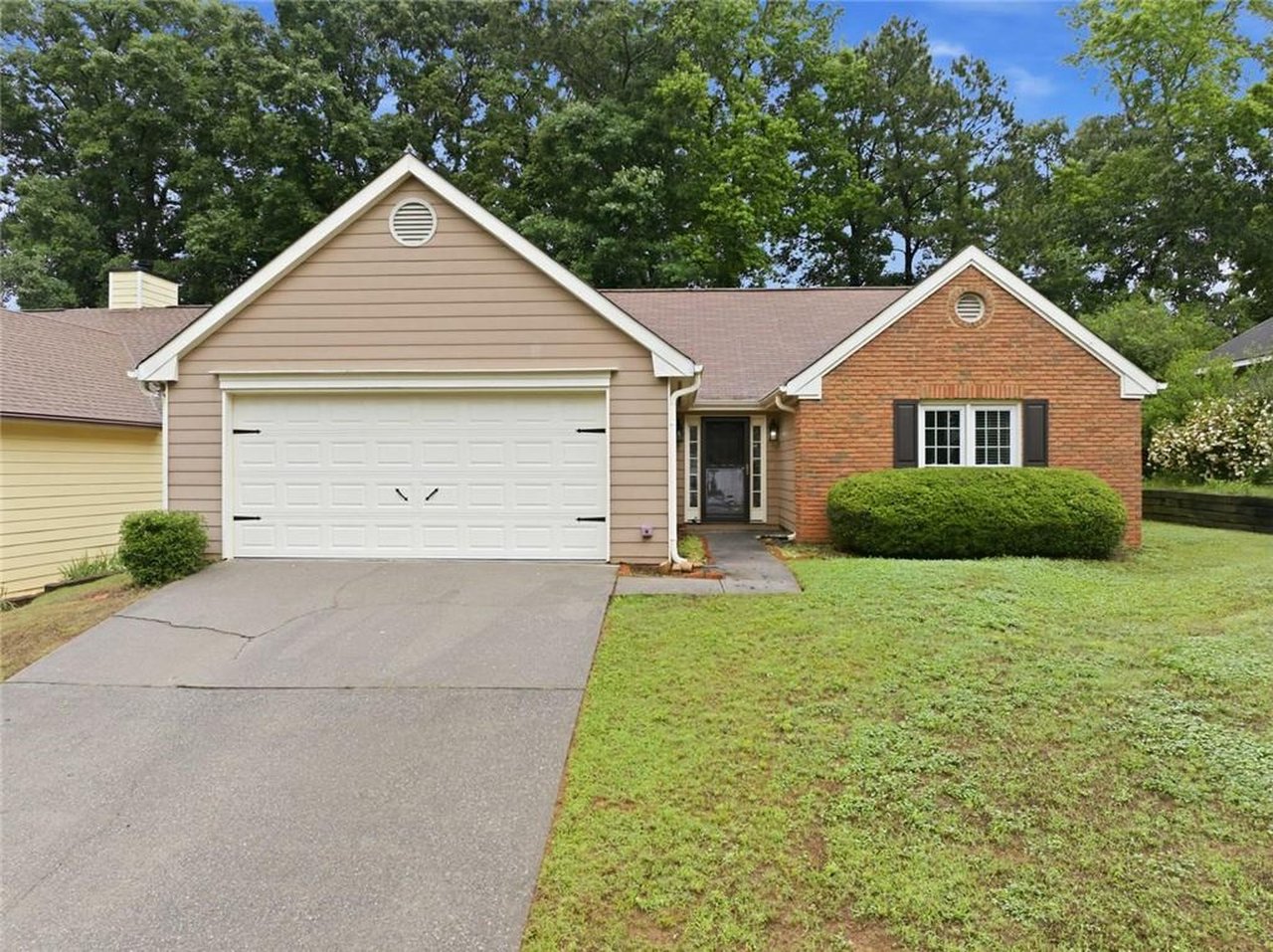
Buyer competition can be one of the biggest advantages a seller has—but it has to be created and protected. Pricing, condition, presentation, showing access, local inventory, and marketing all influence how many serious buyers consider your home. Strong competition can improve a seller's negotiating position, but it does not mean every buyer will overbid or that the highest-priced offer is automatically the best one.
What Sellers Should Know About Buyer Competition
Learn how buyer competition can affect your home sale, pricing strategy, negotiations, and the importance of making your property stand out.
When sellers think about putting a home on the market, one of the first questions is usually:
“How much can I get for my house?”
But there is another question that can matter just as much:
“How many serious buyers are competing for homes like mine?”
Buyer competition can affect showing activity, negotiation leverage, market time, and the quality of the offers a seller receives.
A property with several interested buyers may put the seller in a stronger position.
A property with little buyer interest usually creates a very different negotiation environment.
Your negotiating power doesn't come from the asking price alone.
It comes from how many qualified buyers believe your home is one of their best available options.
What Creates Buyer Competition?
Factor | Why It Matters |
|---|---|
Price | Determines whether buyers see value compared with competing homes |
Condition | Affects perceived move-in costs and buyer confidence |
Location | Influences which buyer pool is likely to consider the property |
Presentation | Impacts online attention and first impressions |
Inventory | More competing homes can give buyers more alternatives |
Showing Access | More qualified buyers can evaluate the home |
1. More Buyers Can Create More Opportunities
When multiple buyers are actively looking for similar homes in the same price range and location, sellers may benefit from stronger demand.
Strong competition can sometimes contribute to:
- More showings.
- More inquiries.
- Multiple offers.
- Shorter market time.
- Stronger negotiating leverage.
But buyer competition does not apply equally to every property.
A home can be located in a strong market and still struggle if the price, condition, layout, or presentation does not compare favorably with alternatives.
A competitive market does not automatically make every listing competitive.
2. Price Still Matters—Even When Demand Is Strong
Buyers rarely evaluate your home in isolation.
They compare it with:
- Other active listings.
- Recent comparable sales.
- Different neighborhoods in the same price range.
- Homes with newer systems or better condition.
- Properties offering seller concessions or stronger value.
If your home is priced substantially above properties that buyers consider similar or better, buyer competition may shift toward those alternatives instead.
The goal isn't to be the cheapest home.
The goal is for buyers to understand why your home makes sense at its price.
3. Location Affects the Size of Your Buyer Pool
Different buyers prioritize different location features.
Property-specific factors may include proximity to:
- Employment centers.
- Major highways.
- Shopping and restaurants.
- Parks and trails.
- Entertainment and mixed-use destinations.
- Other frequently used services and amenities.
Public-school attendance assignments may also be an important property-specific consideration for some buyers, but boundaries can change and should be verified directly with the applicable school district.
In Metro Atlanta, demand can differ significantly among Alpharetta, Johns Creek, Suwanee, Marietta, Buford, Lawrenceville and even between neighborhoods within the same city.
Your home is not competing with “Metro Atlanta.”
It is competing with the homes the same buyer would realistically consider instead.
4. Condition Can Increase—or Reduce—Buyer Interest
Buyers may place greater value on a home that appears well maintained and requires fewer immediate projects.
Features that can affect the comparison may include:
- Updated kitchen or bathrooms.
- Roof age and condition.
- HVAC age and condition.
- Fresh interior paint.
- Flooring condition.
- Exterior maintenance.
- Landscaping.
- Floor-plan functionality.
This does not mean every seller should renovate extensively before listing.
Sometimes cleaning, decluttering, repairing obvious defects, improving lighting, and making strategic cosmetic updates can have more practical value than a major remodel.
5. Buyer Competition Often Starts Online
For many buyers, the first showing happens on a screen.
Before they ever schedule an appointment, buyers may evaluate:
- Exterior photos.
- Kitchen.
- Living spaces.
- Bedrooms.
- Bathrooms.
- Lot and outdoor areas.
- Special property features.
Poor photos, clutter, dark rooms, or an incomplete listing presentation can reduce attention before buyers ever see the property in person.
You don't get buyer competition simply by putting a home online.
The listing has to earn attention compared with everything else buyers are seeing.
6. Multiple Offers Give Sellers Options—but Price Isn't Everything
Multiple offers can improve a seller's negotiating position.
But sellers should compare the complete contract.
Important terms may include:
- Purchase price.
- Buyer financing.
- Earnest money.
- Due-diligence terms.
- Appraisal provisions.
- Seller concessions.
- Closing date.
- Other contingencies.
Price + Terms + Timing + Certainty of Closing
A slightly lower-priced offer with stronger financing, fewer uncertainties, and a more reliable path to closing may sometimes be more attractive than the highest headline price.
Example: Which Offer Is Really Stronger?
Offer A | Offer B |
|---|---|
Higher purchase price | Slightly lower purchase price |
Larger seller concession request | Lower concession request |
Longer due-diligence period | Shorter due-diligence period |
Greater financing or appraisal uncertainty | Stronger financing and terms |
The seller should compare estimated net proceeds and transaction risk rather than assuming Offer A is automatically better because the purchase price is higher.
7. Buyer Competition Changes With the Market
Competition is not permanent.
Buyer behavior can change as:
- Inventory changes.
- Mortgage rates change.
- More competing listings enter the market.
- Seasonality changes.
- Employment and broader economic conditions shift.
Sellers should therefore use current data rather than relying on what happened to a neighbor's home several years ago.
Yesterday's bidding-war strategy may not be today's pricing strategy.
8. Don't Assume Buyers Will Automatically Bid Over Asking
Sellers sometimes believe that if a home is desirable, buyers will simply compete upward regardless of the initial price.
That can happen.
But it is not guaranteed.
Buyers may still rely on:
- Recent comparable sales.
- Available alternatives.
- Property condition.
- Inspection findings.
- Appraisal concerns.
- Financing limits.
Starting too high can actually reduce competition by making otherwise qualified buyers exclude the property from consideration.
Buyer competition is usually strongest when buyers see compelling value—not simply a high asking price.
9. Make the Home Easy to See
A buyer cannot compete for a home they never have the opportunity to evaluate.
Before listing, consider:
- Decluttering.
- Deep cleaning.
- Reducing unnecessary personal items.
- Improving curb appeal.
- Repairing obvious defects.
- Keeping showing access reasonably flexible.
When buyers have many alternatives, difficult showing access can work against the seller.
Some buyers will simply move on to another property that is easier to tour.
10. Let the Market Give You Feedback
Once the home is listed, actual buyer behavior becomes valuable information.
Market Response | What It May Suggest |
|---|---|
Very few showings | Price, marketing, property positioning, or buyer demand may need review |
Many showings, no offers | Buyers may like the home but see a problem with price, condition, layout, or value relative to alternatives |
Offers below asking | Buyer feedback may be clustering below the seller's current expectation |
Multiple strong offers | The property may be well positioned relative to current demand |
No single showing or comment should control the strategy.
But repeated feedback can reveal patterns.
Market feedback is data.
Sellers should use it rather than dismiss it simply because it differs from their original expectation.
How Can Sellers Create More Buyer Competition?
Price It Strategically
Use recent comparable sales, current active competition, pending activity, condition, and buyer demand to establish a price that makes sense in today's market.
Improve the Presentation
Cleaning, decluttering, staging when appropriate, professional photography, and strategic repairs can improve the way buyers evaluate the property.
Highlight Meaningful Features
Make sure the listing clearly communicates updates and characteristics that buyers would otherwise have to discover for themselves.
Be Reasonably Flexible With Showings
More access can mean more opportunities for serious buyers to evaluate the home.
Monitor the Competition
Pay attention to new listings, price reductions, pending sales, and recently closed properties throughout the listing period.
The seller's goal is not merely to put the home on the market.
It is to position the home so that more than one qualified buyer wants to be the person who gets it.
The Buyer Competition Test
☐ Is my asking price competitive with similar homes?
☐ What similar homes are currently for sale?
☐ What have the best comparable homes recently sold for?
☐ How does my home's condition compare?
☐ Are there obvious issues buyers may price into their offer?
☐ Will the online presentation make buyers want to schedule a showing?
☐ Is the property reasonably easy to show?
☐ What specific features differentiate my home from competing listings?
☐ What is current buyer activity in my price range?
☐ Am I prepared to evaluate offers based on both price and terms?
Frequently Asked Questions
Does strong buyer demand guarantee multiple offers?
No. Even in an active market, the result depends on the specific home's price, condition, location, presentation, competition, and buyer response. Strong market demand can create opportunity, but it does not guarantee a bidding war.
Should I underprice my home to create competition?
Not automatically. Pricing below expected market value can be a deliberate strategy in some situations, but it also carries risks and should be evaluated using current comparable sales, inventory, buyer demand, and the seller's goals. There is no guarantee that buyers will bid the property upward.
Is the highest offer always the best offer?
No. Sellers should evaluate the entire agreement, including financing, seller concessions, earnest money, due-diligence terms, appraisal provisions, contingencies, closing date, estimated net proceeds, and overall probability of closing.
What does it mean if I get a lot of showings but no offers?
It may indicate that buyers are interested enough to see the property but do not consider the overall value compelling enough to make an offer. Price, condition, layout, future repair exposure, competition, or other property-specific concerns may be influencing their decision.
What if I'm getting almost no showings?
Review the entire positioning of the property—including price, online presentation, showing availability, property condition, marketing exposure, current inventory, and buyer activity in the price range. Very low showing activity is useful market feedback and should not be ignored.
Final Thoughts
Buyer competition can create a meaningful advantage for sellers.
But it does not happen automatically.
A property needs to be positioned in a way that gives buyers a compelling reason to choose it over competing homes.
That usually involves:
Pricing + Condition + Presentation + Marketing + Access + Local Market Positioning
And once offers arrive, sellers should continue thinking beyond the purchase price.
The strongest transaction is often the one with the best combination of:
Price + Net Proceeds + Terms + Timing + Certainty of Closing
Understand your buyers. Understand your competition. Then position your home based on what the current market is actually telling you—not simply what you hope to receive.
Thinking About Selling in Metro Atlanta?
Before going on the market, we can review recent comparable sales, active competition, pending listings, property condition, pricing strategy, preparation options, likely buyer objections, showing strategy, and estimated seller proceeds so you understand exactly how your home will compete.
Tina Jingru Sui | TJS Team
About Tina Jingru Sui
Tina Jingru Sui is the founder and leader of the TJS Team, serving sellers, buyers, investors, and relocation clients throughout Metro Atlanta.
Tina and her team serve communities including Johns Creek, Alpharetta, Suwanee, Duluth, Buford, Dacula, Marietta, Roswell, Sandy Springs, Smyrna, Lawrenceville, and surrounding Metro Atlanta areas.
Keller Williams Atlanta Partners · (404) 375-2120
This article is provided for general informational and educational purposes only and does not constitute legal, tax, appraisal, investment, or financial advice. Buyer demand, showing activity, multiple offers, sale price, days on market, appraisal outcomes, financing, seller concessions, and transaction results vary by property, price range, location, market conditions, buyer qualifications, and contract terms. No pricing, preparation, or marketing strategy can guarantee multiple offers, a sale above asking price, a specific sale price, or a particular closing outcome. Public-school attendance assignments should be independently verified by property address with the applicable school district. Brokerage compensation is negotiable and determined by agreement between the relevant parties. Sellers should evaluate all offers based on their specific goals and consult appropriate legal, tax, financial, and real estate professionals where needed. Equal Housing Opportunity. Tina Jingru Sui, GA License #392936, REALTOR®, affiliated with Keller Williams Atlanta Partners and regulated by the Georgia Real Estate Commission.