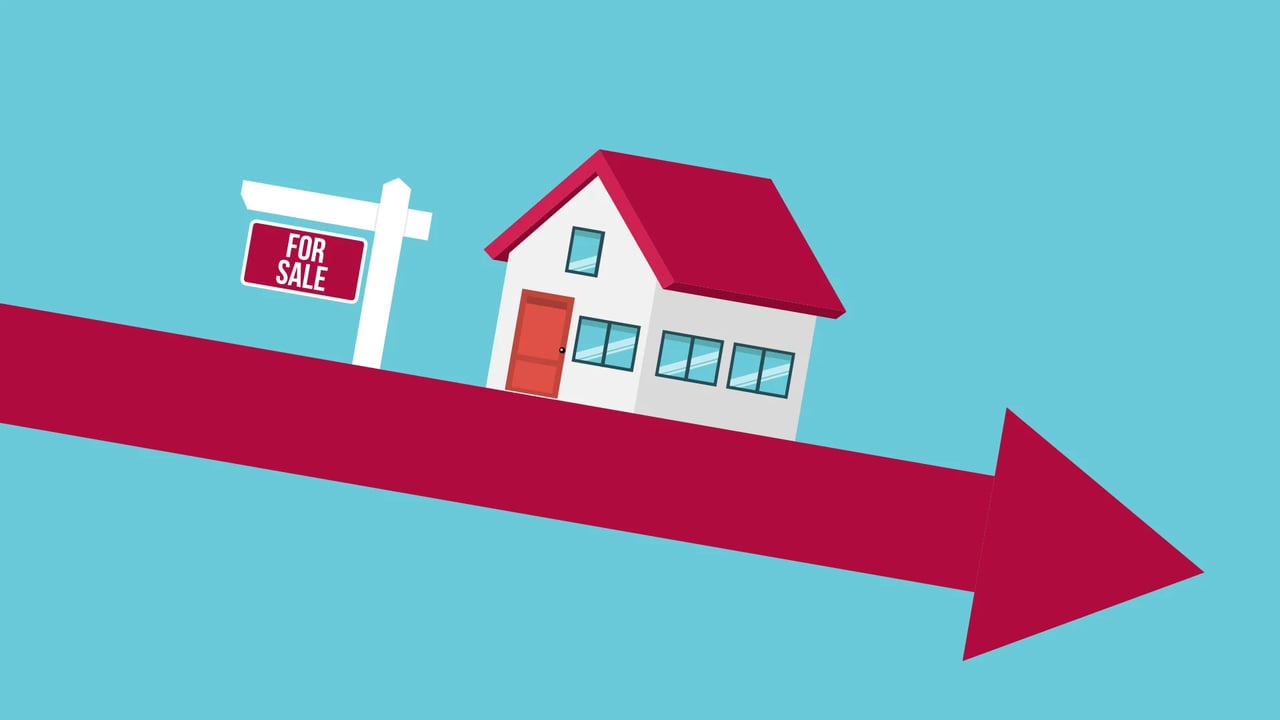
Starting high and “testing the market” can sound harmless—but it can change how buyers respond to your home. An asking price that is not supported by current market evidence may reduce showings, increase market time, weaken negotiating leverage, and eventually require price reductions. The goal is not to list at the highest imaginable number. It is to position the property so serious buyers see value.
What Sellers Should Know About Overpricing a Home
Learn how pricing a home too high can affect buyer interest, days on market, negotiations, and your final sale price.
Every seller wants the strongest possible result.
That's completely reasonable.
But there is an important difference between pricing confidently and pricing above what current buyers are likely to support.
One of the most common seller questions is:
“Why don't we just start high? We can always reduce the price later.”
You certainly can reduce the price later.
The more important question is whether starting too high may cost you buyer attention during the period when the listing is newest and most visible.
The highest listing price is not the same thing as the highest final sale price.
What Can Happen When a Home Is Overpriced?
Possible Effect | Why It Matters |
|---|---|
Fewer Showings | Buyers may decide competing homes provide better value before they ever visit yours |
Longer Market Time | Buyers may become more cautious as the listing accumulates days on market |
Price Reductions | Repeated adjustments may shift the conversation from desirability to why the property has not sold |
Less Competition | Fewer interested buyers can mean less negotiating leverage |
Appraisal Risk | Even if a buyer agrees to the price, financed offers may still face appraisal considerations |
1. Buyers Compare Your Home With Everything Else Available
Today's buyers can compare properties quickly.
Before they ever schedule a showing, they may already be comparing your home with several alternatives based on:
- Price.
- Location.
- Living area.
- Bedrooms and bathrooms.
- Floor plan.
- Condition.
- Renovations.
- Lot characteristics.
- Amenities and HOA expenses.
If your property is priced significantly above homes buyers consider comparable, many of them may simply move on.
Buyers don't evaluate your price in isolation.
They evaluate what else they can buy with the same money.
2. The Early Market Response Matters
A newly listed property can receive a fresh wave of attention from buyers already watching that location and price range.
If those buyers immediately decide the home is overpriced, some may not come back later.
This is why the initial pricing strategy deserves careful thought.
After a listing has been on the market for an extended period, buyers may begin asking:
“Why hasn't this house sold?”
There may be a perfectly reasonable explanation.
But perception becomes part of the negotiation.
You can reduce a price later.
You cannot recreate the exact first impression buyers had when the home initially entered the market.
3. Overpricing Can Put You Outside a Buyer's Search
Price doesn't only affect what buyers think.
It can also affect whether certain buyers see the home at all.
Imagine a buyer is searching for homes up to $500,000.
If a property's likely market range is near that level but it enters the market at $550,000, the buyer may never see it during the period when they are actively shopping.
If the home is later reduced, that buyer may already be under contract somewhere else.
Pricing affects both perception and exposure.
4. Price Reductions Are Not Always Bad—but Repeated Reductions Can Change the Conversation
A price reduction is not automatically a sign that something went wrong.
Markets change.
New competing inventory appears.
Buyer activity shifts.
Sometimes adjusting the price is exactly the right strategic decision.
But several reductions over time can cause buyers to focus on the listing history.
Instead of asking:
“Do I want this house?”
they may begin asking:
“Why hasn't anyone bought this house yet?”
5. Your Investment in the Home Is Not the Same as Market Value
Homeowners naturally have an emotional and financial connection to their properties.
You may be thinking about:
- What you originally paid.
- What you still owe.
- How much you spent on renovations.
- How much money you need for your next purchase.
- The memories and personal value attached to the home.
Those things can be very important to you.
But they do not, by themselves, determine what another buyer is willing to pay.
The market does not know how much you need from the sale.
Buyers are comparing your property with the alternatives available to them now.
6. Renovation Cost Does Not Equal Added Market Value
Renovations can absolutely help a home compete.
But homeowners should be cautious about adding the exact renovation cost to the expected sale price.
If you spent $50,000 renovating a kitchen, that does not automatically mean buyers will pay exactly $50,000 more for the home.
The market reaction can depend on:
- Quality of the renovation.
- Design choices.
- Buyer preferences.
- The surrounding price range.
- Condition of competing homes.
- Comparable sales.
Cost is what you spent. Value is what the market is willing to recognize.
7. Buyers Can Spot a Value Gap Quickly Online
Many buyers begin their search online long before they step inside a property.
They may view dozens of listings in a short period of time.
If your home has:
- A noticeably higher price.
- Similar or fewer features than competing homes.
- Older major systems.
- Deferred maintenance.
- Higher recurring HOA or property expenses.
buyers may conclude that another listing represents better value.
This is why photography and marketing matter—but marketing cannot fully compensate for a price that buyers believe is too high.
Great marketing can create attention.
The price still has to make sense when buyers compare the property with the competition.
8. Starting High Does Not Always Create More Negotiating Room
Sellers sometimes assume that a higher asking price automatically gives them more room to negotiate.
But negotiation is strongest when you have leverage.
If a property receives little attention and only one buyer shows serious interest, that buyer may feel they have more leverage—not less.
By contrast, a well-positioned property that generates interest from multiple buyers can create a different negotiating environment.
Negotiating leverage comes from buyer demand—not simply from adding extra dollars to the asking price.
9. Metro Atlanta Pricing Has to Be Local
Metro Atlanta is not one single real estate market.
A home in Alpharetta may face very different buyer demand and competition from a home in Marietta, Suwanee, Lawrenceville, Smyrna, Mableton, or another community.
Even within the same city, different subdivisions, property types, lot characteristics, and price points can perform differently.
That's why I would not price a property based primarily on:
- A broad Metro Atlanta average.
- An online automated valuation alone.
- A home that sold far away with different features.
- What a neighbor hopes their home is worth.
Start with the most relevant recent market evidence.
Your home doesn't compete with “Metro Atlanta.”
It competes with the properties the same buyer is considering right now.
10. The Goal Is the Best Overall Outcome—not the Highest Asking Price
Sellers naturally focus on price.
But a successful transaction involves more than one number.
Price + Terms + Timing + Certainty of Closing
Imagine two offers:
Offer A | Offer B |
|---|---|
Higher purchase price | Slightly lower purchase price |
Larger seller concession | Smaller concession |
More contingencies | Stronger terms |
Greater financing or appraisal uncertainty | Stronger probability of closing |
The better offer depends on the complete terms—not simply the purchase price at the top of the contract.
How Should Sellers Choose an Asking Price?
A thoughtful pricing analysis should consider more than recently sold homes.
Review:
- Recent comparable sales.
- Current competing listings.
- Recent pending properties when relevant information is available.
- Days on market.
- Recent price reductions.
- Property condition.
- Renovations.
- Location.
- Floor plan.
- Lot characteristics.
- Current buyer activity.
A professional comparative market analysis can help organize this information and identify a reasonable positioning strategy.
Ask About Original List Price vs. Final List Price
When evaluating pricing performance—whether your own listing or an agent's statistics—look at the original price as well as the final list price.
For example:
Price | Example |
|---|---|
Original List Price | $550,000 |
Final List Price | $500,000 |
Sale Price | $495,000 |
Someone could describe that sale as approximately 99% of the final list price.
But the home sold for only about 90% of its original $550,000 asking price.
A statistic without a definition can hide part of the pricing story.
The “Would I Buy It?” Test
Before your home goes live, try to look at the property as though you were the buyer.
☐ Is the price competitive with similar available homes?
☐ What else could a buyer purchase for the same amount?
☐ Does my home offer something that helps justify a premium?
☐ Are there obvious repairs or deferred-maintenance items?
☐ Does the asking price match the home's current condition?
☐ If I were the buyer, would I choose this home over a competing property at a lower price?
What If Your Home Is Already on the Market?
If your property has been listed longer than expected, don't automatically assume one single factor is responsible.
Review the complete picture:
- Price.
- Photography.
- Online presentation.
- Property condition.
- Showing feedback.
- Number of showings.
- Offers received.
- New competing listings.
- Recent pending and closed sales.
Very Few Showings
If the home is receiving very little activity, buyers may be rejecting the property's overall value proposition before they visit.
Price should be one of the factors reviewed.
Plenty of Showings but No Offers
If buyers are touring the property but not writing offers, the feedback may point to:
- Condition.
- Layout.
- Location-related factors.
- Price relative to condition.
- Better competing alternatives.
Pricing strategy should respond to actual market behavior rather than emotion.
Don't ask only:
“What is the highest price I can list for?”
Ask:
“What price gives this home the strongest opportunity to compete?”
Frequently Asked Questions
Is it always bad to list a home at a high price?
No. A higher price can be appropriate when it is supported by the property's condition, features, comparable sales, current competition, and buyer demand. The concern is not a high number by itself—it is a number that the relevant market evidence does not support.
Why not start high and reduce later?
That strategy may work in some situations, but it can also reduce initial buyer activity and increase market time. Some buyers who dismissed the property initially may already have moved on by the time the price is reduced.
Does a price reduction mean something is wrong with the house?
Not necessarily. Price reductions can reflect changing market conditions or a strategic adjustment. However, repeated reductions can affect buyer perception and may invite questions about why the property has remained unsold.
How do I know what my home should be listed for?
Review recent comparable sales, current competing properties, pending homes when useful information is available, property condition, location, floor plan, improvements, lot characteristics, and current buyer demand. A professional comparative market analysis can help organize these factors.
Final Thoughts
Every seller wants the best possible price.
But overpricing can sometimes work against that goal.
A price that buyers believe is too high can:
Reduce showings. Increase market time. Weaken leverage. Lead to price reductions. Create more difficult negotiations.
That does not mean sellers should underprice their homes.
It means the asking price should have a reason behind it.
The strategy should be supported by actual comparable properties, current competition, property condition, and how buyers are behaving in that specific market.
In real estate, the right price can be more powerful than the highest price.
Not Sure What Your Metro Atlanta Home Should List For?
We can review recent comparable sales, current competing listings, pending activity, price reductions, property condition, upgrades, buyer feedback, and estimated seller proceeds to build a pricing strategy based on today's market—not simply an automated estimate or the highest number someone is willing to suggest.
Tina Jingru Sui | TJS Team
About Tina Jingru Sui
Tina Jingru Sui is the founder and leader of the TJS Team, serving homeowners, sellers, buyers, investors, and relocation clients throughout Metro Atlanta.
Tina and her team serve communities including Johns Creek, Alpharetta, Suwanee, Duluth, Buford, Marietta, Lawrenceville, Smyrna, Mableton, Roswell, Sandy Springs, and surrounding Metro Atlanta areas.
Keller Williams Atlanta Partners · (404) 375-2120
This article is provided for general informational purposes only and does not constitute appraisal, legal, tax, investment, or financial advice. Pricing strategy, buyer demand, market time, appraisal outcomes, negotiating leverage, and final sale price vary by property, location, condition, price range, financing, contract terms, and current market conditions. No particular listing price, pricing strategy, marketing approach, or historical result guarantees a sale or specific sale price. Online valuations and comparative market analyses are estimates and are not appraisals. Sellers should review property-specific market information and consult appropriate licensed professionals regarding transaction-specific questions. Equal Housing Opportunity. Tina Jingru Sui, GA License #392936, REALTOR®, affiliated with Keller Williams Atlanta Partners and regulated by the Georgia Real Estate Commission.