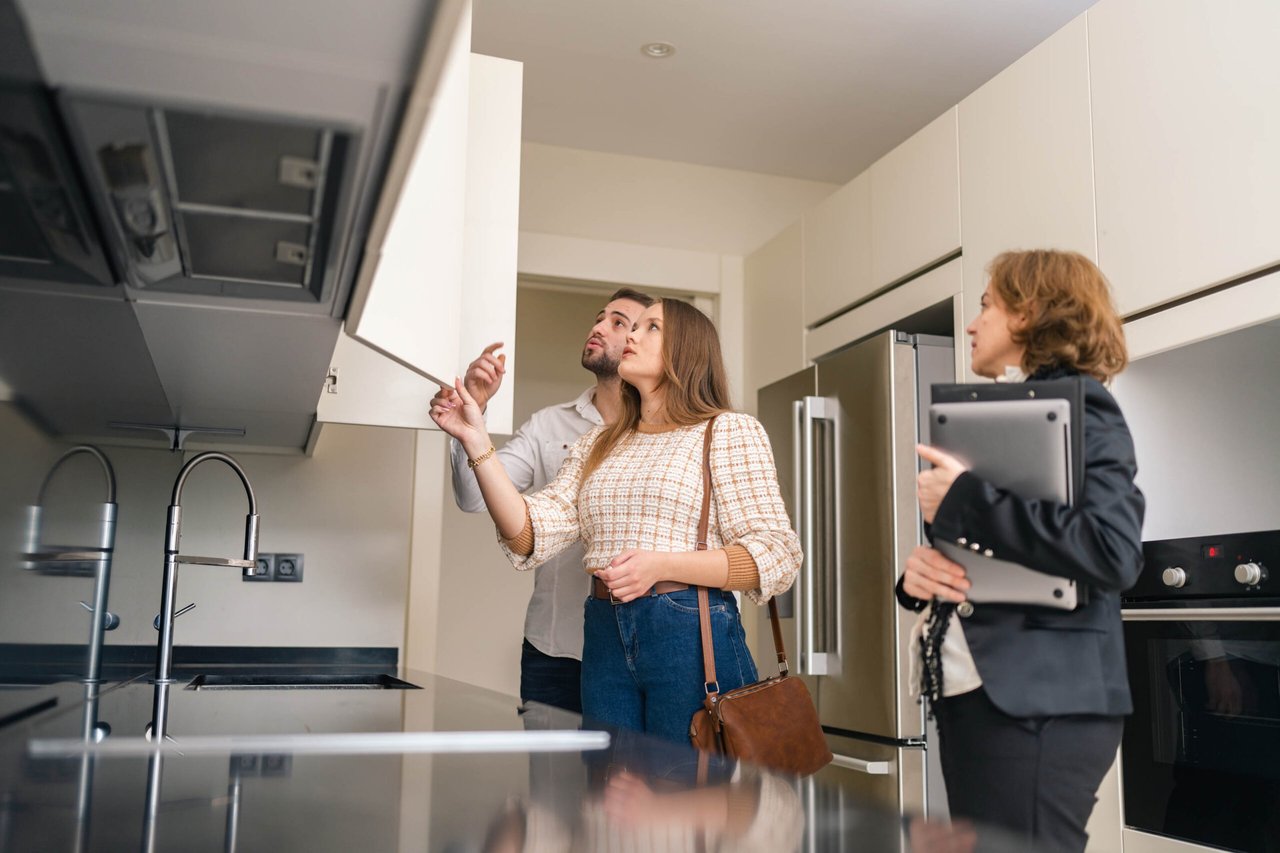
What Separates a Smart Home Purchase From an Emotional One
Every home purchase has emotion in it.
That’s normal—and unavoidable.
The problem isn’t feeling excited, hopeful, or inspired by a home.
The problem is when emotion replaces evaluation instead of complementing it.
The difference between a smart home purchase and an emotional one isn’t about being cold or overly analytical.
It’s about knowing when emotion is guiding you forward—and when it’s quietly pushing you into regret.
Emotion Isn’t the Enemy—Lack of Structure Is
Smart buyers still feel:
-
Excitement
-
Attachment
-
Motivation
But they also have a framework to slow things down.
Emotional buyers tend to:
-
Fall in love quickly
-
Justify concerns instead of addressing them
-
Rush decisions out of fear of missing out
Smart buyers allow emotion—but they anchor it to facts.
Emotional Buyers Focus on How a Home Looks
Emotion-driven decisions often start with appearance.
Buyers say:
-
“I love the kitchen.”
-
“It looks like something from Instagram.”
-
“I can picture hosting here.”
While these reactions are valid, they’re incomplete.
Looks don’t tell you:
-
How the home functions daily
-
Whether the layout supports routines
-
If noise, storage, or maintenance will become issues
A home can be visually perfect and still feel wrong over time.
Smart Buyers Focus on How a Home Lives
Smart buyers mentally test the home.
They ask:
-
Where do we drop bags and shoes?
-
How does morning traffic flow?
-
Where does clutter go?
-
Where can people be quiet when needed?
-
How does this feel on a normal weekday?
They picture daily life—not highlight moments.
That’s the difference.
Emotional Buyers Minimize Red Flags
When emotion takes over, buyers often say:
-
“We can fix that later.”
-
“It’s probably not a big deal.”
-
“Every house has something.”
While that’s true, emotional buyers tend to dismiss:
-
Poor layout flow
-
Noise issues
-
Storage gaps
-
Awkward room proportions
Smart buyers don’t panic about red flags—but they don’t ignore them either.
Smart Buyers Separate Fixable vs. Permanent Issues
This is one of the clearest separators.
Fixable issues:
-
Paint
-
Flooring
-
Fixtures
-
Décor
Hard-to-fix or permanent issues:
-
Location
-
Noise
-
Lot position
-
Layout
-
Privacy
Emotional buyers spend energy imagining cosmetic changes.
Smart buyers focus on what can’t realistically be changed.
Emotional Decisions Are Often Driven by Fear
Common emotional triggers include:
-
Fear of missing out
-
Competition pressure
-
Low inventory anxiety
-
Attachment to one specific house
Fear shortens decision-making time and reduces objectivity.
Smart buyers acknowledge market pressure—but don’t let urgency override evaluation.
Smart Buyers Think Beyond the First Year
Emotional purchases focus on:
-
Move-in excitement
-
Immediate satisfaction
Smart purchases consider:
-
Life changes in 3–5 years
-
Maintenance and upkeep
-
Resale flexibility
-
Whether the home will still feel comfortable later
Homes that age well are rarely the ones chosen purely on emotion.
Smart Buyers Can Explain Why They’re Buying
A useful test:
“If I had to explain this purchase calmly to someone else, could I?”
Smart buyers can clearly articulate:
-
Why the price makes sense
-
Why the layout works
-
Why compromises are acceptable
-
Why the risks are manageable
Emotional buyers rely on:
-
“It just feels right.”
Feeling matters—but clarity protects you.
The Role of a Good Advisor
One of the biggest separators between emotional and smart purchases is guidance.
A good advisor:
-
Slows the process at the right moments
-
Asks uncomfortable but necessary questions
-
Protects the buyer’s long-term interests
-
Doesn’t push decisions based on emotion
Smart decisions feel calm—even when they’re competitive.
Final Thought
Emotion will always be part of buying a home.
That’s not the problem.
The smartest purchases happen when emotion is acknowledged—but not in control.
When excitement and evaluation align, buyers move forward with confidence instead of second-guessing.
A smart home purchase doesn’t just feel good today.
It still feels good years later—and that’s the difference that matters most.
--
Tina Jingru Sui 隋静儒
Associate Broker | Team Leader of TJS Team, Keller Williams
 Serving Metro Atlanta — Johns Creek, Alpharetta, Duluth, Suwanee, Buford, and beyond
 404-375-2120


 WeChat: tinasuirealty
 Follow me on Instagram / 小红书 / WeChat / Facebook