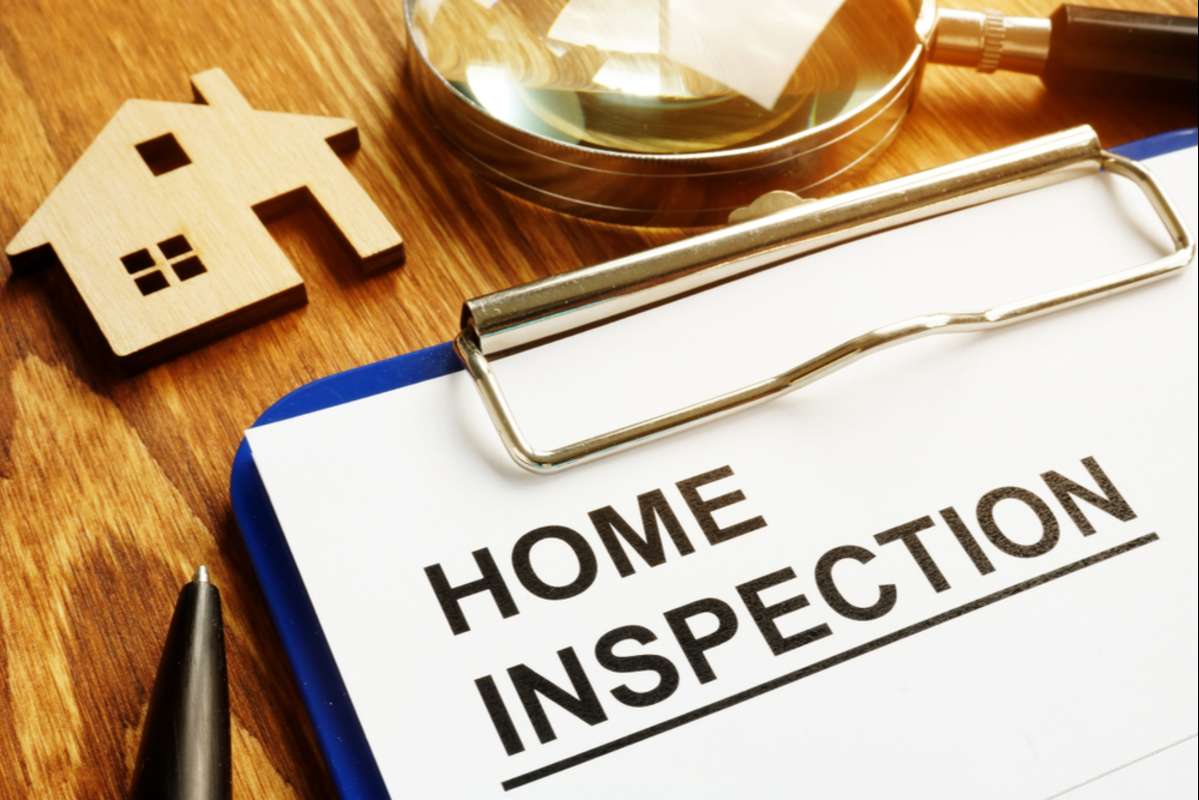
What to Expect During a Home Inspection
A home inspection is one of the most important steps in the home-buying process. It provides a detailed look at the property’s condition and helps buyers make informed decisions before finalizing the purchase.
In markets like Atlanta, where homes can move quickly, understanding what happens during an inspection can help you stay prepared and confident.
What Is a Home Inspection?
A home inspection is a professional evaluation of a property’s physical condition. A licensed inspector examines key components of the home to identify potential issues, safety concerns, and maintenance needs.
It’s typically conducted after your offer is accepted but before closing.
What Inspectors Usually Check
A standard home inspection covers the major systems and structure of the property.
Exterior
- Roof condition and age
- Gutters and drainage
- Foundation and structural integrity
- Siding and exterior walls
Interior
- Walls, ceilings, and floors
- Doors and windows
- Signs of water damage or leaks
Systems
- Electrical system
- Plumbing
- Heating and cooling (HVAC)
Other Areas
- Attic and insulation
- Basement or crawl space
- Appliances (in some cases)
The goal is to provide a comprehensive overview of the home’s condition.
How Long the Inspection Takes
Most home inspections take:
- 2 to 4 hours for an average-sized home
- Longer for larger or older properties
Buyers are usually encouraged to attend so they can ask questions and better understand the findings.
What the Inspection Report Includes
After the inspection, you’ll receive a detailed report that outlines:
- Observed issues and defects
- Safety concerns
- Recommended repairs or maintenance
- Photos for reference
Not every issue is a deal-breaker—many are normal for homes, especially older ones.
Common Issues Found
Even well-maintained homes can have issues.
Typical findings include:
- Minor plumbing leaks
- Aging roofs or HVAC systems
- Electrical updates needed
- Cosmetic wear and tear
The key is understanding which issues are minor and which require serious attention.
What Happens After the Inspection
Once you review the report, you have several options:
- Proceed as planned if issues are minimal
- Request repairs from the seller
- Negotiate the price based on findings
- Walk away if major problems are discovered (depending on your contract)
Your agent can guide you through the best course of action.
Why the Inspection Matters
A home inspection helps you:
- Avoid unexpected repair costs
- Understand the true condition of the home
- Make a confident and informed decision
In areas like Alpharetta and Johns Creek, inspections are especially important due to varying home ages and conditions.
Tips for Buyers
To get the most out of your inspection:
- Attend the inspection if possible
- Ask questions and take notes
- Focus on major issues rather than minor cosmetic flaws
- Review the report carefully with your agent
Being proactive helps you fully understand what you’re buying.
Final Thoughts
A home inspection is not just a formality—it’s a critical step that protects your investment.
By knowing what to expect, you can:
- Approach the process with confidence
- Identify potential risks early
- Make smarter decisions before closing
In markets like Atlanta, where timing is important, being prepared for the inspection process ensures you stay informed without slowing down your purchase.
--
Tina Jingru Sui 隋静儒
Associate Broker | Team Leader of TJS Team, Keller Williams
 Serving Metro Atlanta — Johns Creek, Alpharetta, Duluth, Suwanee, Buford, and beyond
 404-375-2120


 WeChat: tinasuirealty
 Follow me on Instagram / 小红书 / WeChat / Facebook