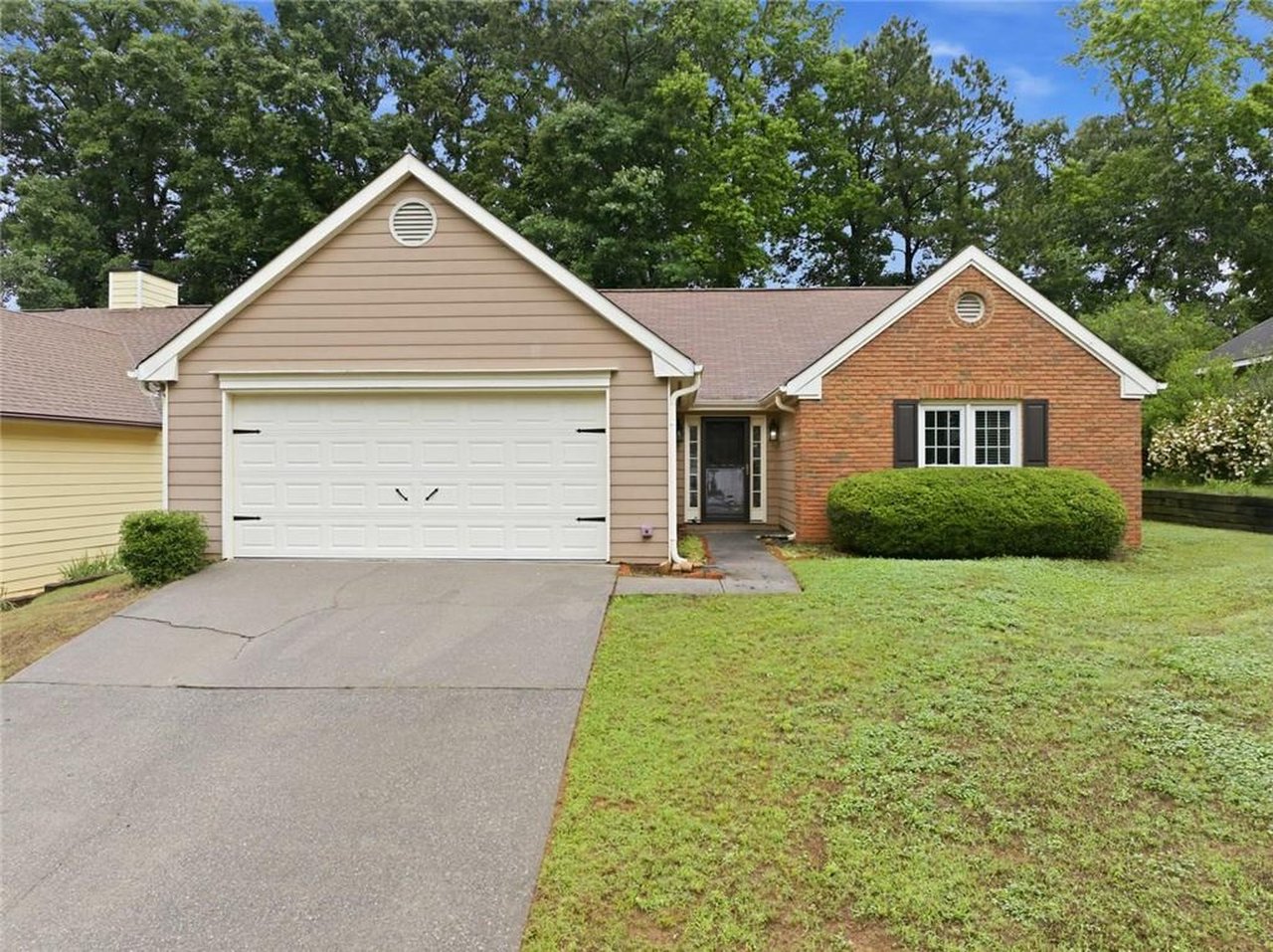
Your neighbor’s renovation does not automatically increase—or decrease—your home’s value. But it can change street appearance, buyer expectations, nearby competition, and eventually the comparable sales available when your property is priced or appraised. The impact depends on what was renovated, how well the work was completed, whether the renovated property actually sells, and how comparable that home is to yours.
What Your Neighbor’s Renovation Could Mean for Your Home’s Value
A renovation next door can affect more than curb appeal. It may influence buyer expectations, future comparable sales, and how your own home competes when it is time to sell.
Your neighbor starts replacing windows.
Then the exterior gets painted.
New landscaping goes in.
A dumpster appears in the driveway.
A few months later, the house looks completely different.
Naturally, you may start wondering:
“Does this make my house worth more?”
Maybe.
But not simply because your neighbor spent money.
A neighboring renovation can affect your property through several different channels:
Curb Appeal + Buyer Expectations + Competition + Comparable Sales + Neighborhood Investment
1. Better Curb Appeal Can Improve the Look of the Entire Block
Buyers do not experience your house in isolation.
Before they ever walk through your front door, they may notice:
- Nearby exterior maintenance.
- Landscaping.
- Driveways.
- Roofs and siding.
- Visible deferred maintenance.
- Street and parking conditions.
If a neighboring property goes from visibly neglected to well maintained, the immediate surroundings may present better to future buyers.
That can support the overall presentation of your property.
But better curb appeal is not the same thing as an automatic dollar-for-dollar increase in market value.
Your neighbor improving the street can help perception.
Market value still depends on your own property and relevant market evidence.
2. Renovated Homes Can Change What Buyers Compare You Against
One renovated home may not change much.
But if several properties in the immediate area begin updating kitchens, bathrooms, flooring, exteriors, and major systems, buyer expectations may gradually change.
Imagine two homes with similar size and layout:
Home A | Home B |
|---|---|
Updated kitchen | Original kitchen |
Home B may still have significant value.
But if buyers can purchase a renovated alternative nearby for a reasonable premium, the original-condition home may need to compete differently on price.
Your neighbor's renovation may not directly raise your value.
It may instead change what buyers expect at your price point.
3. The Bigger Impact May Come When the Renovated Home Sells
Renovation alone does not create a comparable sale.
The transaction becomes more relevant when the renovated home actually sells.
Even then, one sale does not automatically reset the value of every house on the street.
A useful comp should be evaluated for similarities and differences such as:
- Location.
- Property type.
- Above-grade square footage.
- Bedrooms and bathrooms.
- Basement.
- Lot.
- Floor plan.
- Condition.
- Renovation level.
- Sale timing.
One beautifully renovated sale next door does not mean your unrenovated home is suddenly worth the same price.
Condition differences still matter.
Think of the Neighbor's Sale as Evidence—not an Automatic Price Tag
Neighboring Sale | How Useful Might It Be? |
|---|---|
Same model, similar lot, similar size, sold recently | Potentially very useful, with condition adjustments where appropriate |
Much larger home with finished basement and major renovation | May require substantial adjustment before comparison |
Sold several years ago | Less useful in a changing market if newer comparable evidence exists |
Different property type or substantially different location | May have limited usefulness |
4. Renovation Cost Does Not Equal Added Market Value
Suppose your neighbor spends $150,000 renovating.
It does not automatically mean the property is now worth $150,000 more.
Buyers may value some improvements more than others.
The resulting market impact depends on:
- What was improved.
- Quality of workmanship.
- How outdated the property was beforehand.
- Current buyer demand.
- Competing homes.
- Local price range.
- Whether the improvement is broadly useful or highly personalized.
Renovation spending and market value are two different numbers.
5. Quality Matters More Than the Word “Renovated”
Not all renovations are equal.
A home can have new cabinets, new flooring, and fresh paint while still raising questions about the work behind the finishes.
Buyers may pay attention to:
- Workmanship.
- Materials.
- Electrical and plumbing changes.
- Structural modifications.
- Additions.
- Documentation.
- Permits where required by the applicable jurisdiction.
If significant work appears questionable, buyers may seek further information or evaluation rather than automatically paying a renovation premium.
New finishes do not automatically mean high-quality construction.
6. Highly Personal Renovations May Have a Different Market Impact
Some renovations create broadly usable improvements.
Others are designed for one owner's very specific preferences.
Examples might include:
- Highly specialized hobby rooms.
- Very unusual color or material choices.
- Removing a functional bedroom for another purpose.
- Extremely elaborate landscaping.
- Custom features that are expensive but narrowly useful.
A future buyer may love those changes.
Another buyer may calculate the cost to reverse them.
This is why renovation cost alone cannot predict resale value.
7. Your Renovated Neighbor Could Become Your Competition
If you and the renovated neighbor list around the same time, their renovation may matter less as a “comp” and more as a competing choice.
Buyers may compare:
- Price.
- Condition.
- Kitchen and bathrooms.
- Major systems.
- Lot.
- Floor plan.
- Basement.
- Move-in readiness.
If their home is substantially more updated, your strategy may need to reflect that difference.
That does not necessarily mean renovating your entire home.
It might mean competing through:
- Pricing.
- Cleaning.
- Decluttering.
- Targeted repairs.
- Paint.
- Professional presentation.
8. Construction Can Also Create a Temporary Negative
During the renovation itself, the effect may be the opposite.
Depending on the scale of the project, nearby owners may experience:
- Construction noise.
- Contractor vehicles.
- Temporary parking pressure.
- Dust.
- Dumpsters.
- Temporary changes to traffic or access.
Those issues may disappear once construction is complete.
But if you are preparing to list while major work next door is still underway, buyers may notice them during showings.
Separate temporary construction inconvenience from the long-term effect of the completed renovation.
9. One Renovation Is Interesting. A Pattern of Renovation Is More Important.
One homeowner remodeling does not necessarily tell you much about the broader area.
But if you begin seeing:
- Multiple renovations.
- Older homes being purchased and improved.
- New construction replacing older properties.
- More renovated properties selling.
- Changes in commercial or public investment nearby.
then you may be observing a broader change in housing stock and buyer competition.
That still does not guarantee appreciation.
But it is worth monitoring alongside actual market data.
Look for Patterns in the Numbers
Watch | Why It Matters |
|---|---|
Renovated Closed Sales | Shows what buyers actually paid |
Original-Condition Closed Sales | Helps estimate the condition premium buyers may be paying |
Days on Market | Provides context on buyer response |
Price Reductions | Shows where asking prices may have exceeded market response |
Active Renovated Listings | Shows the competition your home may face today |
10. Should You Renovate Just Because Your Neighbor Did?
Not necessarily.
This is one of the easiest mistakes homeowners can make.
Your neighbor installs a $70,000 kitchen, so you feel like you need one too.
But before spending money, ask:
☐ Am I renovating for my own use or specifically for resale?
☐ What are renovated homes actually selling for?
☐ What are original-condition homes selling for?
☐ What is the likely renovation cost?
☐ Can smaller updates improve marketability without a full remodel?
☐ Am I at risk of over-improving relative to relevant comps?
☐ Would selling in current condition make more financial sense?
Your neighbor's renovation is market information.
It is not automatically your renovation plan.
If You're Thinking About Selling, Here's What to Do
If a nearby property has recently been renovated, do not guess what it means for your value.
Track what happens next.
Once the property is listed or sold, compare:
- List price.
- Final sale price.
- Days on market.
- Price reductions.
- Seller concessions when available.
- Square footage.
- Lot.
- Basement.
- Condition.
- Renovation level.
Then compare that sale with several other relevant properties rather than relying on one neighbor alone.
Neighbor Renovation Checklist
☐ What exactly was renovated?
☐ Was it cosmetic or structural?
☐ Does the workmanship appear professional?
☐ Were permits required for material work?
☐ Is the house actually comparable to mine?
☐ Has it sold yet?
☐ How long did it take to sell?
☐ How does its final price compare with unrenovated homes?
☐ Are multiple homes nearby renovating, or is this isolated?
☐ Would renovating my own home actually improve my expected net proceeds?
Frequently Asked Questions
Does my neighbor renovating automatically increase my home's value?
No. Better neighboring property condition can improve street presentation, but your home's market value still depends on its own size, condition, features, location, lot, and relevant comparable sales.
If my renovated neighbor sells for more, is my house worth more too?
The sale may become useful market evidence if the properties are sufficiently comparable, but differences in renovation, size, basement, lot, floor plan, systems, and other characteristics may require adjustment. One sale does not automatically establish your home's value.
Should I renovate before selling because nearby homes are updated?
Not automatically. Compare the likely cost of renovation with the actual price difference between similar renovated and unrenovated homes. In some cases, cleaning, paint, repairs, landscaping, and strategic presentation may make more financial sense than a major remodel.
Does renovation cost equal added home value?
No. The amount spent on an improvement does not automatically translate dollar-for-dollar into market value. Buyer preferences, workmanship, local comparable sales, condition, and market conditions all matter.
Can poor renovation work hurt a property's value?
Questionable workmanship, incomplete work, unresolved defects, or concerns about significant alterations can affect buyer confidence and negotiations. Appropriate inspections or specialist evaluations may be warranted depending on the circumstances.
Do renovations need permits?
Permit requirements depend on the type of work and the applicable city or county jurisdiction. Significant structural, electrical, plumbing, mechanical, or addition work may require permits, but requirements should be verified with the appropriate local authority for the specific property.
Neighbor Renovation
can influence:
Street Appeal + Buyer Expectations + Competition + Future Comps
But it does not automatically equal:
Higher Value for Every Nearby Home
Final Thoughts
Your neighbor's renovation can matter.
But often not in the simple way homeowners expect.
The completed project may improve the look of the immediate area.
It may raise buyer expectations.
It may become your competition.
And if the property eventually sells, it may become relevant evidence when your own home is analyzed.
The real impact depends on:
Renovation Type + Workmanship + Property Similarity + Sale Price + Market Conditions + Broader Neighborhood Trends
Don't renovate simply because your neighbor did.
Watch what buyers actually pay for the renovated property, compare it with other relevant sales, and then decide whether improving—or simply repositioning—your own home makes financial sense.
A Renovated Home Just Sold Near You?
We can compare that sale with your property and other recent comps, separate the renovation premium from differences in size, lot, basement, condition, and floor plan, and evaluate whether your home would benefit more from renovation, targeted preparation, or simply the right pricing and marketing strategy.
Tina Jingru Sui | TJS Team
About Tina Jingru Sui
Tina Jingru Sui is the founder and leader of the TJS Team, serving buyers, sellers, investors, and relocation clients throughout Metro Atlanta.
Tina and her team serve communities including Johns Creek, Alpharetta, Suwanee, Duluth, Buford, Dacula, Marietta, Roswell, Sandy Springs, Smyrna, Lawrenceville, and surrounding Metro Atlanta areas.
Keller Williams Atlanta Partners · (404) 375-2120
This article is provided for general informational and educational purposes only and does not constitute legal, tax, financial, appraisal, investment, construction, engineering, inspection, zoning, permitting, or other professional advice. A neighboring renovation does not automatically increase or decrease the market value of another property. Renovation cost does not equal market value dollar-for-dollar, and future appreciation, resale value, buyer demand, days on market, or sale price cannot be guaranteed. Comparable-sale analysis requires consideration of property-specific similarities and differences, including location, size, condition, lot, floor plan, basement, improvements, and sale timing. Permit requirements vary by work performed and jurisdiction and should be verified with the applicable city or county. Visible conditions or renovation quality alone may not establish whether work is defective or code-compliant. Sellers and buyers should independently verify material property information and consult an appraiser, home inspector, contractor, engineer, attorney, permitting authority, or other qualified professional when appropriate. Neighborhood analysis should rely on objective property, market, infrastructure, and location factors and not protected characteristics. Equal Housing Opportunity. Tina Jingru Sui, GA License #392936, REALTOR®, affiliated with Keller Williams Atlanta Partners and regulated by the Georgia Real Estate Commission.