Why Fixing a Home Is Harder Than Fixing the Price
When shopping for a home, buyers often focus on price. They assume a lower cost can offset other imperfections. While negotiating a price is a one-time event with clear numbers, fixing a home is a long-term investment of time, energy, and money—often far more complex than anticipated.
1. The Hidden Costs of Repairs
Even seemingly minor issues can quickly escalate:
-
Cosmetic flaws like paint, flooring, or cabinetry are often manageable.
-
Structural problems, outdated electrical systems, or plumbing issues require professional help and significant expenses.
-
Roofs, HVAC systems, or foundation repairs can cost tens of thousands and disrupt daily life.
A discounted price may seem like a bargain, but unexpected repair costs can easily surpass initial savings.
2. Time and Effort Matter
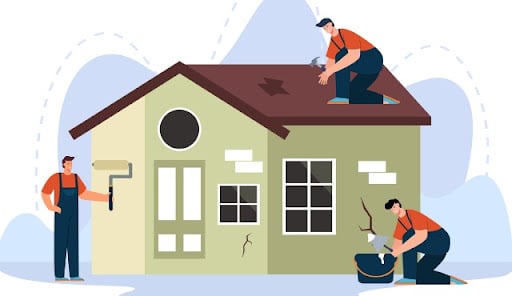
Fixing a home isn’t just about money—it’s about time. Renovations, repairs, and updates take weeks or months, often overlapping with your daily routines. Even small upgrades require planning, sourcing materials, hiring contractors, and overseeing the work.
The emotional toll of coordinating repairs and living amidst construction can be significant, something a lower purchase price cannot compensate for.
3. Not Everything Can Be Fixed Easily
Some issues are more than cosmetic—they affect daily living in ways that aren’t easy to change:
-
Awkward room layouts can’t always be reconfigured without major construction.
-
Poor natural lighting or ventilation may require costly structural changes.
-
Noise issues from neighbors or nearby roads are rarely fixable.
A home that looks perfect on paper may still have limitations that are hard, expensive, or impossible to address.
4. Resale and Long-Term Value
Fixing a home can improve resale value, but not all renovations provide a strong return on investment. Buyers often underestimate:
-
Which repairs actually increase home value
-
Which are purely personal upgrades that may not appeal to future buyers
Sometimes, a lower-priced “fixer” ends up being a long-term financial and emotional burden.
5. How to Balance Price vs. Livability
-
Prioritize functional issues: Structural, systems, and layout over cosmetic fixes.
-
Estimate realistic costs: Get professional inspections and repair estimates before buying.
-
Consider your lifestyle: Living in a repair-heavy home can be stressful.
-
Weigh long-term value: Sometimes paying more upfront for a move-in-ready home saves time, stress, and money.
Final Thoughts
A lower price can be tempting, but a home that requires extensive fixing is often harder to manage than a slightly higher purchase price. True value comes from a home that works for you day-to-day, minimizes stress, and fits your lifestyle. The smartest purchases combine price, functionality, and comfort—not just numbers on a listing.
--
Tina Jingru Sui 隋静儒
Associate Broker | Team Leader of TJS Team, Keller Williams
 Serving Metro Atlanta — Johns Creek, Alpharetta, Duluth, Suwanee, Buford, and beyond
 404-375-2120


 WeChat: tinasuirealty
 Follow me on Instagram / 小红书 / WeChat / Facebook