Why Livability Is the Key to Long-Term Home Satisfaction
When people search for a home, it’s easy to focus on the obvious factors: square footage, number of bedrooms, modern finishes, or a beautiful kitchen. While these features certainly matter, they don’t always determine whether a home will feel comfortable after months or years of living in it.
What truly shapes long-term happiness in a home is something less obvious but far more important: livability.
Livability refers to how well a home supports everyday life. It’s about how spaces function, how comfortable they feel, and how naturally the home fits into daily routines.
1. A Home That Works With Your Daily Routine
A highly livable home makes everyday activities easier. The layout supports natural movement between spaces, allowing daily routines to flow smoothly.
For example, a kitchen that connects easily to the dining and living areas allows families to cook, eat, and spend time together without feeling separated. Similarly, a practical entryway or mudroom can help keep the rest of the home organized.
These small design decisions may seem minor during a home tour, but they make a significant difference once the home becomes part of daily life.
2. Comfort Beyond Aesthetics
Beautiful design can attract buyers, but comfort is what keeps homeowners satisfied over time.
Livability often comes from features like:
-
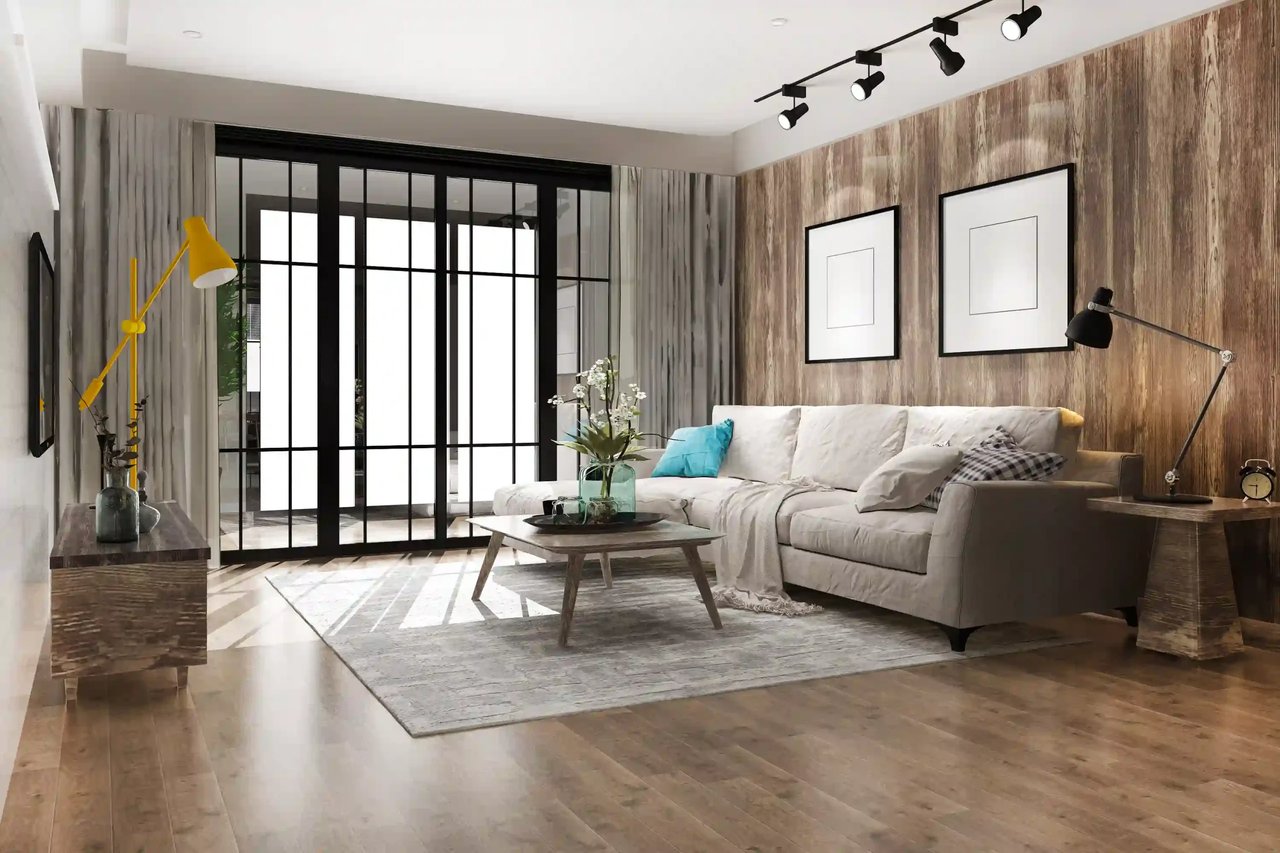
Good natural lighting
-
Proper ventilation and airflow
-
Quiet, private bedrooms
-
Functional storage space
A home that feels bright, calm, and organized tends to create a more relaxing environment. Over time, these qualities matter much more than decorative trends.
3. Spaces That Adapt to Life Changes
Life rarely stays the same. Families grow, work situations change, and lifestyle needs evolve. Homes with strong livability tend to have flexible spaces that can adapt to these changes.
A spare bedroom might become a home office, a playroom, or a guest room. An open living space might support gatherings today and quiet evenings tomorrow.
Homes that offer this kind of flexibility often remain comfortable and practical for many years.
4. Neighborhood and Accessibility Matter
Livability isn’t just about the home itself. The surrounding environment plays an important role as well.
A home’s long-term satisfaction is influenced by factors such as:
-
Proximity to schools, work, or daily services
-
Safe and walkable surroundings
-
Access to parks, shops, or community spaces
Even the most beautiful home can feel inconvenient if daily errands or commutes become difficult.
5. Livable Homes Hold Their Value Better
From a real estate perspective, homes with strong livability often remain attractive to future buyers. Functional layouts, comfortable living spaces, and practical locations tend to appeal to a wider range of people.
Because of this, homes designed for everyday living—not just visual impact—often maintain stronger long-term value.
Final Thoughts
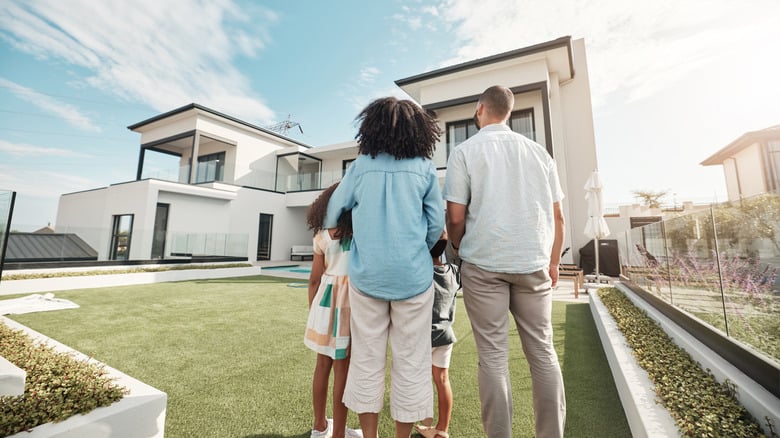
A home should be more than a place that looks good in photos. It should be a place that supports real life every day.
Livability combines comfort, functionality, flexibility, and location. When these elements work together, a house becomes a home where people can truly relax and build lasting memories.
In the long run, the homes that bring the most satisfaction are not always the largest or the most luxurious. They are the ones that simply make life easier, calmer, and more enjoyable every single day.
--
Tina Jingru Sui 隋静儒
Associate Broker | Team Leader of TJS Team, Keller Williams
 Serving Metro Atlanta — Johns Creek, Alpharetta, Duluth, Suwanee, Buford, and beyond
 404-375-2120


 WeChat: tinasuirealty
 Follow me on Instagram / 小红书 / WeChat / Facebook