Why Some Homes Age Gracefully — And Others Date Quickly
Have you ever noticed how some homes still feel relevant 15 or 20 years later — while others feel outdated within five?
It’s rarely about price.
It’s rarely about square footage.
And it’s not always about quality.
The difference usually comes down to one thing:
Timeless fundamentals versus trend-driven decisions.
Understanding this distinction can protect both your long-term happiness and your resale value.
1. Timeless Design Prioritizes Proportion Over Trend
Homes that age gracefully tend to focus on balance.
They feature:
-
Well-proportioned rooms
-
Consistent architectural lines
-
Symmetrical window placement
-
Clean transitions between spaces
Homes that date quickly often lean heavily on trend cycles:
-
Extreme color palettes
-
Overly bold tile patterns
-
Highly stylized cabinetry
-
Dramatic lighting choices
Trends attract attention.
Proportion sustains appeal.
2. Neutral Foundations Allow Adaptability
A home that ages well typically has:
-
Neutral base finishes
-
Simple, clean materials
-
Classic flooring choices
-
Flexible wall colors
These foundations allow future owners to update easily.
Homes that rely on hyper-specific design themes become difficult to refresh without major renovation.
Flexibility equals longevity.
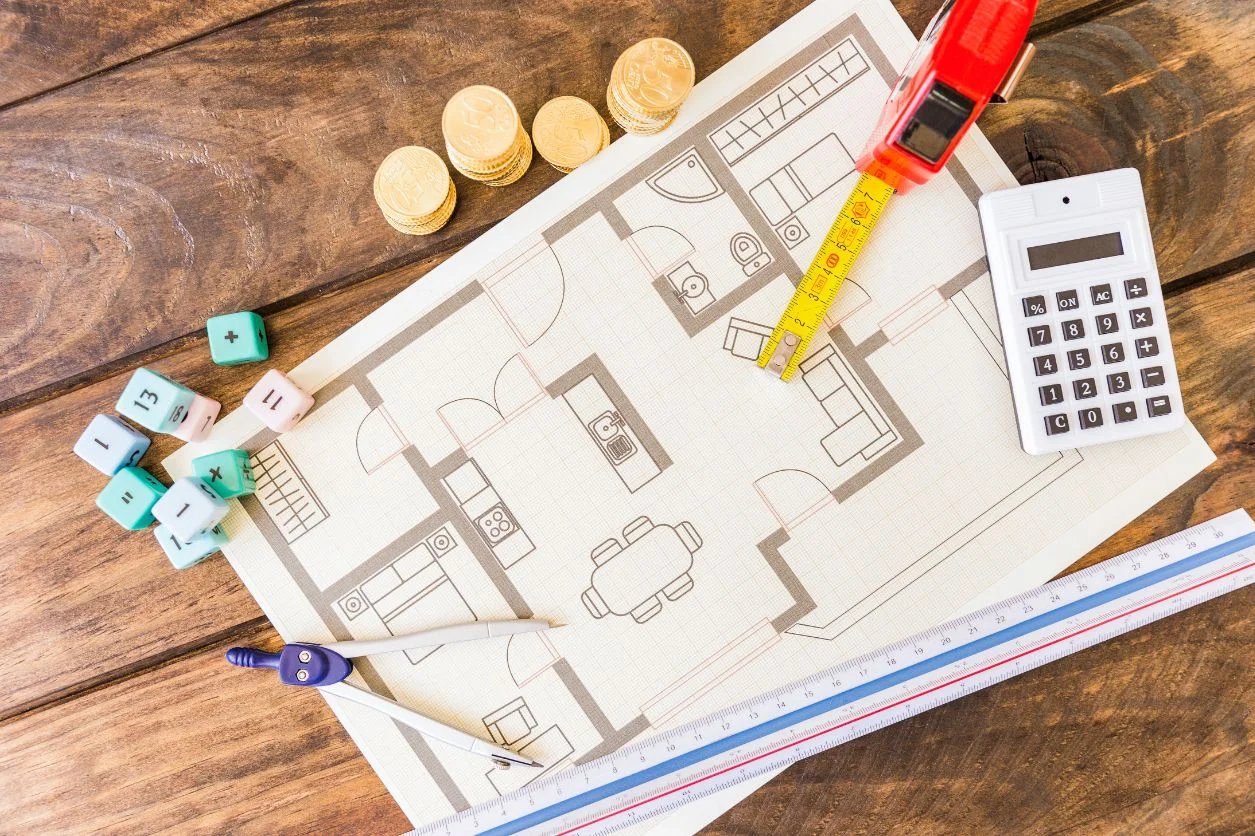
3. Layout Durability Outlasts Cosmetic Style
Floor plans matter more than finishes.
A home with:
-
Logical traffic flow
-
Balanced public and private spaces
-
Adequate storage
-
Flexible room usage
will continue to feel practical even as trends shift.
But a home with awkward layout — even if beautifully renovated — may feel outdated once the design excitement fades.
Layout is structural.
Structure ages slower than style.
4. Natural Light Never Goes Out of Style
Design preferences change.
Light does not.
Homes that age gracefully usually feature:
-
Consistent natural light
-
Thoughtful window placement
-
Open sight lines
-
Bright yet balanced interiors
Dark homes often feel dated faster, even if recently renovated.
Light enhances perception.
Perception influences value.
5. Materials Matter More Than Flash
Durable materials hold up physically and aesthetically.
Examples of materials that age well:
-
Hardwood flooring
-
Neutral stone
-
Quality cabinetry
-
Solid doors
Homes built around short-lived material trends often require more frequent updates.
When materials wear poorly, visual aging accelerates.
Durability slows visual fatigue.
6. Moderate Design Ages Better Than Extremes
Extremes create strong initial reactions.
But over time, extremes narrow appeal.
Homes that age gracefully usually avoid:
-
Ultra-minimalist coldness
-
Overly ornate detailing
-
Highly industrial or hyper-modern finishes
-
Aggressive design themes
Balanced design attracts a broader audience — across time.
Broad appeal supports long-term resale strength.
7. Over-Customization Accelerates Dating
When homeowners remodel solely for personal taste, they sometimes unintentionally reduce future flexibility.
Examples include:
-
Removing functional rooms for niche uses
-
Custom built-ins that limit furniture placement
-
Thematic renovations tied to a specific era
Customization feels exciting now.
But resale requires adaptability.
Homes that adapt age slower in the market.
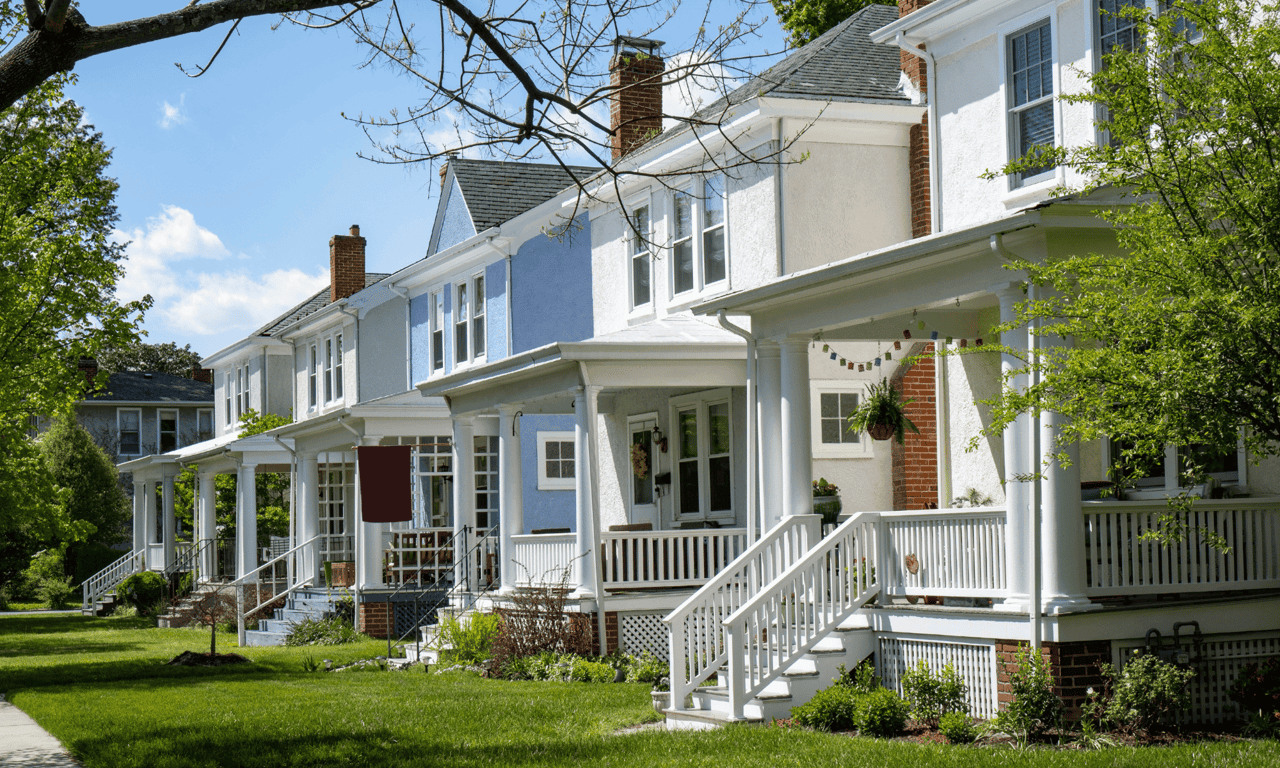
8. Neighborhood Context Influences Aging
Homes do not exist in isolation.
If a property:
-
Significantly over-improves beyond neighborhood standards
-
Deviates sharply from surrounding architectural styles
-
Pushes pricing boundaries too far
It may age less gracefully in market perception.
Harmony with neighborhood fundamentals supports longevity.
9. Emotional Calm Versus Emotional Shock
Homes that age gracefully often feel:
-
Calm
-
Balanced
-
Comfortable
Homes that date quickly often feel:
-
Dramatic
-
Intense
-
Over-stimulating
Shock value fades.
Comfort compounds.
10. Resale Value Follows Timeless Appeal
Buyers in every market cycle gravitate toward homes that:
-
Feel adaptable
-
Require minimal explanation
-
Offer functional space
-
Present neutral foundations
Timeless homes photograph well.
They show well.
They appraise consistently.
They attract broader demand.
That demand protects equity.
Final Thought
The goal of buying a home isn’t to impress for a moment.
It’s to choose something that will:
-
Support your life
-
Remain relevant over time
-
Adapt as needs change
-
Appeal to future buyers
Trends come and go.
But function, balance, proportion, and light — those endure.
Homes that prioritize fundamentals age gracefully.
Homes that chase flash often age quickly.
And in real estate, longevity is one of the strongest forms of value.
--
Tina Jingru Sui 隋静儒
Associate Broker | Team Leader of TJS Team, Keller Williams
 Serving Metro Atlanta — Johns Creek, Alpharetta, Duluth, Suwanee, Buford, and beyond
 404-375-2120


 WeChat: tinasuirealty
 Follow me on Instagram / 小红书 / WeChat / Facebook