Why Some Homes Feel Smaller After You Move In — And How to Avoid That
It’s a common scenario: a home looks spacious online or during a showing, but after moving in, it suddenly feels cramped. This phenomenon can frustrate buyers and make a property feel less enjoyable than expected. Understanding why this happens—and how to prevent it—can save time, stress, and even money.
1. The Illusion of Space During Showings
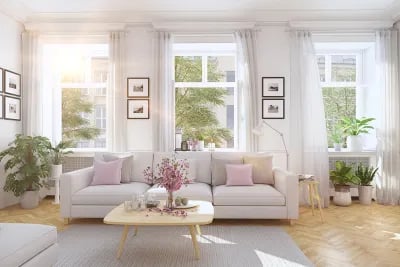
Homes are often staged to look larger than they really are. Professional staging uses carefully arranged furniture, mirrors, and lighting to maximize perceived space. Even empty homes can look bigger than they will feel once your own furniture, belongings, and personal touches are in place.
Additionally, open floor plans can give the impression of expansiveness. Without walls, a space feels free-flowing—but personal storage, seating, and day-to-day clutter can quickly make it feel smaller.
2. Storage and Organization
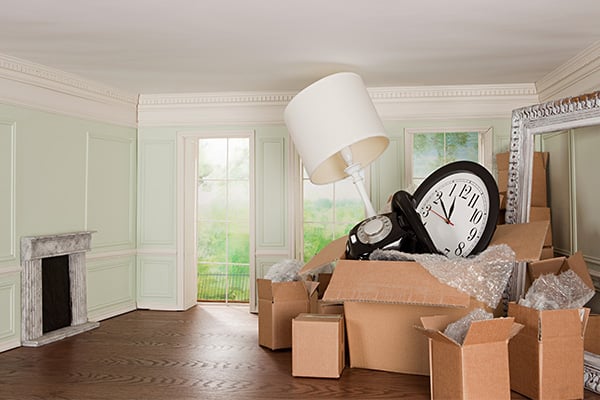
One of the biggest reasons homes feel cramped is insufficient storage. Closets, cabinets, and pantry space often appear adequate during a quick showing, but real life demands more. When personal items are unpacked, rooms can feel crowded.
Tip: When touring homes, always assess storage realistically. Consider your wardrobe, kitchen equipment, and hobbies—then imagine how it all fits.
3. Layout and Flow
Even if square footage is sufficient, inefficient layouts can make a home feel smaller. Long hallways, oddly shaped rooms, or spaces with poor traffic flow reduce usability. A home that seems roomy during a tour may feel restrictive once furniture and daily routines are in place.
4. Ceiling Height and Light
Low ceilings, poor lighting, or limited windows can shrink the perception of space. Natural light and vertical openness create a feeling of airiness, while dark, low, or crowded spaces feel smaller. Homes with higher ceilings, larger windows, or well-lit rooms tend to maintain a sense of spaciousness over time.
5. Outdoor Space and Extensions
Sometimes, usable outdoor space makes a home feel larger. A home with decks, patios, or backyards that flow naturally from the living space can compensate for smaller interiors. Conversely, homes lacking functional outdoor areas can feel more confined than the square footage suggests.
How to Avoid Feeling Cramped
-
Visit at different times of day: Light changes can affect perceived space.
-
Bring your furniture dimensions: Visualize how your belongings fit.
-
Assess storage realistically: Closets, cabinets, and garage space matter.
-
Consider layout efficiency: Ask yourself if rooms will support your daily routines.
-
Check ceiling height and windows: Natural light and openness are key.
Final Thoughts
Feeling cramped after moving in isn’t always about the home’s size—it’s about how space works for your lifestyle. By evaluating storage, layout, light, and flow before buying, you can avoid unpleasant surprises and choose a home that feels as spacious and comfortable as it looks.
--
Tina Jingru Sui 隋静儒
Associate Broker | Team Leader of TJS Team, Keller Williams
 Serving Metro Atlanta — Johns Creek, Alpharetta, Duluth, Suwanee, Buford, and beyond
 404-375-2120


 WeChat: tinasuirealty
 Follow me on Instagram / 小红书 / WeChat / Facebook