Why Stable Neighborhoods Outperform Trendy Ones Over Time
In real estate, certain neighborhoods suddenly become the center of attention. New restaurants open, developers start building, social media buzz grows, and buyers rush in hoping to catch the next “hot” area before prices rise.
These neighborhoods are often described as trendy or up-and-coming.
While some of these areas do eventually become long-term success stories, many experience short bursts of popularity followed by periods of stagnation or volatility.
Meanwhile, quieter and more established communities—often overlooked by the hype—tend to produce more consistent and reliable property value growth over time.
Understanding the difference between trendy neighborhoods and stable ones can help buyers make smarter long-term decisions.
The Nature of Trendy Neighborhoods
Trendy neighborhoods usually emerge when several factors suddenly align:
-
New restaurants, cafes, and entertainment venues
-
Influx of young professionals
-
Renovated older housing stock
-
Media and social media attention
-
Investor activity
This combination creates excitement and often drives rapid price growth.
However, the same forces that push prices upward can also introduce volatility.
Many trendy neighborhoods rely heavily on investor interest or short-term demand rather than deep, long-term residential stability.
When the excitement slows or economic conditions change, these markets can cool quickly.
What Defines a Stable Neighborhood?
Stable neighborhoods typically grow more gradually and quietly.
Instead of rapid speculation, their demand is driven by long-term residential needs such as:
-
Access to employment centers
-
Reliable school districts
-
Established infrastructure
-
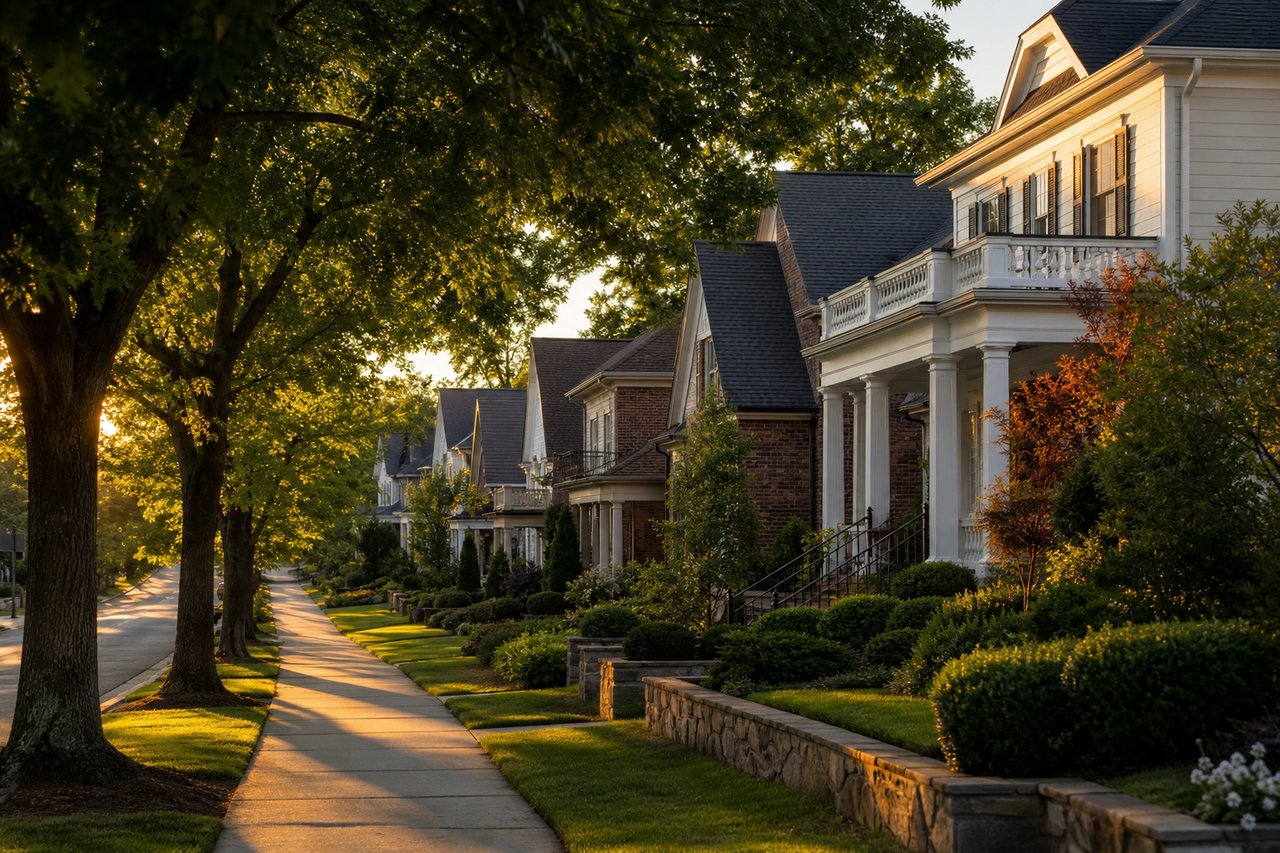
Safe, well-maintained communities
-
Balanced housing supply
Communities such as Marietta and Woodstock illustrate how steady residential demand can support property values over decades.
These areas attract homeowners who plan to stay long term rather than investors chasing quick gains.
That difference often creates stronger stability.
Demand Driven by Real Life, Not Hype
Stable neighborhoods tend to attract buyers based on everyday living needs.
Families choose these areas because they offer:
-
Good schools
-
Quiet residential streets
-
Parks and recreational spaces
-
Convenient commuting options
These practical factors create consistent demand regardless of market trends.
Trendy neighborhoods, on the other hand, may initially attract buyers because they feel exciting or fashionable at the moment.
But lifestyle trends can change quickly.
When trends shift, demand may weaken.
Stability Reduces Price Volatility
One of the biggest advantages of stable neighborhoods is lower price volatility.
Because demand comes from long-term homeowners rather than speculative buyers, price growth tends to be:
-
More gradual
-
Less influenced by sudden hype
-
More resilient during market slowdowns
During economic downturns or housing market corrections, stable neighborhoods often maintain stronger pricing because their demand base remains intact.
Buyers still need places to live near work, schools, and essential services.
Community Investment Builds Long-Term Value
Another factor that supports stable neighborhoods is long-term community investment.
When residents stay in their homes for extended periods, they often invest in:
-
Property maintenance and improvements
-
Local schools and community programs
-
Neighborhood safety and infrastructure
This creates a positive feedback loop.
Well-maintained neighborhoods attract new buyers who value stability and quality of life, further strengthening property values.
Limited Supply Supports Price Stability
Many stable neighborhoods are already fully developed or have limited land available for new construction.
This creates natural supply constraints.
When supply is limited and demand remains steady, prices tend to grow more predictably over time.
Trendy neighborhoods, by contrast, sometimes experience large waves of new development as investors attempt to capitalize on demand.
Excess supply can eventually slow price growth.
Livability Outlasts Trends
Housing demand ultimately revolves around daily life.
Features that support everyday living—functional homes, safe streets, access to schools and parks—remain valuable regardless of changing design trends or cultural shifts.
Trendy neighborhoods may offer exciting nightlife or new entertainment options, but these features alone do not always create long-term residential demand.
Livability does.
Homes located in neighborhoods that support comfortable daily life tend to retain value through different market cycles.
The Long-Term Investor Perspective
Experienced real estate investors often prefer stable neighborhoods for a simple reason: predictability.
Predictable demand leads to:
-
More stable property values
-
Lower vacancy rates for rentals
-
Easier resale in slower markets
While trendy neighborhoods may offer higher short-term appreciation potential, they often carry greater risk.
Stable neighborhoods typically deliver steady, sustainable performance over time.
Final Thoughts
Trendy neighborhoods can be exciting. They generate buzz, attract attention, and sometimes produce rapid price growth.
But excitement does not always translate into long-term stability.
Neighborhoods built on strong fundamentals—employment access, schools, infrastructure, and livability—tend to outperform over time because their demand is rooted in everyday life rather than temporary trends.
Stable neighborhoods offer:
-
Consistent buyer demand
-
Lower price volatility
-
Stronger long-term livability
-
Sustainable property appreciation
In real estate, the quiet neighborhoods that grow steadily often prove more valuable than the ones that rise quickly.
--
Tina Jingru Sui 隋静儒
Associate Broker | Team Leader of TJS Team, Keller Williams
 Serving Metro Atlanta — Johns Creek, Alpharetta, Duluth, Suwanee, Buford, and beyond
 404-375-2120


 WeChat: tinasuirealty
 Follow me on Instagram / 小红书 / WeChat / Facebook