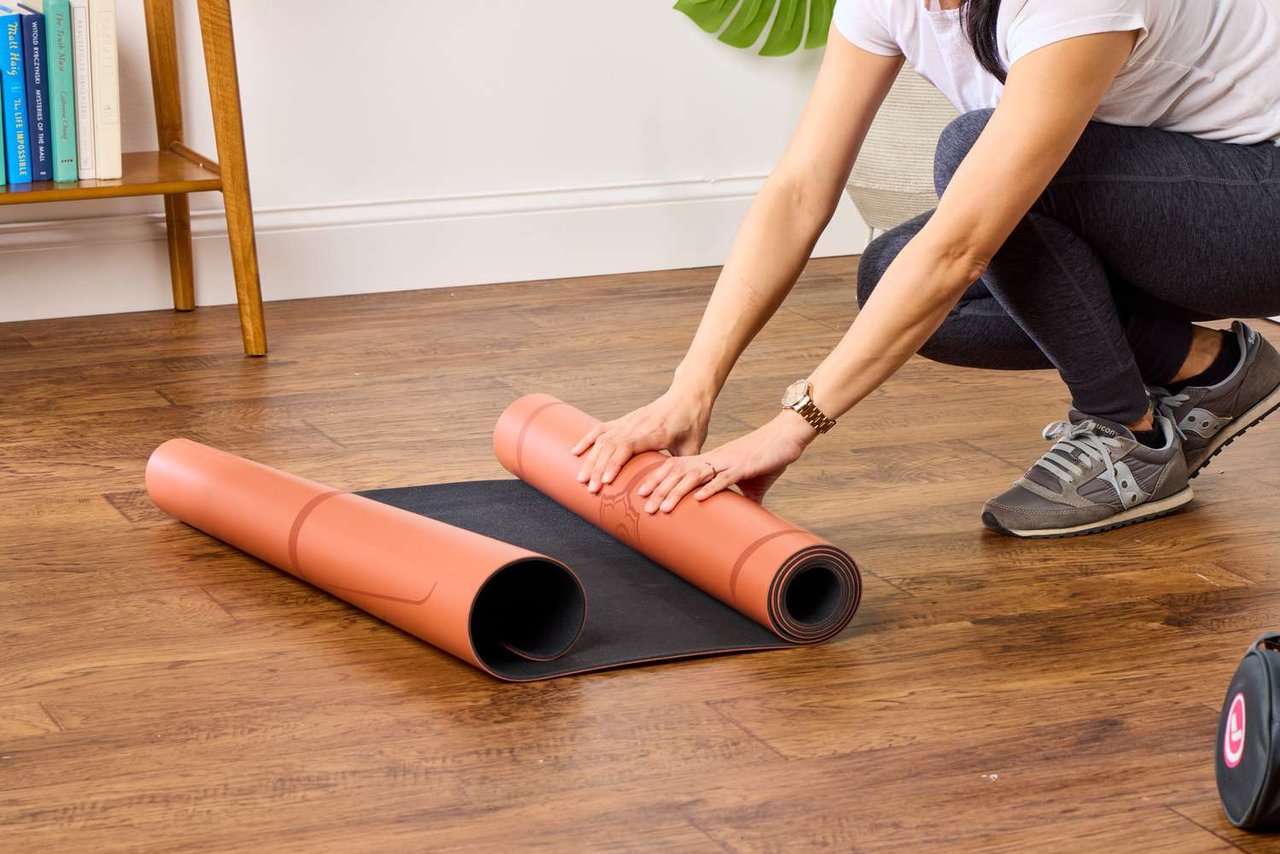
Affordable yoga mats offer comfort and stability without breaking the bank. Discover top picks and essential buying tips to find the perfect mat for your practice.
Engaging Introduction
Yoga offers a sanctuary of peace and health, and the right mat can transform your practice. With the surge in home workouts and outdoor sessions, finding an affordable yoga mat that meets your needs is crucial. As more brands enter the market, how do you navigate this sea of options to find a quality mat that supports your journey? Let's dive into the best affordable yoga mats and what you should consider before making a purchase.
Understanding Yoga Mat Materials
Choosing the right material is fundamental to your yoga experience. Here's what you need to know:
PVC Mats
PVC (polyvinyl chloride) is one of the most common materials used in yoga mats. Known for its durability and stickiness, PVC mats are ideal if you need a strong grip for those challenging poses. However, they can be less eco-friendly, so it's essential to consider sustainable alternatives if environmental impact is a concern for you.
TPE Mats
Thermoplastic Elastomer (TPE) mats offer an eco-friendlier option compared to PVC. These mats are lightweight, easy to clean, and provide excellent cushioning. TPE is often biodegradable, making it a popular choice for the environmentally conscious yogi.
Natural Rubber Mats
If sustainability is a top priority, natural rubber mats might be your go-to. They provide superb cushioning and grip while being biodegradable. However, they can be heavier and more expensive than PVC or TPE, so weigh the pros and cons based on your practice and budget.
Cotton and Jute Mats
These mats are perfect for those who prefer a more natural feel. While they may not offer the same level of cushioning as rubber or PVC, they are highly breathable and can be a great choice for hot yoga sessions.
Key Features to Consider
When selecting an affordable yoga mat, focus on features that enhance your practice:
Thickness and Cushioning
Yoga mats range from 1/16 inch to 1/4 inch in thickness. If you need more cushioning for your joints, opt for a thicker mat. However, if balance is your priority, a thinner mat might be more suitable. Consider your specific needs, such as any joint issues or the type of yoga you practice.
Texture
The texture of your mat affects your grip and stability. Smooth mats provide a soft feel but can be slippery when wet. Textured mats, on the other hand, offer better grip and are ideal for vigorous practices. Test different textures to find what feels right for you.
Size
Standard yoga mats measure around 68 inches long and 24 inches wide. If you are taller or prefer more space, look for longer or wider mats. This ensures comfort during practice without feeling restricted.
Portability
If you frequently travel or attend classes, a lightweight and portable mat is essential. Look for mats that come with carrying straps or bags for added convenience.
Top Affordable Yoga Mats
Here are some top picks that combine quality with affordability:
Gaiam Essentials Thick Yoga Mat
- Material: PVC
- Features: 1/4 inch thick for extra cushioning, comes with a carrying strap
- Price Range: Budget-friendly
The Gaiam Essentials Thick Yoga Mat offers comfort and durability, making it a great choice for beginners and seasoned practitioners alike.
BalanceFrom GoYoga Mat
- Material: High-density foam
- Features: Double-sided non-slip surface, moisture-resistant
- Price Range: Economical
This mat's high-density foam provides excellent support, while its non-slip surface ensures stability during your practice.
Heathyoga Eco-Friendly Non-Slip Yoga Mat
- Material: TPE
- Features: Body alignment lines, extra-large size
- Price Range: Mid-range
Heathyoga's mat is perfect for those who value eco-friendly materials and need a little guidance with alignment during poses.
Aurorae Classic Thick Yoga Mat
- Material: PER (Polymer Environmental Resin)
- Features: 1/4 inch thick, comes in various colors
- Price Range: Affordable
Aurorae's mat combines eco-conscious materials with a comfortable thickness, providing a solid foundation for any practice.
How to Care for Your Yoga Mat
Proper care extends the life of your mat and keeps it hygienic:
Regular Cleaning
Wipe down your mat after each use with a damp cloth or a mat-specific cleaner. This removes sweat and bacteria, preventing odor and wear.
Deep Cleaning
Once a month, give your mat a deep clean. Soak it in warm water with a mild detergent, rinse thoroughly, and hang it to dry. Avoid direct sunlight to prevent fading and material breakdown.
Storage
Store your mat rolled up in a cool, dry place. Avoid leaving it in your car or exposed to heat, which can cause material degradation.
FAQ Section
What is the best thickness for a yoga mat?
The best thickness depends on your personal needs. Thicker mats (1/4 inch) offer more cushioning for joints, while thinner mats (1/16 inch) provide better stability for balance-focused practices.
How often should I replace my yoga mat?
Replace your yoga mat every 1-2 years, depending on frequency of use and visible wear. Signs like tears, loss of grip, or odor indicate it might be time for a new mat.
Are eco-friendly mats worth the investment?
Yes, eco-friendly mats often offer the same durability and performance as traditional mats while reducing environmental impact. Consider your values and budget when choosing.
Closing Section
Choosing the right yoga mat enhances your practice and supports your health journey. By understanding materials, key features, and care tips, you can find an affordable option that meets your needs. Explore the options mentioned and prioritize what matters most to you, whether it’s sustainability, comfort, or portability. Your perfect mat awaits—elevate your practice today.
--
Tina Jingru Sui 隋静儒
Associate Broker | Team Leader of TJS Team, Keller Williams
 Serving Metro Atlanta — Johns Creek, Alpharetta, Duluth, Suwanee, Buford, and beyond
 404-375-2120


 WeChat: tinasuirealty
 Follow me on Instagram / 小红书 / WeChat / Facebook