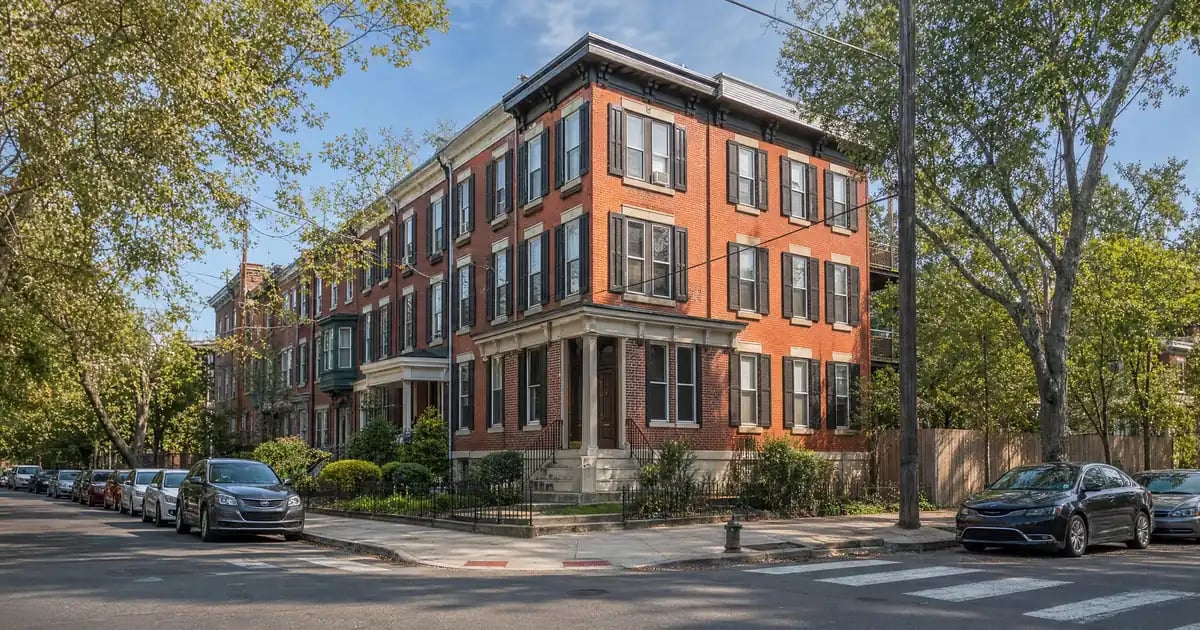
An Atlanta rental property should not be purchased because Midtown is “strong,” West End is “cheap,” Buckhead is “premium,” or East Atlanta is “popular.” Neighborhood research can help investors decide where to search, but the investment decision should ultimately be made at the property level. Two rentals on the same street can produce completely different returns once purchase price, rent, taxes, insurance, HOA, repairs, financing, vacancy, and capital expenditures are included.
Atlanta Investment Property Comparison: Cash Flow, Cap Rates, and DSCR by Neighborhood in 2026
Use the neighborhood to find opportunities. Use underwriting to decide whether the actual property deserves your money.
Neighborhood
Tells You
Where to Look.
The Deal
Tells You
Whether to Buy.
Use the Neighborhood-to-Deal Underwriting Test
Layer 1
Neighborhood Screen
↓
Layer 2
Property Economics
↓
Layer 3
Financing & DSCR
↓
Stress Test
↓
Exit Flexibility
A neighborhood can pass Layer 1 while the property fails Layer 2.
A property can produce an attractive unlevered return but fail Layer 3 because the financing is too expensive.
And a deal can pass all three on optimistic assumptions but fail once vacancy, insurance, repairs, or capital expenditures are stressed.
The Question I Want Investors to Ask:
“Does This Property Still Work After I Replace the Optimistic Assumptions With Realistic Ones?”
1. Start With the Three Numbers—but Calculate Them Correctly
Cash Flow
For a financed rental property, a simplified annual cash-flow calculation is:
Cash Flow = NOI − Annual Debt Service − Other Investor-Level Costs
Cash flow tells you what remains after operating the property and servicing the debt.
Net Operating Income — NOI
Before calculating cap rate or DSCR, calculate NOI.
NOI = Effective Gross Income − Operating Expenses
Operating expenses may include items such as:
- Property taxes.
- Property insurance.
- Property management.
- Routine repairs and maintenance.
- Owner-paid utilities.
- HOA or condominium expenses attributable to ownership.
- Landscaping or recurring service costs.
- Other normal property operating expenses.
Vacancy and collection loss should also be reflected when determining realistic effective income.
Traditional NOI does not subtract mortgage principal and interest. Debt service comes after NOI.
Cap Rate
Cap Rate = NOI ÷ Purchase Price × 100
If a property costs $500,000 and produces $30,000 of annual NOI:
$30,000 ÷ $500,000 = 6.0%
Cap rate allows you to compare the property's operating return before financing.
DSCR
DSCR = NOI ÷ Annual Debt Service
If NOI is:
$60,000
and annual debt service is:
$50,000
then:
DSCR = 1.20
That means property-level NOI equals 120% of annual debt service under that calculation.
Different lenders and loan products can calculate qualifying income and DSCR differently, especially in one-to-four-unit investor loan programs.
Always confirm:
which DSCR formula your lender is actually using.
NOI
Measures
Property Operations.
Cap Rate
Measures
Unlevered Yield.
DSCR
Measures
Debt Coverage.
Cash Flow
Measures
What Is Left After Financing.
2. Use 2026 Neighborhood Data as a Screen—not as an Investment Return
Current market data can help identify where to investigate.
But neighborhood median price and median rent should not be combined automatically to manufacture a cap rate.
Why?
Because the median rental property and the median for-sale property may not be the same:
- Property type.
- Bedroom count.
- Condition.
- Size.
- Condo versus single-family mix.
- Exact micro-location.
Here is a useful 2026 screening snapshot from the same data source:
Atlanta Area | Median Listing Price | Median Rent | Median DOM |
|---|---|---|---|
Midtown Atlanta | $349,900 | $2,499/mo | 69 days |
Buckhead | $439,000 | $1,999/mo | 67 days |
West End | $292,000 | $1,370/mo | 82 days |
East Atlanta* | $450,000 | $2,837/mo | 65 days |
*Realtor.com did not publish sufficient standalone East Atlanta Village metrics for August 2026, so the broader East Atlanta neighborhood data is shown for screening context. Midtown, Buckhead, and West End figures are August 2026; East Atlanta figures are September 2026. These figures are neighborhoodwide portal metrics and should not be used as property-specific rent or valuation assumptions.
Neighborhood Median Rent
÷
Neighborhood Median Price
Does Not Automatically Equal
a Real Property Cap Rate.
3. Midtown: Underwrite the Condo Economics Before the Location Story
Midtown's 2026 market shows substantial rental inventory and a broad condominium presence.
That makes one issue especially important:
HOA economics.
For a Midtown condo, I would examine:
- Unit-specific market rent.
- Monthly HOA dues.
- What utilities or services are included.
- Rental restrictions.
- Minimum lease periods.
- Rental caps or waiting lists where applicable.
- Special-assessment exposure.
- Association reserves and financial condition where available.
- Parking ownership or fees.
- Insurance structure.
- Property taxes.
A $2,800 monthly rent can look attractive.
But if the unit has:
$800–$1,000+ monthly HOA expense,
the property's NOI can change dramatically.
For condo investing, gross rent can look strong while NOI remains weak. Underwrite the association before you underwrite the view.
4. East Atlanta / East Atlanta Village: Separate Rent Potential From Renovation Risk
East Atlanta contains a different housing mix from Midtown.
Investors may encounter older detached properties where:
- Roof age matters.
- HVAC age matters.
- Electrical updates matter.
- Plumbing and sewer conditions matter.
- Foundation or drainage questions matter.
- Renovation scope can vary substantially.
This creates a different underwriting problem.
The advertised rent may work.
But does the deal still work after:
the initial renovation and future capital reserve are included?
A Strong Rent Number
Can Be Destroyed by
a Weak Acquisition Basis + Heavy Renovation.
5. Buckhead: Property Type Matters More Than the Neighborhood Label
Buckhead's broad market mixes:
- Condos.
- Townhomes.
- Luxury detached homes.
- Older condominium buildings.
- High-rise product.
- Different sub-neighborhoods and price bands.
That makes citywide or neighborhoodwide median statistics particularly dangerous for investment underwriting.
A Buckhead condo and a Buckhead single-family rental can have completely different:
- Tenant pool.
- HOA burden.
- Maintenance structure.
- Insurance exposure.
- Acquisition basis.
- Rent-to-price relationship.
For Buckhead, I would start by separating:
property type first, neighborhood second.
A “Buckhead cap rate” is not a useful number unless the underlying properties are actually comparable.
6. West End: Lower Entry Price Does Not Automatically Mean Higher Yield
West End may offer lower acquisition prices than some intown Atlanta markets.
That can improve the rent-to-price relationship.
But before assuming stronger cash flow, investigate:
- Property condition.
- Renovation quality.
- Roof and mechanical systems.
- Foundation and drainage.
- Insurance.
- Property taxes.
- Actual achievable rent.
- Vacancy.
- Turnover costs.
- Long-term capital expenditures.
A lower purchase price is useful only if:
the property does not require you to give the entire discount back through repairs and operating costs.
2026 Atlanta Neighborhood Underwriting Focus
Area | Primary Underwriting Question | Common Items to Stress-Test |
|---|---|---|
Midtown | Does rent still support NOI after HOA and condo-specific expenses? | HOA, rental restrictions, assessments, parking, insurance, vacancy |
East Atlanta / EAV | Does renovation and capital reserve destroy the apparent yield? | Renovation, older systems, sewer, foundation, maintenance, rent support |
Buckhead | Am I comparing like property types? | HOA, luxury carrying costs, insurance, property type, rent-to-price compression |
West End | Is the lower basis real after repairs and operating costs? | Condition, renovation quality, CapEx, taxes, insurance, turnover, rent support |
7. Never Underwrite Rent From One Zillow or MLS Listing
A rental asking price is not the same as collected rent.
Before underwriting, compare:
- Similar bedroom and bathroom count.
- Similar property type.
- Similar condition.
- Similar parking.
- Similar square footage.
- Similar micro-location.
- Current rental competition.
- Actual lease information when reliably available.
Then ask:
“Would I still buy this deal if rent is 5% lower than my preferred estimate?”
If the Deal Works
Only at
the Highest Possible Rent,
the Margin of Safety
May Be
Too Thin.
8. Vacancy Should Be Modeled Even When the Property Is Currently Occupied
A tenant-occupied property may currently show:
100% occupancy.
That does not mean an investor should underwrite:
0% vacancy forever.
Over a multi-year hold, vacancy can come from:
- Tenant turnover.
- Repairs between leases.
- Marketing time.
- Lease-up.
- Delinquency or collection issues.
The appropriate assumption depends on the property and strategy.
The key is:
do not make vacancy disappear merely because today's tenant is paying.
9. Include Property Management Even If You Plan to Self-Manage
An investor may say:
“I manage my own properties, so management cost is zero.”
That may describe current cash outflow.
But it can overstate the property's economic performance.
Why?
Because your time has value,
and the property may later be:
- Managed professionally.
- Sold to another investor.
- Included in a larger portfolio.
For apples-to-apples underwriting, consider including a realistic management assumption even when you initially plan to self-manage.
10. Separate Routine Maintenance From Capital Expenditures
Routine maintenance might include:
- Minor plumbing repairs.
- HVAC service.
- Small electrical repairs.
- Landscaping.
- Turnover touch-ups.
Capital expenditures may include:
- Roof replacement.
- HVAC replacement.
- Major plumbing replacement.
- Windows.
- Large exterior projects.
- Major appliances or building systems.
Traditional accounting NOI may treat major capital expenditures separately rather than as routine operating expense.
But your investment decision should still account for them.
A property can show an attractive NOI and still produce disappointing investor cash flow when major capital expenditures arrive.
11. Build an Income-to-Cash-Flow Bridge
Gross Scheduled Rent
− Vacancy / Credit Loss
+ Other Property Income
=
Effective Gross Income
− Operating Expenses
=
NOI
− Annual Debt Service
=
Cash Flow Before Investor-Level Capital / Other Costs
− Capital Expenditures / Other Applicable Investor Costs
=
Practical Investor Cash Flow
This sequence helps prevent double-counting expenses and mixing financing costs into cap rate.
12. Your DSCR and the Lender's DSCR May Not Be the Same Number
This is especially important with investor-focused DSCR loans.
An investor may calculate:
NOI ÷ annual principal-and-interest debt service.
A lender may use a different qualifying methodology based on:
- Market rent.
- Current lease.
- PITIA.
- Required expense assumptions.
- Property type.
- Loan program.
- Borrower profile.
Therefore:
never assume that your spreadsheet DSCR is the lender's underwriting DSCR.
Investor DSCR
and
Lender DSCR
Can Be
Two Different Calculations.
13. Financing Can Turn a Good Property Into a Bad Levered Deal
Suppose two investors buy the same property.
Same price.
Same rent.
Same expenses.
Same NOI.
Investor A has:
- Lower interest rate.
- Larger down payment.
- Lower lender fees.
Investor B has:
- Higher rate.
- Smaller down payment.
- Higher loan fees.
The cap rate is the same.
Their cash flow is not.
Cap rate evaluates the property before financing. Cash flow evaluates the property after your financing enters the deal.
14. More Down Payment Can Improve Cash Flow Without Improving the Property
Suppose an investor increases the down payment from:
20% to 35%.
Debt service decreases.
Cash flow may increase.
DSCR may increase.
But:
the property's NOI has not changed.
The investor simply contributed more capital.
Therefore, investors should not judge a deal only by whether they can make it cash-flow positive with a sufficiently large down payment.
Also evaluate:
- Cash-on-cash return.
- Total cash invested.
- Alternative uses of that capital.
- Reserve requirements.
15. Taxes and Insurance Deserve Their Own Stress Test
Investors frequently underwrite from the Seller's current property-tax bill.
But after a sale:
the Buyer's future tax situation may not match the Seller's current bill.
Likewise, insurance should be quoted for:
the actual property and investment use.
Do not rely only on:
- Seller's prior premium.
- A generic online estimate.
- An owner-occupied insurance assumption.
16. HOA Rules Can Kill a Rental Deal Even When the Numbers Work
Before purchasing a property in an HOA or condominium:
verify the current governing documents.
Look for:
- Rental restrictions.
- Rental caps.
- Waiting periods.
- Lease-term requirements.
- Application or leasing fees.
- Move-in / move-out fees.
- Special assessments.
- Owner occupancy requirements where applicable.
A beautiful 7% spreadsheet cap rate means very little if:
you cannot legally or contractually execute the rental strategy you underwrote.
17. If Your Strategy Depends on Short-Term Rental Income, Underwrite the Rules First
City of Atlanta short-term rentals are regulated.
The City's current ordinance requires a short-term rental license for covered STR activity and generally structures eligibility around a primary residence plus one additional dwelling unit under the license framework.
The City currently lists:
- An annual short-term rental license requirement.
- A $150 application fee.
- A 12-month license term.
- Host / agent compliance requirements.
But zoning, HOA, condominium, lender, insurance, platform, and other rules can also affect feasibility.
Do Not Buy
a Long-Term Rental
and Underwrite It
as an Airbnb
Until the Strategy Is Actually Permissible.
18. Run the Five-Part Stress Test
A base-case spreadsheet is not enough.
Run at least several downside scenarios.
Stress Test | Question |
|---|---|
Rent −5% | Does cash flow remain acceptable if achievable rent is lower? |
Vacancy Increase | Can the property withstand slower lease-up or turnover? |
Taxes + Insurance Increase | Does the property remain viable if carrying expenses rise? |
Major Repair | Can reserves absorb an HVAC, roof, plumbing, or similar event? |
Financing Stress | What happens if rate or lender terms are worse than the first quote? |
19. Calculate the Break-Even Rent
Instead of asking only:
“What rent can I get?”
also calculate:
“What rent do I need?”
If the property needs $2,800 per month to satisfy your minimum economics,
but realistic comparable rents cluster around:
$2,400–$2,500,
you do not have a marketing problem.
You may have:
an acquisition-basis problem.
A deal should not require the tenant market to rescue an overpriced purchase.
20. Calculate the Purchase Price That Makes the Deal Work
Investors often begin with:
“The Seller wants $425,000. Does the deal work?”
Try reversing the question:
“Based on realistic rent and expenses, what purchase price would make the deal meet my target?”
That turns underwriting into:
a negotiation tool.
If $425,000 produces inadequate returns,
but $380,000 works,
you now understand:
the approximate gap between:
the Seller's price and your investment price.
21. Underwrite the Exit Before You Buy
A rental property may eventually be sold to:
- Another investor.
- An owner-occupant.
- A developer.
- A condo Buyer.
- A small multifamily Buyer.
That future buyer pool matters.
Ask:
- Is the property attractive only as a rental?
- Could an owner-occupant reasonably want it?
- Does the HOA limit investor demand?
- Is the layout broadly usable?
- Is there a permanent location objection?
- Would substantial deferred maintenance narrow the future buyer pool?
A property with multiple reasonable exit paths can provide more flexibility than one dependent on a single investor strategy.
22. Appreciation Should Improve the Deal—not Be Required to Save It
Atlanta property values may rise or fall over a particular hold period.
No investor can know that outcome with certainty.
If your deal requires:
significant future appreciation just to justify today's acquisition price,
recognize that assumption clearly.
A useful question is:
“If appreciation contributes very little for the next five years, does this investment still make sense?”
Atlanta Investment Property Underwriting Template
Metric | Property A | Property B | Property C |
|---|---|---|---|
Neighborhood | ___ | ___ | ___ |
Property Type | ___ | ___ | ___ |
Purchase Price | $___ | $___ | $___ |
Initial Renovation | $___ | $___ | $___ |
Monthly Market Rent | $___ | $___ | $___ |
Vacancy Assumption | ___% | ___% | ___% |
Effective Gross Income | $___ | $___ | $___ |
Property Taxes | $___ | $___ | $___ |
Insurance | $___ | $___ | $___ |
HOA / Condo | $___ | $___ | $___ |
Management | $___ | $___ | $___ |
Maintenance | $___ | $___ | $___ |
Other Operating Expense | $___ | $___ | $___ |
NOI | $___ | $___ | $___ |
Cap Rate | ___% | ___% | ___% |
Down Payment | $___ | $___ | $___ |
Annual Debt Service | $___ | $___ | $___ |
DSCR | ___ | ___ | ___ |
Annual Cash Flow | $___ | $___ | $___ |
Cash-on-Cash Return | ___% | ___% | ___% |
Near-Term CapEx | $___ | $___ | $___ |
The 100-Point Atlanta Rental Property Scorecard
Category | Score | Question |
|---|---|---|
Acquisition Basis | ___ / 20 | Am I buying at a basis supported by the property's actual economics? |
Rent Support | ___ / 15 | How strong are the true property-specific rental comps? |
NOI Quality | ___ / 15 | Have realistic operating expenses been included? |
Financing / DSCR | ___ / 15 | How much debt-service margin remains? |
Condition / CapEx | ___ / 15 | What major expenditures could arrive during the hold? |
Rental / HOA Flexibility | ___ / 10 | Can I legally and contractually execute my intended rental strategy? |
Exit Flexibility | ___ / 10 | How many realistic future buyer pools could want this property? |
Total | ___ / 100 | This is an underwriting framework—not a prediction of investment performance. |
30 Questions Before Buying an Atlanta Investment Property
☐ 1. What are the strongest property-specific rent comps?
☐ 2. What rent would I underwrite if I wanted to be conservative?
☐ 3. What vacancy assumption am I using?
☐ 4. Are there any other realistic income sources?
☐ 5. What is Effective Gross Income?
☐ 6. What are the property taxes?
☐ 7. What might taxes look like after purchase?
☐ 8. What is the actual investor insurance quote?
☐ 9. What management assumption am I using?
☐ 10. What maintenance allowance is realistic?
☐ 11. Are there owner-paid utilities?
☐ 12. What HOA or condo fees apply?
☐ 13. Are there rental caps or restrictions?
☐ 14. Are special assessments pending or reasonably foreseeable from available documents?
☐ 15. What is the realistic NOI?
☐ 16. What is the cap rate at my actual purchase price?
☐ 17. What financing rate and fees am I actually being quoted?
☐ 18. What is annual debt service?
☐ 19. What is my DSCR?
☐ 20. How does my lender calculate DSCR?
☐ 21. What is annual cash flow after debt service?
☐ 22. How much total cash am I investing?
☐ 23. What is my cash-on-cash return?
☐ 24. Which major systems may need replacement?
☐ 25. How much capital reserve should I hold?
☐ 26. Does the deal work if rent is 5% lower?
☐ 27. Does it work if taxes and insurance increase?
☐ 28. Does it work after one major repair?
☐ 29. If appreciation contributes very little, do I still want it?
☐ 30. What purchase price would make this deal work without optimistic assumptions?
The Question I Would Use Before Writing the Offer:
“What Purchase Price Makes This Deal Work Without Needing Optimistic Rent, Perfect Occupancy, or Future Appreciation to Save It?”
Frequently Asked Questions
What is a good cap rate for an Atlanta investment property?
There is no universal cap rate that makes an Atlanta property a good investment. Compare similar property types using consistent expense assumptions, then evaluate the cap rate alongside condition, financing, rental durability, capital expenditures, and investment strategy.
What is a good DSCR?
There is no single DSCR threshold that applies to every investor loan. A DSCR above 1.0 indicates NOI exceeds annual debt service under that particular calculation, but lenders may require different minimums and may calculate qualifying DSCR differently. Confirm the lender's exact methodology.
Can a property have a good cap rate but poor cash flow?
Yes. Cap rate is calculated before financing. Higher interest rates, higher leverage, lender fees, or other financing terms can cause an otherwise reasonable property-level yield to produce limited or negative levered cash flow.
Should mortgage payments be included in NOI?
Not in the traditional NOI calculation. NOI evaluates property operations before financing. Mortgage debt service is considered afterward when calculating DSCR and levered cash flow.
Which Atlanta neighborhood has the best cap rate in 2026?
A neighborhood does not have one reliable universal cap rate. Property type, purchase price, rent, condition, taxes, insurance, HOA, renovation, and financing can vary significantly within the same neighborhood. Underwrite actual properties using consistent assumptions.
Is Midtown good for rental-property investors?
It can be appropriate for certain strategies, but investors should pay particular attention to condo or HOA expenses, rental restrictions, special assessments, insurance, parking, and the unit-specific rent-to-price relationship.
Is West End better for cash flow because prices are lower?
Not automatically. A lower acquisition basis can help, but realistic rent, property condition, renovation, insurance, taxes, maintenance, vacancy, turnover, and future capital expenditures still determine actual NOI and cash flow.
Should I use current tenant rent or market rent?
Review both. Current lease income tells you what the property produces now. Market-rent analysis helps evaluate future earning potential, but market rent should be supported by relevant rental comparables and should not be assumed to become immediately available if a lease is already in place.
Can I use short-term rental income to make the numbers work?
Only after verifying that the intended short-term rental strategy is permissible under current municipal rules, HOA or condo documents, loan terms, insurance requirements, and other applicable restrictions. City of Atlanta short-term rentals are subject to a licensing framework.
What is the most important number in rental-property investing?
There is no single number. NOI, cap rate, DSCR, cash flow, cash-on-cash return, renovation cost, capital reserves, and exit flexibility answer different questions. The strongest underwriting considers how the numbers interact.
What is the best final test before buying?
Ask: “Does this property still meet my objective when I lower rent, include vacancy, use realistic expenses, account for major capital needs, and apply my actual financing?”
Don't Buy
a Neighborhood Story.
Buy
Property-Level Economics.
Final Thoughts: Underwrite the Property, Then Stress-Test the Story
Midtown may offer strong rental activity.
East Atlanta may offer a different acquisition and renovation profile.
Buckhead may offer different property types and price points.
West End may offer a lower entry basis.
But none of those statements tell you whether:
the property in front of you is a good deal.
For every opportunity, calculate:
Realistic rent.
Vacancy.
Effective Gross Income.
Property taxes.
Insurance.
HOA.
Management.
Maintenance.
NOI.
Cap rate.
Debt service.
DSCR.
Cash flow.
Capital expenditures.
Total cash invested.
And exit flexibility.
Then lower the rent.
Increase the expenses.
Model the major repair.
Use the financing you can actually obtain.
And ask:
“Do I still want this property?”
The best investment property is not automatically the one with the highest advertised rent, lowest purchase price, or highest spreadsheet cap rate.
It is the property whose economics remain acceptable after the assumptions become more realistic.
Comparing Investment Properties in Metro Atlanta?
Before making an offer, we can compare specific properties using the same investment assumptions—including purchase price, current and market rent, vacancy, taxes, insurance, HOA, management, repairs, major-system age, estimated NOI, cap rate, financing, DSCR, cash flow, cash-on-cash return, rental restrictions, and exit options. The goal is not simply to find a property that rents. It is to identify a property whose numbers make sense at the price you are actually paying.
Tina Jingru Sui | TJS Team
Call or Text: (404) 375-2120
Email: [email protected]
Visit TinaSui.com
About Tina Jingru Sui
Tina Jingru Sui is the founder and leader of the TJS Team, serving real estate investors, home buyers, sellers, new-construction buyers and relocation clients throughout Metro Atlanta.
Tina and her team serve Atlanta, Johns Creek, Alpharetta, Suwanee, Duluth, Buford, Dacula, Sandy Springs, Roswell, Marietta, Smyrna, Peachtree Corners and surrounding Metro Atlanta communities.
2026 Market & Regulatory Sources
Neighborhood screening data referenced in this article comes from Realtor.com Economic Research's 2026 Midtown Atlanta, Buckhead, West End, East Atlanta and East Atlanta Village market pages. The East Atlanta Village page did not provide sufficient standalone median-price and rent figures at the time of review, so broader East Atlanta data is clearly identified where used. Short-term-rental information is based on current City of Atlanta Department of City Planning guidance and the City of Atlanta Short-Term Rental Ordinance. Property-specific rental restrictions, zoning, tax, insurance, financing, HOA and rental-income assumptions should always be independently verified before acquisition.
Keller Williams Realty Atlanta Partners · (404) 375-2120
This article is provided for general real estate education and information only and does not constitute investment, financial, tax, legal, accounting, lending, appraisal, property-management, insurance, engineering, inspection, zoning or other professional advice. The Neighborhood-to-Deal Underwriting Test, formulas, 100-point scorecard, stress tests, neighborhood observations, examples and underwriting templates are educational tools only and do not constitute a recommendation to purchase, sell, finance or hold any particular property. Investment performance, appreciation, rent growth, occupancy, expenses, cap rates, DSCR, cash flow, cash-on-cash returns and resale values cannot be guaranteed. Market figures are neighborhoodwide portal data and may contain different mixes of condos, single-family homes, multifamily properties, bedroom counts, sizes and conditions. Median rent and median sale or listing price should not automatically be combined to calculate a property cap rate. Property-specific rental comparables should be evaluated before underwriting rent. Traditional NOI generally reflects property operating income less property operating expenses before mortgage debt service; accounting and lender conventions can differ, and capital expenditures may be treated separately from routine operating expenses. DSCR methodologies vary by lender and loan program, and an investor's calculated DSCR may differ from a lender's qualifying DSCR. A DSCR above 1.0 simply indicates that NOI exceeds annual debt service under the assumptions and formula used; it does not establish loan eligibility, adequate investment safety, or a universal lender standard. Current tenant rent should not be assumed to equal market rent, and market rent should not be assumed to be immediately achievable when an existing lease applies. Vacancy, delinquency, leasing expense, management, maintenance and capital expenditures should be evaluated based on the specific property and investment strategy. Property tax amounts can change following a sale and may differ based on assessment, exemptions and jurisdiction. Insurance costs and availability vary by property, insurer, use and borrower. HOA and condominium rental restrictions, rental caps, leasing procedures, assessments and financial condition should be verified through current governing documents. Short-term rentals within the City of Atlanta are subject to current municipal licensing requirements, and additional zoning, HOA, condominium, lender, insurance and other restrictions may apply. A short-term-rental strategy should not be assumed permissible without verification. Older systems do not automatically constitute defects or establish a fixed replacement timeline. Renovation estimates should be supported by qualified contractors when material. Neighborhood names should not be used as substitutes for property-level due diligence. Real estate professionals can assist with property searches, comparable sales, rent comparisons, market research, transaction analysis and negotiations but do not replace CPAs, attorneys, lenders, appraisers, inspectors, engineers, insurance professionals, property managers or financial advisers. Equal Housing Opportunity. Tina Jingru Sui, GA License #392936, REALTOR®, affiliated with Keller Williams Realty Atlanta Partners.




