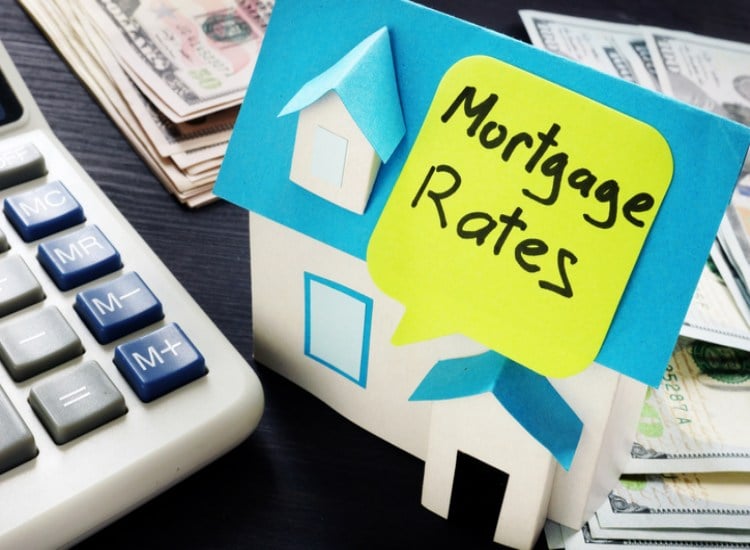
Mortgage shopping becomes confusing when Buyers compare numbers that look similar but are actually built on different assumptions. One lender may quote a lower rate but charge discount points. Another may quote a higher rate with lender credits. A third may show lower cash to close because its estimate for taxes or insurance is lower—not because the loan itself is cheaper. Before deciding which lender is “best,” make sure you are actually comparing the same financing scenario.
Best Mortgage Lenders in Atlanta for 2026: How to Compare Loan Estimates, Rates, Fees & Closing Reliability
Don't shop for the lowest advertised rate. Shop for the strongest loan structure you can actually compare.
The Lowest Rate
Is Not Automatically
the Cheapest Loan.
And the Cheapest Loan
Is Not Automatically
the Best Lender for Your Transaction.
There Is No Universal “Best Mortgage Lender”
The best lender for one Atlanta Buyer may not be the best lender for another.
A first-time Buyer using down-payment assistance may need a different lender from:
- A jumbo Buyer.
- A self-employed borrower.
- An investor buying a rental property.
- A VA borrower.
- A Buyer purchasing a condominium.
- A Buyer using builder incentives on new construction.
- A Buyer who needs a particularly fast closing.
So instead of asking:
“Who has the lowest rate?”
ask:
“Which lender gives me the strongest combination of cost, loan fit, and execution reliability?”
1. First, Normalize Every Quote
This is the most important step.
Before comparing two mortgage offers, make sure both lenders are quoting the same:
☐ Purchase price
☐ Loan amount
☐ Down payment
☐ Loan type
☐ Loan term
☐ Occupancy type
☐ Property type
☐ Credit assumptions
☐ Discount points
☐ Lender credits
☐ Rate-lock period
☐ Closing date
☐ Property-tax, HOA and insurance assumptions where applicable
Otherwise, you may be comparing:
different loans disguised as competing quotes.
Before Asking
“Which Quote Is Better?”
Ask
“Are They Quoting the Same Loan?”
2. Compare Rates Over the Same Time Period
Mortgage pricing can change frequently.
If Lender A gives you a quote Monday morning and Lender B quotes Thursday afternoon, a rate difference may reflect changes in the mortgage market rather than one lender being permanently cheaper.
When practical, request competing quotes:
within a short time window and using the same loan scenario.
Also confirm:
- Is this rate actually locked?
- If not, what would be required to lock it?
- How long does the lock last?
- When does it expire?
- What happens if closing is delayed?
- Is there a fee for a lock extension?
- Does the lender offer any applicable float-down feature?
3. Interest Rate Is Only One Number
Suppose:
Lender A offers:
5.875%
but requires:
$9,000 in discount points.
Lender B offers:
6.125%
with:
little or no points.
Which one is better?
You cannot answer from the rate alone.
You need to know:
- The monthly payment difference.
- The upfront cost difference.
- How long you expect to keep the mortgage.
- Whether you expect to refinance.
- How much liquidity you want to preserve.
A lower rate may be something you purchased with additional money at closing.
4. Calculate the Break-Even on Discount Points
If paying additional points reduces your payment, ask:
“How long do I need to keep this mortgage before the monthly savings recover the additional upfront cost?”
A simplified way to think about it is:
Additional Upfront Cost for Points
÷
Monthly Payment Savings
=
Approximate Break-Even Months
If you expect to sell or refinance well before the break-even point, paying substantial points may be less attractive.
If you expect to keep the loan considerably longer, the analysis can change.
5. Lender Credits Also Have a Price
A lender credit can reduce the cash you pay at closing.
But it may come with:
a higher interest rate.
That can make sense for some Buyers.
For example:
- A Buyer who wants to preserve liquidity.
- A Buyer who expects to refinance or move relatively soon.
- A Buyer whose immediate cash needs matter more than minimizing long-term borrowing cost.
But again:
compare the trade-off, not the label.
6. Use APR—but Don't Use APR Alone
APR can help Buyers compare the broader cost of financing because it incorporates certain loan costs in addition to the interest rate.
But it should be used as part of a larger comparison.
Also compare:
- Interest rate.
- Monthly principal and interest.
- Points.
- Origination charges.
- Lender credits.
- Cash to close.
- Rate-lock structure.
- Your expected holding period.
7. The Loan Estimate Is Your Comparison Document
For most mortgages covered by federal disclosure rules, once a lender receives the six pieces of information that constitute an application under the applicable rule, the lender generally must provide a Loan Estimate within:
3 business days.
Those six pieces generally include:
- Your name.
- Your income.
- Your Social Security number for the credit report.
- The property address.
- An estimate of the property's value.
- The mortgage loan amount sought.
The Loan Estimate allows you to compare loan structures using a standardized format.
A Verbal Quote
Is Useful for Shopping.
A Loan Estimate
Makes the Comparison
Much More Concrete.
8. Compare the Costs the Lender Actually Controls
This is where many Buyers make a major mistake.
One Loan Estimate may show:
$8,000 less cash to close.
But why?
If one lender simply estimated:
lower property taxes,
lower homeowners insurance,
or lower prepaid / escrow amounts,
that does not mean the lender's loan is $8,000 cheaper.
Those costs are not necessarily controlled by the lender.
When comparing lender pricing, pay particular attention to items such as:
- Origination charges.
- Applicable required services that vary by lender.
- Discount points.
- Lender credits.
- Rate.
- Rate-lock terms.
Do not reward a lender for estimating your taxes or insurance lower than another lender. Ask why those numbers differ.
9. Use the Five-Year Cost Comparison
Page 3 of the standard Loan Estimate contains a:
“In 5 years”
comparison section.
It can help you compare how much interest and loan costs you may pay during a five-year period under the assumptions shown.
This can be particularly useful when:
one loan has a lower rate but higher upfront costs,
while another has fewer upfront charges but a slightly higher rate.
Five years may not match your personal holding period.
So use the same concept at the timeframe that matters to you.
The Best Loan
Can Change
Depending on
How Long You Expect to Keep It.
10. Price the Loan—but Also Evaluate Closing Reliability
Imagine Lender A appears to save you:
$1,800.
But your contract requires a relatively short closing.
Now you also need to know:
- Has the lender reviewed your documents thoroughly?
- Who is managing the file?
- How quickly does underwriting begin?
- How quickly are conditions communicated?
- How does the lender manage the appraisal?
- Can the lender realistically meet the contractual closing date?
- What happens if the rate lock expires because of a lender-related delay?
No lender can guarantee that every transaction will close on time.
But process quality matters.
A cheaper mortgage quote can become expensive if execution problems threaten your contract, moving plans, earnest money position, or rate lock.
11. Ask What the Preapproval Actually Reviewed
Two preapproval letters can look similar.
The work behind them may not be identical.
Ask:
- Has credit been reviewed?
- Has income documentation been reviewed?
- Have assets been reviewed?
- Are there unresolved underwriting questions?
- Has the lender discussed property-type restrictions?
- What still has to happen before final approval?
A preapproval is not a guarantee of final loan approval.
But understanding what has already been reviewed can help both Buyer and Seller evaluate financing preparedness more intelligently.
12. Measure Communication Before You Need an Emergency
Do not wait until appraisal week to learn that your lender is difficult to reach.
During the shopping stage, observe:
- How quickly questions are answered.
- Whether explanations are clear.
- Whether quotes are provided in writing.
- Whether fees are explained without defensiveness.
- Whether the lender identifies risks in your application.
- Whether someone is available when an offer needs to be updated quickly.
A transaction can involve:
Buyer,
real estate agents,
underwriting,
appraisal,
insurance,
and the Georgia closing attorney.
The lender does not control all of those parties.
But good communication can reduce avoidable surprises.
13. Lender Experience Should Match the Property Type
A lender who is excellent at standard owner-occupied conventional loans may not necessarily be the strongest choice for every transaction.
Ask about relevant experience if you are buying:
- A condominium.
- A jumbo property.
- New construction.
- An investment property.
- A property with unusual characteristics.
- A property requiring specialized financing.
Likewise, self-employed borrowers or Buyers with complex income may benefit from a lender who regularly handles similar financial profiles.
14. Investors Should Compare More Than the Note Rate
For investment-property financing, ask about:
- Down-payment requirements.
- Reserve requirements.
- How rental income is treated.
- Origination fees.
- Prepayment penalties where applicable.
- Property-count limitations or overlays.
- Loan term.
- Recourse / structure where relevant.
- DSCR options if appropriate.
Then put the financing into the property model.
A slightly lower rate does not rescue:
a weak investment basis.
15. Georgia Buyers Should Check Current State Programs Before Assuming They Don't Qualify
Georgia's Department of Community Affairs currently offers several mortgage programs under the Georgia Dream umbrella.
As of the program information effective July 8, 2026, options include:
- Georgia Dream for qualifying first-time Buyers.
- Peach Select VA for eligible VA borrowers.
- Peach Plus.
- Peach Advantage.
Current program purchase-price limits and income limits vary by product.
Some programs offer down-payment assistance, while others do not.
Georgia Dream assistance is subject to program requirements and participating-lender rules.
Do not rely on an old blog post to determine eligibility.
Check the current Georgia Department of Community Affairs guidelines and speak with an approved participating lender.
Down-payment assistance is a financing structure—not automatically free money. Understand whether assistance is a grant, second mortgage, deferred obligation, or another form before choosing it.
A 2026 Georgia Dream Detail Worth Knowing
Under the current Georgia Dream guidance, certain down-payment assistance can be structured as a:
0% interest second mortgage with no monthly payment.
The current program guidance also makes clear that this assistance can be:
non-forgivable rather than a grant.
That distinction should be understood before comparing Georgia Dream financing with another loan option.
16. Local vs. National vs. Online Is the Wrong First Question
National banks can be excellent.
Local mortgage companies can be excellent.
Credit unions can be excellent.
Online lenders can be excellent.
And any category can also contain a lender that is not the right match for a particular file.
Instead of ranking the business model, compare:
- Loan pricing.
- Product availability.
- Application quality.
- Communication.
- Underwriting process.
- Relevant property experience.
- Closing reliability.
Local
Does Not Automatically Mean
Better.
Online
Does Not Automatically Mean
Cheaper.
17. Verify the Lender and Loan Officer
Consumers can use NMLS Consumer Access to look up mortgage companies and mortgage loan originators.
Depending on the record, the public system can help confirm information such as:
- Identity.
- NMLS ID.
- Employer information.
- Authorization status.
- Certain publicly available regulatory or disciplinary information.
Your Loan Estimate also includes lender and loan-officer identifying information.
18. “No Closing Cost” Does Not Mean the Cost Disappeared
A lender may advertise:
“No Closing Costs.”
That can be useful.
But understand how the cost is being handled.
For example, the structure may involve:
a higher interest rate in exchange for lender credits.
The right comparison is:
“How much am I saving today, and what does that choice cost me over the period I expect to keep this mortgage?”
19. Don't Choose a Bad Loan Because “I'll Just Refinance”
Buyers sometimes justify a loan structure by assuming:
“Rates will come down and I'll refinance.”
Maybe.
But future rates are uncertain.
Refinancing can also depend on:
- Future interest rates.
- Property value.
- Credit.
- Income.
- Employment.
- Loan balance.
- Refinancing costs.
The current loan should make sense under a reasonable scenario even if refinancing does not happen as quickly as hoped.
20. Build a Three-Quote Comparison Sheet
When practical, compare multiple lenders using one standardized sheet.
Comparison Item | Lender A | Lender B | Lender C |
|---|---|---|---|
Loan Type | ___ | ___ | ___ |
Loan Amount | ___ | ___ | ___ |
Interest Rate | ___ | ___ | ___ |
APR | ___ | ___ | ___ |
Discount Points | ___ | ___ | ___ |
Origination Charges | ___ | ___ | ___ |
Lender Credits | ___ | ___ | ___ |
Principal & Interest | ___ | ___ | ___ |
Mortgage Insurance | ___ | ___ | ___ |
Cash to Close | ___ | ___ | ___ |
5-Year Borrowing Cost | ___ | ___ | ___ |
Rate Lock / Expiration | ___ | ___ | ___ |
Expected Closing Capability | ___ | ___ | ___ |
The 100-Point Mortgage Lender Comparison Scorecard
Category | Weight | What to Evaluate |
|---|---|---|
Normalized Loan Cost | ___ / 25 | Rate, points, lender costs, credits and holding-period economics |
Closing Reliability | ___ / 20 | Can the lender reasonably execute within the contract timeline? |
Loan Program Fit | ___ / 15 | Does the loan actually fit your borrower and property profile? |
Rate-Lock Strategy | ___ / 15 | Lock duration, extension cost, points / credits and timing |
Application / Underwriting Readiness | ___ / 10 | How thoroughly has the lender reviewed the borrower? |
Communication | ___ / 10 | Responsiveness, clarity and issue escalation |
Transparency | ___ / 5 | Can the lender clearly explain every material difference in the quote? |
Total | ___ / 100 | This compares mortgage fit and process quality; it does not guarantee approval or closing. |
30 Questions to Ask a Mortgage Lender Before You Choose
☐ 1. What loan program are you quoting me?
☐ 2. What loan amount are you using?
☐ 3. What down payment are you assuming?
☐ 4. What interest rate are you quoting?
☐ 5. Is the rate locked?
☐ 6. When does the lock expire?
☐ 7. What would a lock extension cost?
☐ 8. How many discount points are included?
☐ 9. What lender credits are included?
☐ 10. Can you quote the same loan with zero points so I can compare?
☐ 11. What are your origination charges?
☐ 12. Which Loan Estimate costs are controlled by you?
☐ 13. Which costs are estimates for taxes, insurance, escrow or third parties?
☐ 14. What is my APR?
☐ 15. What is the five-year borrowing cost shown on the Loan Estimate?
☐ 16. What is my estimated principal-and-interest payment?
☐ 17. Is mortgage insurance applicable?
☐ 18. What is my estimated cash to close?
☐ 19. Why does your cash-to-close number differ from another lender's?
☐ 20. What assumptions are you using for property taxes and insurance?
☐ 21. What borrower documents have you actually reviewed?
☐ 22. What underwriting questions remain?
☐ 23. Who will be my primary contact after I go under contract?
☐ 24. Who handles underwriting conditions?
☐ 25. How do you manage appraisal timing?
☐ 26. Can you reasonably meet my contractual closing date?
☐ 27. What are the most likely reasons this particular loan could be delayed?
☐ 28. Do you regularly finance this property type and borrower profile?
☐ 29. Can I verify your NMLS information?
☐ 30. If another lender appears cheaper, can you show me exactly why the two Loan Estimates differ?
The Most Important Mortgage-Shopping Question:
“If I Normalize the Rate, Points, Credits, Lock Period and Loan Assumptions, Which Offer Is Really Cheaper?”
Frequently Asked Questions
Who is the best mortgage lender in Atlanta in 2026?
There is no universal best lender for every Buyer. Compare lenders using the same loan scenario and evaluate total loan cost, program fit, rate-lock structure, borrower profile, property type, communication and ability to meet your contract timeline.
Should I choose the lender with the lowest rate?
Not automatically. A lower rate may require higher discount points or other upfront costs. Compare the rate together with APR, points, origination costs, lender credits, monthly payment and your expected holding period.
Should I compare APR instead?
APR is a useful comparison measure because it incorporates certain financing costs, but it should not be your only metric. Make sure the underlying loan type, term, amount, rate structure and other assumptions are comparable.
Why is one lender's cash-to-close estimate much lower?
First determine which line items are different. Lower estimated taxes, homeowners insurance, prepaids or escrow amounts do not necessarily mean the lender itself is cheaper. Compare lender-controlled costs separately.
When should I receive a Loan Estimate?
For most mortgages subject to the federal Loan Estimate rules, the lender generally must provide the Loan Estimate within three business days after receiving the six pieces of information that constitute an application under the rule.
Should I pay discount points?
It depends on the upfront cost, monthly savings, expected time you will keep the loan and your need for liquidity. Calculate the approximate break-even period rather than assuming a lower rate is automatically better.
Are no-closing-cost loans actually free?
Usually the economics are being shifted rather than eliminated. A lender credit may reduce upfront costs while increasing the interest rate. Compare both the upfront and longer-term impact.
Are there first-time Buyer programs in Georgia in 2026?
Yes. Georgia's Department of Community Affairs currently offers multiple mortgage programs under the Georgia Dream family, subject to current eligibility, income, sales-price, credit, education and other requirements. Use a current participating lender and current program guidelines rather than relying on older program summaries.
How can I verify a mortgage lender or loan officer?
Consumers can use NMLS Consumer Access to look up mortgage companies and mortgage loan originators and review publicly available authorization and registration information.
Is a local lender better than an online lender?
Not automatically. Compare the actual loan economics, relevant loan experience, communication process, underwriting execution and closing capability rather than assuming one business model is superior.
What matters most after the rate?
Ask whether the lender can clearly explain the full Loan Estimate and realistically execute the financing within your transaction timeline. Cheap pricing and reliable execution both matter.
Don't Shop
for
a Mortgage Rate.
Shop
for
the Complete Loan.
Final Thoughts: Make Every Lender Quote the Same Loan
Mortgage shopping becomes much easier once you stop comparing advertisements and start comparing standardized scenarios.
Before choosing, normalize:
Loan amount.
Down payment.
Loan type.
Loan term.
Rate-lock period.
Points.
Lender credits.
Property type.
Occupancy.
Closing date.
And the property-cost assumptions.
Then compare:
Rate.
APR.
Monthly payment.
Lender-controlled costs.
Cash to close.
Holding-period cost.
Loan-program fit.
Closing reliability.
And communication.
The “best mortgage lender” is not necessarily the company with the best advertisement or even the lowest first number you see.
It is the lender offering a competitive loan structure that fits your financial situation—and has a process capable of getting that loan to closing.
Buying a Home in Metro Atlanta?
Before writing an offer, it helps to understand how your financing affects not only your monthly payment but also your cash to close, appraisal strategy, contract deadlines and overall offer strength. We can help coordinate the real estate side of the transaction while your lender explains and documents your financing options. When comparing lenders, use written estimates and ask each lender to quote the same scenario so you can make a meaningful comparison.
Tina Jingru Sui | TJS Team
Call or Text: (404) 375-2120
Email: [email protected]
Visit TinaSui.com
About Tina Jingru Sui
Tina Jingru Sui is the founder and leader of the TJS Team, serving home buyers, sellers, investors, new-construction buyers and relocation clients throughout Metro Atlanta.
Tina and her team serve Atlanta, Johns Creek, Alpharetta, Suwanee, Duluth, Buford, Dacula, Sandy Springs, Roswell, Marietta, Smyrna, Peachtree Corners and surrounding Metro Atlanta communities.
Consumer Mortgage Sources
Mortgage disclosure and Loan Estimate comparison guidance in this article is based on current Consumer Financial Protection Bureau consumer resources and applicable federal mortgage-disclosure rules. Georgia Dream program information is based on current Georgia Department of Community Affairs guidance effective July 8, 2026. Mortgage lender and loan-originator verification information is based on NMLS Consumer Access. Program rules, lender pricing and interest rates can change, so Buyers should confirm current terms directly with the lender and appropriate official source.
Keller Williams Realty Atlanta Partners · (404) 375-2120
This article is provided for general real estate education and information only and does not constitute mortgage, lending, financial, legal, tax, credit, investment, underwriting, insurance or other professional advice. Tina Jingru Sui and the TJS Team are real estate professionals and do not act as mortgage lenders or mortgage loan originators unless separately and appropriately licensed, and nothing in this article constitutes an offer or recommendation of a specific mortgage product, lender, rate or financing strategy. The Mortgage Quote Normalization Test, lender scorecard, break-even examples, comparison tables and related frameworks are educational tools only. Mortgage interest rates, APRs, points, lender credits, fees, qualification standards, underwriting rules, closing timelines and loan programs change and vary based on borrower credit, income, assets, debt, occupancy, property type, loan amount, down payment, market conditions and other factors. Advertised rates may not be available to every borrower. A lower rate may involve additional upfront cost, and a lender credit may involve a higher rate. APR is a useful comparison tool but does not by itself determine which loan is best for a particular borrower. Break-even calculations are simplified estimates and actual savings can vary. Loan Estimates are estimates and some amounts may change as permitted by applicable law. Taxes, insurance, HOA dues, government charges, prepaids and escrow amounts may differ between estimates and are not all controlled by the lender. Preapproval does not guarantee final loan approval. A lender's historical or expected closing speed does not guarantee a particular closing date. Appraisal, title, insurance, property eligibility, underwriting, borrower documentation and other matters can affect financing and closing. Georgia Dream, Peach Select VA, Peach Plus, Peach Advantage and other state-program terms are subject to current Georgia Department of Community Affairs eligibility, income, sales-price, credit, homebuyer-education, funding and participating-lender requirements and can change after publication. Down-payment assistance may create an additional lien or repayment obligation and should not automatically be treated as a grant. Buyers should review all loan documents and discuss loan-specific questions with a properly licensed or registered mortgage professional. Consumers can verify applicable mortgage-company and loan-originator information through NMLS Consumer Access. Equal Housing Opportunity. Tina Jingru Sui, GA License #392936, REALTOR®, affiliated with Keller Williams Realty Atlanta Partners.