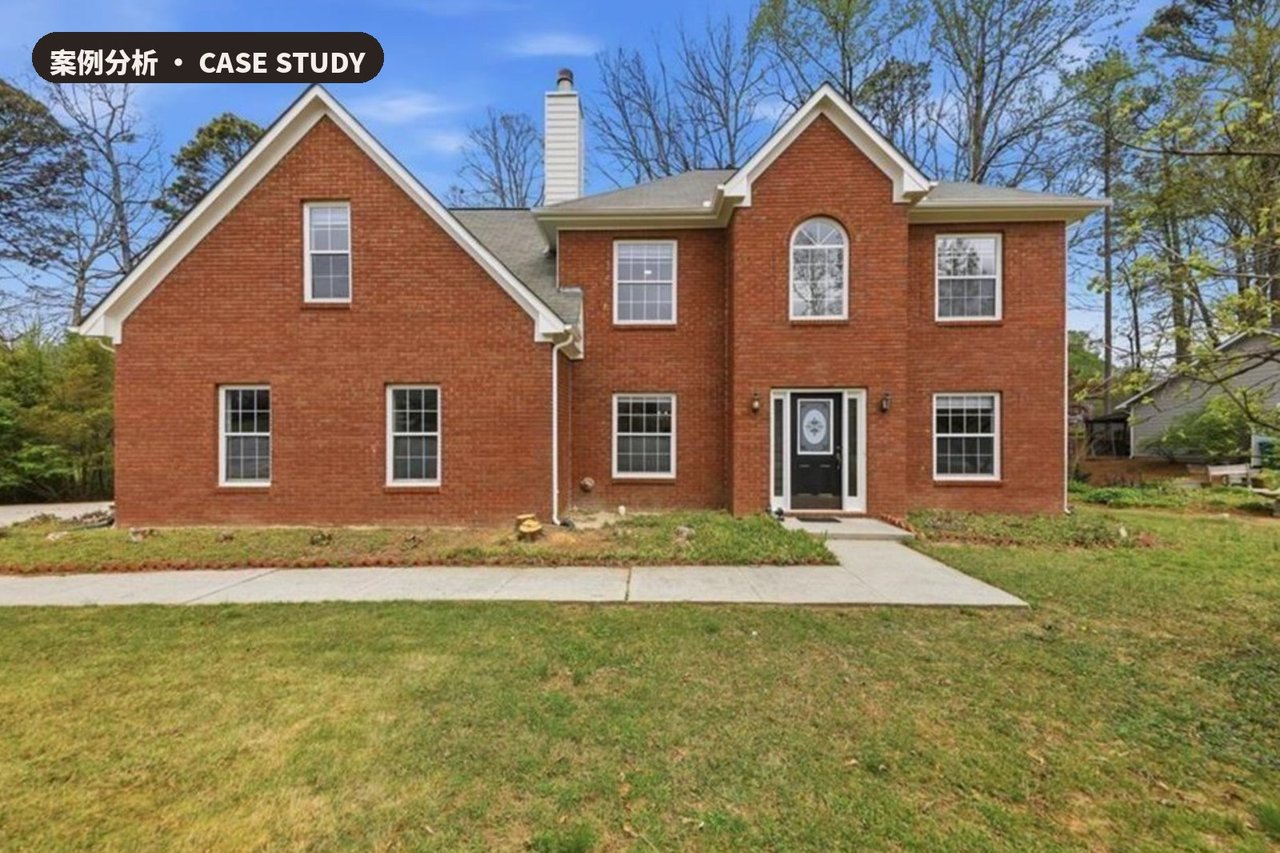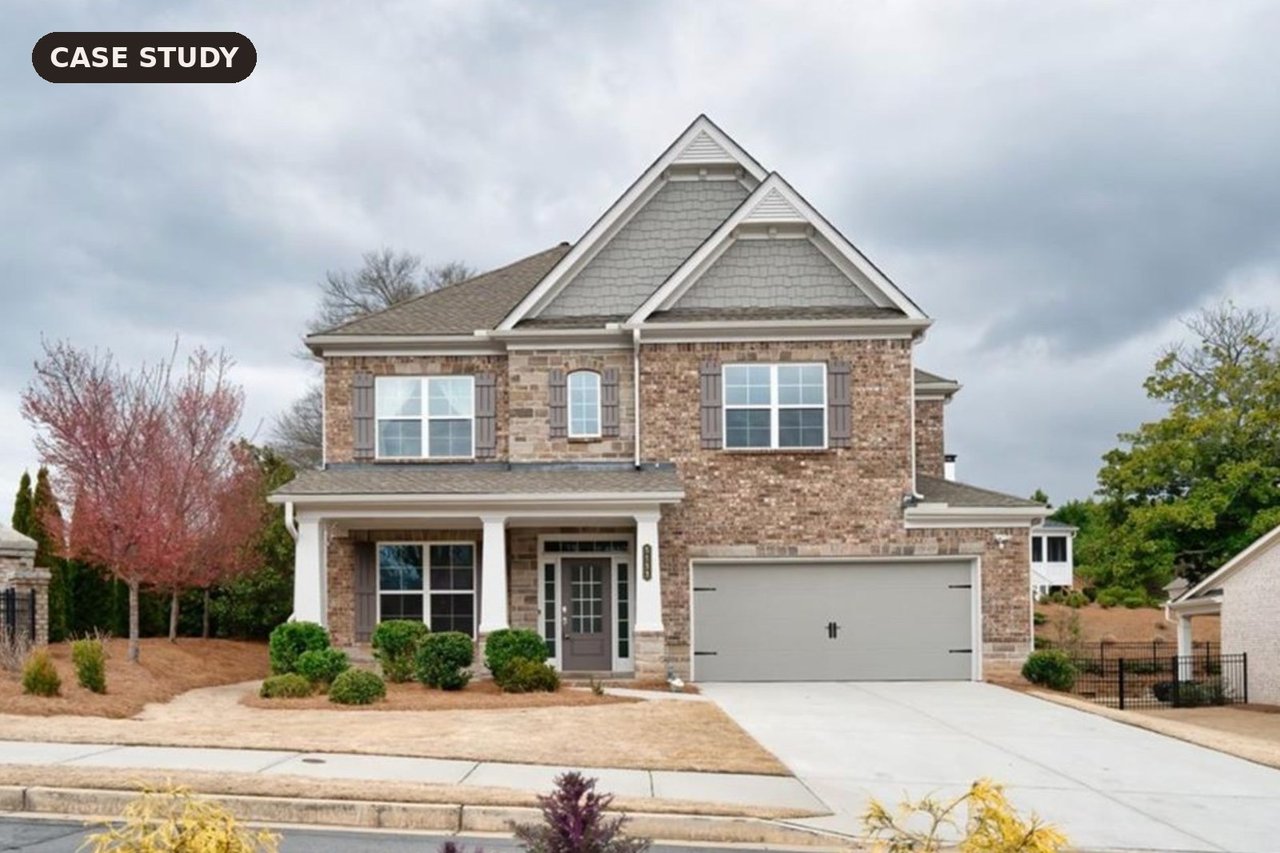
When a home has been listed for several weeks without a strong offer, the most obvious solution is often: “Lower the price.” Sometimes that is exactly what the market is telling you to do. But not every underperforming listing has the same problem. A home can struggle because buyers are not noticing it, do not understand its strongest value, cannot easily schedule a showing, lose confidence once they see the property, or simply believe the current price is too high relative to their alternatives.
Beyond Price Cuts: Fresh Strategies to Help Your Property Attract Buyers
Before changing the price again, identify what Buyer perception actually needs to change.
A Non-Price Strategy
Only Works
If It Changes
Buyer Behavior.
Why This Matters in the 2026 Atlanta Market
In a market where Buyers have meaningful choices, simply adding more marketing activity does not automatically solve an underperforming listing.
A Seller can:
post another Reel,
hold another open house,
change the description,
boost another social-media ad,
and still receive no offer.
Why?
Because the problem may not be:
lack of marketing activity.
The problem may be:
the market's current conclusion about the property.
The goal of a listing reset is therefore not:
“Do more things.”
It is:
“Give the right Buyers a reason to make a different decision.”
The Buyer Perception Reset Test
Buyer Reaction | Possible Listing Problem | Possible Reset |
|---|---|---|
“I barely noticed it.” | Visibility / online presentation | Visibility Reset |
“I don't understand why it is worth this much.” | Value proposition unclear | Clarity Reset |
“We couldn't get in when we wanted.” | Showing friction | Access Reset |
“I like it, but I'm worried about the house.” | Condition / information uncertainty | Confidence Reset |
“I can buy it, but the payment / cash requirement doesn't work.” | Buyer financial friction | Financial-Fit Reset |
“I like it, but the alternatives are better at this price.” | Value-position problem | Price / Position Reset |
Before Making Another Change, Ask:
“What Specifically Needs to Become More Attractive or More Believable for a Buyer to Make a Different Decision?”
1. Visibility Reset: What If Buyers Are Not Stopping Long Enough to Consider the Home?
The first problem can happen before a Buyer ever schedules a showing.
Online, your listing is competing with:
dozens of photos,
new listings,
price reductions,
new construction,
and other properties inside the same search bracket.
A Buyer can reject the listing in:
seconds.
Start by reviewing:
- The primary MLS photo.
- The first five photos.
- Photo brightness and quality.
- Photo order.
- Whether key rooms are missing.
- Exterior presentation.
- Whether the strongest feature appears early enough.
The goal of better photography is not to make the home look unrealistically perfect. It is to make the correct Buyer stop long enough to understand what the property actually offers.
Change the Cover Photo Strategically
If the listing has been active for a while, look at the primary image again.
Is it still the image most likely to attract the target Buyer?
Depending on the property, the strongest image may be:
- The front elevation.
- A renovated kitchen.
- A dramatic living space.
- A pool.
- A view.
- A large backyard.
- A distinctive architectural feature.
Do not choose a different photo simply because it is different.
Choose one that changes:
what Buyer notices first.
2. Clarity Reset: Buyers May See the House but Miss the Reason to Choose It
A listing description can contain every feature in the home and still fail to explain the home's value.
For example:
“Five bedrooms, four bathrooms, hardwood floors, granite countertops, large backyard.”
That describes the property.
It may not differentiate it.
A better positioning question is:
“What problem does this home solve better than the competing listings?”
Perhaps it offers:
- A true main-level bedroom.
- A particularly usable backyard.
- Multiple work-from-home options.
- Unusually strong storage.
- A renovated kitchen without the renovation burden.
- Newer major systems.
- A flexible finished basement.
- A specific location advantage.
A Feature List
Tells Buyers
What Exists.
Good Positioning
Explains
Why It Matters.
Add Information That Reduces Mental Work
If Buyers repeatedly misunderstand the layout, consider whether better information would help.
That may include:
- A floor plan.
- Room dimensions.
- A clearer photo sequence.
- A labeled basement layout.
- A property-feature sheet.
- Clear explanation of recent improvements.
The easier the property is to understand,
the easier it becomes for Buyers to compare it accurately with alternatives.
3. Access Reset: Don't Lose the Buyer Before the Showing
Sometimes Seller sees:
“Not enough showings.”
But the listing receives showing requests that cannot be accommodated.
For example:
- 24–48 hours of notice required.
- Narrow showing windows.
- Frequent declined appointments.
- Tenant restrictions.
- Pet logistics.
- Seller schedule restrictions.
Some restrictions may be unavoidable.
But Seller should understand the trade-off.
Every qualified Buyer who cannot see the home is a Buyer who may purchase another property before your showing window opens.
Possible changes might include:
- Expanding showing windows.
- Creating predictable blocks of availability.
- Temporarily adjusting household routines.
- Improving communication around occupied-property access.
- Making weekend access easier.
4. Confidence Reset: Buyers May Like the Home but Distrust the Ownership Burden
This is different from cosmetic presentation.
A home can be:
beautifully staged,
professionally photographed,
and spotless,
while still making Buyers nervous.
Typical confidence problems include:
- Visible water stains.
- Deferred exterior maintenance.
- Multiple small broken items.
- Unclear roof age.
- Unclear HVAC history.
- Obvious moisture concerns.
- Loose railings or damaged trim.
- Unanswered questions about prior work.
The Buyer may not calculate only:
repair cost.
They may create:
an uncertainty discount.
Buyers Don't Only Discount
Known Problems.
They May Also Discount
Unknown Risk.
Small Repairs Can Sometimes Reduce a Much Larger Concern
A dripping faucet may not materially affect the value of a home.
Neither does one burned-out light bulb.
But multiple neglected details can collectively create the impression:
“If these obvious things were not maintained, what else wasn't?”
That is why inexpensive repairs may be useful even when they do not produce a dollar-for-dollar increase in market value.
The goal may be:
reducing Buyer uncertainty.
Information Can Be Part of the Reset
Where accurate documentation exists, Buyers may benefit from clear information about:
- Recent roof replacement.
- HVAC replacement or servicing.
- Water-heater replacement.
- Major renovation permits or contractor information where relevant.
- Recent repairs.
- Termite or other property documentation where applicable.
Do not overstate what documentation proves.
But reducing genuine information gaps can improve Buyer confidence.
5. Showing Reset: The In-Person Experience May Be Weaker Than the Online Listing
Look at showing feedback carefully.
If Buyers are scheduling appointments but not progressing,
the problem may not be exposure.
Walk through the home as if you had never seen it before.
Check:
- Odors.
- Lighting.
- Temperature.
- Window coverings.
- Clutter.
- Furniture scale.
- Room function.
- Exterior approach.
- Backyard presentation.
- Visible maintenance concerns.
If the photography gets Buyers through the door but the physical experience lowers their interest, more online marketing may not solve the problem.
6. Re-Stage the Problem Rooms—not Necessarily the Entire House
A Seller may not need full staging.
Instead, ask whether Buyers repeatedly misunderstand one specific room.
For example:
an awkward bonus room,
a narrow dining area,
an unusually large primary bedroom,
an empty basement,
or a flex space with no obvious purpose.
Sometimes one strategically furnished room can help Buyers understand:
how the space actually works.
Staging Is Most Useful
When It Solves
Buyer Confusion.
Not When It Simply Adds
More Furniture.
7. Turn Buyer Feedback Into Patterns
One Buyer says:
“I don't like the carpet.”
That is an opinion.
Seven Buyers say:
“At this price, the other homes feel more updated.”
That is more meaningful.
Instead of collecting feedback as disconnected comments, group it into:
- Price / value.
- Condition.
- Layout.
- Location.
- Major-system concerns.
- Presentation.
- Permanent objections.
Then ask:
“Which objection is actually influencing Buyer decisions?”
8. Study the Listings Buyers Are Choosing Instead
This can be more valuable than studying your own listing for the tenth time.
Which competing homes went pending?
Compare:
- Price.
- Condition.
- Updates.
- Lot.
- Road position.
- Floor plan.
- Major systems.
- Photo quality.
- Showing access.
- Concessions where known.
Then ask:
“What did the market choose there that it has not chosen here?”
When competing listings go pending while yours remains active, the market has given you new information—even before their final sale prices become known.
9. Financial-Fit Reset: Sometimes the Buyer Likes the House but Needs Different Economics
A price reduction is one way to change affordability.
It is not the only possible way.
Depending on the market, contract, financing program, and Seller goals, a Seller may consider whether a permitted contribution toward certain Buyer closing expenses creates more practical value for the target Buyer.
For some financed Buyers, a properly structured concession may help with:
- Allowable closing costs.
- Prepaid expenses.
- Potential interest-rate buydown structures where permitted.
- Other lender-approved expenses.
This should always be evaluated with the Buyer's lender because loan-program rules and contribution limits vary.
The Question Is Not:
“Price Cut or Credit?”
It Is:
“Which Structure Solves the Buyer's Actual Financial Friction?”
Don't Add Incentives Buyers Do Not Value
A home warranty,
appliances,
or another incentive
may help in some transactions.
But never assume:
“free” automatically equals valuable.
Ask whether the incentive addresses an actual Buyer concern.
If Buyers believe the home is $40,000 overpriced,
a relatively small incentive probably will not change the core decision.
10. Convert a Known Problem Into a Known Number
Sometimes Buyer hesitation comes from:
“I have no idea what that will cost.”
If a material issue is already known, appropriate professional information or repair estimates may help Seller understand the problem more clearly.
For example:
Instead of:
“There might be a drainage problem.”
Seller may discover through the appropriate professional that:
the issue is smaller than feared,
larger than expected,
or requires additional evaluation.
Either way:
better information improves decision quality.
Uncertainty can feel more expensive to a Buyer than a clearly understood problem.
11. Refresh the Listing Story—Not Just the Listing Description
If the property has been active for a while, review the entire online story.
Does it still reflect:
- The strongest first photo?
- The most relevant selling points?
- Any improvements completed since listing?
- Updated property information?
- New photos if the season or presentation materially changed?
- The correct positioning against today's competition?
A reset should be substantive.
Do not rely on cosmetic changes designed merely to make an old listing appear new.
Follow applicable MLS and brokerage rules regarding listing status, history, and marketing.
12. Another Open House Should Have a Reason
Holding an open house every weekend does not automatically improve the listing.
Ask:
“What is different this time?”
A refreshed open house may make sense after:
- A significant presentation improvement.
- A meaningful price repositioning.
- A new financial incentive.
- A major repair.
- New competing inventory changes.
- A strategic marketing relaunch.
Otherwise:
repeating the same event may simply reproduce the same result.
More Activity
Is Not Necessarily
More Strategy.
13. More Advertising Does Not Fix a Weak Value Proposition
Suppose thousands of Buyers already have access to the listing online.
They can see:
the photos,
the price,
the square footage,
the location,
and the competition.
If qualified Buyers are repeatedly seeing the property and rejecting it,
the problem may not be:
“We need more eyeballs.”
It may be:
“The Buyers who see it do not prefer the current value proposition.”
Marketing can create exposure. It cannot force an exposed Buyer to believe the home is worth more than the alternatives.
14. Know When the Problem Really Is Price
A Seller should not use non-price strategies as a way to avoid market evidence.
If:
- The presentation is strong.
- The listing is receiving adequate exposure.
- The home is easy to show.
- Condition concerns have been addressed where practical.
- Buyers understand the property's strongest features.
- Relevant competing homes are selling.
- Qualified Buyers repeatedly choose alternatives.
then the remaining issue may be:
value position.
At that point, continuing to change photos,
write new descriptions,
and hold more open houses
may simply delay the decision.
Non-Price Strategies
Should Solve
Non-Price Problems.
They Should Not Be Used
to Hide
a Price Problem.
15. If You Reduce the Price, Make the Reduction Change Something
A small reduction that moves:
$724,900 → $719,900
may change very little if:
the same Buyers still see the listing,
the same competitors still look better,
and the same objection remains.
A useful price repositioning should ask:
- Does this change the competitive set?
- Does it enter a different Buyer search bracket?
- Does it materially improve perceived value?
- Does it compensate for an objection we cannot change?
The goal is not:
“Show Buyers we are willing to negotiate.”
The goal is:
create a different Buyer decision.
The Listing Reset Ladder
Reset | Use It When... | Success Would Look Like... |
|---|---|---|
1. Visibility Reset | Listing is not attracting enough online interest | More relevant Buyer engagement |
2. Clarity Reset | Buyers do not understand the layout or strongest value | Better understanding and stronger showing interest |
3. Access Reset | Showing restrictions are reducing opportunities | Higher conversion of requests into actual showings |
4. Confidence Reset | Buyers worry about condition or unknown costs | Fewer repeated condition objections |
5. Financial-Fit Reset | Buyer cash / financing friction may be limiting demand | Better affordability structure for eligible Buyers |
6. Price / Position Reset | Buyers understand and see the home but choose better-value alternatives | Listing enters a meaningfully stronger competitive position |
16. Don't Change Everything at Once
Suppose Seller simultaneously:
- Reduces price.
- Changes photos.
- Offers a Buyer credit.
- Re-stages rooms.
- Changes showing access.
- Runs a new advertising campaign.
If activity improves,
what worked?
You may never know.
Some situations require multiple changes at once.
But when possible, prioritize the change most closely connected to the diagnosed problem.
Don't treat listing strategy like throwing six solutions at the wall. Diagnose first, then intervene.
17. Give Every Reset a Measurement Window
If you change the strategy, decide in advance:
what market response would tell you it worked.
For example:
After changing online presentation:
Did relevant showing activity improve?
After changing access:
Did more showing requests convert into appointments?
After repairing a repeated objection:
Did Buyer feedback change?
After financial incentives:
Did serious Buyer engagement increase?
After a price repositioning:
Did the listing become more competitive relative to alternatives?
A Strategy Change
Without
a Success Test
Is Just
Another Activity.
18. Permanent Objections Usually Require Positioning—not More Decorating
You cannot reasonably change:
- A busy road behind the house.
- A steep driveway.
- An unusually small lot.
- A difficult floor-plan characteristic without major construction.
- Some surrounding land-use conditions.
If Buyers repeatedly prefer competing homes because of a permanent characteristic,
another flower pot,
new throw pillows,
and another Facebook ad
are unlikely to solve the problem.
The listing may need:
a value position that compensates Buyers for what cannot be changed.
The Buyer Perception Reset Matrix
Observed Pattern | First Thing to Investigate | Possible Response |
|---|---|---|
Low Online / Showing Interest | Price position + online presentation | Photo / clarity reset or price analysis |
Showing Requests Declined | Access friction | Showing-plan reset |
Many Showings, Weak Interest | In-person experience | Condition / staging / confidence reset |
Repeated Condition Concerns | Known + unknown ownership costs | Repair, documentation, specialist information or pricing response |
Buyers Like It but Cannot Make Numbers Work | Financial structure | Evaluate permitted Buyer incentives vs. price adjustment |
Competitors Keep Going Pending | Relative value | Direct competitive repositioning |
The 100-Point Listing Reset Scorecard
Category | Score | Seller Question |
|---|---|---|
Online Visibility | ___ / 10 | Does the listing attract the right Buyer's attention? |
Value Clarity | ___ / 15 | Is the reason to choose the home obvious? |
Showing Access | ___ / 10 | Can qualified Buyers realistically see it? |
Showing Experience | ___ / 15 | Does in-person experience increase interest? |
Condition Confidence | ___ / 15 | Are Buyers worried about unknown ownership cost? |
Financial Fit | ___ / 10 | Are transaction economics unnecessarily limiting the Buyer pool? |
Competitive Position | ___ / 20 | Does the property offer strong value relative to today's alternatives? |
Measurement Discipline | ___ / 5 | Does each strategy change have a defined success test? |
Total | ___ / 100 | This diagnoses positioning; it does not guarantee a sale or offer. |
25 Questions to Ask Before Making Another Price Cut
☐ 1. Are enough relevant Buyers seeing the listing?
☐ 2. Is our primary photo still our strongest image?
☐ 3. Do the first five photos explain the home's strongest value?
☐ 4. Is the floor plan easy to understand?
☐ 5. Can I explain in one sentence why a Buyer should choose this property?
☐ 6. Are Buyers able to schedule showings when they want to?
☐ 7. How many showing requests have been declined or rescheduled?
☐ 8. Does the home smell, feel, and present as well in person as online?
☐ 9. Is furniture helping Buyers understand the rooms—or hiding them?
☐ 10. Is one specific space repeatedly confusing Buyers?
☐ 11. Which Buyer objections are repeating?
☐ 12. Which objections are opinions, and which are influencing decisions?
☐ 13. Are visible maintenance issues creating a larger confidence problem?
☐ 14. Are major-system ages or property facts unclear?
☐ 15. Could better documentation reduce uncertainty?
☐ 16. Which direct competitors have recently gone pending?
☐ 17. What do those properties offer that ours does not?
☐ 18. Are Buyers experiencing a genuine affordability problem?
☐ 19. Would an allowable Seller concession solve more friction than the same nominal price reduction?
☐ 20. Is the incentive we are considering something Buyers actually value?
☐ 21. Are we trying to solve a permanent location problem with cosmetic marketing?
☐ 22. Have qualified Buyers repeatedly chosen other homes at the same price?
☐ 23. If we adjust the price, will it materially change our competitive position?
☐ 24. What market response would prove the next strategy worked?
☐ 25. What specifically needs to change for the next qualified Buyer to make a different decision?
The Best Question Before Another Listing Change:
“What Specifically Needs to Change for the Next Qualified Buyer to Make a Different Decision?”
Frequently Asked Questions
Do I always need to reduce the price if my home is not selling?
No. First diagnose whether the problem appears to involve visibility, listing clarity, showing access, property condition, Buyer confidence, financial friction, or competitive positioning. If qualified Buyers understand the property and repeatedly choose better-value alternatives, however, price should be part of the analysis.
Can changing the listing photos really help?
It can help if weak online presentation is limiting Buyer interest. A new primary image, stronger photo order, improved lighting, or better representation of the home's key features may increase engagement. Better photography cannot permanently overcome an unsupported value position.
Should I hold another open house?
Maybe. An additional open house is most useful when there is a reason for Buyers to reconsider the property, such as meaningful presentation improvements, a strategic repositioning, new financial terms, or another substantive change.
Should I renovate if my home is not selling?
Not automatically. Start with the specific objections Buyers are expressing. Cleaning, decluttering, maintenance and selective repairs may be more useful than a large renovation. Major renovations immediately before sale can create cost, timing and execution risk and do not guarantee an equivalent increase in value.
Can Seller closing-cost assistance help attract Buyers?
Potentially. For some financed Buyers, properly structured Seller contributions may address cash-to-close or financing friction. The applicable lender and loan program determine what is permitted, so any incentive should be evaluated within the actual transaction structure.
Should I offer a home warranty?
A home warranty may be useful in some transactions, particularly if it addresses a real Buyer concern. It should not be assumed to substitute for material repairs, eliminate all ownership risk, or solve an underlying price problem.
What if Buyers keep saying the same thing after showings?
Repeated feedback deserves analysis, particularly when it is connected to actual Buyer decisions. One comment may reflect personal preference; a repeated pattern across relevant Buyers can provide useful market information.
What if competing listings are selling and mine is not?
Compare the properties directly: price, condition, layout, lot, location, major systems, presentation, showing access and transaction economics. The goal is to identify what Buyers are choosing in the competitors that they are not currently choosing in your property.
How do I know when price really is the problem?
Price becomes increasingly important when the home has adequate exposure, strong presentation, reasonable access, understandable property information and repeated qualified showings—but Buyers continue choosing competing properties with stronger perceived value.
What is the most important question before changing my listing strategy?
Ask: “What specifically needs to change for the next qualified Buyer to make a different decision?” If you cannot explain how a proposed change answers that question, it may be activity rather than strategy.
A Stale Listing
Does Not Need
More Activity for Activity's Sake.
It Needs
the Right Reset.
Final Thoughts: Diagnose Before You Discount
When a home is not selling, Sellers can become trapped between two extremes.
One side says:
“Just reduce the price.”
The other says:
“We just need more marketing.”
Neither should be automatic.
Instead ask:
Do Buyers notice the listing?
Do they understand the value?
Can they easily see the home?
Does the showing increase confidence?
Are unknown property costs creating hesitation?
Does the transaction structure create unnecessary financial friction?
And most importantly:
At today's price, are qualified Buyers choosing this home over the alternatives?
A strategy change should have a purpose.
Better photos should change attention. Better information should change confidence. Better access should change showing opportunities. Financial incentives should change affordability. And a price adjustment should change perceived value.
If the proposed change cannot explain what Buyer decision it is supposed to change, rethink it.
Is Your Metro Atlanta Home Listed but Not Selling?
Before making another price reduction, we can review the listing through the Buyer's eyes. That can include current competing homes, recently pending properties, showing activity, Buyer feedback, online presentation, property condition, major-system concerns, showing access, financial incentives and price positioning. The goal is to identify exactly what is preventing the next qualified Buyer from making an offer—and determine which change is most likely to matter.
Tina Jingru Sui | TJS Team
Call or Text: (404) 375-2120
Email: [email protected]
Visit TinaSui.com
About Tina Jingru Sui
Tina Jingru Sui is the founder and leader of the TJS Team, serving home sellers, buyers, investors, new-construction buyers and relocation clients throughout Metro Atlanta.
Tina and her team serve Atlanta, Johns Creek, Alpharetta, Suwanee, Duluth, Buford, Dacula, Sandy Springs, Roswell, Marietta, Smyrna, Peachtree Corners and surrounding Metro Atlanta communities.
2026 Market Context
Realtor.com Economic Research reported that the Atlanta-Sandy Springs-Roswell metro had approximately 60 median days on market in September 2026, with active listings up about 4.3% year over year and approximately 23.7% of listings carrying a price reduction. These broad metro figures are used only for general market context and should not be treated as property-specific pricing guidance. Individual neighborhoods, price ranges, property types, and listings can perform very differently.
Keller Williams Realty Atlanta Partners · (404) 375-2120
This article is provided for general real estate education and marketing information only and does not constitute legal, financial, tax, appraisal, lending, inspection, engineering, construction, insurance, investment, MLS-rule interpretation or other professional advice. The Buyer Perception Reset Test, Listing Reset Ladder, 100-point scorecard, examples, matrices and related frameworks are educational tools only and do not guarantee a sale, showing activity, offer, sale price, appraisal, closing or particular days on market. Real estate market statistics vary by source, geography, property type and methodology and should not be applied automatically to a specific property. A Comparative Market Analysis is not an appraisal. Price reductions do not guarantee increased Buyer activity, and a home that has not sold is not necessarily overpriced. Photography, staging, floor plans, digital advertising, social media, open houses, showing access, Seller incentives and other marketing strategies can improve presentation or exposure but do not guarantee Buyer interest or offers. Seller concessions and Buyer incentives are subject to negotiation, contract terms, lender requirements, loan-program rules and applicable contribution limits; the Buyer's lender should confirm what is permitted. Home warranties have terms, exclusions and limitations and should not be represented as eliminating repair risk. Property-system age does not by itself establish a defect or required replacement. Repair, renovation and staging expenditures do not guarantee dollar-for-dollar value increases. Buyer feedback may reflect individual preferences and should be considered alongside repeated patterns, showing activity, current competition and other market evidence. Pending listings may provide evidence of Buyer choice but their final contract terms and sale prices may not yet be known. Permanent location characteristics such as road exposure, lot configuration, driveway slope, external land use and similar factors affect Buyers differently and do not have universal fixed value adjustments. Listing status, property-history presentation, relisting and marketing changes should comply with applicable brokerage and MLS rules; Sellers and agents should not attempt to misrepresent listing history or material property information. Real estate professionals can assist with pricing, marketing, listing strategy, market analysis, showing feedback, offer analysis and transaction coordination but do not replace attorneys, appraisers, inspectors, engineers, lenders, contractors, insurance professionals or other qualified specialists. Equal Housing Opportunity. Tina Jingru Sui, GA License #392936, REALTOR®, affiliated with Keller Williams Realty Atlanta Partners.