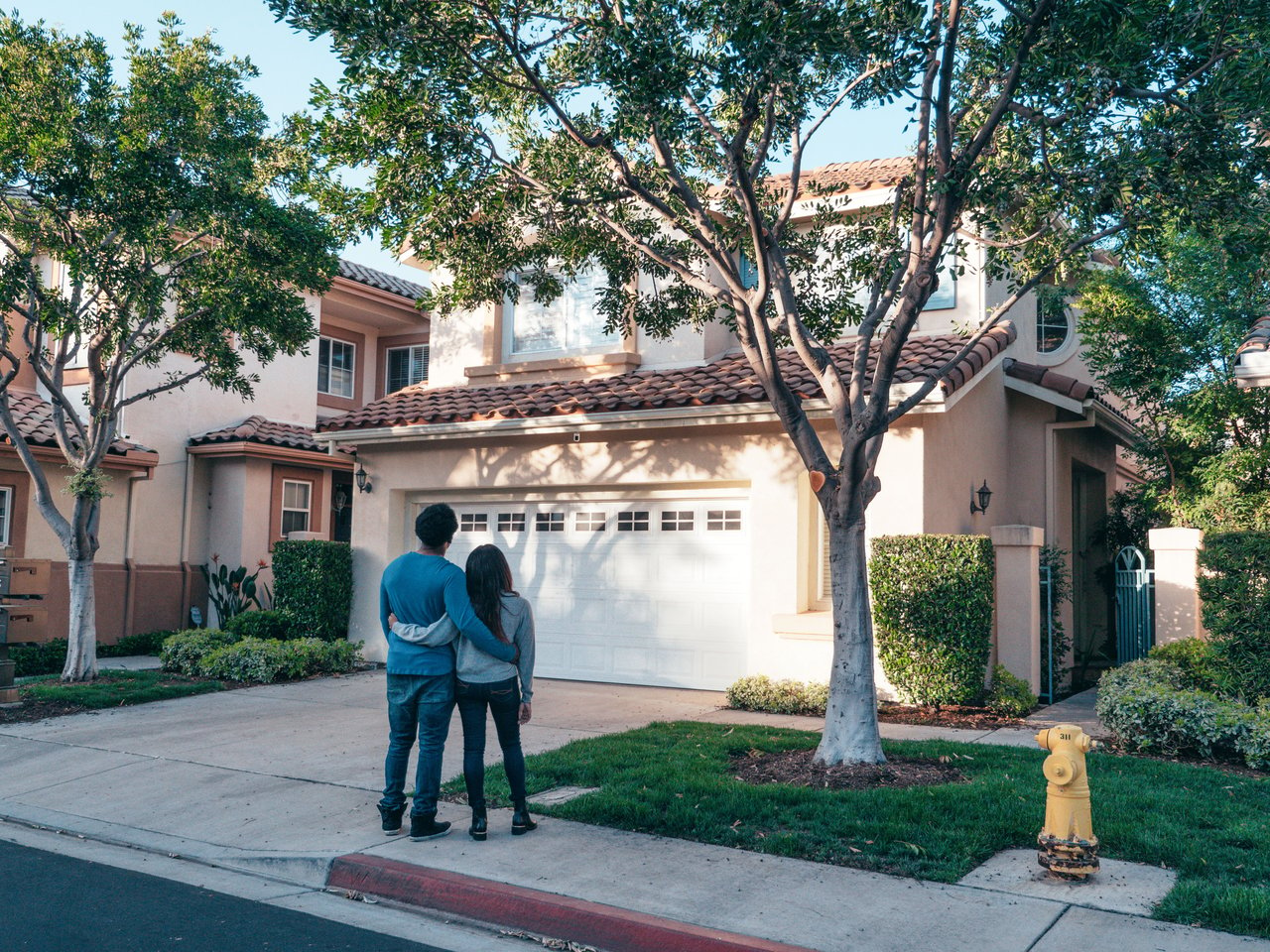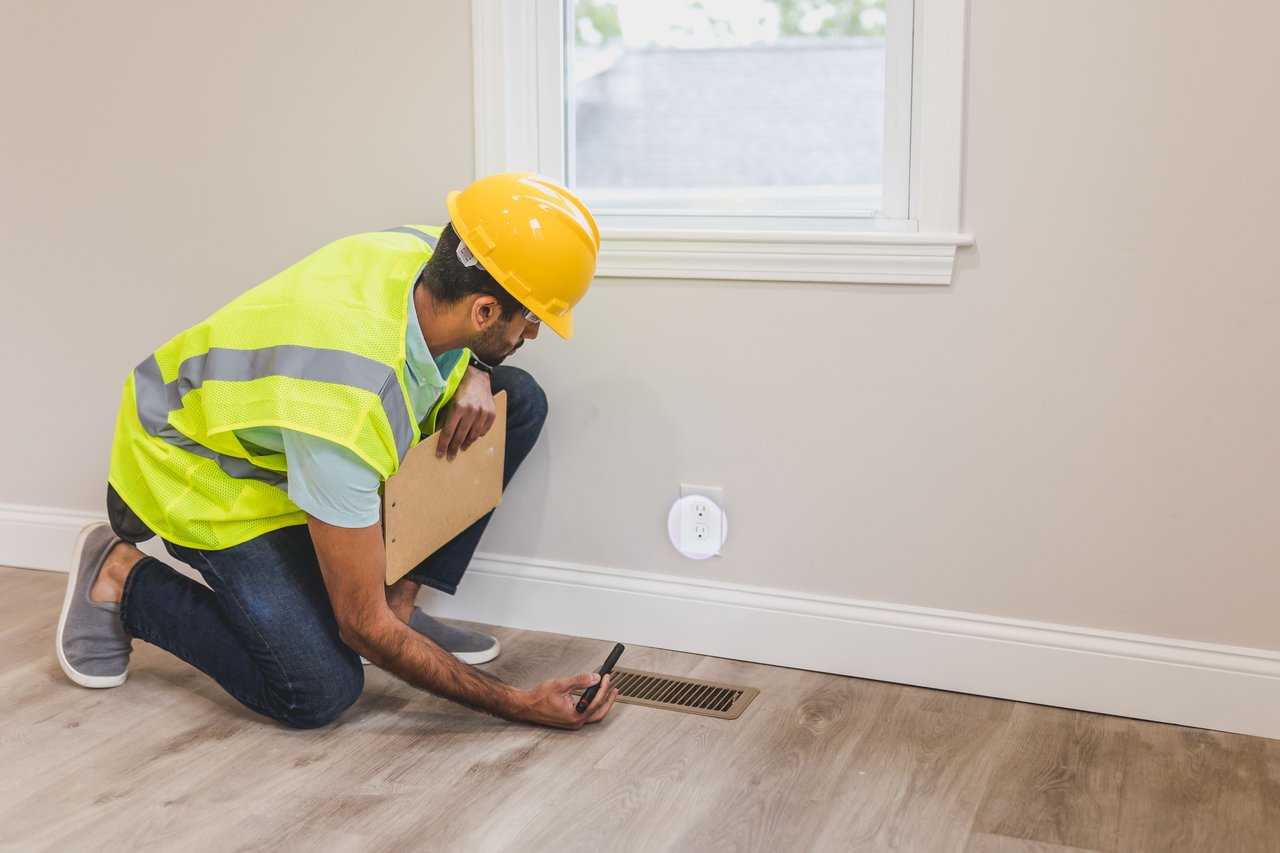
Should you inspect a brand-new home? Absolutely worth considering. New construction can offer beautiful finishes, modern systems, and builder warranties—but “new” does not automatically mean “perfect.” A pre-drywall inspection and a final inspection serve two different purposes and can help buyers understand what they are purchasing before closing.
Why I Recommend Inspections Even on Brand-New Construction
A brand-new home should be perfect.
Unfortunately, new does not automatically mean perfect.
Homes are built through the work of many different subcontractors, vendors, tradespeople, supervisors, and inspectors—often operating under tight construction schedules.
Even with a reputable builder, mistakes can happen.
Buying new construction does not eliminate the need for due diligence.
In some ways, it creates a unique opportunity to inspect parts of the home that resale buyers may never get to see.
Why the Pre-Drywall Inspection Matters
One of my favorite opportunities during the construction process is the pre-drywall inspection.
This inspection usually happens after much of the framing and rough mechanical work has been installed but before insulation and drywall conceal the interior of the walls.
At this stage, an inspector may be able to visually evaluate areas involving:
- Framing
- Plumbing installation
- Electrical rough-in
- HVAC installation
- Roof structure
- Water-management details
- Mechanical penetrations
- Other components that will later be concealed
Once insulation and drywall go up, many of these areas become much harder to observe directly.
If something needs correction, addressing it before the walls are closed may also be much simpler than discovering it after construction is substantially complete.
The value of a pre-drywall inspection is access.
You have a brief window to see parts of the house that may remain hidden for decades once construction moves forward.
Why I Also Recommend Considering a Final Inspection
The pre-drywall inspection is not the same as inspecting the finished home.
Once construction is substantially complete, a second inspection can evaluate the home in its finished condition.
At that point, the inspector may be able to review installed and operating components such as:
- Heating and cooling systems.
- Plumbing fixtures and water supply.
- Electrical outlets and fixtures.
- Windows and doors.
- Appliances included with the home.
- Roofing and exterior components.
- Drainage and grading.
- Interior finishes and visible defects.
Why Inspect Twice?
Because the two inspections answer different questions.
Inspection Stage | Primary Purpose |
|---|---|
Pre-Drywall Inspection | Reviews framing, rough plumbing, electrical, HVAC, structural elements, and other components before they are concealed. |
Final Inspection | Reviews the completed home, visible finishes, installed systems, fixtures, drainage, and overall functionality near completion. |
The first inspection looks at what is about to disappear behind the walls.
The second looks at the home you are actually preparing to close on.
“But Doesn't the Builder Already Inspect the House?”
Builders generally have their own quality-control processes, and local jurisdictions may conduct required inspections at different stages of construction.
Those inspections serve important purposes.
But a private inspection hired by the buyer serves a different role: it gives the buyer an additional independent set of eyes focused on the property they are purchasing.
A private inspector is not there to redesign the builder's work or demand that every cosmetic imperfection become a construction defect.
The purpose is to identify observable concerns and help the buyer understand the property's condition before the transaction moves forward.
New Construction Contracts Require Their Own Due Diligence
Buying new construction is also different from purchasing a typical resale home.
Georgia REALTORS® maintains new-construction-related exhibits and forms within its residential contract library, reflecting the fact that these transactions can involve additional considerations.
Depending on the builder and contract, buyers should pay close attention to issues such as:
- Inspection rights and deadlines
- Builder repair procedures
- Construction completion timelines
- Financing deadlines
- Earnest money and deposit provisions
- Builder incentives
- Preferred lender incentives
- Upgrade and design-center selections
- Warranty coverage
- Walk-through and punch-list procedures
Builder contracts can also differ substantially from standard resale contracts, so buyers should understand the actual agreement they are signing rather than assuming the process will work the same way as a resale transaction.
Remember Who the Builder's Representative Represents
One more important point:
The builder's representative represents the builder.
That does not mean the builder's sales representative is doing anything wrong.
A good builder and a good on-site representative may provide excellent communication and service.
But their role is still different from the role of a buyer's agent representing the purchaser's interests.
Buyers should independently understand:
- What the contract requires.
- What inspection rights they have.
- Which deadlines matter.
- How builder incentives affect the transaction.
- What financing terms are actually being offered.
- What the warranty does and does not cover.
- How identified defects or punch-list items will be handled.
Inspecting New Construction Is Not Being “Anti-Builder”
I sell new construction, and I am absolutely not anti-builder.
There are excellent builders throughout Metro Atlanta, and new construction can be a fantastic choice for the right buyer.
But I also believe that if you are spending hundreds of thousands—or even millions—of dollars on a home, professional oversight is a very reasonable investment.
An inspection is not about assuming something must be wrong.
It is about making sure the buyer has as much information as reasonably possible before completing one of the largest purchases of their life.
New construction should feel exciting.
The goal is to make sure that excitement is supported by good due diligence.
The Bottom Line for New-Construction Buyers
New construction offers something resale homes cannot: the opportunity to watch the property take shape from the ground up.
That also means buyers may have inspection opportunities that disappear once construction is complete.
A pre-drywall inspection can help evaluate components before they are concealed.
A final inspection can help evaluate the completed property and operating systems.
And throughout the process, understanding your contract, deadlines, builder procedures, incentives, financing, and warranty terms is just as important as choosing cabinets and countertops.
“Brand new” describes the age of the home.
It should not replace inspection, contract review, or thoughtful buyer representation.
Considering New Construction in Metro Atlanta?
The TJS Team can help you compare builders and communities, understand incentives and contract terms, coordinate inspections, evaluate financing options, monitor important deadlines, and represent your interests from the first model-home visit through closing.
Tina Jingru Sui | TJS Team
About Tina Jingru Sui
Tina Jingru Sui is the founder and leader of the TJS Team, serving buyers, sellers, investors, relocation clients, and new-construction buyers throughout Northern Metro Atlanta.
Tina and her team serve communities throughout Fulton, Forsyth, Gwinnett, Cobb, and surrounding counties, including Johns Creek, Alpharetta, Milton, Roswell, Suwanee, Duluth, Buford, Marietta, and beyond.
Keller Williams Atlanta Partners · (404) 375-2120
This article is provided for general informational purposes only and does not constitute legal, engineering, construction, inspection, tax, mortgage, or financial advice. Builder contracts, inspection rights, construction schedules, warranties, incentives, repair procedures, and buyer remedies can vary significantly by builder, community, property, and transaction. Buyers should review their specific contract and consult appropriately licensed inspectors, contractors, engineers, attorneys, lenders, and other professionals when needed. Equal Housing Opportunity. Tina Jingru Sui, GA License #392936, REALTOR®, affiliated with Keller Williams Atlanta Partners and regulated by the Georgia Real Estate Commission.