Can You Build an ADU or Guest House? What Georgia Buyers Need to Know
SEO Title: Can You Build an ADU or Guest House? What Georgia Buyers Need to Know
SEO Subtitle: Learn the key zoning, permitting, and property considerations before building an ADU or guest house in Georgia
As housing needs continue to evolve, more homebuyers are looking for properties that offer flexibility. Whether it's space for aging parents, adult children, long-term guests, a home office, or potential rental income, Accessory Dwelling Units (ADUs) and guest houses have become increasingly popular throughout Georgia.
However, before purchasing a property with plans to build an ADU or guest house, it's important to understand that not every property allows it. Local regulations, zoning laws, lot size requirements, and homeowner association rules can all affect what you're allowed to build.
If you're considering buying a property in Georgia and want additional living space in the future, here's what you need to know.
What Is an ADU?
An Accessory Dwelling Unit (ADU) is a secondary residential unit located on the same property as a primary home.
ADUs may include:
- Detached guest houses
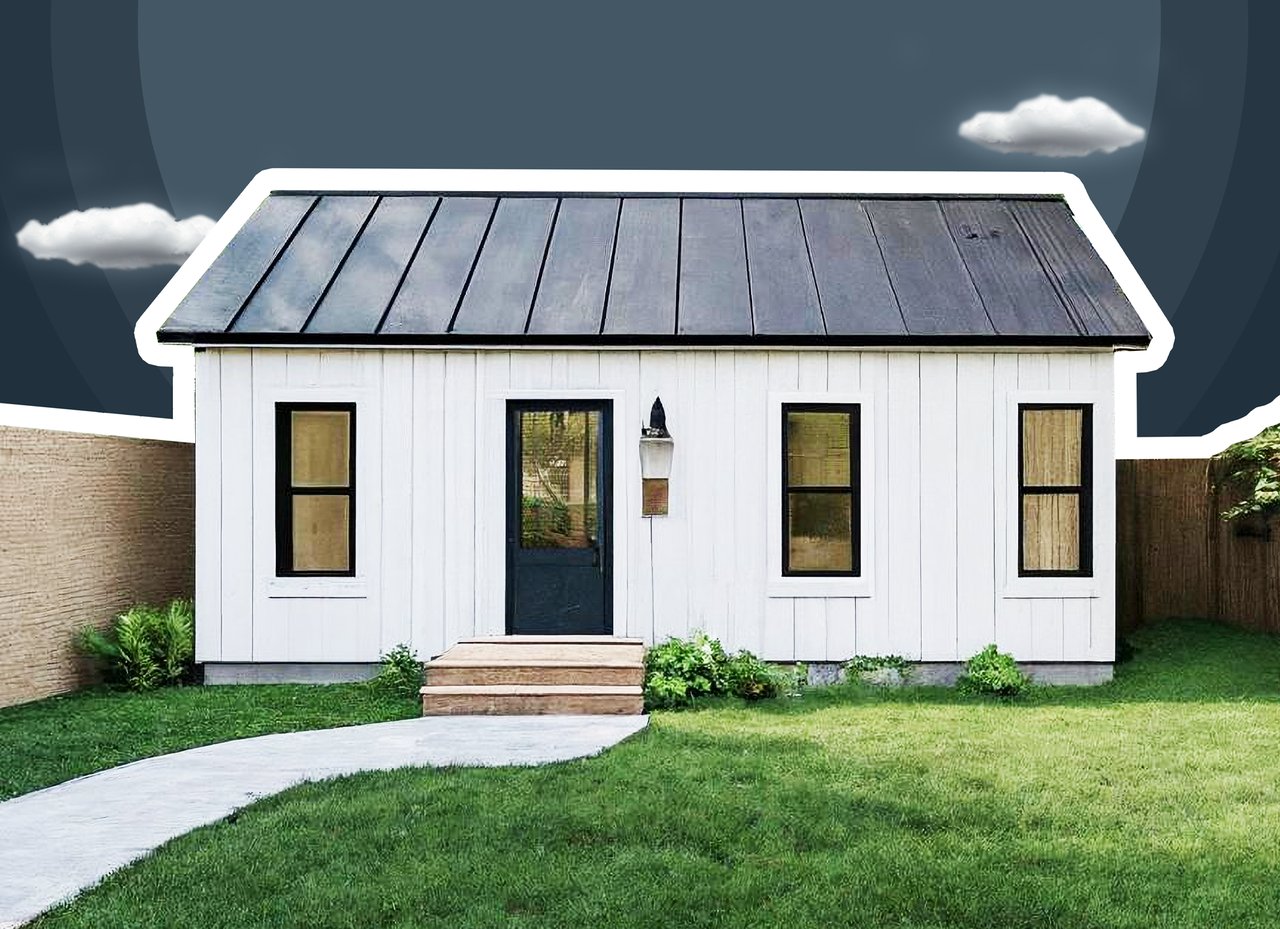
- Backyard cottages
- Garage apartments
- Basement apartments
- Above-garage living spaces
Typically, an ADU contains its own:
- Sleeping area
- Bathroom
- Kitchen or kitchenette
- Living space
What Is the Difference Between an ADU and a Guest House?
Although the terms are often used interchangeably, there can be differences.
Guest House
Generally used for:
- Family members
- Visitors
- Temporary guests
ADU
Often designed as a fully independent living space that may be occupied long-term.
The exact definitions vary by local jurisdiction.
Why Are Buyers Interested in ADUs?
ADUs offer flexibility and functionality that appeal to many homeowners.
Common reasons include:
- Housing aging parents
- Accommodating adult children
- Creating private guest accommodations
- Establishing a home office
- Providing caregiver housing
- Generating rental income (where permitted)
These benefits have increased demand for properties that support additional dwelling units.
Can You Build an ADU Anywhere in Georgia?
No.
ADU regulations vary significantly by:
- County
- City
- Municipality
- Zoning district
What is permitted in one location may not be allowed in another.
This is why researching local requirements before purchasing a property is essential.
1. What Is the Property Zoned For?
The first step is understanding the property's zoning classification.
Questions to ask include:
- Does the zoning permit ADUs?
- Are detached structures allowed?
- Are multiple dwelling units permitted?
Local planning departments can provide zoning information and development requirements.
2. Are There Minimum Lot Size Requirements?
Many jurisdictions establish minimum lot size requirements for properties with ADUs.
Factors may include:
- Total acreage
- Setback requirements
- Available buildable area
- Existing structures
A property may need sufficient space to accommodate an additional building legally.
3. Are There Setback Requirements?
Setbacks determine how close structures can be built to:
- Property lines
- Roads
- Existing buildings
These requirements vary by location and can affect ADU placement.
4. What Are the Size Restrictions?
Some local governments limit:
- Maximum square footage
- Height restrictions
- Number of bedrooms
These rules may influence how large the ADU can be.
5. Does the HOA Allow It?
Homeowners associations often have their own regulations.
Even if local zoning permits an ADU, an HOA may restrict:
- Detached structures
- Guest houses
- Rental activity
- Architectural design
Always review HOA guidelines before purchasing.
6. Will Utilities Support an Additional Unit?
Before building, determine whether utilities can accommodate another dwelling.
Questions include:
- Is water service available?
- Can the sewer system handle additional use?
- Is electrical service sufficient?
- Will upgrades be required?
Utility improvements can significantly affect project costs.
7. Will a Septic System Support an ADU?
For properties using septic systems, additional occupancy may require:
- System evaluation
- Expansion
- Replacement
Buyers should verify septic capacity before planning additional construction.
8. Will You Need Permits?
In most cases, yes.
Building an ADU generally requires permits related to:
- Construction
- Electrical systems
- Plumbing
- Mechanical systems
- Inspections
Failure to obtain proper permits can create legal and financial issues.
9. Can the ADU Be Used as a Rental Property?
Some buyers hope to generate rental income from an ADU.
However, regulations may vary regarding:
- Long-term rentals
- Short-term rentals
- Occupancy requirements
Local ordinances and HOA rules may affect rental opportunities.
10. How Will an ADU Affect Property Value?
An ADU may increase a property's appeal by providing:
- Flexible living arrangements
- Multi-generational housing options
- Additional usable space
However, value increases depend on:
- Location
- Quality of construction
- Local market demand
- Legal compliance
Not every market values ADUs equally.
ADUs and Multi-Generational Living
One of the fastest-growing reasons buyers seek ADUs is multi-generational living.
Families often use ADUs for:
- Aging parents
- Adult children
- Extended family members
Separate living spaces can provide both privacy and convenience.
Questions Buyers Should Ask Before Purchasing
If you're considering a future ADU, ask:
- Does zoning allow it?
- Are there HOA restrictions?
- Is there enough land?
- What utility upgrades may be required?
- What permits are needed?
- What are the estimated construction costs?
The answers can significantly influence whether a property is the right fit.
Popular Georgia Property Types for Future ADUs
Properties that may offer ADU potential often include:
- Larger suburban lots
- Acreage properties
- Rural residential parcels
- Homes without restrictive HOA regulations
Not every property will qualify, so careful evaluation is important.
Why Due Diligence Matters
Building an ADU involves more than simply having enough land.
Buyers should investigate:
- Zoning
- Building codes
- Utility access
- Easements
- Restrictions
Proper research can prevent costly surprises later.
How TJS Team Helps Buyers Explore ADU Opportunities
At TJS Team, we help buyers identify properties that support their long-term goals.
We assist clients by:
- Reviewing zoning information
- Evaluating lot characteristics
- Understanding local regulations
- Identifying potential restrictions
- Connecting buyers with trusted professionals
Our goal is to help buyers find properties that offer both current value and future flexibility.
Final Thoughts
ADUs and guest houses are becoming increasingly popular as homeowners seek more flexibility, privacy, and functionality from their properties. Whether you're planning for multi-generational living, future rental income, or additional workspace, it's important to understand that ADU regulations vary widely throughout Georgia. Before purchasing a property, buyers should carefully evaluate zoning, HOA rules, lot size requirements, utilities, and permitting requirements to ensure their plans are achievable.
If you're searching for a property in Metro Atlanta or North Georgia and want the option to build an ADU or guest house in the future, TJS Team can help you identify opportunities, understand local regulations, and make informed real estate decisions.
--
Tina Jingru Sui 隋静儒
Associate Broker | Team Leader of TJS Team, Keller Williams
Serving Metro Atlanta — Johns Creek, Alpharetta, Duluth, Suwanee, Buford, and beyond
404-375-2120
WeChat: tinasuirealty
Follow me on Instagram / 小红书 / WeChat / Facebook