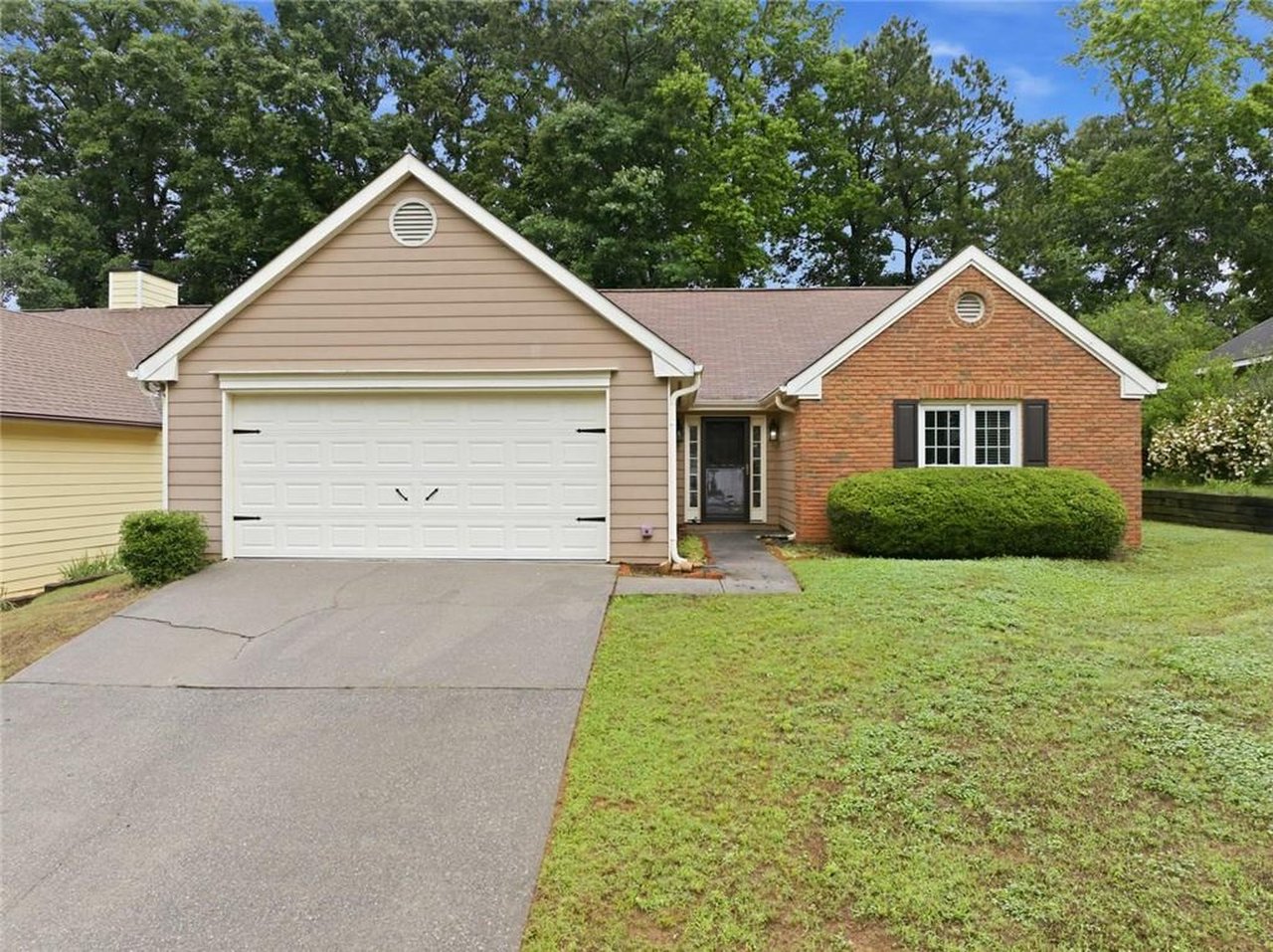
A 30-minute showing can tell you a lot about a house—but not everything about living there. Before making an offer, take time to evaluate the immediate block and surrounding area for traffic, parking, noise, sidewalks, nearby destinations, neighboring property conditions, and possible future development. You are not just choosing a floor plan. You are choosing the environment you will interact with every day.
Don’t Just Tour the House—Tour the Block
Before buying a home, look beyond the property itself. Learn how traffic, parking, noise, sidewalks, nearby amenities, neighboring properties, and future development can affect your daily experience.
When buyers walk into a home, their attention usually goes straight to the property itself.
They check:
- The kitchen.
- Bedrooms and bathrooms.
- Closets and storage.
- The backyard.
- The floor plan.
- Roof and major systems.
All of that matters.
But once you move in, your daily experience will also include everything immediately outside the property:
- The street.
- Traffic patterns.
- Parking.
- Sidewalks.
- Nearby roads and businesses.
- Surrounding properties.
Don't evaluate the home only as someone who is visiting for 30 minutes.
Evaluate it as someone who may live there every day.
What Should You Look at Beyond the House?
What to Observe | Why It Matters |
|---|---|
Surrounding Properties | Helps you understand the immediate physical setting and nearby maintenance patterns |
Noise | Can affect how you experience the property at different times |
Parking | Affects daily convenience for residents and visitors |
Traffic | Can change commute time and ease of entering or leaving the area |
Sidewalks & Connections | Helps you understand pedestrian access to nearby destinations |
Nearby Development | May affect future traffic, views, access, density, or land use |
1. Look at the Surrounding Properties
Before or after your showing, drive or walk through the immediate area from public streets and sidewalks.
Look objectively at:
- Exterior maintenance.
- Landscaping.
- Visible deferred maintenance.
- Street and driveway configuration.
- How close neighboring structures are.
- Vacant or undeveloped parcels nearby.
The condition of nearby properties does not create a simple dollar-for-dollar adjustment to the home you are considering.
But the immediate surroundings can influence how buyers experience and compare a property.
Look at the physical environment—not assumptions about the people who live there.
2. Listen Before You Leave
Noise is easy to miss during a showing because you may be talking with your agent, opening cabinets, measuring rooms, and discussing the property.
Take a minute to stop and listen.
Possible recurring external noise sources may include:
- Road traffic.
- Aircraft.
- Rail activity.
- Construction.
- Nearby commercial activity.
- Mechanical equipment.
Different buyers have different tolerances for sound.
The important question is not whether a street is objectively “quiet.”
It is whether the actual sound environment works for you.
One Showing Only Captures One Moment
If practical, observe the area from public spaces at different times:
Time | What You May Learn |
|---|---|
Morning | Commute traffic and road access |
Afternoon | Daytime activity and general traffic flow |
Evening | Parking, lighting, traffic, and evening activity |
Weekend | Different traffic, parking, and nearby commercial activity |
3. Don't Assume Parking Will Always Look Like It Did During the Showing
A street with plenty of open parking at noon may look very different after residents return home.
Consider:
- Garage dimensions and usability.
- Driveway capacity.
- Street parking.
- Guest parking.
- Ease of backing out.
- HOA or local parking rules.
A “2-car garage” describes a feature.
It does not automatically tell you whether your two vehicles will fit comfortably or whether daily access will be convenient.
4. Test the Traffic During the Time You Will Actually Use It
A home may look close to work on a map but still create a difficult daily commute.
If commute matters to you, consider checking:
- How easy it is to leave the neighborhood.
- Whether a difficult left turn is involved.
- Rush-hour conditions on nearby roads.
- Alternative routes.
- Travel time to the places you visit regularly.
Test the route at a time that resembles your real routine when possible.
A kitchen can be renovated.
You usually cannot renovate your commute.
5. Map the Places You Actually Use
Buyers often focus on the name of a neighborhood or city without measuring how the location works for their actual routine.
Instead, identify the destinations that matter to you, such as:
- Work.
- Grocery stores.
- Restaurants.
- Parks.
- Medical services.
- Shopping.
- Major road access.
- Other destinations you use frequently.
If public-school attendance assignment is part of your property search criteria, verify the specific property address directly with the applicable school district because attendance boundaries can change.
6. If Walking Matters to You, Look at the Actual Pedestrian Environment
A map can show that a park or store is nearby.
It does not always tell you what the route feels like to use.
Look objectively at:
- Sidewalk availability.
- Sidewalk continuity.
- Crosswalks.
- Traffic volume.
- Road width.
- Lighting.
- Connections to parks, stores, or other destinations.
Even buyers who drive most of the time may value having useful pedestrian connections nearby.
7. Look Back at the House From the Street and Nearby Public Areas
Buyers often stand inside the backyard and look outward.
It can also be useful to look at how surrounding structures relate to the property.
Consider:
- Neighboring windows.
- Deck and patio placement.
- Elevation differences.
- Fencing.
- Trees and landscaping.
- Distance between homes.
These factors can affect privacy, natural light, and how usable outdoor space feels.
Lot size tells you how much land the property has.
The relationship between buildings helps tell you how that land may actually feel to use.
8. Look for What Could Change Around the Property
Do not assume that an empty lot, wooded parcel, older shopping center, or nearby vacant property will always remain the way it looks today.
When nearby development could materially affect your decision, research may include:
- Planning and zoning records.
- Rezoning applications.
- Development applications.
- Road and infrastructure projects.
- Recorded plats.
- Publicly available land-use information.
Status | How to Think About It |
|---|---|
Proposed | An idea or application exists; outcome may change |
Approved | Some approvals may exist, but timing and completion are not guaranteed |
Under Construction | Physical work has begun, although timing and details can still change |
Completed | You can evaluate the actual development rather than a proposal |
Proposed development is not guaranteed development.
Research the status before building your purchase decision around what may happen later.
9. Use Your First Impression as a Question—not the Final Answer
Your immediate reaction to a location can be useful.
Maybe you notice:
- More traffic than expected.
- Limited street parking.
- A nearby commercial use you did not notice online.
- A road connection you like.
- A park within walking distance.
Instead of immediately deciding “good” or “bad,” investigate what you observed.
First impressions can tell you what questions deserve more attention.
What Touring the Block Cannot Tell You
Touring the immediate area is useful, but it has limits.
A short visit cannot reliably tell you:
- Every noise condition throughout the year.
- Every future development.
- Whether a hidden property defect exists.
- How property values will perform in the future.
- What future nearby residents will be like.
And visual observation of the people living nearby should never be used to make assumptions about protected characteristics or who “belongs” in a neighborhood.
Use objective property and location information instead.
The 10-Minute “Tour the Block” Checklist
☐ Drive or walk the immediate streets
☐ Observe neighboring property conditions objectively
☐ Stop and listen for recurring external noise
☐ Check street, driveway, and guest parking
☐ Test the route to a major road
☐ Map the places you use regularly
☐ Look at sidewalks, crossings, and pedestrian connections if they matter to you
☐ Review privacy from surrounding structures
☐ Notice vacant land or construction nearby
☐ Ask whether the external trade-offs work for your actual routine
Don't evaluate only:
House + Price
Also evaluate:
Traffic + Noise + Parking + Access + Surroundings + Daily Convenience + Future Changes
Frequently Asked Questions
Should I visit the neighborhood more than once?
If time allows, observing the area at different times can provide additional information about traffic, parking, lighting, and recurring external noise. One visit represents only one moment in time.
Can I walk around the neighboring properties?
Stay on public streets, sidewalks, or other areas where you are permitted to be. Do not enter private yards, driveways, homes, gated areas, or other private property without permission.
How can I evaluate walkability?
Look at objective features such as sidewalks, crossings, traffic volume, road design, lighting, and actual connections to destinations you want to reach. Online walkability tools can provide additional information, but visiting the route yourself may give useful context.
How do I check future development nearby?
Depending on the location, review applicable city or county planning, zoning, rezoning, permitting, land-use, and infrastructure records. Distinguish between projects that are proposed, approved, funded, under construction, and completed.
Does touring the block replace a home inspection?
No. Touring the block helps evaluate external and lifestyle considerations. A professional inspection and other appropriate due diligence are still important for evaluating the property's physical condition.
Final Thoughts
Buying a home means buying more than four walls.
You are also choosing:
A Street + A Commute + Parking + Nearby Destinations + External Conditions + A Daily Routine
None of those factors automatically make a property good or bad.
They are simply trade-offs you should understand before making a major purchase.
Before making an offer, spend a few extra minutes outside the house.
Sometimes what you learn on the block can be just as important as what you saw during the showing.
Considering a Home in Metro Atlanta?
Before writing an offer, we can help you evaluate more than the house itself—including recent comps, listing history, condition, floor plan, lot characteristics, traffic, nearby roads, current competition, HOA considerations, and other property-specific factors that may affect how well the home fits your goals.
Tina Jingru Sui | TJS Team
Search Metro Atlanta Homes at TinaSui.com →
About Tina Jingru Sui
Tina Jingru Sui is the founder and leader of the TJS Team, serving buyers, sellers, investors, and relocation clients throughout Metro Atlanta.
Tina and her team serve communities including Johns Creek, Alpharetta, Suwanee, Duluth, Buford, Dacula, Marietta, Roswell, Sandy Springs, Smyrna, Lawrenceville, and surrounding Metro Atlanta areas.
Keller Williams Atlanta Partners · (404) 375-2120
This article is provided for general informational and educational purposes only and does not constitute legal, inspection, engineering, appraisal, zoning, financial, investment, school-assignment, safety, or other professional advice. Traffic, parking, noise, lighting, commercial activity, pedestrian conditions, surrounding property conditions, and other neighborhood characteristics can vary by time, day, season, and individual circumstance. A short visit cannot establish all conditions that may affect a property. Observations about neighboring properties or residents should not be used to make assumptions based on race, color, religion, sex, disability, familial status, national origin, or other legally protected characteristics. Proposed or approved development may change, be delayed, or never be completed and does not guarantee future appreciation or depreciation. Public-school attendance assignments should be verified by exact property address with the applicable school district. Buyers should remain on public property or other areas where they have permission to be and should independently verify material information through appropriate due diligence and qualified professionals. Equal Housing Opportunity. Tina Jingru Sui, GA License #392936, REALTOR®, affiliated with Keller Williams Atlanta Partners and regulated by the Georgia Real Estate Commission.