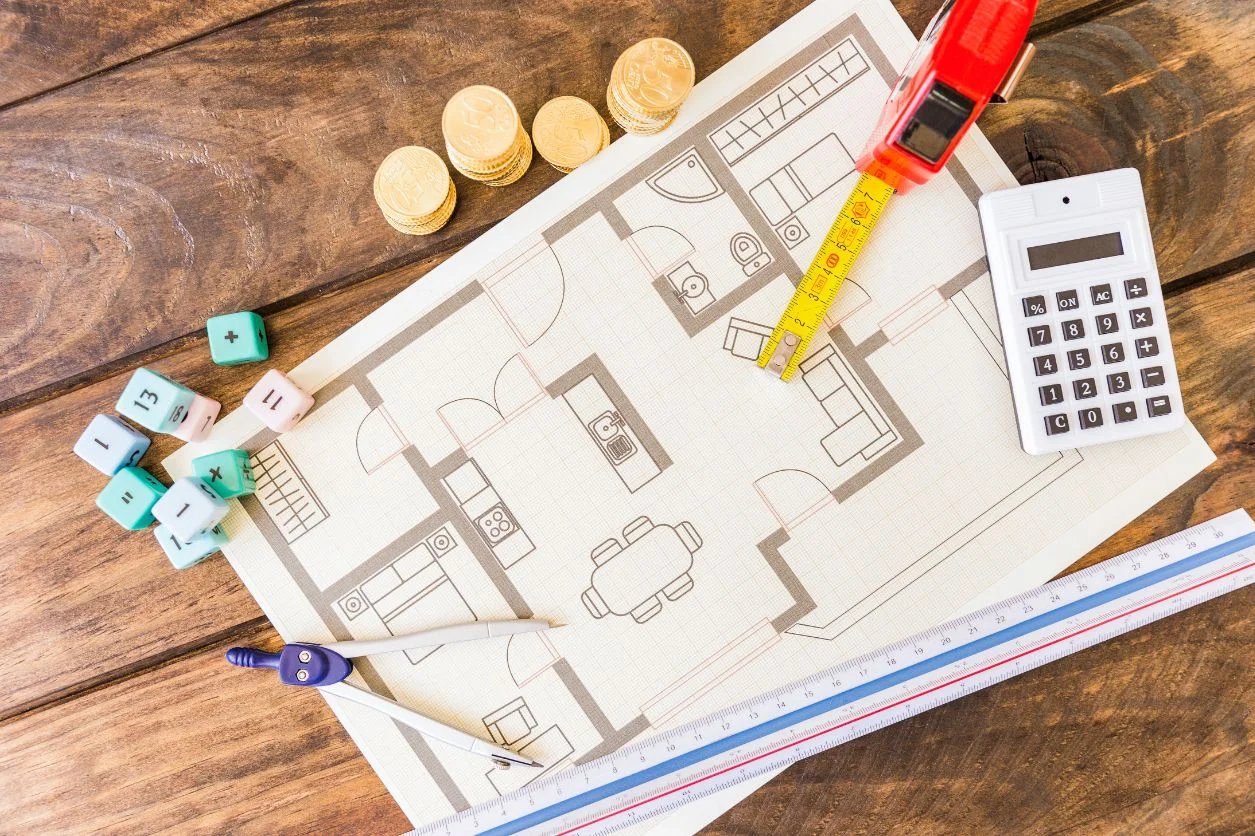
Downsizing is not really about moving into a smaller house. It is about deciding how you want to live for the next 10 or 20 years, then creating a transition plan that supports that life financially, practically, and emotionally.
Thinking About Downsizing? Start With the Life You Want Next
Many people think downsizing starts with selling the house.
I think it starts with a completely different question:
“How do you want to live for the next 10 or 20 years?”
Perhaps your children have moved out.
Maybe you no longer want stairs. Maybe maintaining a large yard has become more work than enjoyment. Maybe you want to travel more and spend less time taking care of a house.
Or perhaps a significant amount of your equity is sitting inside a property that no longer fits the way you actually live.
Those are all valid reasons to start thinking about what comes next.
Downsizing should not begin with “How quickly can we sell?”
It should begin with “What kind of life are we trying to create after we move?”
Three Questions I Ask Before We Ever List the Home
Before putting a property on the market, I like to help downsizing clients work through three major decisions.
1. Where Are You Going?
Selling the current home is only half of the move.
The bigger question is what type of home and lifestyle will serve you better afterward.
That might be:
- A one-level ranch
- A townhome
- A condominium
- An active-adult community
- A smaller detached home
But I don't think the decision should be based only on what works today.
We also need to think about how the property may function for you five, ten, or fifteen years from now.
Think About Future Needs, Not Only Current Ones
A home that feels perfectly manageable today may feel very different later.
Some of the questions worth considering include:
- Do you want to eliminate stairs?
- Is there a bedroom and full bathroom on the main level?
- How much exterior maintenance do you want?
- How close do you want to be to family?
- How important is access to healthcare?
- Do you want to be close to shopping and restaurants?
- Do you want lock-and-leave convenience for travel?
- Would an HOA-maintained community make life easier?
The best downsizing home is not necessarily the smallest home.
It is the home that removes the responsibilities you no longer want while preserving the lifestyle you still value.
2. What Should You Take With You?
This is often the part that feels most overwhelming.
A home accumulated over 20 or 30 years cannot realistically be packed in one weekend.
Closets, basements, garages, attics, storage rooms, furniture, family photographs, children's belongings, holiday decorations—it adds up.
So I usually recommend approaching the process from the opposite direction.
Start with what you want to keep.
Don't begin by staring at an entire house and asking, “How do I get rid of all of this?”
Ask instead:
“What do I want to be part of my next home?”
Once you know that, everything else becomes easier to organize.
A Simple Way to Sort the Rest
Category | What It Means |
|---|---|
Keep | Items that will genuinely be used, displayed, or enjoyed in the next home. |
Family | Heirlooms, photographs, furniture, or sentimental items family members want to keep. |
Donate | Useful items that no longer serve you but may benefit someone else. |
Sell | Items with enough value to justify the time and effort of selling them. |
Dispose | Broken, outdated, damaged, or unusable items that no longer need to follow you. |
This process is much easier when it happens gradually rather than under the pressure of a closing date.
If downsizing is even a possibility in the next year, you can start now.
One closet, one cabinet, one room at a time is enough.
You Do Not Have to Make Every Emotional Decision at Once
Some belongings are easy to sort.
Others are attached to decades of memories.
There is no reason those decisions have to be rushed just because the house is eventually going on the market.
A thoughtful downsizing plan gives you enough time to decide what matters without turning the process into an emergency.
3. Should You Buy First or Sell First?
There is no single correct answer.
This decision depends on your financial position, equity, available inventory, timing, comfort with risk, and the type of property you are trying to purchase.
Selling First May Give You More Financial Certainty
Selling before buying can make sense when knowing exactly how much equity you will receive is important to the next purchase.
Potential advantages may include:
- Knowing your exact sale proceeds before buying.
- Avoiding the cost of carrying two homes.
- Reducing financing uncertainty.
- Possibly making a stronger non-contingent purchase offer later.
The challenge is that you need somewhere to go after the sale.
Depending on timing, that may mean negotiating temporary occupancy, staying with family, renting temporarily, or arranging another transition.
Buying First Can Make the Physical Move Much Easier
For some downsizing clients, buying the next home first creates a much calmer transition.
You can move what you want to keep into the new home, then prepare and sell the old property without trying to live through staging, showings, packing, and moving all at once.
But buying first can create additional financial considerations.
You may need to evaluate:
- Whether you can qualify while still owning the current home.
- How much liquid cash is available.
- How long you are comfortable carrying two properties.
- Whether bridge financing or another lending strategy is appropriate.
- How quickly your current home is realistically likely to sell.
The important part is not whether you buy first or sell first.
The important part is making that decision intentionally before the For Sale sign goes in the yard.
Why I Want the Plan in Place Before We List
Once your home goes under contract, the timeline becomes very real.
Suddenly there are inspections, negotiations, moving arrangements, closing dates, utilities, paperwork, packing, and decisions happening simultaneously.
That is not the ideal moment to begin asking:
“Where are we actually going?”
“What furniture are we taking?”
“How are we going to buy the next house?”
Those conversations should happen before the listing begins.
A Better Downsizing Process
- Define the life you want next.
Decide which parts of your current lifestyle you want to keep and which responsibilities you want to leave behind. - Understand your financial position.
Review estimated home equity, selling costs, purchase budget, financing options, and cash reserves. - Identify the next housing options.
Explore ranch homes, townhomes, condos, active-adult communities, or smaller detached homes before committing to a sale. - Begin sorting belongings early.
Keep, family, donate, sell, and dispose—without trying to make every decision in one weekend. - Decide whether to buy or sell first.
Build the transaction sequence around your finances and comfort level. - Then prepare the current home for market.
Once the next step is clear, pricing, repairs, staging, marketing, and timing become much easier to manage.
Downsizing Is Financial—but It Is Also Emotional
This is the part that sometimes gets overlooked.
You are not merely selling square footage.
You may be leaving the house where your children grew up.
The kitchen where holidays happened.
The backyard where grandchildren played.
Rooms connected to years of routines, relationships, and memories.
Even when the move is absolutely the right decision, it can still be emotional.
A home can stop fitting your life without becoming any less meaningful to you.
That deserves more than a transaction checklist.
Downsizing isn't really about living with less.
It is about creating a home and lifestyle that fit what comes next.
The Bottom Line
You do not need to have every answer before you begin thinking about downsizing.
You also do not need to decide today that the house has to be sold next month.
Sometimes the first step is simply understanding what your current home may be worth, how much equity you have, what your next housing options look like, and how a move could be structured.
Then you can decide whether the timing makes sense.
Our job is to create a clear process so you can make the move at your pace, understand your options, and feel confident about what comes next.
Thinking About Downsizing in Metro Atlanta?
You do not have to start by putting your home on the market. We can begin with a private conversation about your home value, equity, next housing options, timing, and whether buying first or selling first makes the most sense for you.
Tina Jingru Sui | TJS Team
About Tina Jingru Sui
Tina Jingru Sui is the founder and leader of the TJS Team, serving homeowners, buyers, sellers, investors, relocation clients, and downsizing families throughout Northern Metro Atlanta.
Tina and her team serve communities throughout Fulton, Forsyth, Gwinnett, Cobb, and surrounding counties, including Johns Creek, Alpharetta, Milton, Roswell, Suwanee, Duluth, Buford, Marietta, and beyond.
Keller Williams Atlanta Partners · (404) 375-2120
This article is provided for general informational purposes only and does not constitute legal, tax, estate-planning, lending, investment, or financial advice. Home values, equity, financing options, selling costs, housing availability, and transaction strategies vary by property and individual circumstances. Homeowners should verify current information and consult appropriately licensed legal, tax, lending, financial, and other professionals when needed. Equal Housing Opportunity. Tina Jingru Sui, GA License #392936, REALTOR®, affiliated with Keller Williams Atlanta Partners and regulated by the Georgia Real Estate Commission.