From For Sale to For Rent: What Homeowners Should Change Before Finding Tenants
Selling a home does not always go as planned. Sometimes, a property stays on the market longer than expected, or homeowners decide that renting is a better option for now.
Changing a home from for sale to for rent requires more than simply removing the listing sign. Homeowners need to prepare the property for tenants, review their finances, and make a few important changes before advertising it as a rental.
Here are some steps to take before finding your first tenant.
1Review Your Decision to Rent
Before making changes to the property, consider whether renting is the right choice.
Think about your monthly mortgage payment, property taxes, insurance, maintenance costs, and other expenses. Compare these costs with the rental income you may receive.
You should also consider how long you plan to keep the property. Renting may be a temporary solution while you wait for a better opportunity to sell.
2Remove Personal Items and Prepare the Space
A home that was previously for sale may still contain personal belongings, decorations, or furniture.
Before renting it out:
- Remove personal documents and valuable items.
- Clear out unnecessary furniture and storage.
- Clean closets, cabinets, and countertops.
- Make sure every room is ready for everyday use.
- Check that appliances and fixtures are working properly.
A clean and organized property can make a better first impression on potential tenants.
3Complete Necessary Repairs
Buyers may have been willing to make certain improvements themselves, but tenants usually expect a property that is safe, clean, and functional.
Check important areas such as:
- Plumbing and water fixtures
- Heating and air conditioning systems
- Kitchen appliances
- Electrical outlets and lighting
- Doors, windows, and locks
- Smoke alarms and carbon monoxide detectors
Take care of important repairs before allowing tenants to move in. Keep records of completed work and maintenance expenses.
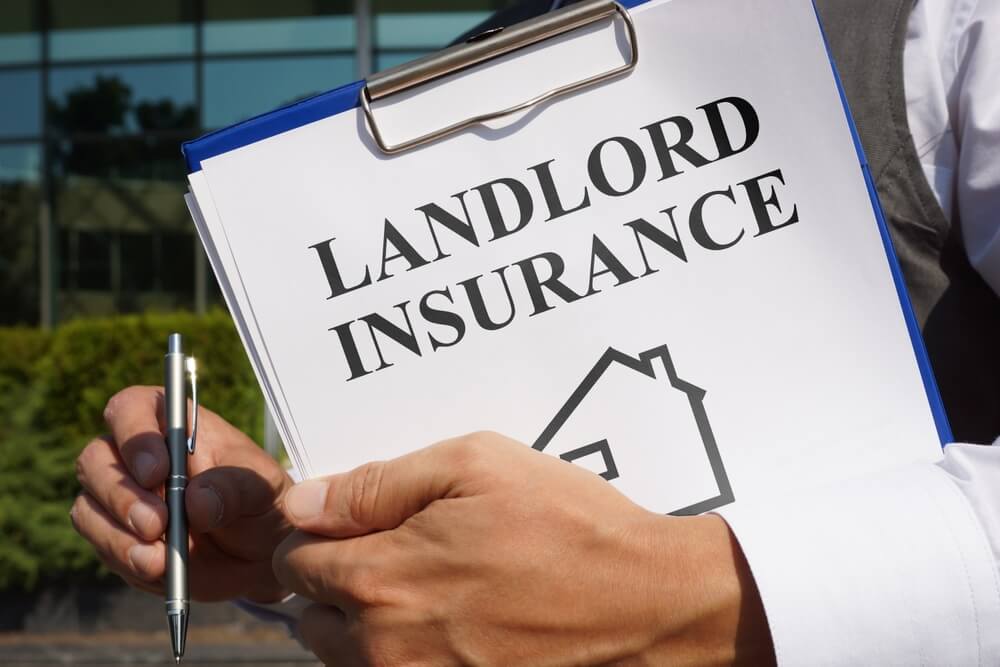
4Review Your Insurance Coverage
Your insurance needs may change when you move from selling a property to renting it out.
A standard homeowner's insurance policy may not provide the right coverage for a rental property. Contact your insurance provider to discuss landlord insurance and possible liability coverage.
Make sure your policy reflects how the property will be used before a tenant moves in.
5Check HOA Rules and Local Requirements
If your property is part of a homeowners association, review its rental policies before advertising the home.
Some communities may have rental restrictions, lease requirements, or limits on the number of rental properties.
Homeowners should also review applicable local requirements, safety rules, and landlord responsibilities. Requirements can vary depending on the property's location.
6Determine a Competitive Rental Price
The price that did not attract buyers may not be the right price for renters either.
Research similar rental properties in your area. Compare:
- Monthly rental prices
- Property size and number of bedrooms
- Location and nearby amenities
- Property condition
- Included appliances and utilities
- Parking and outdoor space
Setting a realistic rental price can help attract qualified tenants and reduce the time your property stays vacant.
7Prepare Your Rental Listing
A rental listing should highlight the features that matter to tenants.
Take clear, updated photos of the property and write a description that includes the number of bedrooms and bathrooms, available appliances, parking arrangements, pet policies, and lease terms.
Be honest about the property's condition and clearly explain what is included in the rent.
8Establish Tenant Screening and Lease Procedures
Before accepting applications, decide how you will evaluate potential tenants.
Create a consistent screening process that may include income verification, rental history, references, and credit or background checks where legally permitted.
Prepare a written lease that explains:
- Monthly rent and payment due dates
- Security deposit requirements
- Lease length and renewal terms
- Maintenance responsibilities
- Pet and parking policies
- Rules for property access and inspections
Use clear written agreements and follow applicable landlord-tenant laws.
At a Glance: Continue Selling or Convert to a Rental?
Factor | Continue Selling | Convert to Rental |
|---|---|---|
Primary goal | Complete a sale and access proceeds | Keep ownership and seek rental income |
Ongoing costs | Holding expenses until closing | Mortgage, taxes, insurance, repairs, vacancy and management |
Preparation | Buyer-focused presentation and marketing | Tenant-ready condition, lease, screening and rental listing |
Key risks | Longer marketing time and possible price changes | Vacancy, maintenance, tenant issues and compliance obligations |
Documents to review | Existing listing agreement | Insurance, HOA rules, lease, lender restrictions and applicable requirements |
This is a planning overview, not a projection of financial returns. Actual costs and restrictions depend on the property and agreements.
Before You List It for Rent: Quick Checklist
Conclusion
Changing a property from for sale to for rent can give homeowners another option when the home does not sell as expected. However, the transition requires careful preparation, from completing repairs and reviewing insurance to setting rental prices and screening tenants.
For Metro Atlanta homeowners considering whether to sell, rent, or hold their property, Tina Jingru Sui, Associate Broker and Team Leader of the TJS Team at Keller Williams Atlanta Partners, can help you understand local real estate conditions and evaluate your next steps.
Visit TinaSui.com to learn more.
Frequently Asked Questions
1. Can I rent out my home after it has been listed for sale?
Yes. Homeowners may choose to rent their property instead of continuing to sell. Review your listing agreement and any applicable obligations before making the change.
2. Should I repair my home before renting it out?
Yes. Address safety concerns and important maintenance issues. A clean, functional home can make it easier to attract tenants.
3. How do I determine the right rental price?
Compare similar rental properties in the same area. Consider the home's size, condition, location, and included features.
4. Do I need different insurance when renting out my home?
You may need landlord insurance or additional coverage. Contact your insurance provider to understand your options.
5. Should I manage the rental property myself or hire a property manager?
It depends on your availability, experience, and willingness to handle tenant communication, maintenance, rent collection, and lease responsibilities. A professional property manager may help handle these tasks.
Not Sure Whether to Sell or Rent?
Explore your options with Tina Jingru Sui and the TJS Team. Get guidance informed by your property, local market and long-term goals.