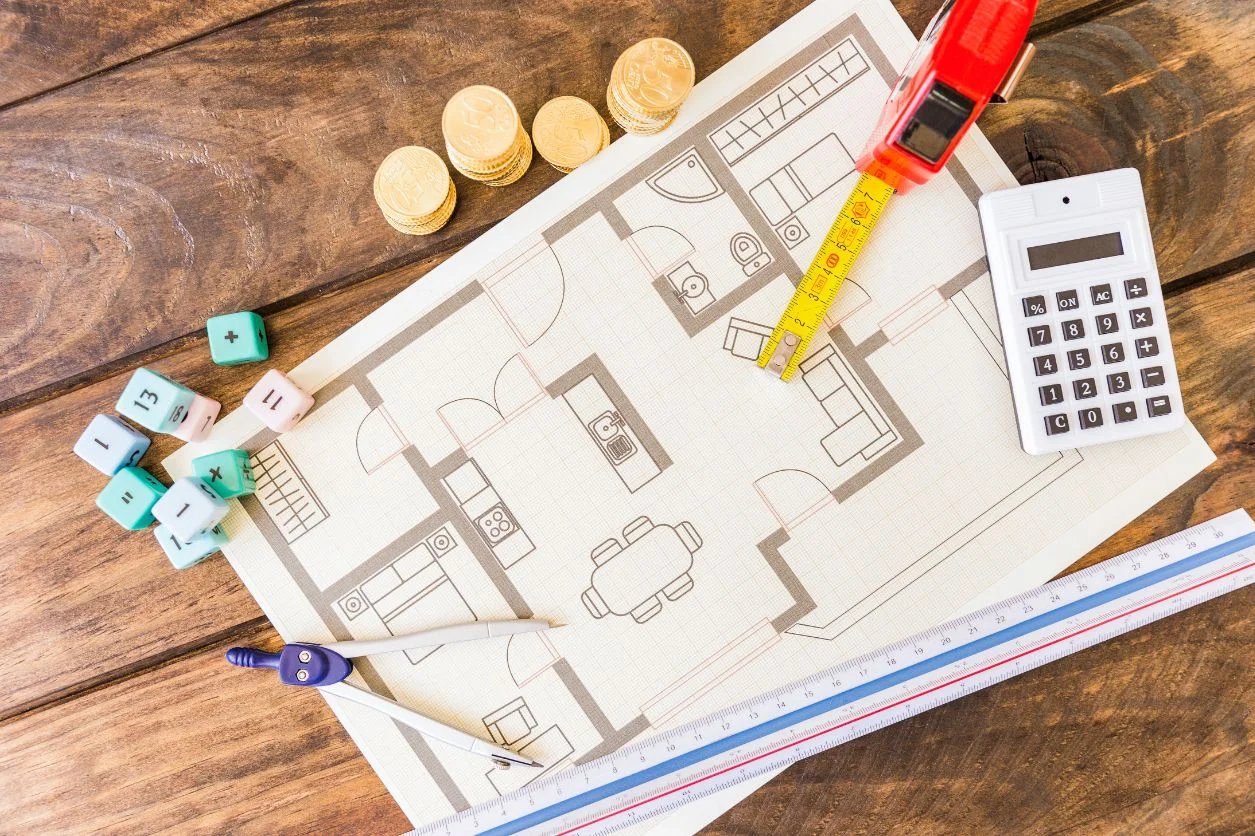
You do not need to completely renovate a home before selling it. In many cases, the better strategy is to focus on the improvements buyers notice most: cleanliness, paint, lighting, curb appeal, minor repairs, decluttering, and a few strategic updates. The goal is not to make the home perfect. It is to make it feel clean, cared for, functional, and competitively positioned without overspending.
Home Renovations That Can Improve Buyer Appeal Without Overspending
Simple and affordable home improvements that can make your property more attractive to buyers without unnecessary renovation costs.
Selling a home does not automatically mean you need a completely remodeled kitchen, brand-new bathrooms, or tens of thousands of dollars in upgrades.
In fact, one of the biggest mistakes a seller can make is spending heavily on renovations without first understanding what buyers in that particular market are willing to pay for.
Sometimes the most effective improvements are much simpler.
A home that is clean, bright, uncluttered, well maintained, and easy to understand can often make a stronger impression than a home with expensive improvements but poor presentation.
The best pre-sale renovation strategy is not:
“How much can I upgrade?”
It is: “Where can I spend money that meaningfully improves buyer perception or removes an obvious objection?”
Where Should Sellers Usually Start?
Priority | Why It Matters |
|---|---|
Clean | Helps the property feel better maintained and photographs better |
Declutter | Helps buyers focus on the room, layout, and storage |
Repair | Removes obvious maintenance concerns that may create buyer hesitation |
Refresh | Paint, lighting, and hardware can update appearance without a full remodel |
Improve Curb Appeal | Strengthens the first impression before buyers enter the home |
Consider Larger Projects Last | Large renovations should be justified by local market evidence |
1. Start With a Deep Cleaning
One of the least expensive ways to improve a home's presentation is also one of the most important.
A clean property can feel brighter, better maintained, and easier for buyers to imagine themselves owning.
Pay special attention to:
- Floors.
- Windows.
- Kitchen surfaces.
- Bathrooms.
- Baseboards.
- Light fixtures.
- Appliances.
- Closets.
- Garage and utility areas.
Sellers sometimes focus heavily on remodeling while overlooking cleanliness.
A $500 light fixture cannot compensate for a home that feels dirty or poorly maintained.
2. Refresh Paint Where It Matters
Paint can be one of the most visible improvements for the money spent.
But you do not necessarily need to repaint the entire house.
Prioritize:
- Scuffed or damaged walls.
- High-traffic areas.
- Strong or highly personalized colors.
- Dark rooms that could benefit from a lighter finish.
- Damaged trim or doors.
Neutral, coordinated colors can make the home easier to photograph and may help buyers focus on the property's layout rather than the seller's decorating choices.
The goal of pre-sale paint is not to create your dream color palette.
It is to make the home feel clean, consistent, and broadly presentable.
3. Improve Curb Appeal Before Spending Heavily Inside
Buyers form an opinion before they walk through the front door.
Simple exterior improvements may include:
- Mowing and edging the lawn.
- Trimming shrubs.
- Removing dead plants.
- Adding fresh mulch where appropriate.
- Cleaning the driveway or walkway.
- Cleaning exterior surfaces.
- Washing windows.
- Touching up or repainting the front door.
- Replacing worn or difficult-to-read house numbers.
You do not necessarily need elaborate landscaping.
Clean and maintained usually matters more than complicated and expensive.
4. Update a Few High-Impact Light Fixtures
Lighting can strongly affect how a home feels in photos and during showings.
Older or visually heavy fixtures may make an otherwise updated room feel dated.
Focus on visible locations such as:
- Entryway.
- Dining room.
- Kitchen.
- Bathrooms.
- Hallways.
The goal is not necessarily to install expensive designer fixtures.
Choose something appropriately scaled and consistent with the home's style.
5. Replace Obviously Outdated Hardware
Small details can influence the overall impression of a room.
Depending on condition and style, sellers might consider updating:
- Cabinet pulls.
- Drawer handles.
- Door hardware.
- Bathroom accessories.
- Faucets when visibly worn or outdated.
You do not need to replace every piece of hardware simply because it is older.
Focus on the areas where a relatively small change noticeably improves presentation.
6. Refresh the Kitchen Before You Remodel It
Kitchens are highly visible during a home search.
But a full kitchen renovation can become one of the most expensive projects a seller takes on.
Before replacing everything, consider whether smaller improvements would accomplish enough.
Options may include:
- Deep cleaning cabinets and appliances.
- Replacing worn hardware.
- Updating lighting.
- Replacing a visibly worn faucet.
- Repairing damaged cabinet doors.
- Painting cabinets when appropriate and professionally executed.
- Adding a simple backsplash if it materially improves the space.
- Replacing damaged countertops when justified by the property's price point and competition.
A kitchen does not always have to look brand new.
It does need to look clean, functional, and appropriately maintained for the home's price range.
7. Refresh Bathrooms Without Automatically Gutting Them
Bathrooms often respond well to smaller cosmetic improvements.
Consider:
- Fresh caulk.
- Updated mirror.
- New lighting.
- Fresh paint.
- Cabinet hardware.
- Replacement faucet when appropriate.
- Thorough cleaning of tile, grout, glass, and fixtures.
A small amount of visible deterioration—such as deteriorated caulk or damaged trim—can sometimes make buyers wonder what else has not been maintained.
8. Repair the Small Things Buyers Will Notice
Sellers often stop noticing minor issues because they have lived with them for years.
Buyers notice them immediately.
Walk through the home and identify items such as:
- Loose handles.
- Sticking doors.
- Damaged switch plates.
- Cracked tiles.
- Small drywall damage.
- Damaged trim.
- Dripping faucets.
- Burned-out bulbs.
One loose handle is a small issue.
Ten small maintenance issues can create a larger impression that the home has not been cared for.
9. Declutter Before You Spend Money Renovating
Decluttering costs little but can have a major effect on how buyers experience the home.
Reduce unnecessary items on:
- Kitchen counters.
- Bathroom counters.
- Shelves.
- Closets.
- Bedroom furniture.
- Garage floors and storage areas.
Buyers are trying to understand the size and functionality of the space.
Too many belongings can make that harder.
10. Don't Over-Improve for the Neighborhood
One of the most expensive seller mistakes is assuming:
“If I spend $50,000, my house will automatically be worth $50,000 more.”
Real estate does not usually work that way.
Renovation cost and market value are two different things.
The return on a project can depend on:
- Neighborhood price range.
- Current competition.
- Existing home condition.
- Quality of the renovation.
- Buyer preferences.
- How long you plan to own the property before selling.
Cost is what you spend.
Market value is what buyers are willing to recognize.
They are not always the same number.
Renovations Sellers Should Think Carefully About
These projects are not automatically bad.
But they deserve a stronger financial justification when the goal is to sell soon:
- Complete kitchen remodels.
- Complete bathroom remodels.
- Major additions.
- Very expensive landscaping.
- Highly personalized finishes.
- Luxury materials well above nearby comparable properties.
- Projects with long timelines that could delay the listing significantly.
There are situations where a larger renovation makes sense.
For example, if nearly every competing home has a feature your property lacks, a larger update could improve marketability.
But the decision should be driven by actual comparable sales and current competition—not simply by the seller's personal taste.
Repair First, Renovate Second
Sellers often want to spend money on visible upgrades while ignoring less exciting maintenance issues.
That may be the wrong order.
Clean → Declutter → Repair → Refresh → Improve Curb Appeal → Evaluate Larger Renovations
A buyer may care more about an active leak, damaged siding, or an HVAC concern than whether the kitchen has the newest cabinet color.
Cosmetic Updates vs. Major Systems
Sellers should also think about how buyers may compare cosmetic improvements with major-system age.
Cosmetic Improvements | Major Ownership Considerations |
|---|---|
Fresh paint | Roof age and condition |
New lighting | HVAC age and condition |
Updated hardware | Water heater |
New faucet | Plumbing or electrical concerns |
Cosmetic improvements can improve presentation.
But they do not erase legitimate concerns buyers may have about larger future expenses.
Don't spend $15,000 making a home prettier if buyers are likely to focus first on a major unresolved maintenance issue.
Ask These 3 Questions Before Starting a Renovation
1. Is this fixing a problem buyers are likely to notice?
2. Does this help my home compete with similar properties currently on the market?
3. Is the likely improvement in marketability worth the cost, time, and risk of the project?
Think Like a Buyer
One of the best pre-listing exercises is to walk through your home as if you were seeing it for the first time.
Ask:
What would I notice first?
What would make me hesitate to make an offer?
The answer may not be the old bathroom countertop.
It could be clutter.
It could be dark paint.
It could be damaged trim, poor curb appeal, an obvious leak, or simply a home that feels like it has not been maintained.
A Simple Pre-Sale Improvement Checklist
☐ Deep clean the property
☐ Declutter rooms, counters, and closets
☐ Touch up or refresh paint where needed
☐ Improve curb appeal
☐ Repair visible maintenance items
☐ Replace outdated hardware selectively
☐ Update high-impact light fixtures if needed
☐ Refresh the kitchen strategically rather than automatically remodeling it
☐ Refresh bathrooms where small updates can make a difference
☐ Clean windows and appliances
☐ Organize the garage and storage areas
☐ Review comparable sales before approving a major renovation budget
The goal is not to make buyers say:
“The seller spent a lot of money.”
The goal is to make buyers think:
“This home feels well cared for, attractive, and worth considering.”
Frequently Asked Questions
Do I need to renovate my kitchen before selling?
Not necessarily. A full kitchen remodel may not be justified if the existing kitchen is functional and competing homes are similar. Cleaning, paint, hardware, lighting, minor repairs, or selective updates may provide enough improvement. Review comparable sales and current competition before committing to a large project.
Does every renovation increase my sale price?
No. Renovation costs do not translate dollar-for-dollar into market value. The impact depends on buyer demand, location, quality, property condition, price range, and how similar homes are selling.
What is the best low-cost improvement before selling?
There is no single answer for every property, but deep cleaning, decluttering, paint touch-ups, minor repairs, lighting improvements, and curb-appeal work can often improve presentation without requiring major renovation expenses.
Should I replace an older roof or HVAC before listing?
Not automatically. Age alone does not mean a system is defective or must be replaced. Consider its actual condition, remaining functionality, current market expectations, comparable properties, the likely buyer response, and the cost of replacement before deciding.
Is staging more important than renovating?
They solve different problems. Staging and presentation can help buyers understand how a space functions, while renovation changes the property itself. If the home is fundamentally in reasonable condition, better presentation may sometimes provide more practical benefit than a costly remodel.
Final Thoughts
You do not need to completely transform your home before selling it.
In many situations, the better strategy is much simpler:
Clean + Declutter + Repair + Refresh + Improve Curb Appeal
Then evaluate whether larger improvements are actually supported by the local market.
Sellers should avoid assuming that expensive automatically means valuable.
The best renovation strategy is the one that improves buyer perception, removes meaningful objections, and makes the property more competitive without unnecessarily reducing your net proceeds.
Sometimes the best pre-sale renovation is not a renovation at all.
It is making the home feel clean, cared for, functional, and ready for its next owner.
Not Sure What to Improve Before Selling?
Before spending money on renovations, we can review your home's current condition, recent comparable sales, active competition, buyer expectations, preparation priorities, and likely objections so you can decide what is worth improving—and what may not be worth the cost.
Tina Jingru Sui | TJS Team
About Tina Jingru Sui
Tina Jingru Sui is the founder and leader of the TJS Team, serving sellers, buyers, investors, and relocation clients throughout Metro Atlanta.
Tina and her team serve communities including Johns Creek, Alpharetta, Suwanee, Duluth, Buford, Dacula, Marietta, Roswell, Sandy Springs, Smyrna, Lawrenceville, and surrounding Metro Atlanta areas.
Keller Williams Atlanta Partners · (404) 375-2120
This article is provided for general informational and educational purposes only and does not constitute legal, tax, appraisal, construction, engineering, investment, or financial advice. Renovation costs, buyer preferences, market value, repair requirements, permitting requirements, resale results, and return on investment vary by property, location, contractor, market conditions, workmanship, and project scope. No repair, renovation, staging, preparation, or marketing strategy can guarantee a specific sale price, return, appraisal result, market time, or buyer response. Sellers should obtain appropriate estimates, permits, inspections, and professional advice before completing material repairs or renovations. Brokerage compensation is negotiable and determined by agreement between the relevant parties. Equal Housing Opportunity. Tina Jingru Sui, GA License #392936, REALTOR®, affiliated with Keller Williams Atlanta Partners and regulated by the Georgia Real Estate Commission.