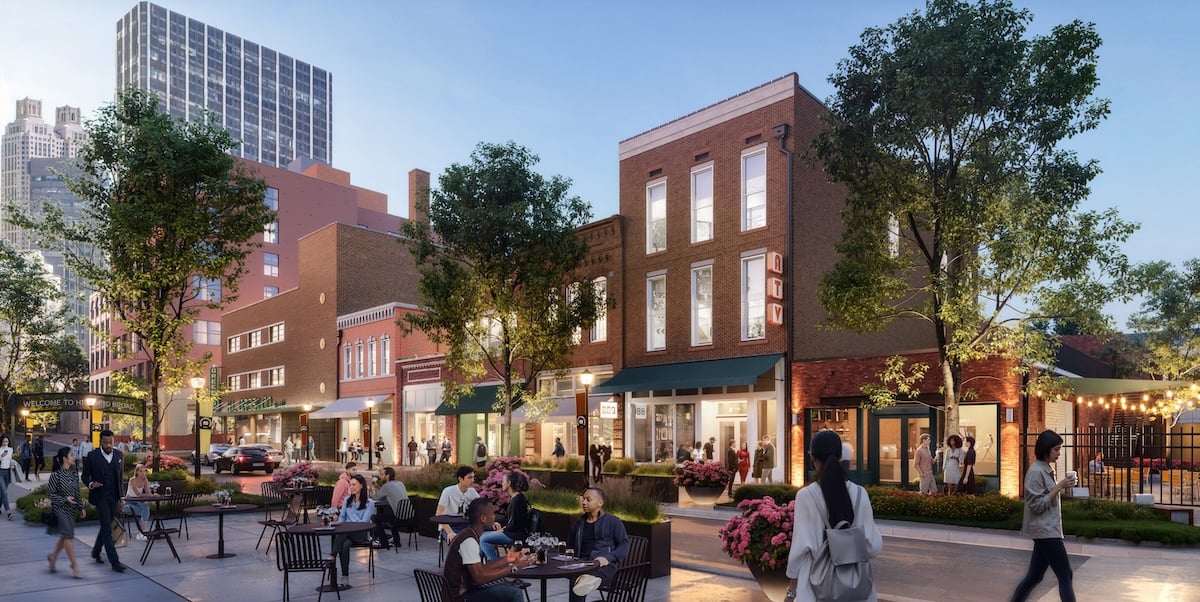
How Atlanta’s Growing Economy Influences Real Estate Demand
Atlanta has become one of the fastest-growing economic centers in the United States. Over the past several years, the city has experienced major growth in industries such as technology, healthcare, logistics, finance, and entertainment. As businesses continue expanding throughout the region, Atlanta has attracted new residents, investors, and homebuyers seeking career opportunities and long-term growth potential.
Economic growth and real estate demand are closely connected. As more people move to Atlanta for employment and lifestyle opportunities, demand for housing often increases. This can influence home prices, rental markets, neighborhood development, and new construction activity across the metro area.
Understanding how Atlanta’s economy affects the housing market can help buyers, sellers, and investors make more informed real estate decisions.
1. Job Growth Continues to Attract New Residents
One of the biggest drivers of housing demand is employment growth.
Atlanta continues attracting workers in industries such as:
- Technology
- Healthcare
- Finance
- Logistics
- Entertainment
As companies hire more employees, more people relocate to the area, increasing the need for housing.
2. Corporate Expansion Supports Housing Demand
Many large companies maintain major operations in Atlanta, including:
Corporate growth often increases:
- Relocation activity
- Rental demand
- Homebuyer interest
Business expansion can strongly influence local real estate markets.
3. Population Growth Increases Housing Needs
Atlanta’s growing population continues creating demand for:
- Apartments
- Condominiums
- Single-family homes
- Suburban communities
Population growth often contributes to increased market activity throughout the region.
4. Economic Opportunity Attracts Young Professionals
Many young professionals move to Atlanta because of:
- Career opportunities
- Urban lifestyle options
- Entertainment districts
- Networking potential
This demand has increased interest in areas such as:
- Midtown Atlanta
- Buckhead
Urban housing demand remains strong in these communities.
5. Remote Work Has Expanded Buyer Interest
Remote and hybrid work flexibility has allowed many buyers to prioritize:
- Larger homes
- Home offices
- Suburban living
Atlanta’s relatively affordable housing compared to some other major cities continues attracting relocating buyers.
6. Infrastructure Growth Supports Development
Economic growth often encourages investment in:
- Transportation systems
- Roads and highways
- Public transit
- Commercial development
Infrastructure improvements may increase neighborhood accessibility and housing demand.
7. New Construction Activity Continues Expanding
Growing demand has encouraged developers to build:
- Residential communities
- Apartment complexes
- Mixed-use developments
- Commercial centers
Construction activity reflects confidence in long-term economic growth.
8. Rental Markets Benefit From Economic Expansion
As employment opportunities increase, rental demand often grows as well.
Atlanta’s rental market benefits from:
- Relocating workers
- Students
- Young professionals
- Temporary corporate housing needs
Strong rental demand attracts many investors to the market.
9. Economic Diversity Helps Market Stability
Atlanta’s economy includes multiple industries rather than relying heavily on one sector.
This diversity may help support:
- Market resilience
- Employment stability
- Long-term housing demand
Diversified economies often create stronger long-term real estate conditions.
10. Lifestyle Growth Encourages Residential Demand
Economic expansion also supports:
- New restaurants
- Entertainment venues
- Shopping districts
- Recreation projects
Lifestyle improvements make neighborhoods more attractive to both buyers and renters.
11. The Atlanta BeltLine Increased Development Interest
Projects like the Atlanta BeltLine have helped stimulate:
- Neighborhood revitalization
- Commercial growth
- Residential development
Improved walkability and outdoor access continue attracting buyers.
12. Investors Often Follow Economic Growth Trends
Many real estate investors focus on cities with:
- Growing employment
- Population increases
- Infrastructure expansion
Atlanta’s economic momentum continues making it attractive for long-term investment opportunities.
13. Universities Contribute to Economic Activity
Atlanta’s universities help support:
- Innovation
- Research
- Student housing demand
- Skilled workforce development
Institutions such as:
- Georgia Institute of Technology
- Emory University
play important roles in the city’s economic ecosystem.
14. Transportation Access Increases Business Appeal
Hartsfield–Jackson Atlanta International Airport helps position Atlanta as a major transportation and logistics center.
Strong transportation infrastructure supports:
- Business expansion
- Tourism
- Relocation activity
- Housing demand
Accessibility remains a major advantage for the region.
15. Housing Competition May Increase in High-Demand Areas
As economic activity grows, some neighborhoods may experience:
- Increased buyer competition
- Rising home prices
- Faster sales activity
Buyers often need strong preparation in competitive markets.
16. Suburban Growth Continues Alongside Urban Development
Economic expansion has increased demand in both:
- Urban neighborhoods
- Surrounding suburban communities
Many buyers seek suburban areas that still provide access to Atlanta’s employment centers.
17. Real Estate Professionals Help Buyers and Investors Understand Market Changes
Experienced real estate professionals help clients:
- Analyze economic trends
- Understand neighborhood growth
- Compare investment opportunities
- Evaluate pricing conditions
Professional guidance helps simplify complex market dynamics.
18. Long-Term Economic Growth Supports Market Confidence
Strong economies often encourage:
- Consumer confidence
- Housing investment
- Business development
- Construction activity
Atlanta’s continued economic growth contributes to long-term confidence in its real estate market.
Final Thoughts
Atlanta’s growing economy continues playing a major role in shaping housing demand throughout the metro area. Job growth, corporate expansion, population increases, infrastructure development, and lifestyle improvements all contribute to the city’s active real estate market.
As more people move to Atlanta for career opportunities and quality of life, demand for housing is likely to remain strong across many neighborhoods and property types.
Ultimately, understanding the connection between economic growth and real estate demand can help buyers, sellers, and investors make more informed decisions in one of the country’s fastest-growing metropolitan markets.
--
Tina Jingru Sui 隋静儒
Associate Broker | Team Leader of TJS Team, Keller Williams
Serving Metro Atlanta — Johns Creek, Alpharetta, Duluth, Suwanee, Buford, and beyond
404-375-2120
WeChat: tinasuirealty
Follow me on Instagram / 小红书 / WeChat / Facebook