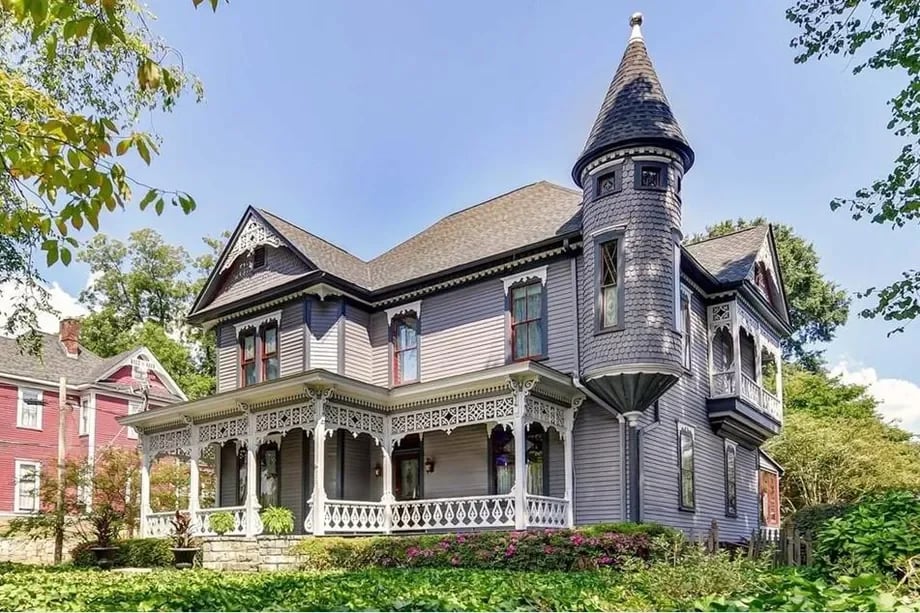
Older Atlanta homes can offer character, established locations, mature landscaping, and floor plans that are difficult to reproduce today—but age alone does not tell you whether a home is in good or poor condition. The better approach is to separate what is actually defective today from what is simply older, what may require future budgeting, and what needs additional investigation before you make a decision.
How Can Buyers Evaluate the Condition of an Older Atlanta Home?
Don't judge an older home by age alone. Build a system-by-system picture of what is working, what needs attention, and what could become a future ownership cost.
Watch: What Buyers Should Look for in an Older Home
If the video does not display in your browser, watch it directly on YouTube .
Start With the Older Home System-Age Map
When Buyers see an older roof, HVAC system, plumbing component, or electrical panel, the immediate reaction is sometimes:
“This needs to be replaced.”
That conclusion may be premature.
Instead, put each issue into one of four categories:
Category | What It Means |
|---|---|
Current Defect | Something is currently damaged, leaking, malfunctioning, unsafe, or otherwise requires evaluation or correction. |
Aging System | The component may still function but could require additional future reserve planning. |
Hidden-Risk Area | The condition is not clear enough from a normal showing and may require inspection or specialist evaluation. |
Documentation Gap | Work may have been completed, but the Buyer needs more information about age, repair history, permits, invoices, warranties, or scope. |
Older
Does Not Automatically Mean
Defective.
But Several Aging Systems Together
Can Change
Your Future Ownership Budget.
1. Roof: Ask About Condition, History, and Remaining Exposure
Start by asking:
- Approximately how old is the roof?
- Has any portion been repaired or replaced?
- Are there visible missing, damaged, or deteriorated materials?
- Are there interior stains suggesting past or current leakage?
- Is there documentation for previous roof work?
A roof's age is useful information.
But:
age alone does not establish current failure or the exact remaining service life.
If the roof condition is uncertain or material to the decision, a qualified roofer or appropriate inspector may be needed.
2. HVAC: Count the Systems, Not Just the Thermostats
Larger Atlanta homes may have:
two or more HVAC systems.
That matters because future replacement exposure may be multiplied.
Ask:
- How old is each system?
- Is heating functioning properly?
- Is cooling functioning properly?
- Has the system been regularly serviced?
- Are maintenance records available?
- Are there unusual noises, odors, leaks, or temperature differences?
One older but functioning HVAC system may be manageable.
Two or three aging systems reaching a similar stage at the same time can create:
capital-cost clustering.
The question is not only, “Does the HVAC work today?” Ask, “How many major systems am I potentially budgeting for during my ownership?”
3. Moisture: Follow the Water
Water-related problems deserve careful attention in any home, regardless of age.
Look for:
- Ceiling stains.
- Wall discoloration.
- Musty odors.
- Visible moisture.
- Basement or crawl-space dampness.
- Drainage problems.
- Water collecting near the foundation.
- Evidence of prior repairs.
Then ask:
“Is this evidence of an old resolved issue—or an active moisture source?”
Those are very different situations.
Don't Stop at
the Water Stain.
Find Out
Where the Water Came From.
4. Drainage: Look Beyond the Foundation Wall
Buyers often focus on visible foundation cracks.
But also look outside.
Ask:
- Does the ground appear to slope toward or away from the home?
- Where do downspouts discharge?
- Are retaining walls present?
- Are there low spots?
- Where does runoff appear likely to travel?
- Is the property below neighboring lots?
Drainage conditions can contribute to:
crawl-space moisture,
basement water,
erosion,
and other long-term maintenance concerns.
5. Electrical: Don't Judge the System by the New Light Fixtures
An older house may have:
beautiful new fixtures,
fresh paint,
and renovated rooms,
while portions of the underlying electrical system remain older.
A professional inspection can help evaluate:
- Electrical panels.
- Visible wiring conditions.
- Outlet functionality.
- Grounding and protection where applicable.
- Signs of amateur modifications.
- Other conditions requiring electrician review.
If the inspector identifies a material concern, consult a qualified electrician rather than trying to diagnose the system during a showing.
6. Plumbing: Think Beyond the Faucet
Buyers naturally test:
water pressure,
faucets,
toilets,
and visible leaks.
But older homes may require broader questions:
- What plumbing materials are present?
- Has any portion of the supply system been replaced?
- Are there signs of active or past leakage?
- How old is the water heater?
- Are shutoff valves accessible?
- Are there drainage or sewer concerns?
7. Don't Forget the Sewer Line
The sewer line is easy to overlook because:
you generally cannot see it during a normal showing.
Depending on the home's age, property characteristics, inspection findings, and Buyer's risk tolerance, a sewer-scope inspection may be worth considering.
A camera inspection can help evaluate conditions that are not visible inside the house.
If concerns are identified, a qualified plumber or sewer professional can provide further evaluation.
Some of the most important systems in an older home are the ones you cannot see during the showing.
8. Foundation and Structure: Crack Does Not Automatically Equal Structural Failure
Buyers may notice:
- Cracks.
- Uneven flooring.
- Doors that stick.
- Wall movement.
- Changes around windows or openings.
- Framing concerns in attics or crawl spaces.
Some conditions can be minor.
Others may require further investigation.
The correct response is not automatically:
“Foundation problem.”
Instead:
“Does this condition require evaluation by a qualified structural professional?”
9. Windows and Exterior Openings Affect More Than Appearance
Look for:
- Windows that do not open or close properly.
- Failed seals.
- Damaged frames.
- Exterior wood deterioration.
- Missing or deteriorated caulking.
- Evidence of water intrusion.
Older windows may also affect:
- Comfort.
- Noise.
- Energy use.
- Future replacement budgeting.
But again:
older does not automatically mean defective or immediately replaceable.
10. Attic and Crawl Space Can Tell a Different Story Than the Living Room
A beautifully renovated interior can hide important questions above or below the finished space.
A professional inspection may examine:
- Visible framing.
- Insulation.
- Ventilation.
- Moisture.
- Past water intrusion.
- Visible modifications.
- Crawl-space conditions.
- Other structural or mechanical observations.
A Renovated Kitchen
Does Not Tell You
What Is Happening in the Attic or Crawl Space.
11. Renovated Does Not Automatically Mean Everything Is New
A listing may say:
“Fully renovated.”
That phrase may refer primarily to:
- Kitchen.
- Bathrooms.
- Flooring.
- Paint.
- Fixtures.
It does not automatically tell you whether:
- The roof was replaced.
- HVAC was replaced.
- Plumbing was updated.
- Electrical work was completed.
- Windows were replaced.
- Drainage issues were addressed.
Ask:
“What exactly was renovated?”
12. Ask for the House's Maintenance Story
Documentation can help explain what happened before you arrived.
Depending on availability, useful information can include:
- Roof invoices.
- HVAC replacement or service records.
- Water-heater documentation.
- Major plumbing work.
- Electrical work.
- Termite or pest treatment records.
- Waterproofing or drainage work.
- Renovation invoices.
- Permits or contractor information where applicable.
- Warranties.
Missing records do not automatically mean work was performed incorrectly.
But they may create:
a documentation gap that deserves further verification.
13. Separate Today's Repair From Tomorrow's Budget
This is one of the most important distinctions when evaluating an older property.
Finding | How to Think About It |
|---|---|
Active roof leak | Current problem requiring evaluation |
Older roof currently performing | Potential future capital-planning item |
HVAC not cooling properly | Current mechanical concern |
Older HVAC working normally | Future reserve consideration, not automatically a present defect |
Active plumbing leak | Current repair / specialist evaluation |
Dated bathroom tile | Primarily cosmetic unless another condition exists |
Don't turn every future replacement into a current repair request. But don't ignore the effect several aging systems can have on your post-closing reserve.
14. Use the Inspection to Build a Decision Map
A long inspection report can feel overwhelming.
Instead of treating every page equally, sort the findings into:
- Verify Now: something needs more information.
- Address Now: current material issue.
- Budget Later: aging but currently functioning component.
- Maintain: normal ownership responsibility.
- Cosmetic: personal preference rather than defect.
Then decide:
Does the Buyer still want the home?
Does another specialist need to evaluate something?
Does the ownership budget still work?
Does the contract provide a negotiation or termination right that the Buyer wants to exercise?
Inspection Is Not
a Scorecard
Showing
How “Bad” the House Is.
It Is Information
for
Better Decisions.
15. Pay Special Attention to Cost Clustering
Suppose:
the roof is older,
both HVAC systems are older,
the water heater is older,
and several windows eventually need attention.
None of those components may require immediate replacement.
But the Buyer should ask:
“What happens if two or three major expenses arrive within the same few years?”
That may affect:
- Purchase budget.
- Post-closing reserves.
- Renovation plans.
- How aggressively the Buyer wants to negotiate.
The Best Older-Home Question:
“Is This an Actual Problem Today, a Future Budget Item, or Simply an Older Component That Is Still Functioning?”
Older Atlanta Home Buyer Checklist
☐ 1. What is the approximate age and condition of the roof?
☐ 2. How many HVAC systems are there?
☐ 3. What is the age and current performance of each HVAC system?
☐ 4. How old is the water heater?
☐ 5. Are there visible leaks or water stains?
☐ 6. Has the source of any prior water issue been identified?
☐ 7. How does water drain around the property?
☐ 8. Are basement or crawl-space moisture concerns present?
☐ 9. What plumbing materials are present?
☐ 10. Would a sewer-scope inspection be appropriate?
☐ 11. Are there electrical conditions requiring specialist review?
☐ 12. Are there structural observations requiring further evaluation?
☐ 13. What condition are the windows and exterior doors in?
☐ 14. What does the attic reveal?
☐ 15. What does the crawl space reveal?
☐ 16. What exactly has been renovated?
☐ 17. Which major systems were not part of the renovation?
☐ 18. Are invoices, permits, warranties, or contractor records available?
☐ 19. Which findings are active defects?
☐ 20. Which findings are simply aging systems?
☐ 21. Which findings need specialist evaluation?
☐ 22. Which items belong in the future ownership budget?
☐ 23. Which items are routine maintenance?
☐ 24. Which concerns are purely cosmetic?
☐ 25. Are several major systems likely to create cost clustering?
☐ 26. How much post-closing reserve am I comfortable keeping?
☐ 27. Does the home's condition still make sense at the contract price?
☐ 28. Do I need additional quotes before making my final decision?
☐ 29. What does my actual contract allow me to do before the applicable deadline?
☐ 30. Is this an actual problem today, a future budget item, or simply an older component that is still functioning?
Frequently Asked Questions
Is an older Atlanta home automatically more expensive to maintain?
Not necessarily. Maintenance cost depends on the property's actual condition, past improvements, construction, major-system ages, and how well the home has been maintained. Some older homes may have significant recent upgrades, while newer homes can still have defects or maintenance needs.
Does an old HVAC system need to be replaced immediately?
Not automatically. Age is one factor, but current operation, maintenance history, condition, inspection findings, and professional evaluation matter. An older functioning system may be better treated as a future reserve item rather than an automatic current defect.
Should Buyers get a sewer inspection on an older home?
It can be worth considering depending on the home's age, property characteristics, visible concerns, inspection findings, and Buyer's risk tolerance. A sewer camera can provide information about a system that is otherwise difficult to evaluate during a normal showing.
Are foundation cracks always serious?
No. Different cracks can have different causes and significance. If an inspector identifies a concern that may be structural, obtain an evaluation from an appropriately qualified professional rather than assuming either that the crack is harmless or that the home has major structural failure.
Does “fully renovated” mean all major systems are new?
No. Renovation terminology can refer to different scopes of work. Ask specifically what was replaced or updated and whether documentation is available.
Should Buyers ask the Seller to replace every old system?
Not automatically. The contract, current condition, inspection findings, market conditions, and Buyer's priorities all matter. An aging but functioning system is different from a current material defect.
Can an inspection tell me exactly how long the roof or HVAC will last?
No professional can reliably guarantee the exact remaining life of every component. Inspection and specialist evaluations can help Buyers understand current condition and possible future exposure, but replacement timing remains uncertain.
Why do maintenance records matter?
Records can help clarify when major work occurred, what was repaired or replaced, who performed the work, and whether warranties may exist. Missing records do not automatically indicate a problem, but they may create additional questions.
What is the biggest mistake Buyers make with older homes?
One common mistake is treating every old component as a current defect—or doing the opposite and ignoring the financial impact of several aging systems. Separate current problems from future capital planning.
What is the best question to ask after inspecting an older home?
Ask: “Which issues change whether I should buy the home today, and which issues simply change the amount of reserve I should keep after closing?”
Don't Ask Only
“How Old Is the House?”
Ask
“What Is the Condition of Each Major System—and What Might I Be Responsible for Next?”
Final Thoughts: Buy the Condition, Not the Birth Year
Older Atlanta homes can be excellent purchases.
But Buyers should understand what comes with the property.
Evaluate:
Roof.
HVAC.
Water heater.
Moisture.
Drainage.
Plumbing.
Sewer.
Electrical.
Foundation and structure.
Windows and doors.
Attic and crawl space.
Renovation scope.
Maintenance history.
And documentation.
Then separate:
what is wrong today
from:
what may simply cost money later.
An older home does not need to be perfect to be a good purchase.
The Buyer simply needs enough information to understand the current condition, the unknowns, and the future ownership budget.
Want a Quick Video Version?
Watch my video on what Buyers should look for when evaluating an older home.
Considering an Older Home in Metro Atlanta?
We can help you evaluate the property beyond the cosmetic appearance, coordinate the inspection process, identify issues that may need specialist evaluation, compare the home's condition with relevant alternatives, and separate current repair concerns from longer-term ownership planning. The goal is not to find a perfect house—it is to understand what you are buying before your contractual decision deadlines expire.
Tina Jingru Sui | TJS Team
Call or Text: (404) 375-2120
Email: [email protected]
Visit TinaSui.com
About Tina Jingru Sui
Tina Jingru Sui is the founder and leader of the TJS Team, serving home buyers, sellers, investors, new-construction buyers and relocation clients throughout Metro Atlanta.
Tina and her team serve Atlanta, Johns Creek, Alpharetta, Suwanee, Duluth, Buford, Dacula, Sandy Springs, Roswell, Marietta, Smyrna, Peachtree Corners and surrounding Metro Atlanta communities.
Keller Williams Realty Atlanta Partners · (404) 375-2120
This article and video are provided for general real estate education and information only and do not constitute legal, inspection, engineering, construction, environmental, financial, insurance, appraisal, plumbing, electrical, HVAC, roofing or other professional advice. Property age alone does not establish a defect, required replacement, remaining useful life or future repair cost. The Older Home System-Age Map, categories, checklist and examples are educational decision-making tools only. Actual property conditions should be evaluated through the applicable Due Diligence process and by appropriately qualified professionals when needed. A general home inspection cannot identify every concealed, latent or inaccessible condition and does not guarantee future performance of a home or its systems. Structural concerns should be evaluated by an appropriately qualified structural professional when warranted. Plumbing, sewer, electrical, roofing, HVAC, moisture, environmental and other specialized concerns may require separate specialist evaluation. Repair and replacement costs vary substantially by property, scope, labor, material and timing. Renovation terminology such as “updated,” “remodeled,” or “fully renovated” does not establish the scope or quality of all work performed. Buyers should independently verify permits, invoices, warranties, contractor information and other records when material. Missing documentation does not by itself establish that work was defective or unauthorized. Inspection findings do not automatically create a Seller repair obligation. Buyer rights regarding inspection, Due Diligence, negotiation, termination, earnest money and other contract matters depend on the actual agreement and applicable deadlines. Real estate licensees can assist with transaction strategy, inspection coordination, market analysis and negotiation within the scope of their role but do not replace inspectors, engineers, contractors, attorneys, lenders, appraisers or other qualified professionals. Equal Housing Opportunity. Tina Jingru Sui, GA License #392936, REALTOR®, affiliated with Keller Williams Realty Atlanta Partners.