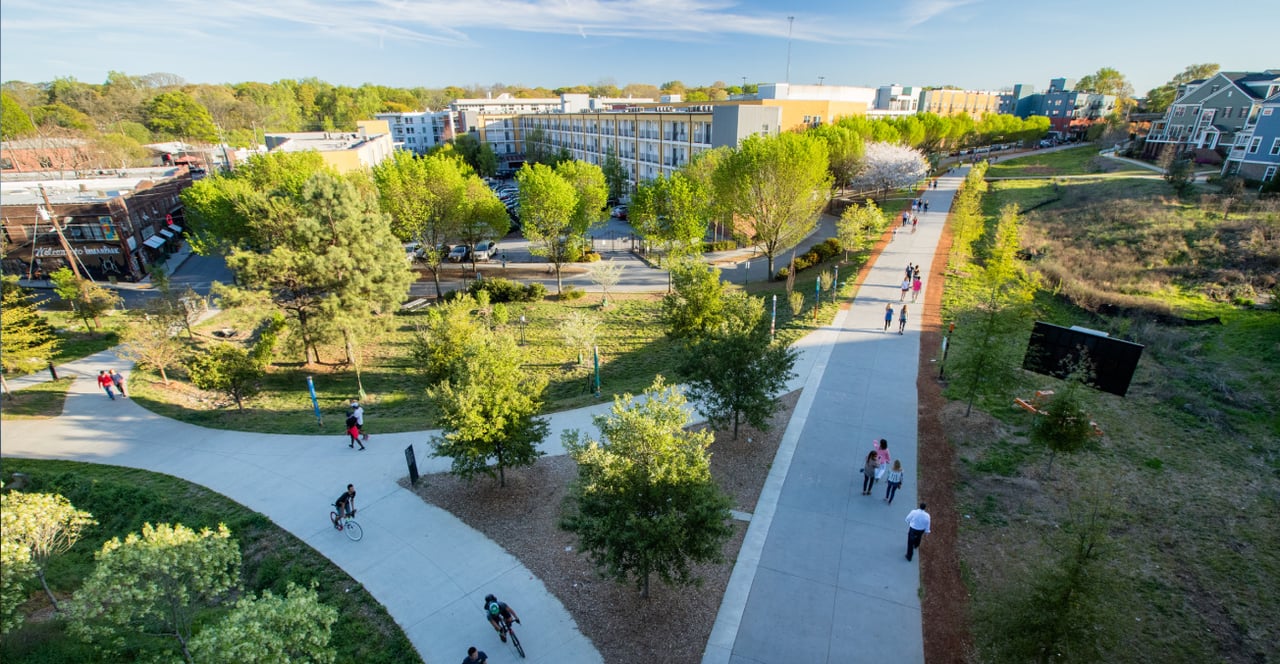
How Green Spaces and Trails Enhance Atlanta Living
As cities continue growing and becoming more densely populated, access to outdoor space has become increasingly valuable. In Atlanta, green spaces and walking trails play a major role in shaping the city’s lifestyle appeal. From neighborhood parks and tree-lined paths to large urban trail systems, outdoor amenities have become an important part of everyday living for residents across the metro area.
For many people choosing where to live, nearby access to parks, trails, and recreational spaces is no longer just a bonus—it’s a priority. These features improve quality of life, encourage healthier routines, and even contribute to long-term property value.
Here’s how green spaces and trails continue enhancing life throughout Atlanta.
1. Encouraging Healthier Lifestyles
One of the biggest benefits of green spaces and trails is their impact on physical health.
Atlanta residents use parks and trails for:
- Walking and jogging
- Cycling
- Outdoor fitness
- Family recreation
- Pet walking
Easy access to outdoor activity encourages people to stay active more consistently.
Communities with nearby trails often support healthier habits because exercise becomes more convenient and enjoyable.
2. Improving Mental Well-Being
Spending time outdoors has strong mental and emotional benefits.
Green spaces help residents:
- Reduce stress
- Improve focus and mental clarity
- Relax after work
- Disconnect from screens and traffic
Natural environments create a calmer atmosphere that supports overall well-being.
In busy urban areas, access to peaceful outdoor spaces can significantly improve quality of life.
3. Atlanta’s BeltLine Changed Urban Living
One of Atlanta’s most influential outdoor projects is the Atlanta BeltLine.
The BeltLine transformed former railway corridors into:
- Multi-use trails
- Parks and gathering spaces
- Walkable community connections
- Recreation and social areas
It has reshaped how many residents experience city living by combining urban convenience with outdoor accessibility.
Neighborhoods connected to the BeltLine have become especially desirable because of their walkability and lifestyle appeal.
4. Increasing Walkability and Connectivity
Trails and greenways help make communities more connected and walkable.
Residents can often:
- Walk or bike to restaurants and shops
- Access parks without driving
- Move between neighborhoods more easily
This reduces dependence on cars and supports more active daily routines.
Walkability has become one of the most important lifestyle features for modern homebuyers.
5. Supporting Family-Friendly Living
Families especially benefit from nearby parks and trails.
Outdoor spaces provide opportunities for:
- Children’s play
- Family activities
- Weekend recreation
- Community sports and events
Access to safe outdoor environments encourages healthier and more active lifestyles for children and parents alike.
6. Increasing Property Appeal and Value
Homes located near parks, trails, and green spaces often experience stronger buyer demand.
Why?
- Outdoor amenities improve lifestyle quality
- Buyers increasingly prioritize wellness and recreation
- Walkable communities are highly desirable
Properties near green spaces may benefit from:
- Better resale appeal
- Faster buyer interest
- Long-term value growth
Lifestyle-focused amenities continue influencing real estate demand throughout Atlanta.
7. Creating Stronger Community Connections
Public parks and trails naturally encourage social interaction.
Residents often:
- Meet neighbors during walks or exercise
- Attend community events
- Gather in shared outdoor spaces
These interactions help build:
- Community identity
- Neighborhood engagement
- Stronger social connections
Communities with active public spaces often feel more welcoming and connected.
8. Providing Relief From Urban Density
As Atlanta grows, green spaces help balance urban development.
Parks and trails offer:
- Open space
- Scenic views
- Tree coverage and shade
- Quiet environments within busy areas
This balance between city energy and natural surroundings improves overall livability.
9. Supporting Remote and Hybrid Work Lifestyles
Remote workers increasingly value access to outdoor amenities.
Green spaces provide:
- Breaks from indoor work environments
- Areas for walking meetings
- Stress reduction during the workday
- Better work-life balance
Communities with strong outdoor access have become especially attractive to remote professionals.
10. Encouraging Environmental Sustainability
Urban green spaces also contribute to environmental health.
Benefits include:
- Improved air quality
- Reduced urban heat effects
- Better stormwater management
- Preservation of natural habitats
As cities focus more on sustainability, green infrastructure continues growing in importance.
11. Outdoor Entertainment and Social Spaces Are Expanding
Atlanta increasingly integrates outdoor experiences into urban life.
Popular outdoor-focused features include:
- Outdoor dining areas
- Community festivals
- Public art installations
- Open-air markets and events
Green spaces now serve not only recreational purposes, but also social and cultural functions.
12. Suburban Communities Also Prioritize Trails
The demand for trails and parks is not limited to urban Atlanta.
Suburban developments increasingly include:
- Walking paths
- Community parks
- Nature preserves
- Recreational amenities
Modern buyers across all demographics now value access to outdoor living opportunities.
13. Green Spaces Help Attract New Residents
Atlanta’s outdoor lifestyle has become a selling point for relocation buyers.
People moving from other cities often seek:
- Better weather
- More outdoor activity
- Larger parks and trail systems
- Healthier lifestyle opportunities
The city’s growing network of green spaces helps support Atlanta’s continued population growth.
14. Future Development Continues Expanding Outdoor Access
Atlanta continues investing in:
- New parks
- Trail expansion
- Public recreation projects
- BeltLine development phases
These improvements are expected to further increase walkability and outdoor accessibility throughout the region.
Final Thoughts
Green spaces and trails have become essential parts of Atlanta living because they improve health, lifestyle, community connection, and overall quality of life. As the city continues evolving, outdoor amenities are playing an increasingly important role in both urban planning and real estate demand.
For many residents, access to parks and trails transforms Atlanta from simply a place to live into a city that supports healthier, more balanced, and more enjoyable everyday living.
Whether in urban neighborhoods or growing suburban communities, green spaces continue shaping the future of life throughout Atlanta.
--
Tina Jingru Sui 隋静儒
Associate Broker | Team Leader of TJS Team, Keller Williams
Serving Metro Atlanta — Johns Creek, Alpharetta, Duluth, Suwanee, Buford, and beyond
404-375-2120
WeChat: tinasuirealty
Follow me on Instagram / 小红书 / WeChat / Facebook