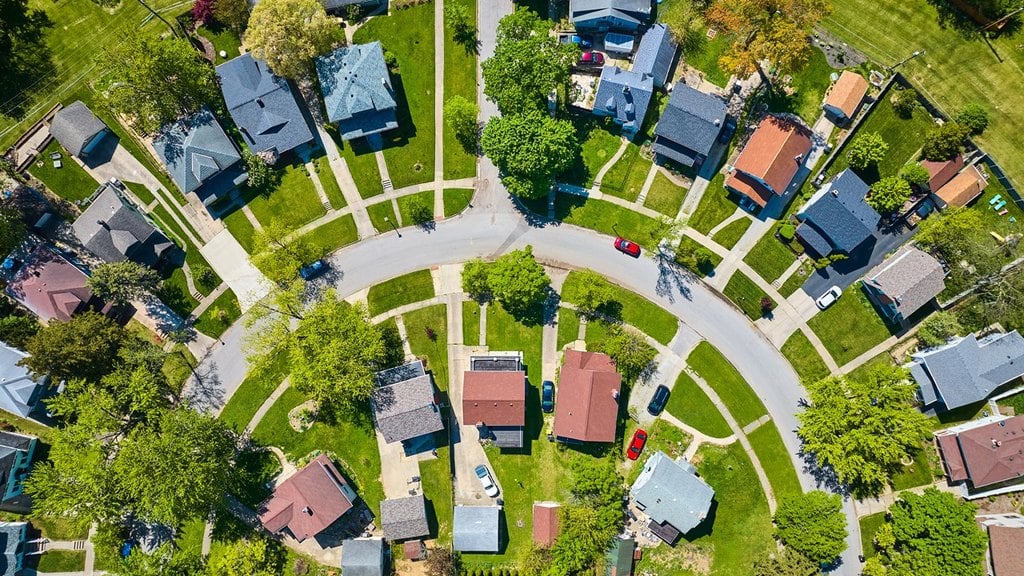
How Neighborhood Development Can Influence Property Value
When people think about real estate value, they often focus on the home itself—its size, design, condition, and features. While those factors are important, the surrounding neighborhood can have an even greater influence on long-term property value.
Neighborhood development plays a major role in shaping buyer demand, community reputation, and future appreciation potential. Infrastructure projects, new businesses, parks, schools, and transportation improvements can all transform how desirable an area becomes over time.
Understanding how neighborhood development affects property value can help buyers, sellers, and investors make smarter long-term real estate decisions.
1. New Infrastructure Often Increases Desirability
Infrastructure improvements can significantly enhance a neighborhood’s appeal.
Examples include:
- Road expansions
- Public transportation improvements
- Sidewalks and walking trails
- Utility upgrades
- Improved traffic flow
Better infrastructure often makes communities:
- Easier to access
- More convenient for daily life
- More attractive to buyers and businesses
As convenience improves, housing demand may increase as well.
2. New Businesses Can Drive Housing Demand
The arrival of new businesses often signals economic growth.
Popular additions may include:
- Grocery stores
- Restaurants and cafes
- Shopping centers
- Fitness studios
- Healthcare facilities
These amenities improve lifestyle convenience and make neighborhoods more attractive to both residents and future buyers.
3. Job Growth Supports Real Estate Markets
Areas experiencing employment growth often see rising housing demand.
New employers and corporate expansion can attract:
- Professionals
- Families
- Relocating workers
- Investors
As more people move into an area for job opportunities, competition for housing may increase, supporting property values over time.
4. School Improvements Influence Buyer Interest
Strong schools are one of the most important factors in many home-buying decisions.
Neighborhoods with:
- Highly rated schools
- New educational facilities
- Expanding school programs
often experience stronger long-term buyer demand.
Even buyers without children frequently prioritize school districts because of their influence on resale value.
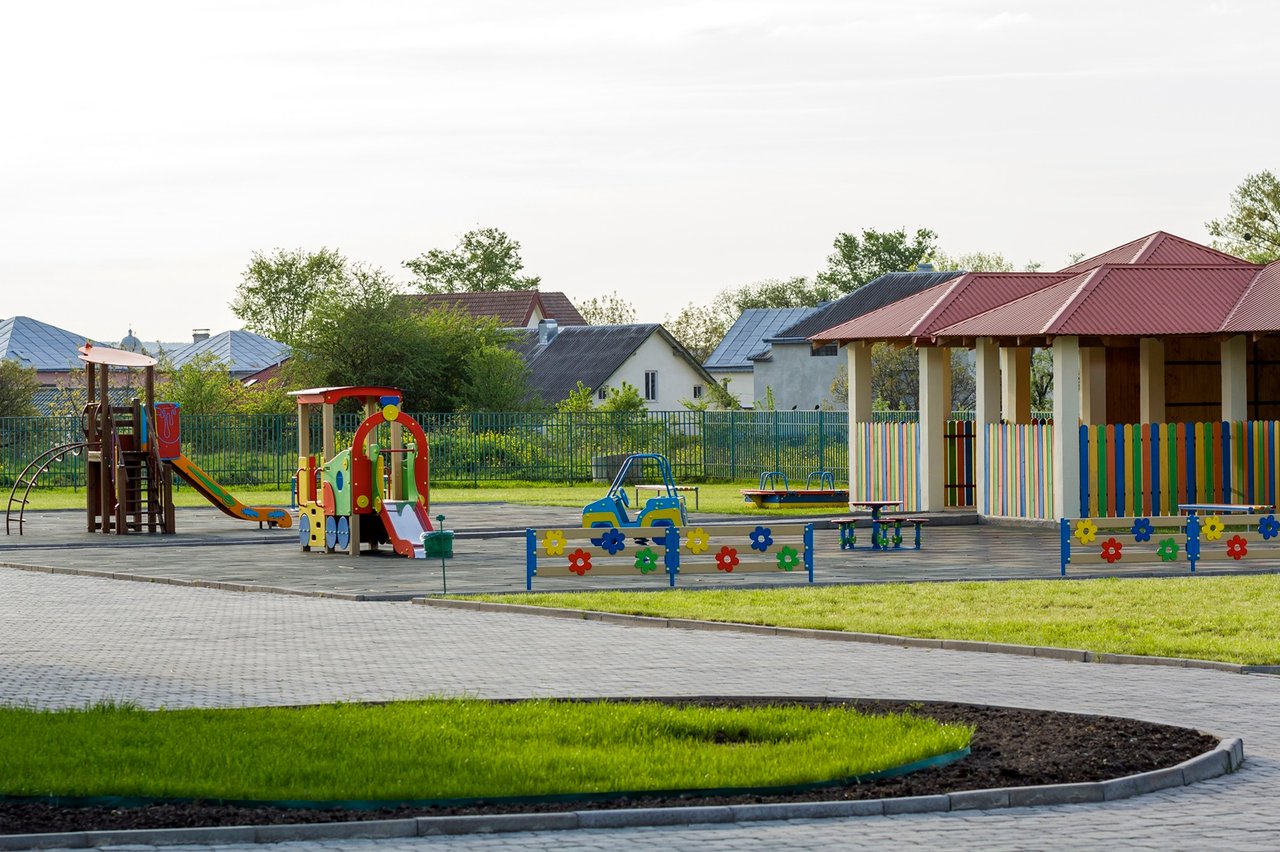
5. Parks and Green Spaces Add Lifestyle Value
Access to parks, trails, and outdoor recreation has become increasingly important to buyers.
Neighborhoods with:
- Walking trails
- Community parks
- Green spaces
- Outdoor gathering areas
often feel more livable and family-friendly.
Outdoor amenities can increase both lifestyle appeal and long-term property demand.
6. Walkability Has Become a Major Selling Point
Modern buyers increasingly prioritize walkable communities.
Neighborhood development that includes:
- Sidewalks
- Mixed-use projects
- Dining and retail access
- Public gathering spaces
can significantly improve neighborhood desirability.
Walkable areas often attract younger professionals and lifestyle-focused buyers.
7. Mixed-Use Development Creates Stronger Communities
Mixed-use developments combine:
- Residential housing
- Retail
- Dining
- Entertainment
- Office space
These projects create convenience and encourage community activity.
Neighborhoods with successful mixed-use developments often experience increased buyer interest and stronger long-term growth.
8. Public Transportation Improves Accessibility
Transportation access strongly affects real estate demand.
Communities near:
- Transit stations
- Major highways
- Airport access
- Commuter routes
often become more attractive because of reduced commuting challenges.
Improved transportation infrastructure can increase convenience and support future appreciation.
9. Population Growth Drives Development
Growing cities and suburbs often experience increased neighborhood investment.
Population growth may lead to:
- New housing construction
- Retail expansion
- School growth
- Infrastructure upgrades
Areas attracting new residents frequently experience stronger long-term housing demand.
10. Revitalization Projects Can Transform Communities
Urban redevelopment and revitalization projects can dramatically reshape neighborhoods.
These projects may include:
- Renovating older buildings
- Improving public spaces
- Adding parks and trails
- Expanding commercial districts
As neighborhoods improve, buyer interest and property values may rise.
11. Entertainment and Dining Improve Lifestyle Appeal
Neighborhoods with vibrant dining and entertainment scenes often attract:
- Young professionals
- Remote workers
- Lifestyle-focused buyers
Restaurants, cafes, nightlife, and cultural attractions create energy and social activity that improve overall desirability.
12. Safety and Community Improvements Matter
Community investment in:
- Lighting
- Beautification
- Public safety
- Maintenance
can positively influence neighborhood reputation.
Well-maintained communities often create stronger buyer confidence and more stable property demand.
13. New Construction Can Affect Nearby Values
New residential developments often increase area visibility and buyer attention.
Benefits may include:
- Modern housing options
- Community amenities
- Infrastructure improvements
- Increased retail demand nearby
However, buyers should also evaluate:
- Traffic impact
- Oversupply risks
- Long-term planning quality
Balanced growth tends to support stronger long-term value.
14. Remote Work Is Changing Development Patterns
Remote and hybrid work trends have shifted where people choose to live.
Many buyers now prioritize:
- Lifestyle-focused communities
- Outdoor amenities
- Larger suburban homes
- Flexible living environments
As a result, suburban and secondary markets are seeing increased development and housing demand.
15. Investors Closely Watch Neighborhood Growth
Real estate investors often focus heavily on areas showing:
- Economic growth
- Infrastructure investment
- Population increases
- Lifestyle improvements
Neighborhood development can create opportunities for:
- Long-term appreciation
- Rental demand growth
- Future resale potential
Understanding growth trends helps investors identify emerging markets.
16. Community Reputation Builds Over Time
Neighborhood reputation is influenced by:
- Schools
- Safety
- Maintenance
- Local businesses
- Community involvement
Positive reputation often strengthens long-term demand and supports stable property values.
17. Buyers Should Research Future Development Plans
Before purchasing, buyers should evaluate:
- Planned construction projects
- Zoning changes
- Commercial development
- Transportation expansion
Future projects can significantly affect:
- Traffic patterns
- Noise levels
- Convenience
- Long-term property demand
Researching development plans helps buyers make more informed decisions.
Final Thoughts
Neighborhood development plays a major role in shaping property value, buyer demand, and long-term real estate potential. Infrastructure improvements, business growth, parks, schools, and transportation projects all contribute to how desirable a community becomes over time.
For buyers, sellers, and investors alike, understanding neighborhood growth trends is just as important as evaluating the home itself.
Ultimately, strong community development can transform not only property values, but also the overall quality of life and future opportunities within a neighborhood.
--
Tina Jingru Sui 隋静儒
Associate Broker | Team Leader of TJS Team, Keller Williams
Serving Metro Atlanta — Johns Creek, Alpharetta, Duluth, Suwanee, Buford, and beyond
404-375-2120
WeChat: tinasuirealty
Follow me on Instagram / 小红书 / WeChat / Facebook