How Neighborhood Development Projects Affect Property Values
SEO Title: How Neighborhood Development Projects Affect Property Values
SEO Subtitle: Learn how new infrastructure, commercial growth, and community improvements can influence property values in Metro Atlanta neighborhoods
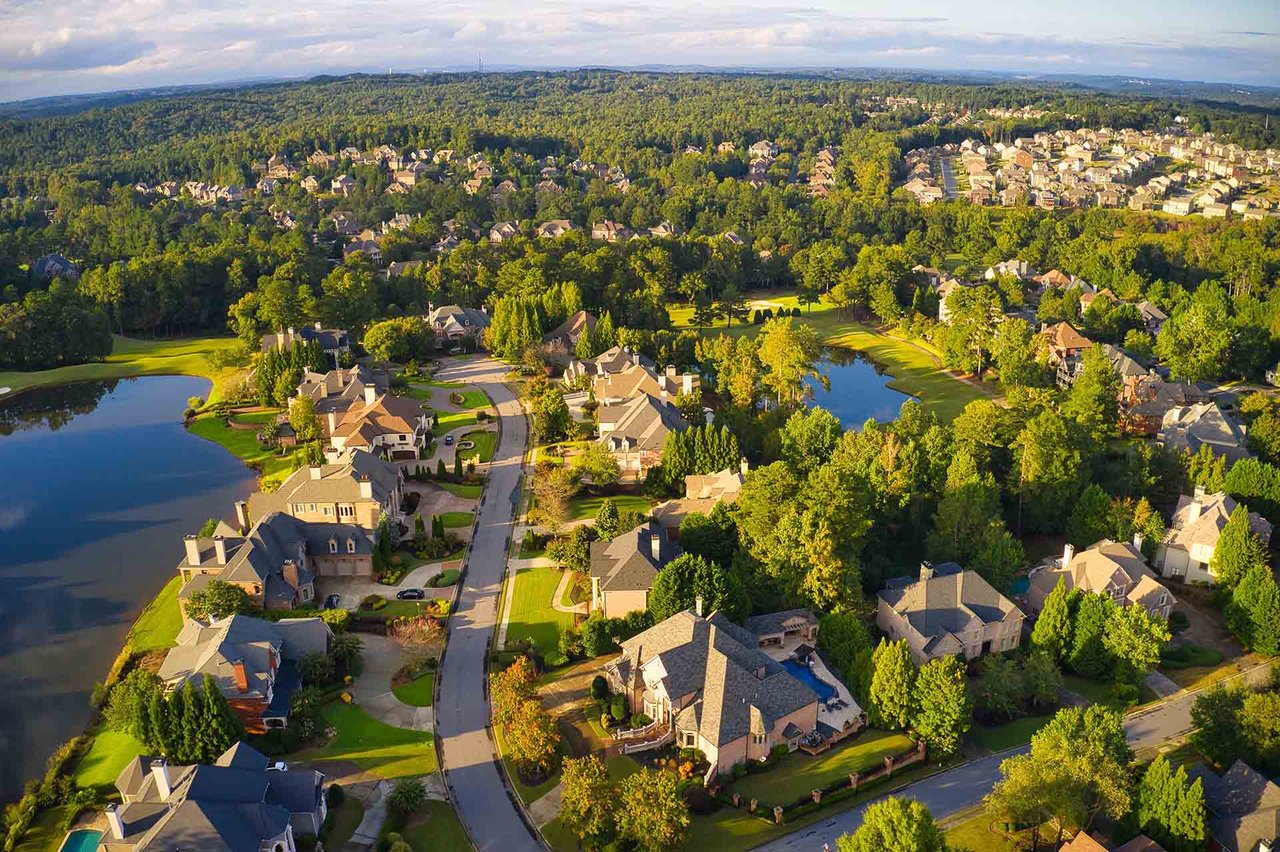
When buying or selling a home, many people focus on the property itself—its size, condition, layout, and features. However, what happens around a home can be just as important as the home itself. Neighborhood development projects often play a significant role in shaping buyer demand, community appeal, and overall market activity.
Whether it's a new park, road improvement, mixed-use development, or commercial center, community projects can influence how buyers view an area. If you're considering buying or selling a home in Metro Atlanta, understanding the impact of neighborhood development can help you make more informed real estate decisions.
What Are Neighborhood Development Projects?
Neighborhood development projects refer to public or private investments designed to improve a community.
Examples include:
- Road and highway improvements
- Public transportation expansion
- New schools
- Parks and recreation facilities
- Retail centers
- Restaurants and entertainment venues
- Mixed-use developments
- Community revitalization projects
- Healthcare facilities
- Business and employment centers
These projects can influence how attractive a neighborhood becomes to current and future residents.
1. Improved Accessibility Can Increase Buyer Interest
Transportation improvements often make neighborhoods more convenient.
Examples include:
- New roads
- Highway expansions
- Improved traffic flow
- Public transit access
- Sidewalk and trail systems
When commuting becomes easier, more buyers may consider the area, which can contribute to increased demand.
2. New Retail and Dining Options Attract Residents
Many buyers value convenience and walkability.
Neighborhoods that gain:
- Grocery stores
- Restaurants
- Coffee shops
- Shopping centers
- Entertainment venues
often become more appealing to prospective homeowners.
Convenient amenities can improve everyday quality of life and attract a broader range of buyers.
3. Parks and Recreational Facilities Enhance Community Appeal
Public parks and recreational amenities are highly desirable features for many buyers.
Examples include:
- Walking trails
- Green spaces
- Playgrounds
- Sports facilities
- Dog parks
- Community gathering areas
These improvements can contribute to a stronger sense of community and make neighborhoods more attractive.
4. School Investments Can Influence Demand
Many homebuyers consider access to educational opportunities when selecting a neighborhood.
New schools or school improvements may attract:
- Families with children
- Relocating professionals
- Long-term homeowners
School-related factors often play a role in buyer decision-making, even for households without school-aged children.
5. Employment Growth Supports Housing Demand
Economic development often influences local housing markets.
Examples include:
- Corporate relocations
- New business centers
- Technology hubs
- Healthcare facilities
- Industrial expansion
As employment opportunities increase, demand for nearby housing may also grow.
6. Mixed-Use Developments Create Lifestyle Convenience
Mixed-use developments combine residential, retail, office, and entertainment spaces within a single area.
Benefits may include:
- Reduced commuting needs
- Walkability
- Additional services
- Community gathering spaces
Many buyers appreciate the convenience and lifestyle opportunities these developments provide.
7. Community Revitalization Can Transform Neighborhood Perception
Revitalization projects often focus on improving older areas through:
- Streetscape improvements
- Building renovations
- Public infrastructure upgrades
- New business investment
These efforts can increase community appeal and attract new residents.
8. Infrastructure Improvements Support Long-Term Growth
Infrastructure projects often provide benefits beyond immediate convenience.
Examples include:
- Utility upgrades
- Improved drainage systems
- Broadband expansion
- Road improvements
- Public safety enhancements
Strong infrastructure supports community growth and future development.
9. Increased Buyer Demand May Influence Home Values
As neighborhoods become more attractive, buyer interest may increase.
Factors that often influence demand include:
- Improved amenities
- Better accessibility
- Employment opportunities
- Community investment
While future appreciation can never be guaranteed, increased demand often becomes an important market factor.
10. Development Can Create New Housing Opportunities
Growing communities often introduce additional housing options.
Examples include:
- New construction neighborhoods
- Townhome communities
- Mixed-use residential developments
- Condominium projects
These options can attract a wider range of buyers.
11. Not All Development Has the Same Impact
It's important to recognize that every project affects communities differently.
Potential considerations include:
- Increased traffic
- Construction activity
- Density changes
- Infrastructure strain
Buyers should evaluate both the potential benefits and challenges of nearby development.
12. Research Future Development Plans
Before purchasing a home, consider researching:
- City planning documents
- Zoning updates
- Planned infrastructure projects
- Commercial development proposals
- Transportation improvements
Understanding future plans can provide valuable insight into a neighborhood's direction.
13. Sellers Can Highlight Nearby Improvements
When marketing a home, nearby community improvements may be attractive to buyers.
Examples include:
- New parks
- Retail developments
- Transit access
- School investments
- Recreational amenities
Local improvements often help buyers envision long-term benefits of the location.
14. Metro Atlanta Continues to Evolve
Metro Atlanta remains one of the fastest-growing regions in the Southeast.
Many communities continue to experience:
- Population growth
- Business expansion
- Infrastructure investment
- Residential development
Because growth varies by location, local market knowledge is especially important.
15. Work With an Experienced Metro Atlanta Real Estate Professional
An experienced local real estate professional can help you:
- Understand neighborhood growth trends
- Evaluate community development projects
- Compare different areas
- Analyze local market conditions
- Identify emerging opportunities
- Make informed buying or selling decisions
Local expertise can provide valuable context when evaluating the impact of neighborhood development.
How TJS Team Helps Clients Understand Local Growth
At TJS Team, we help buyers and sellers stay informed about Metro Atlanta's evolving communities by:
- Monitoring local development activity
- Analyzing neighborhood trends
- Evaluating market data
- Identifying growth opportunities
- Providing community insights
- Helping clients align their real estate decisions with long-term goals
Our local knowledge helps clients understand not only the home they're buying or selling, but also the community around it.
Final Thoughts
Neighborhood development projects can significantly influence how communities evolve over time. Improvements such as transportation upgrades, new retail centers, parks, schools, and employment opportunities often enhance a neighborhood's appeal and attract additional buyer interest. While no development project guarantees future property value changes, understanding community growth trends can help buyers and sellers make more informed real estate decisions.
If you're considering buying or selling a home in Metro Atlanta, TJS Team can provide local market insights, explain community development trends, and help you evaluate how neighborhood growth may align with your real estate goals.
--
Tina Jingru Sui 隋静儒
Associate Broker | Team Leader of TJS Team, Keller Williams
Serving Metro Atlanta — Johns Creek, Alpharetta, Duluth, Suwanee, Buford, and beyond
404-375-2120
WeChat: tinasuirealty
Follow me on Instagram / 小红书 / WeChat / Facebook