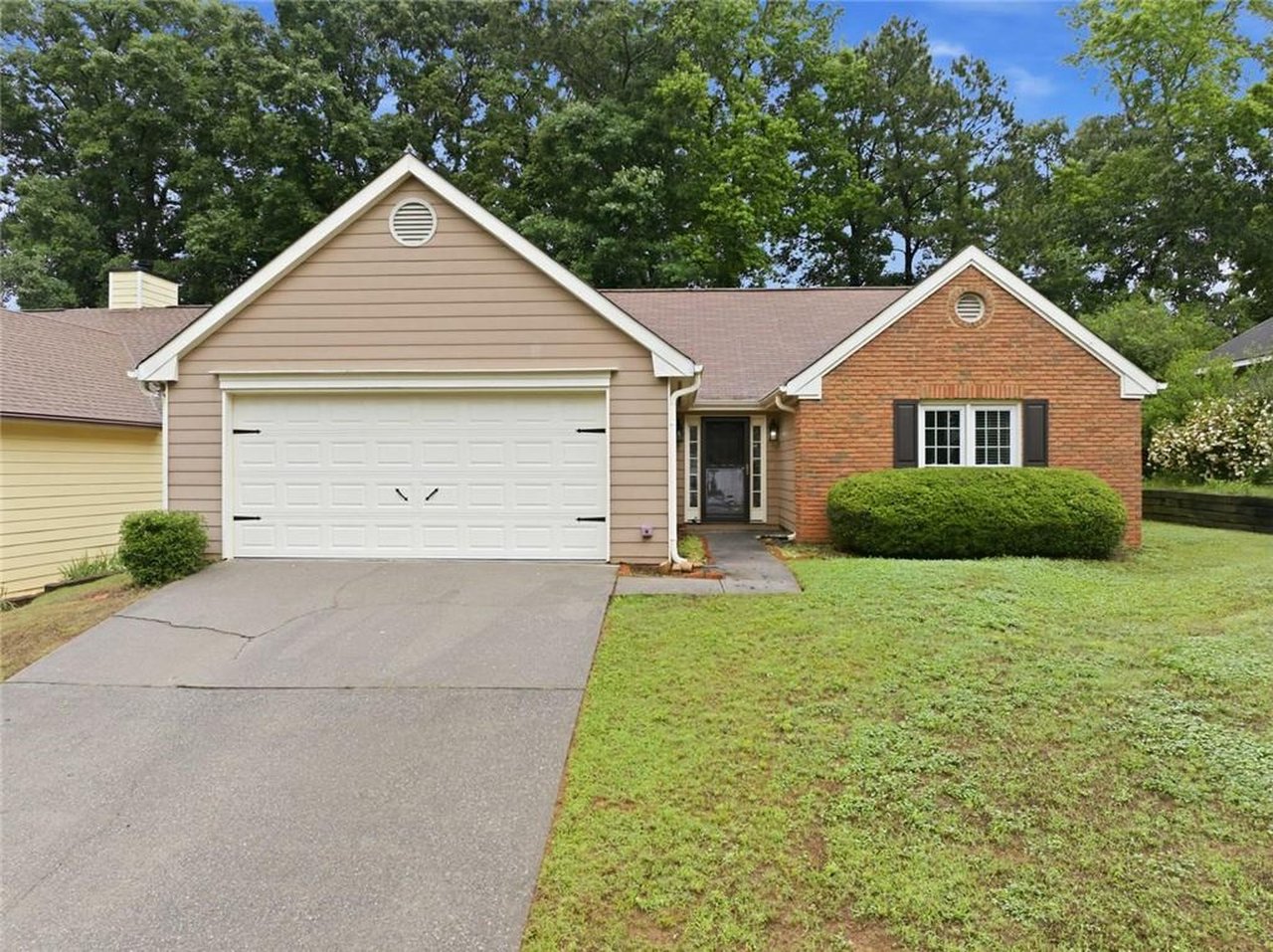
Choosing a listing agent should involve more than comparing commission rates or asking who recommends the highest list price. Atlanta sellers should compare recent relevant experience, pricing strategy, marketing quality, local market knowledge, communication, negotiation ability, reviews, and the complete services included before signing a listing agreement.
How to Choose the Best Listing Agent in Atlanta: What Sellers Should Compare Before Signing
Compare experience, marketing, fees, local market knowledge, and reviews before choosing a listing agent in Atlanta.
Selling a home is a major financial decision.
The listing agent you choose can influence how your property is prepared, priced, marketed, negotiated, and managed from the first consultation through closing.
Yet sellers sometimes choose an agent based on only one factor:
- Who suggests the highest listing price.
- Who charges the lowest fee.
- Who has the most impressive presentation.
- Who they already know personally.
None of those factors automatically tells you who is best positioned to sell your particular property.
Don't ask only:
“Which agent sounds the most confident?”
Ask: “Which agent can show me the strongest evidence, strategy, and execution plan for my home?”
What Should Atlanta Sellers Compare?
Category | What to Evaluate |
|---|---|
Experience | Recent experience with similar homes, price ranges, and seller situations |
Pricing | Comparable sales, active competition, pending activity, condition, and current demand |
Marketing | Actual listing presentation, photography, video, digital exposure, and property-specific strategy |
Local Knowledge | Understanding of competing listings, buyer demand, neighborhoods, and local market conditions |
Communication | Update frequency, responsiveness, feedback process, and who handles each part of the transaction |
Negotiation | Ability to compare price, financing, credits, contingencies, due diligence, appraisal, and closing risk |
Fees & Value | Compensation, additional expenses, services included, and overall value |
1. Compare Recent, Relevant Experience
Years in real estate can provide useful context, but the number of years alone does not tell you whether an agent has the right experience for your property.
Ask about recent transactions involving:
- Similar property types.
- Similar price ranges.
- Your general geographic market.
- Properties with similar condition or renovation levels.
- Inspection and repair negotiations.
- Appraisal issues.
- Multiple-offer or slower-market situations.
An agent who has been licensed for 15 years but rarely sells homes like yours may not necessarily have more relevant experience than someone who has handled many comparable listings recently.
Experience should be measured by relevance—not simply time.
Ask to See Actual Recent Results
Useful questions might include:
- How many listings have you handled recently?
- How many were similar to my property?
- What were the original list prices?
- What were the final list prices?
- What were the sale prices?
- How long did the homes stay on the market?
- What happened when a listing did not sell quickly?
If an agent discusses a sale-to-list-price ratio, ask whether it is calculated against the original list price or the final list price.
A statistic is only useful when you understand how it was calculated.
2. Review the Actual Marketing Strategy
Almost every listing presentation includes a marketing checklist.
What matters is how well those tools are actually executed.
Depending on the property, marketing may include:
- Professional photography.
- MLS exposure.
- Property websites or online syndication.
- Video marketing.
- Virtual tours or 3D tours.
- Floor plans.
- Social media.
- Email marketing.
- Open houses.
- Targeted digital advertising where appropriate.
The better question is not:
“Do you use professional photography?”
Ask:
“Can you show me what your recent listings actually looked like?”
Marketing should not be a list of promises.
It should be something the seller can actually see and evaluate.
Ask How the Marketing Changes for Your Property
A luxury property, condo, investment property, suburban single-family home, and fixer-upper should not necessarily be marketed exactly the same way.
A strong listing agent should be able to explain:
- Who the likely buyer is.
- Which property features should be emphasized.
- What preparation is recommended before photography.
- Which marketing channels make sense.
- How the listing will compete against similar active homes.
3. Evaluate the Pricing Strategy—Not Just the Recommended Number
One of the easiest ways for an agent to impress a seller is to recommend the highest list price.
But the highest recommended price does not automatically produce the highest final result.
Ask each agent to explain the CMA using:
- Recent comparable sales.
- Current active competition.
- Pending sales when useful information is available.
- Property condition.
- Renovations and major systems.
- Lot and location.
- Floor-plan functionality.
- Current buyer demand.
Don't hire the agent who tells you the number you most want to hear.
Hire the agent who can explain why the number makes sense.
Also ask what the strategy will be if the first one or two weeks produce weaker activity than expected.
A good pricing conversation should include both the launch strategy and the response plan.
4. Evaluate Local Market Knowledge
Metro Atlanta is not one housing market.
Market conditions can differ significantly between counties, cities, neighborhoods, school attendance areas, price ranges, and property types.
A seller in Fulton County may be dealing with a very different buyer pool than a seller in Gwinnett, Cobb, Forsyth, or DeKalb.
Even within the same city, one subdivision can perform differently from another.
A knowledgeable listing agent should understand:
- Recent neighborhood sales.
- Current inventory.
- Price reductions.
- Days on market.
- Property features buyers appear to value.
- Nearby new construction.
- What competing homes currently offer.
Your house does not compete against “Atlanta.”
It competes against the homes the same buyer can realistically purchase instead.
5. Understand the Fees and the Complete Service
Before signing a listing agreement, understand the compensation and expenses associated with the listing.
Ask:
- What is the listing-broker compensation?
- What services are included?
- Are professional photos included?
- Are video or virtual tours included?
- Are there administrative or transaction-related fees?
- Are there marketing expenses that could be charged separately?
- What happens if the seller requests early termination?
Brokerage compensation is negotiable and is not set by law.
A lower fee does not automatically mean poor service.
A higher fee does not automatically mean better service.
Compare the entire service—not one percentage on a listing agreement.
6. Read Reviews for Patterns
Reviews can provide useful information, but don't focus only on the star rating.
Look for repeated comments about:
- Communication.
- Responsiveness.
- Pricing advice.
- Professionalism.
- Negotiation.
- Problem solving.
- Marketing.
- Follow-through.
A few reviews may not tell you much.
Consistent patterns across many client experiences are more informative.
If you want additional context, ask whether the agent can provide references from recent sellers.
7. Ask Exactly How Communication Will Work
Selling a home can involve many decisions over several weeks or months.
Ask before you sign:
- How often will I receive updates?
- How will showing feedback be communicated?
- What happens when an offer arrives?
- Who will discuss pricing changes with me?
- Who handles inspection negotiations?
- Who handles appraisal issues?
- Who is my main point of contact?
- What happens if the primary agent is unavailable?
A good listing agent should not communicate only when there is good news.
Sellers also need clear guidance when the market response is weaker than expected.
If the Agent Works With a Team
A team structure can provide additional support, but sellers should understand who handles what.
Ask who is responsible for:
- Pricing strategy.
- Listing preparation.
- Photography and marketing.
- Showing coordination.
- Seller communication.
- Offer negotiations.
- Inspection negotiations.
- Closing coordination.
Neither a large team nor a solo agent is automatically better.
What matters is whether the system works well for the seller.
8. Don't Overlook Negotiation Ability
A listing agent's job does not end when an offer arrives.
Sellers may need guidance on:
- Purchase price.
- Financing.
- Seller concessions.
- Earnest money.
- Due-diligence terms.
- Inspection requests.
- Appraisal provisions.
- Closing date.
- Other contingencies.
The highest-priced offer is not always the strongest.
Price + Net Proceeds + Terms + Timing + Certainty of Closing
A strong listing agent should help you compare the complete offer rather than simply pointing to the biggest number.
Compare Listing Agents Side by Side
A simple scorecard can keep the decision focused on evidence instead of personality alone.
Factor | Agent 1 | Agent 2 | Agent 3 |
|---|---|---|---|
Recent Relevant Listings | |||
Local Market Knowledge | |||
Pricing Strategy | |||
Marketing Quality | |||
Communication | |||
Negotiation Experience | |||
Reviews / References | |||
Fees & Included Services |
12 Questions to Ask Before Signing a Listing Agreement
1. How many similar homes have you sold recently?
2. What comparable sales support your recommended price?
3. What are my home's biggest strengths and weaknesses compared with active competition?
4. What should I repair, improve, or leave alone before listing?
5. Can you show me examples of your recent listing marketing?
6. How will my property be marketed differently from other listings?
7. How often will I receive updates?
8. Who will be my primary contact?
9. Who negotiates offers, inspections, and appraisal issues?
10. What is your strategy if the home receives limited activity?
11. What compensation, expenses, or other fees should I expect?
12. What happens if I want to cancel or withdraw the listing before the agreement expires?
Potential Red Flags When Choosing a Listing Agent
⚠ Recommends a very high price but cannot support it with relevant data
⚠ Focuses heavily on awards but cannot show relevant recent seller results
⚠ Gives vague answers about marketing
⚠ Cannot explain who will actually manage the listing
⚠ Makes guarantees about sale price, multiple offers, or market time
⚠ Avoids explaining fees or agreement terms
⚠ Has difficulty explaining what happens if the initial pricing strategy does not work
⚠ Appears more focused on obtaining the listing than giving realistic advice
Don't choose a listing agent because of the highest suggested price, lowest fee, or best sales pitch.
Choose based on evidence, strategy, communication, and execution.
Frequently Asked Questions
What should I ask a listing agent before signing?
Ask about recent relevant sales, comparable properties, pricing strategy, marketing, preparation recommendations, communication, negotiation experience, services included, compensation, additional fees, and exactly who will manage each part of the listing.
Should I choose the listing agent with the lowest fee?
Not automatically. Compare the complete services, marketing, experience, communication, negotiation strategy, and costs. A lower fee can be a good value if the service is strong, while a higher fee should also be supported by meaningful services and execution.
Should I choose the agent who recommends the highest listing price?
Not without supporting evidence. Ask each agent to explain the comparable sales, active competition, property adjustments, condition, and buyer demand behind the recommended price. A higher suggested list price does not guarantee a higher final sale price.
How important is local market knowledge?
It can be very important because Metro Atlanta is made up of many different submarkets. Pricing, buyer demand, inventory, property types, and competition may vary significantly between counties, cities, and neighborhoods.
Should I interview more than one listing agent?
Interviewing two or three agents can help you compare strategy, evidence, marketing quality, communication style, fees, and overall fit. The goal is not simply to collect different price opinions—it is to understand how each agent plans to position and manage your sale.
Final Thoughts
Choosing a listing agent is about much more than finding someone who can enter your property into the MLS.
Before signing, compare:
Relevant Experience + Local Knowledge + Pricing + Marketing + Communication + Negotiation + Reviews + Overall Value
A strong listing agent should be able to explain what your home is competing against, why the recommended price makes sense, how the property will be marketed, what happens if the initial strategy needs adjustment, and how offers will be evaluated once they arrive.
You are not hiring someone simply to advertise your property.
You are hiring someone to advise you through one of the largest financial transactions you may make.
The right listing agent should bring more than a sales pitch.
They should bring a clear strategy, realistic advice, strong execution, and the ability to explain the reasoning behind every major decision.
Thinking About Selling Your Atlanta Home?
Before you list, we can review your home's recent comparable sales, active competition, condition, preparation priorities, pricing strategy, marketing plan, and estimated seller proceeds so you can make an informed decision about how to position your property.
Tina Jingru Sui | TJS Team
About Tina Jingru Sui
Tina Jingru Sui is the founder and leader of the TJS Team, serving sellers, buyers, investors, and relocation clients throughout Metro Atlanta.
Tina and her team serve communities including Johns Creek, Alpharetta, Suwanee, Duluth, Buford, Dacula, Marietta, Roswell, Sandy Springs, Smyrna, Lawrenceville, and surrounding Metro Atlanta areas.
Keller Williams Atlanta Partners · (404) 375-2120
This article is provided for general informational and educational purposes only and does not constitute legal, tax, appraisal, investment, or financial advice. Real estate results, listing performance, marketing outcomes, days on market, sale price, buyer demand, appraisal outcomes, and closing results vary by property, location, pricing, condition, market conditions, contract terms, and other factors. No real estate professional can guarantee a specific sale price, market time, multiple offers, or closing outcome. Brokerage compensation is negotiable and is not set by law. Sellers should carefully review all brokerage agreements, listing terms, marketing obligations, fees, and termination provisions before signing and should consult appropriate legal, tax, financial, or other professionals when needed. Equal Housing Opportunity. Tina Jingru Sui, GA License #392936, REALTOR®, affiliated with Keller Williams Atlanta Partners and regulated by the Georgia Real Estate Commission.