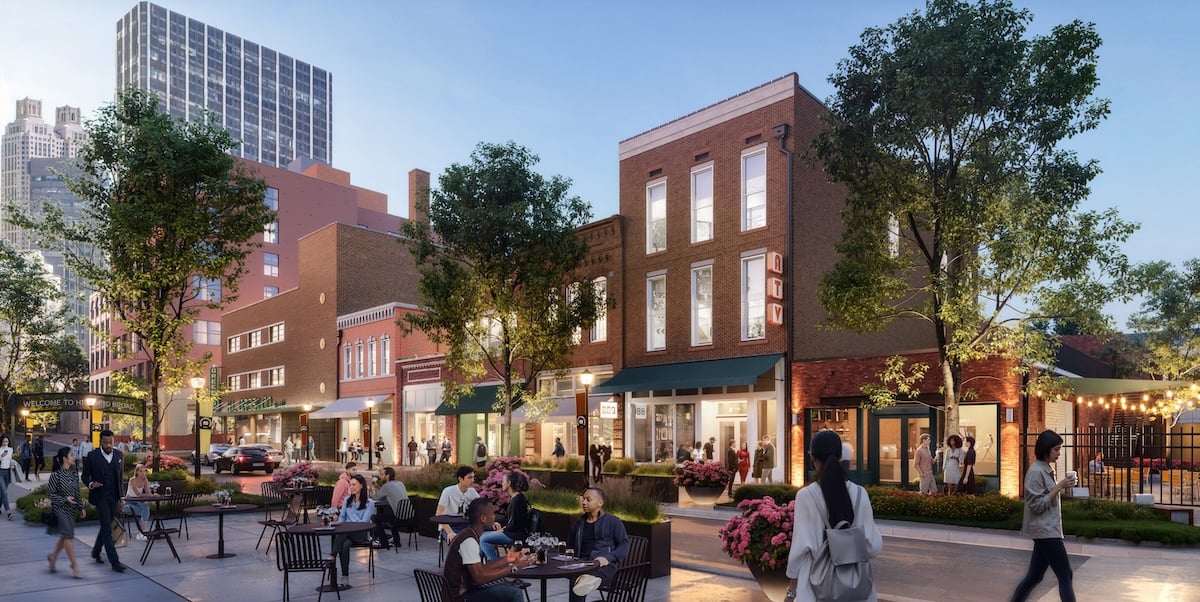
How to Choose the Right Home for Long-Term Comfort
Buying a home is one of the most important long-term decisions you will ever make. While it’s easy to get excited about modern finishes, beautiful staging, or trendy features, true satisfaction in homeownership often comes from something much deeper: long-term comfort.
A home that feels perfect today may not work well five or ten years from now. That’s why smart buyers look beyond appearance and focus on how a home will support their lifestyle, financial goals, and changing needs over time.
Choosing the right home for long-term comfort means finding a property that remains functional, enjoyable, and financially sustainable well into the future.
Why Long-Term Comfort Matters
Many buyers focus heavily on short-term emotions during the home search process. A beautiful kitchen or stylish design can create excitement, but those features alone do not guarantee long-term happiness.
A truly comfortable home should:
- Support your daily routines
- Adapt to life changes
- Minimize stress and inconvenience
- Feel financially manageable
- Continue meeting your needs over time
The goal is not simply to buy a house—it’s to choose a place where you can build a stable and enjoyable life.
1. Start With Location First
One of the most important real estate principles is:
You can renovate a home, but you cannot change its location.
Location affects nearly every aspect of long-term comfort, including:
- Commute times
- Safety
- Access to schools and healthcare
- Nearby shopping and dining
- Noise levels and traffic
- Future property value
Even the most beautiful home can become frustrating if the location creates daily inconvenience or stress.
What to Look for in a Comfortable Location
A strong location typically offers:
- Easy access to major roads or transportation
- Nearby essential services
- A clean and well-maintained environment
- Safe streets and sidewalks
- Long-term neighborhood stability
Take time to visit the area at different times of day to understand traffic patterns, noise, and overall atmosphere.
2. Choose a Layout That Fits Your Lifestyle
Square footage matters less than functionality.
A well-designed home should support how you actually live on a daily basis.
Think about:
- How often you cook
- Whether you work from home
- If you frequently host guests
- Storage needs
- Privacy preferences
For example:
- Remote workers may need a dedicated office
- Families may prioritize open common spaces
- Retirees may prefer single-story layouts
The best layout is one that makes daily life easier and more comfortable.
3. Think About Future Life Changes
Your needs today may not be your needs tomorrow.
Long-term comfort means planning ahead for:
- Growing families
- Aging parents
- Career changes
- Remote or hybrid work
- Children leaving home
- Retirement
A flexible home can adapt to these changes without requiring another move too soon.
Features That Add Long-Term Flexibility
Helpful features include:
- Extra bedrooms or bonus rooms
- Multi-purpose spaces
- Expandable living areas
- Accessible layouts
- Sufficient storage space
Homes with flexibility tend to remain functional longer.
4. Prioritize Comfort Over Trends
Design trends change quickly, but comfort remains important forever.
Instead of focusing only on:
- Trendy finishes
- Luxury upgrades
- Social media-inspired interiors
Pay attention to:
- Natural light
- Ventilation
- Quiet surroundings
- Comfortable room flow
- Practical storage
A timeless, functional home usually ages better than one built around temporary design trends.
5. Consider Maintenance Requirements
Long-term comfort also means understanding how much work the home will require.
Some homes demand more:
- Repairs
- Landscaping
- Cleaning
- Renovations
- Utility costs
Before buying, ask yourself:
- Can I comfortably maintain this property?
- Will upkeep fit my lifestyle and budget?
A beautiful home can become stressful if maintenance responsibilities are overwhelming.
6. Evaluate Energy Efficiency and Operating Costs
Monthly comfort is closely tied to affordability.
A home with high operating costs may eventually create financial pressure.
Look for:
- Energy-efficient windows
- Proper insulation
- Modern HVAC systems
- Efficient appliances
- Smart water and energy usage
Lower utility costs improve both comfort and long-term affordability.
7. Pay Attention to Noise and Privacy
Noise levels can significantly affect everyday comfort.
When touring a property, observe:
- Traffic noise
- Nearby businesses or schools
- Neighbor proximity
- Air traffic or train lines
Privacy also matters:
- Window placement
- Backyard visibility
- Shared walls (in condos/townhomes)
A peaceful environment contributes greatly to emotional well-being.
8. Assess Neighborhood Atmosphere
A comfortable home includes a comfortable neighborhood.
A strong community often offers:
- Friendly neighbors
- Clean public spaces
- Parks and walking areas
- Community pride
- Stable property maintenance
The neighborhood affects your experience just as much as the house itself.
9. Avoid Financial Overstretching
One of the biggest threats to long-term comfort is financial stress.
Even if you qualify for a large mortgage, consider whether the payment allows room for:
- Savings
- Travel and hobbies
- Emergencies
- Home maintenance
- Everyday living expenses
A slightly smaller home with financial flexibility often creates more happiness than a larger home with constant stress.
10. Think About Resale Value
Even if you plan to stay long-term, future resale potential still matters.
Homes with lasting appeal usually have:
- Good locations
- Functional layouts
- Strong school districts
- Walkability and convenience
- Reasonable maintenance needs
Buying a home with broad market appeal protects your investment over time.
11. Visit the Home More Than Once
A single showing rarely tells the full story.
Try visiting:
- During daytime and evening
- On weekdays and weekends
- In different weather conditions if possible
This helps you evaluate:
- Noise levels
- Parking situations
- Traffic flow
- Natural lighting
- Neighborhood activity
The more familiar you become with the environment, the more confident your decision will be.
12. Trust Both Logic and Emotion
Buying a home is both a financial and emotional decision.
Use logic to evaluate:
- Budget
- Location
- Maintenance
- Future flexibility
But also pay attention to:
- How the home makes you feel
- Whether you can imagine daily life there
- Whether the environment feels comfortable and welcoming
The ideal home balances practical needs with emotional connection.
Final Thoughts
Choosing the right home for long-term comfort means thinking beyond appearances and short-term excitement. It requires evaluating how a property will support your lifestyle, financial well-being, and future goals for years to come.
A truly comfortable home is not necessarily the biggest or most luxurious—it’s the one that makes daily life easier, calmer, and more enjoyable over time.
In the end, the best home is one that continues to feel right long after the excitement of moving day has passed.
--
Tina Jingru Sui 隋静儒
Associate Broker | Team Leader of TJS Team, Keller Williams
Serving Metro Atlanta — Johns Creek, Alpharetta, Duluth, Suwanee, Buford, and beyond
404-375-2120
WeChat: tinasuirealty
Follow me on Instagram / 小红书 / WeChat / Facebook