How to Create a Low-Maintenance Home Environment
Many homeowners want a beautiful, comfortable home—but not everyone wants to spend weekends constantly cleaning, repairing, or maintaining it. A low-maintenance home environment is designed to reduce daily effort, minimize long-term repairs, and make life simpler without sacrificing style or comfort.
Whether you’re a busy professional, a growing family, or planning to downsize in the future, creating a low-maintenance home can save time, money, and stress.
Here’s how to build and maintain a home that works for you—not the other way around.
Choose Durable, Easy-Care Materials
One of the most effective ways to reduce maintenance is selecting materials that are built to last.
Consider:
- Flooring: luxury vinyl plank, tile, or engineered wood
- Countertops: quartz (low maintenance vs. natural stone)
- Exterior finishes: fiber cement siding or brick
- Roofing: metal or architectural shingles
Durable materials may cost more upfront but reduce long-term repairs and upkeep.
Simplify Your Interior Design
A clutter-free, simple design naturally requires less maintenance.
To achieve this:
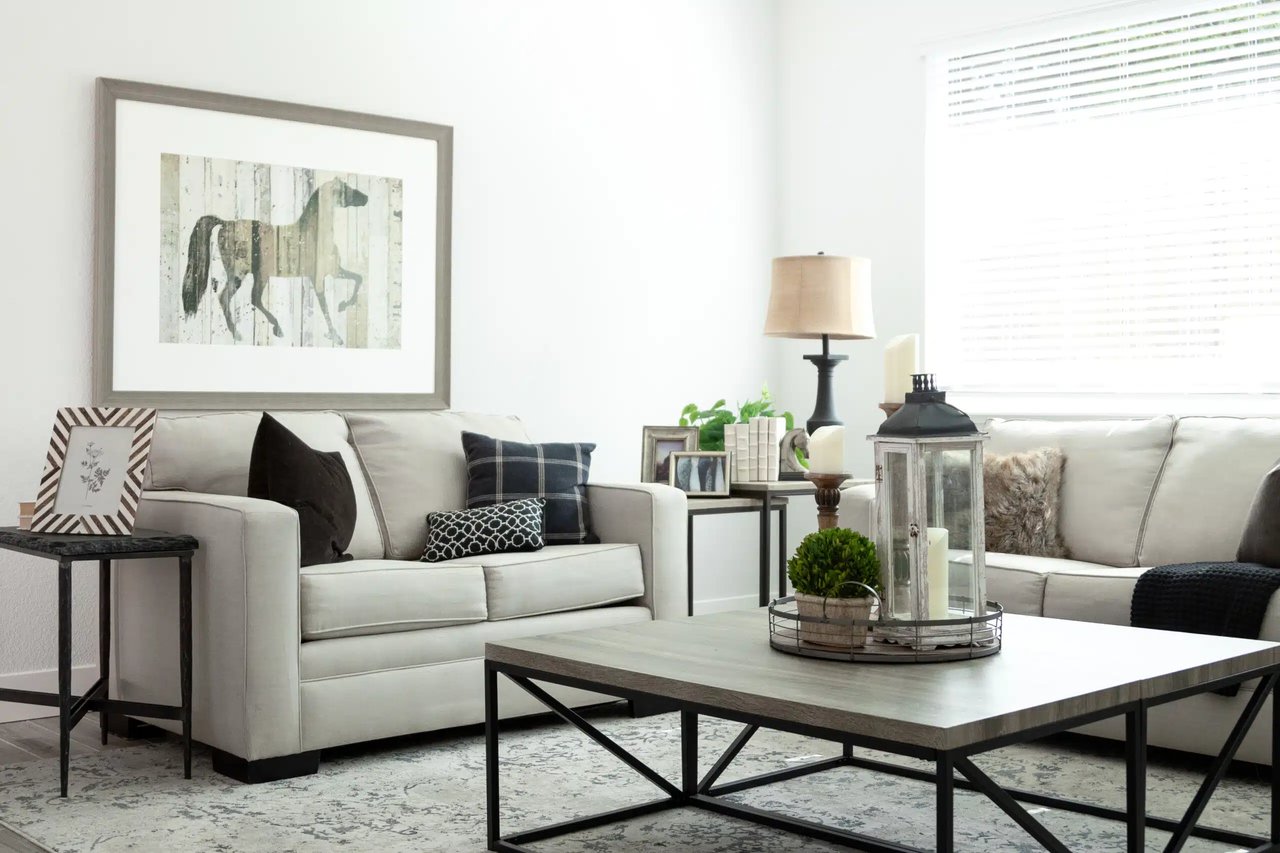
- Avoid overly intricate décor
- Choose clean, simple furniture lines
- Limit decorative accessories
- Stick to a neutral color palette
Minimalist design not only looks modern but is also easier to clean and maintain.
Reduce Clutter and Excess Items
The more items you have, the more you need to clean and organize.
Try:
- Regularly decluttering unused items
- Using storage bins and organizers
- Adopting a “one in, one out” rule
- Keeping countertops clear
Less clutter means faster cleaning and less daily stress.
Choose Low-Maintenance Landscaping
Outdoor maintenance can be one of the most time-consuming parts of homeownership.
Consider landscaping options such as:
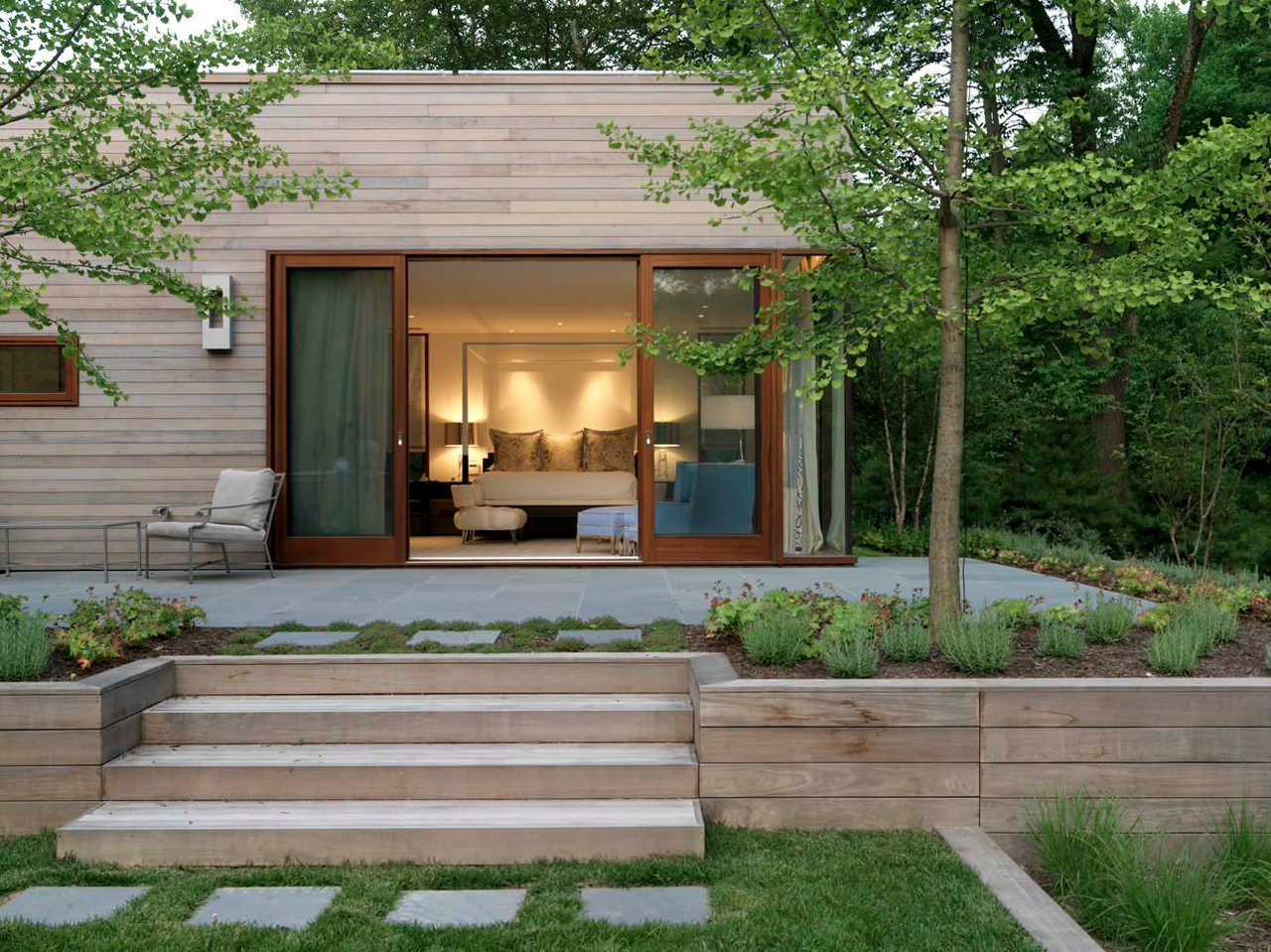
- Drought-resistant plants
- Native vegetation
- Mulch instead of grass-heavy yards
- Automatic irrigation systems
- Artificial turf (in some cases)
A smart landscape design reduces watering, trimming, and upkeep.
Use Smart Home Technology
Technology can significantly reduce daily home maintenance tasks.
Helpful smart devices include:
- Smart thermostats
- Automated lighting systems
- Robot vacuums
- Smart irrigation controllers
- Security cameras with remote monitoring
These tools help automate routine responsibilities.
Choose Easy-to-Clean Surfaces
Surfaces that are easy to wipe down save time every day.
Look for:
- Smooth cabinet finishes
- Glass or quartz shower doors
- Large-format tiles (fewer grout lines)
- Washable paint finishes
Fewer grooves and seams mean less scrubbing and buildup.
Design for Practical Layouts
A functional layout reduces cleaning effort and improves flow.
Tips include:
- Open floor plans for easier movement
- Fewer unnecessary rooms or tight spaces
- Logical storage placement
- Efficient kitchen layouts
Good design reduces both daily effort and long-term frustration.
Limit High-Maintenance Features
Some home features look appealing but require ongoing upkeep.
Be cautious with:
- Natural stone that needs sealing
- Complex water features or fountains
- High-end landscaping that requires frequent trimming
- Expansive gardens or lawns
Choosing simplicity can reduce long-term workload.
Invest in Quality Systems
Reliable home systems reduce breakdowns and repair needs.
Focus on:
- High-quality HVAC systems
- Durable plumbing fixtures
- Energy-efficient appliances
- Well-insulated windows and doors
Better systems mean fewer emergency repairs and replacements.
Create a Simple Cleaning Routine
Even low-maintenance homes need consistent care.
A manageable routine might include:
- Daily: quick tidying and dishes
- Weekly: vacuuming and bathroom cleaning
- Monthly: appliance checks and deeper cleaning
- Seasonal: HVAC filters, gutters, and outdoor maintenance
Consistency prevents larger problems later.
Organize Storage Efficiently
Good storage reduces clutter and simplifies upkeep.
Try:
- Built-in shelving
- Under-bed storage
- Garage organization systems
- Labelled bins and containers
When everything has a place, cleaning becomes much easier.
Focus on Function Over Excess
A low-maintenance home prioritizes usability over unnecessary complexity.
Ask yourself:
- Do I really need this feature?
- Will it add maintenance work later?
- Is there a simpler alternative?
Practical choices often lead to easier living.
Plan for Long-Term Maintenance Early
Even low-maintenance homes need occasional upkeep.
Prepare for:
- Annual inspections
- Routine servicing of systems
- Small repairs before they grow
- Budgeting for maintenance costs
Planning ahead prevents surprises and reduces stress.
Work With Smart Design Professionals
Architects, builders, and real estate professionals can help you choose low-maintenance options from the start.
They can recommend:
- Durable materials
- Efficient layouts
- Energy-saving systems
- Low-upkeep landscaping ideas
Good planning at the beginning makes a big difference long-term.
Final Thoughts
Creating a low-maintenance home environment is about making intentional choices that reduce effort without sacrificing comfort or style. From durable materials and smart layouts to simplified design and automated systems, every decision can contribute to easier living.
A well-designed home should support your lifestyle—not add to your workload. By focusing on practicality, efficiency, and simplicity, you can enjoy a cleaner, more manageable home and spend more time on the things that matter most.
--
Tina Jingru Sui 隋静儒
Associate Broker | Team Leader of TJS Team, Keller Williams
 Serving Metro Atlanta — Johns Creek, Alpharetta, Duluth, Suwanee, Buford, and beyond
 404-375-2120


 WeChat: tinasuirealty
 Follow me on Instagram / 小红书 / WeChat / Facebook