How to Create a More Functional Living Room
The living room is one of the most important spaces in a home. It’s where families relax, entertain guests, watch TV, and often even work or study. Because it serves so many purposes, a functional living room needs to be both comfortable and practical.
A well-designed living room doesn’t just look good—it supports your daily lifestyle. Here’s how to create a more functional living room that works for your needs.
Start With a Clear Purpose
Before arranging furniture or buying décor, define how you use your living room.
Ask yourself:
- Is it mainly for family relaxation?
- Do you entertain guests often?
- Do you work or study in this space?
- Do kids use it as a play area?
Understanding your priorities helps guide every design decision.
Choose the Right Furniture Size
Furniture should fit the space—not overwhelm it.
Tips include:
- Avoid oversized sofas in small rooms
- Use compact or modular furniture for flexibility
- Choose pieces with exposed legs to create a sense of space
- Leave enough walking room between furniture
Proper sizing improves both comfort and flow.
Create a Smart Layout
A functional layout improves movement and usability.
Try to:
- Arrange seating to encourage conversation
- Keep pathways open and clear
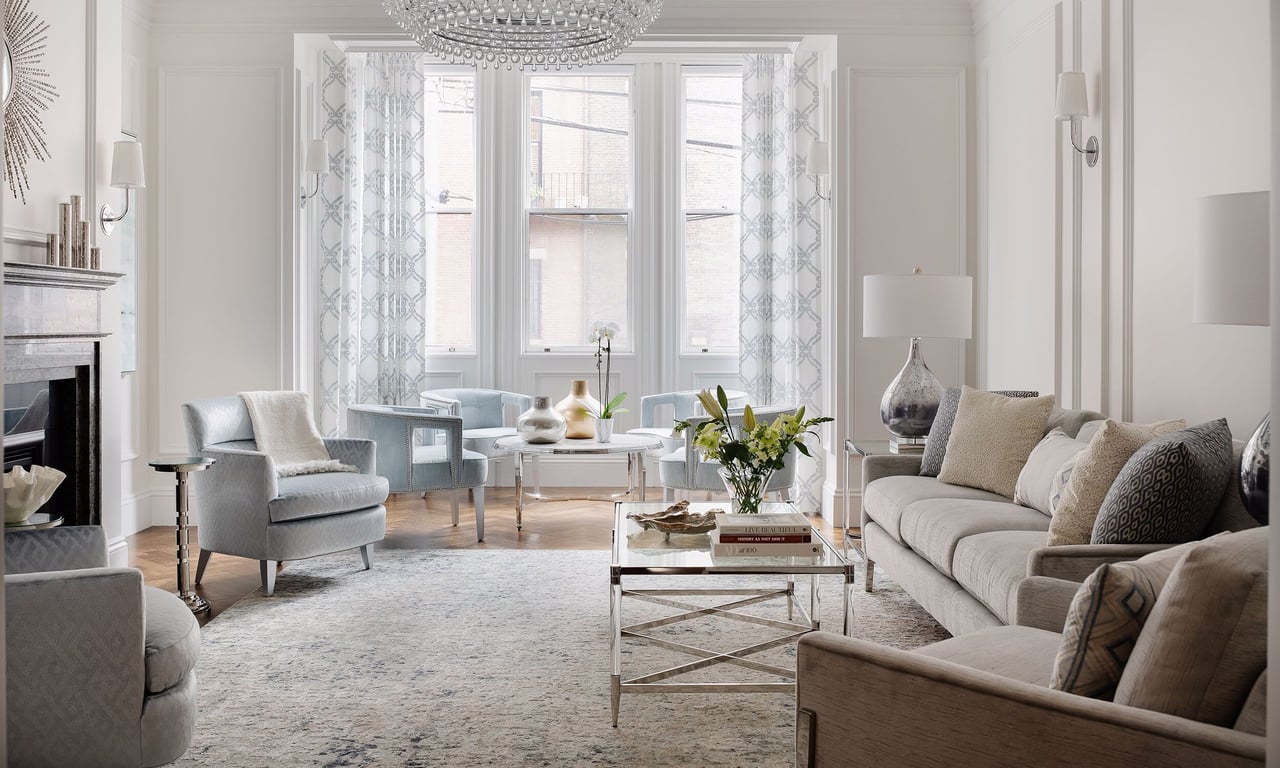
- Position furniture around a focal point (TV, fireplace, or window)
- Avoid pushing all furniture against walls unless necessary
Good flow makes the room feel larger and more inviting.
Define Different Zones
If your living room serves multiple purposes, zoning is essential.
You can create areas for:
- Watching TV
- Reading or relaxing
- Working or studying
- Kids’ play area
Rugs, lighting, and furniture placement can help define each zone.
Maximize Storage Solutions
Clutter can quickly make a living room feel chaotic.
Add storage such as:
- Built-in shelves
- Coffee tables with hidden storage
- TV consoles with cabinets
- Storage ottomans or benches
Smart storage keeps essentials organized and out of sight.
Improve Lighting Layers
Good lighting makes a living room more flexible and comfortable.
Use multiple lighting types:
- Ambient lighting: ceiling lights for general brightness
- Task lighting: floor or table lamps for reading or work
- Accent lighting: highlights artwork or décor
Layered lighting allows you to adjust the mood as needed.
Choose Multi-Functional Furniture
Furniture that serves more than one purpose increases efficiency.
Examples include:
- Sofa beds for guests
- Extendable coffee tables
- Storage ottomans
- Foldable side tables
These pieces help you adapt the space easily.
Keep Traffic Flow in Mind
A functional living room should be easy to move through.
Make sure to:
- Avoid blocking doorways or windows
- Maintain clear walking paths
- Arrange furniture to support natural movement
A good flow improves daily comfort.
Use Rugs to Anchor the Space
Rugs help organize furniture and define areas.
Tips:
- Choose a rug large enough to fit under main furniture
- Use rugs to separate different zones
- Stick to simple patterns in smaller rooms
Rugs can instantly make a space feel more cohesive.
Declutter Regularly
Too many items can reduce both function and comfort.
Keep only what you need:
- Remove unused décor
- Store seasonal items elsewhere
- Keep surfaces clean and minimal
A clean space feels more open and usable.
Incorporate Technology Thoughtfully
Modern living rooms often include technology.
To keep it functional:
- Hide cables and wires
- Use wall-mounted TVs when possible
- Choose smart home devices for convenience
- Avoid overcrowding with electronics
Technology should enhance—not clutter—the space.
Prioritize Comfort
Functionality doesn’t mean sacrificing comfort.
Focus on:
- Comfortable seating
- Soft textiles (pillows, throws, curtains)
- Balanced temperature and airflow
- Inviting color schemes
A functional room should still feel relaxing.
Use Vertical Space
When floor space is limited, think upward.
Options include:
- Tall shelving units
- Wall-mounted storage
- Hanging décor or plants
- Vertical artwork arrangements
This helps maximize usable space.
Add Personal but Minimal Décor
Decor should enhance the room without overwhelming it.
Try:
- A few meaningful art pieces
- Simple decorative accents
- Coordinated color themes
- Natural elements like plants
Less is often more in functional design.
Adapt the Space Over Time
Your needs may change, so your living room should be flexible.
Be open to:
- Rearranging furniture
- Updating storage solutions
- Changing layouts for new lifestyles
- Adding or removing zones
A flexible design keeps the room useful long-term.
Final Thoughts
A functional living room is all about balance—comfort, usability, and smart design working together. By focusing on layout, storage, lighting, and flexibility, you can create a space that supports your daily life while still feeling welcoming and stylish.
The best living rooms are not just beautiful—they are designed to make everyday living easier, more comfortable, and more enjoyable.
--
Tina Jingru Sui 隋静儒
Associate Broker | Team Leader of TJS Team, Keller Williams
 Serving Metro Atlanta — Johns Creek, Alpharetta, Duluth, Suwanee, Buford, and beyond
 404-375-2120


 WeChat: tinasuirealty
 Follow me on Instagram / 小红书 / WeChat / Facebook