How to Evaluate a Neighborhood Before Buying a Home
Buying a home is about more than finding the right floor plan or number of bedrooms. The neighborhood you choose can have a lasting impact on your daily routine, lifestyle, and overall satisfaction with your home. Since you can renovate a house but cannot easily change its location, evaluating the surrounding community is an essential part of the homebuying process.
By taking the time to research neighborhoods before making an offer, buyers can make more informed decisions and find a community that aligns with both their current needs and future plans. Here are some important factors to consider when evaluating a neighborhood before buying a home.
1. Consider Your Lifestyle
Every neighborhood offers a different living experience.
Ask yourself questions such as:
- Do you prefer a quiet residential area or a more active community?
- How important is walkability?
- Do you enjoy parks and outdoor recreation?
- Are nearby restaurants and shopping important?
Choosing a neighborhood that matches your lifestyle can increase your long-term satisfaction.
2. Research Local Schools
Even buyers without school-aged children often consider school districts because they can influence buyer interest and long-term property appeal.
When researching schools, consider:
- Academic programs
- Extracurricular activities
- School locations
- Transportation options
Gather information from official school resources and schedule visits if appropriate.
3. Evaluate Your Daily Commute
A home's location can significantly affect your daily routine.
Consider:
- Distance to work
- Traffic patterns
- Public transportation options
- Major highways
- Typical travel times
If possible, test the commute during the times you would normally travel.
4. Explore Nearby Amenities
Convenient amenities can improve everyday living.
Look for nearby:
- Grocery stores
- Shopping centers
- Restaurants
- Parks
- Fitness centers
- Healthcare facilities
- Libraries
Having essential services nearby can add convenience and save time.
5. Visit the Neighborhood at Different Times
A neighborhood can feel very different depending on the time of day or week.
Visit:
- Weekday mornings
- Evenings
- Weekends
This can help you observe traffic, parking, noise levels, and overall community activity.
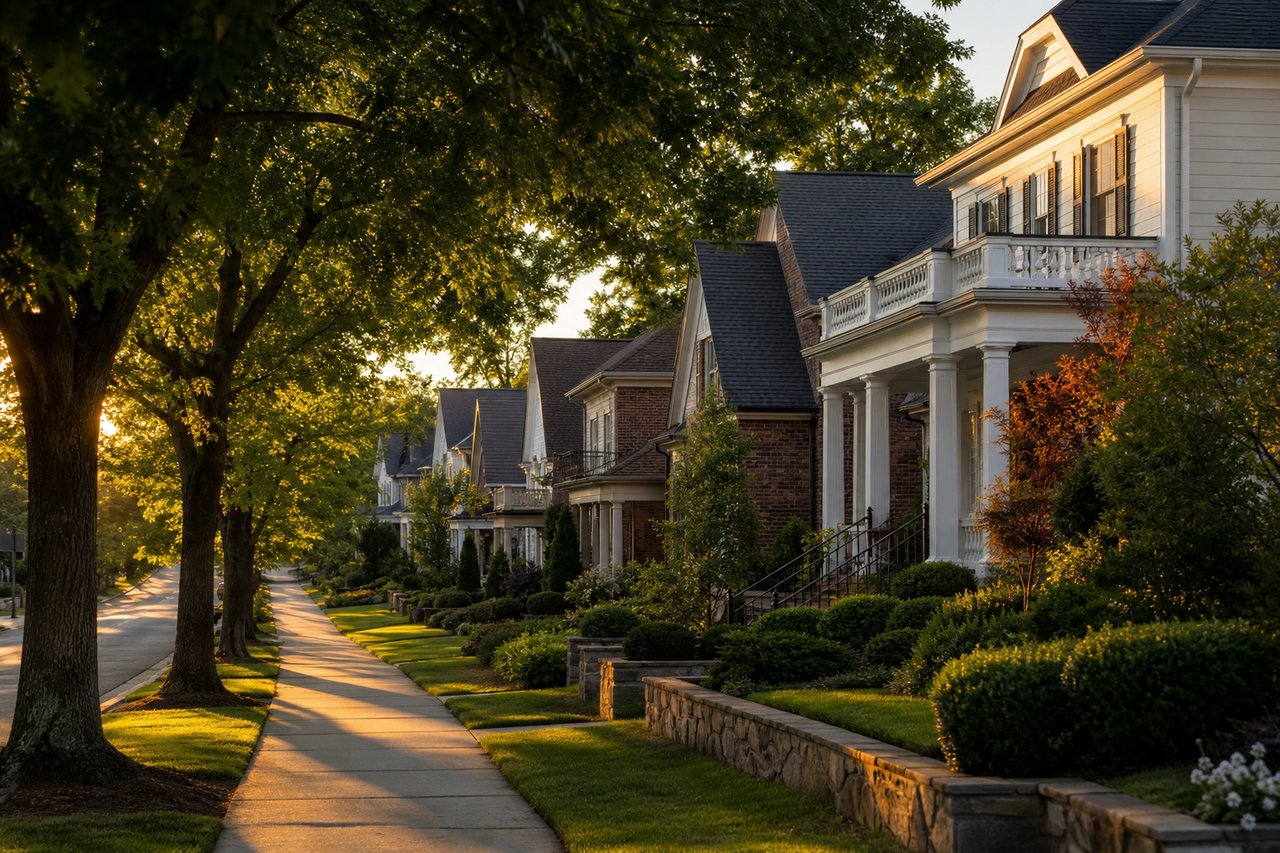
6. Observe Neighborhood Maintenance
The condition of nearby properties often reflects the overall appearance of the community.
Notice:
- Lawn maintenance
- Landscaping
- Sidewalk conditions
- Street cleanliness
- Exterior home maintenance
A well-maintained neighborhood can create a welcoming environment.
7. Learn About Future Community Development
Research planned projects that may affect the area.
Examples include:
- New residential communities
- Retail developments
- Road improvements
- Parks
- Public transportation projects
Future development may influence convenience, traffic patterns, and neighborhood growth.
8. Consider Outdoor Recreation
Access to outdoor spaces can enhance quality of life.
Look for nearby:
- Walking trails
- Community parks
- Sports facilities
- Playgrounds
- Nature preserves
These amenities may support an active and enjoyable lifestyle.
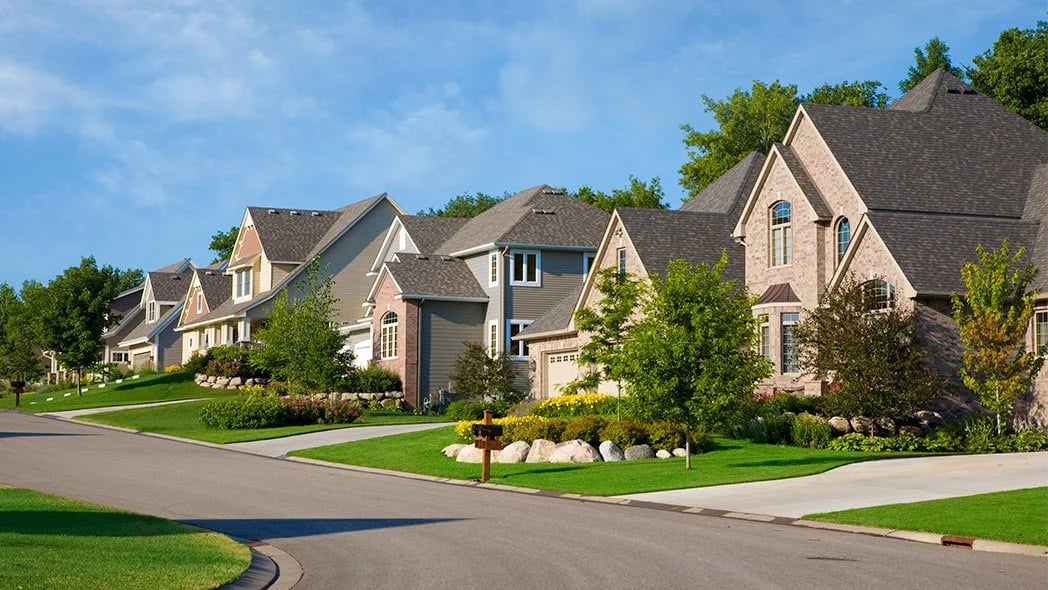
9. Review Housing Styles
Take time to explore the types of homes throughout the neighborhood.
Consider:
- Home styles
- Lot sizes
- Property maintenance
- Architectural consistency
A neighborhood with homes that match your preferences may better suit your long-term goals.
10. Understand Homeowners Association (HOA) Rules
If the neighborhood has a homeowners association, review its guidelines carefully.
Topics may include:
- Exterior maintenance standards
- Landscaping requirements
- Parking regulations
- Community amenities
- HOA fees
Understanding these rules before purchasing can help avoid surprises later.
11. Consider Long-Term Needs
Think beyond your current situation.
Ask yourself:
- Will this neighborhood meet your needs in five or ten years?
- Is there room for future lifestyle changes?
- Does the area support your long-term plans?
Planning ahead can help you choose a home you'll enjoy for years to come.
12. Research Local Market Trends
Understanding neighborhood market conditions can provide helpful context.
Review information such as:
- Recent home sales
- Average listing prices
- Inventory levels
- Time homes spend on the market
Market trends can help buyers make informed purchasing decisions.
13. Talk With Local Residents
If appropriate, speaking with current residents can provide valuable insights.
You might learn about:
- Community events
- Neighborhood atmosphere
- Daily living experiences
- Local amenities
Personal perspectives can complement your own research.
14. Balance Wants and Needs
Every buyer has different priorities.
Create a list of:
- Must-have neighborhood features
- Preferred amenities
- Nice-to-have extras
This approach can help you stay focused while comparing different communities.
15. Work With an Experienced Real Estate Professional
A knowledgeable real estate professional can help buyers:
- Compare neighborhoods
- Understand local market conditions
- Identify communities that match their goals
- Provide insights into housing trends
- Guide buyers throughout the home search process
Professional guidance can make evaluating neighborhoods much easier.
Final Thoughts
Choosing the right neighborhood is just as important as selecting the right home. By researching schools, amenities, commute times, community development, housing styles, and local market conditions, buyers can gain a clearer understanding of whether a neighborhood fits their lifestyle and long-term goals.
Taking the time to evaluate a community before making a purchase can lead to greater confidence and satisfaction with your decision. Combined with guidance from an experienced real estate professional, careful neighborhood research can help you find not just a house, but a place you'll be happy to call home for years to come.
--
Tina Jingru Sui 隋静儒
Associate Broker | Team Leader of TJS Team, Keller Williams
Serving Metro Atlanta — Johns Creek, Alpharetta, Duluth, Suwanee, Buford, and beyond
404-375-2120
WeChat: tinasuirealty
Follow me on Instagram / 小红书 / WeChat / Facebook