How to Make a Smaller Home Feel Bigger
A smaller home can still feel open, comfortable, and highly functional with the right design choices. In today’s market, many buyers and homeowners are prioritizing smart use of space over sheer square footage—especially in growing areas like Atlanta, where affordability and efficiency matter more than ever.
The good news is that making a home feel larger does not always require major renovations. Small changes in layout, lighting, and organization can make a significant difference.
1. Use Light and Neutral Colors
Color has a major impact on how spacious a room feels.
Lighter tones such as:
- White
- Soft gray
- Beige
- Light earth tones
help reflect natural light and create a more open atmosphere.
Dark colors can make small spaces feel more enclosed.
2. Maximize Natural Light
Natural light instantly makes rooms feel larger and more inviting.
Simple ways to improve light include:
- Using sheer curtains
- Keeping windows unobstructed
- Adding mirrors to reflect sunlight
- Cleaning windows regularly
Homes in areas like Alpharetta often benefit from bright, airy interiors that appeal to buyers.
3. Declutter and Simplify
Too many items make spaces feel crowded quickly.
Focus on:
- Removing unnecessary furniture
- Organizing countertops and shelves
- Reducing visible clutter
- Using hidden storage solutions
Minimal, clean spaces naturally appear larger.
4. Choose Multi-Functional Furniture
Furniture that serves multiple purposes helps maximize usable space.
Examples include:
- Storage ottomans
- Foldable dining tables
- Beds with built-in storage
- Convertible desks or guest beds
Smart furniture improves both function and flow.
5. Create Better Furniture Layouts
Oversized furniture can overwhelm smaller rooms.
Instead:
- Use appropriately scaled furniture
- Leave clear walking paths
- Avoid blocking windows or entryways
- Arrange pieces to improve openness
A thoughtful layout can completely change how a space feels.
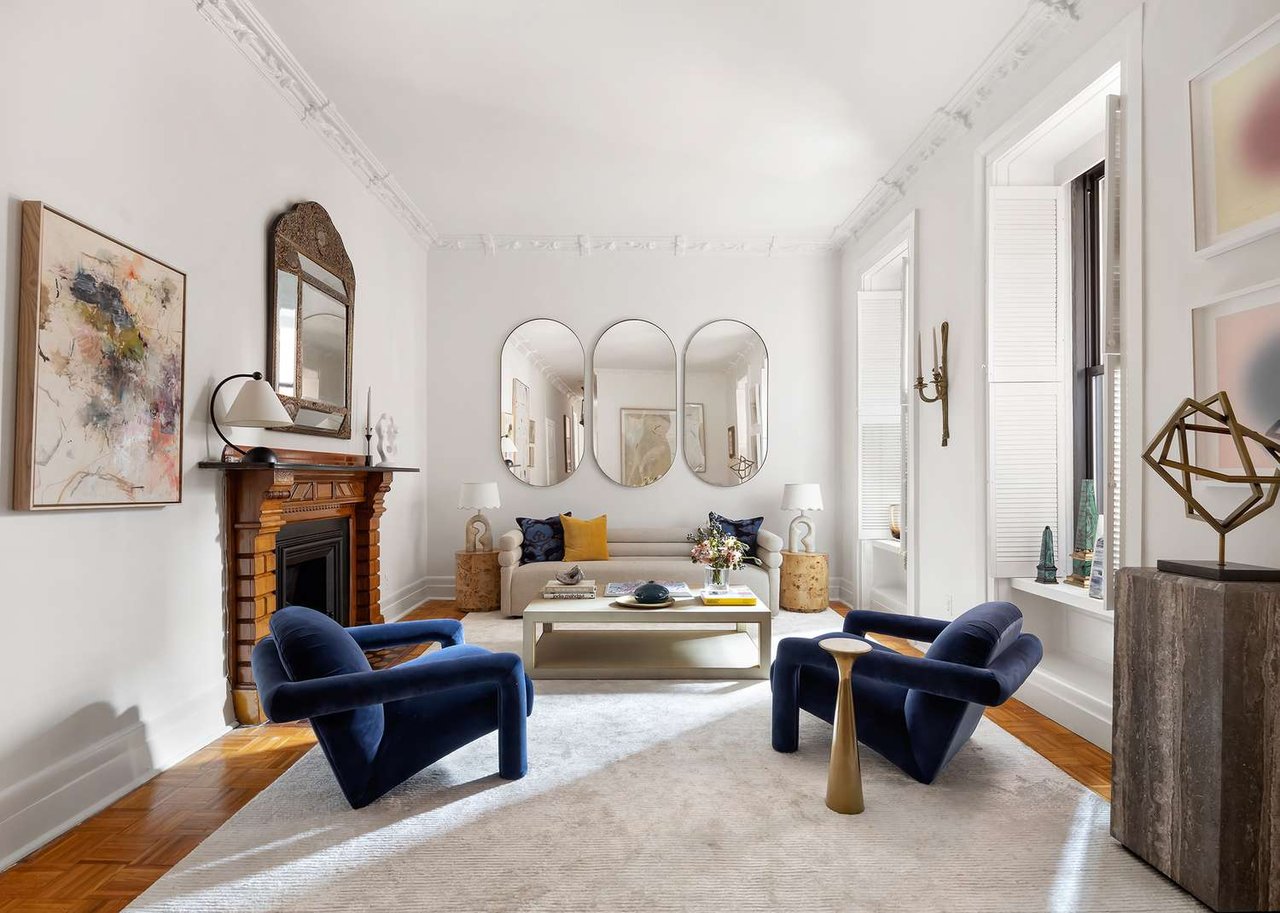
6. Add Mirrors Strategically
Mirrors create the illusion of depth and openness.
Best placements include:
- Across from windows
- In narrow hallways
- Behind dining or living areas
Mirrors also help distribute light more effectively throughout the home.
7. Keep Flooring Consistent
Using the same flooring throughout multiple rooms creates visual continuity.
This helps:
- Reduce visual breaks
- Make spaces flow together
- Create a cleaner and more expansive look
Consistent flooring is especially effective in open-concept homes.
8. Use Vertical Space Efficiently
When floor space is limited, vertical space becomes valuable.
Ideas include:
- Tall shelving units
- Wall-mounted storage
- Floating shelves
- Vertical décor and lighting
In smaller homes and condos, smart vertical storage can dramatically improve functionality.
9. Keep Décor Simple and Balanced
Too much decoration can make rooms feel busy.
A cleaner design approach includes:
- Fewer but more intentional décor pieces
- Coordinated color palettes
- Simple artwork and accents
Balanced design creates a calmer and more spacious feeling.
10. Highlight Outdoor Living Areas
Outdoor space can visually expand the home’s usable area.
Even small patios or balconies can feel inviting with:
- Simple seating arrangements
- Plants or greenery
- Clean and organized layouts
In areas like Johns Creek, functional outdoor spaces can add significant lifestyle appeal.
Final Thoughts
A smaller home can feel surprisingly spacious with the right approach.
The most effective strategies include:
- Maximizing light
- Reducing clutter
- Choosing functional furniture
- Creating visual flow
- Using space intentionally
Because in real estate,
a home does not need to be larger to feel more comfortable—it simply needs to be designed thoughtfully.
--
Tina Jingru Sui 隋静儒
Associate Broker | Team Leader of TJS Team, Keller Williams
 Serving Metro Atlanta — Johns Creek, Alpharetta, Duluth, Suwanee, Buford, and beyond
 404-375-2120


 WeChat: tinasuirealty
 Follow me on Instagram / 小红书 / WeChat / Facebook