How to Make the Most of a Home Tour
A home tour is one of the most important steps in the home buying process. While online photos, videos, and virtual tours can provide valuable information, nothing replaces seeing a property in person. A home tour gives buyers the opportunity to evaluate the home's condition, layout, features, and overall feel before making an offer.
To ensure you gather the information you need, it’s important to approach each tour with a plan. Here are some practical tips to help you make the most of a home tour.
Arrive With a List of Priorities
Before touring a home, identify what matters most to you.
Your list may include:
- Number of bedrooms and bathrooms
- Home office space
- Storage options
- Outdoor living areas
- School proximity
- Commute convenience
Having clear priorities helps you focus on what truly matters rather than being distracted by cosmetic features.
Take Your Time
It can be tempting to move quickly through a property, especially if you're viewing multiple homes in one day.
Instead:
- Walk through each room carefully
- Observe details
- Ask questions
- Avoid rushing decisions
A thorough tour often reveals information that photos cannot show.
Look Beyond the Staging
Professional staging can make a home look attractive, but buyers should focus on the property's actual features.
Pay attention to:
- Room sizes
- Layout functionality
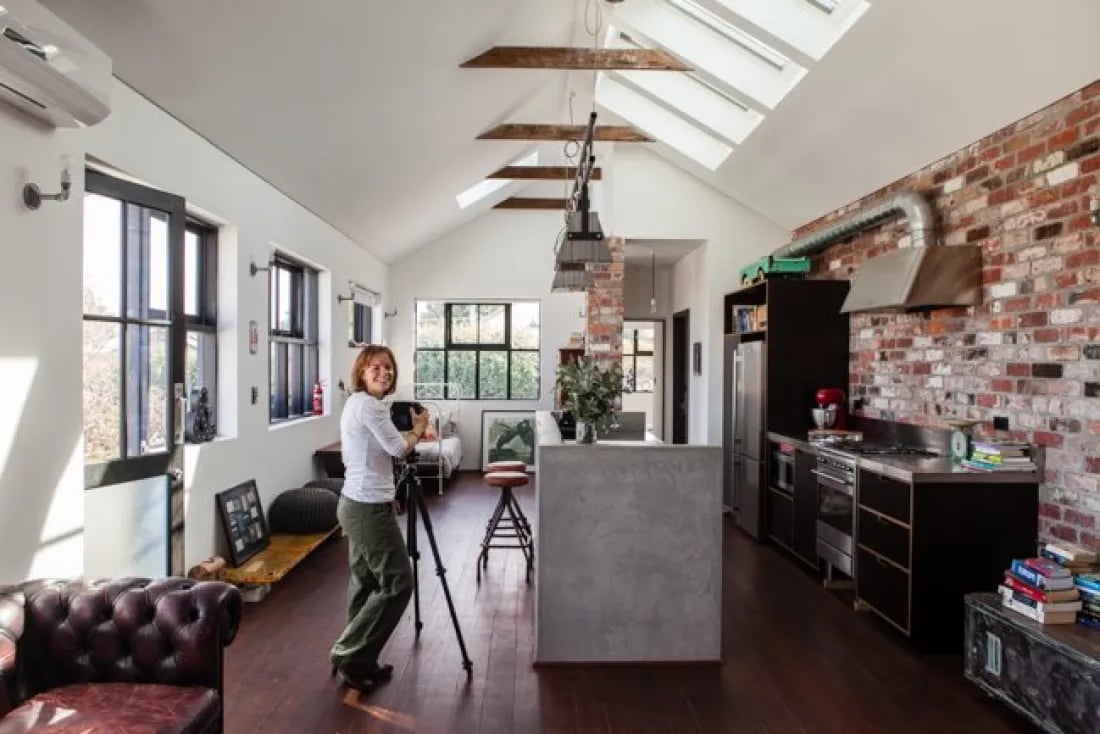
- Natural light
- Storage capacity
- Traffic flow between rooms
Try to imagine the home without furniture and decorations.
Evaluate the Home’s Condition
During the tour, look for signs of maintenance issues or potential repairs.
Check for:
- Cracks in walls or ceilings
- Water stains
- Uneven flooring
- Window condition
- Signs of mold or moisture
While a professional inspection comes later, an initial review can help identify concerns.
Test What You Can
If permitted by the seller or agent, test basic features such as:
- Light switches
- Faucets
- Cabinet doors
- Windows
- Closet doors
Functional systems often indicate a well-maintained property.
Pay Attention to Natural Light
Lighting can significantly affect comfort and appearance.
Notice:
- Window placement
- Sunlight throughout the home
- Brightness of living spaces
- Potential dark areas
Natural light is a feature many buyers value highly.
Assess Storage Space
Storage is often overlooked during a tour.
Examine:
- Bedroom closets
- Pantry space
- Garage storage
- Linen closets
- Laundry room storage
Adequate storage can improve everyday living and reduce clutter.
Consider the Floor Plan
A beautiful room means little if the layout does not suit your lifestyle.
Think about:
- Daily routines
- Family needs
- Entertaining guests
- Work-from-home requirements
A functional layout can be more important than cosmetic upgrades.
Explore the Exterior
Do not focus solely on the interior.
Inspect:
- Roof condition
- Driveway
- Landscaping
- Fencing
- Decks and patios
- Drainage around the property
Exterior maintenance can significantly affect future costs.
Observe the Neighborhood
The surrounding area is just as important as the home itself.
Take note of:
- Traffic levels
- Nearby amenities
- Property upkeep
- Noise levels
- Community atmosphere
Remember that you can renovate a house, but you cannot change its location.
Ask Questions
A home tour is an excellent opportunity to gather information.
Questions may include:
- How long has the home been on the market?
- Have there been recent upgrades?
- What is included in the sale?
- Are there HOA fees?
- What are the average utility costs?
The more informed you are, the better your decision-making will be.
Take Notes and Photos
After touring several homes, details can blend together.
Consider:
- Taking notes about each property
- Photographing important features (if permitted)
- Recording pros and cons
This information can be valuable when comparing homes later.
Imagine Your Daily Life There
Try to picture yourself living in the home.
Ask:
- Does the layout fit your lifestyle?
- Is there enough space?
- Can you see yourself living here for several years?
- Does the home feel comfortable and practical?
Emotional connection matters, but it should be balanced with objective evaluation.
Avoid Making Immediate Decisions
It is natural to feel excited after seeing a home you like, but avoid making rushed decisions.
Take time to:
- Review your notes
- Compare other options
- Discuss the property with trusted advisors
- Consider long-term affordability
Careful consideration can help prevent buyer’s remorse.
Final Thoughts
A home tour is much more than a simple walkthrough—it is an opportunity to evaluate whether a property truly meets your needs and supports your future goals. By paying attention to the home's condition, layout, storage, natural light, neighborhood, and overall functionality, buyers can make more informed and confident decisions.
The more prepared and observant you are during a home tour, the better positioned you will be to find a home that offers both comfort and long-term value.
--
Tina Jingru Sui 隋静儒
Associate Broker | Team Leader of TJS Team, Keller Williams
 Serving Metro Atlanta — Johns Creek, Alpharetta, Duluth, Suwanee, Buford, and beyond
 404-375-2120


 WeChat: tinasuirealty
 Follow me on Instagram / 小红书 / WeChat / Facebook