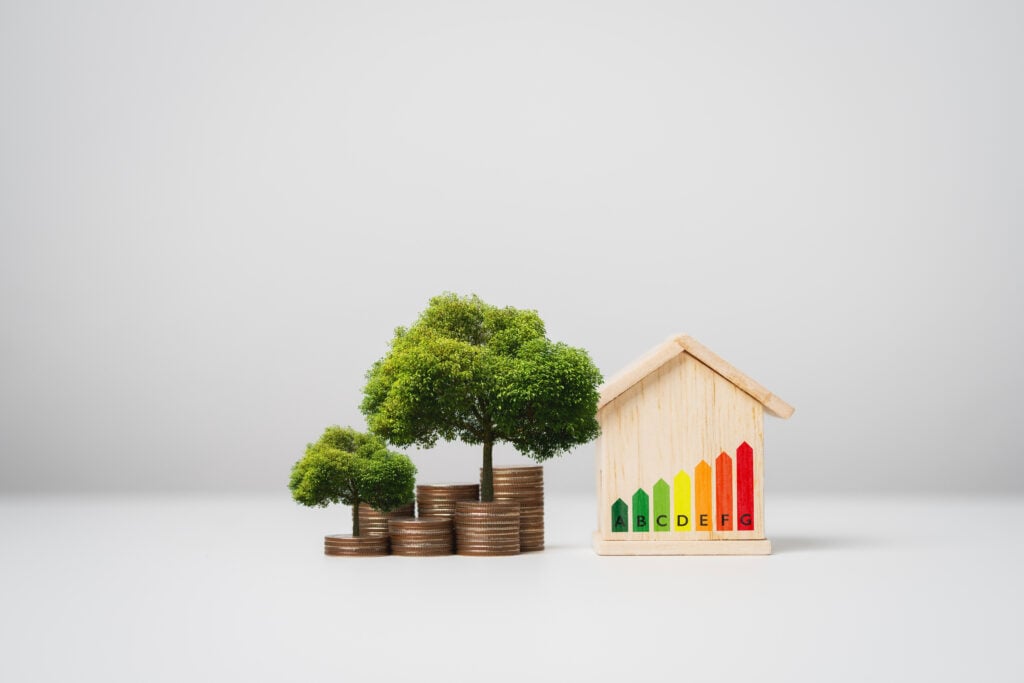
How to Make Your Home More Energy Efficient
Improving energy efficiency is one of the best ways homeowners can reduce utility costs, increase comfort, and create a more environmentally friendly living space. An energy-efficient home not only saves money over time but can also increase property value and appeal to future buyers.
The good news is that improving efficiency does not always require major renovations. Small upgrades and smart habits can make a significant difference. Here are practical ways to make your home more energy efficient.
Upgrade to LED Lighting
One of the easiest and most affordable improvements is switching to LED light bulbs.
LED lighting:
- Uses less electricity
- Lasts longer than traditional bulbs
- Produces less heat
- Reduces replacement frequency
Replacing older bulbs throughout the home can lower overall energy consumption quickly.
Improve Insulation
Proper insulation helps regulate indoor temperatures and reduces energy waste.
Important areas to insulate include:
- Attics
- Walls
- Floors
- Crawl spaces
Good insulation helps keep homes cooler in summer and warmer in winter, reducing heating and cooling costs.
Seal Air Leaks
Small gaps around windows and doors can allow air to escape, forcing HVAC systems to work harder.
Common leak areas include:
- Window frames
- Door edges
- Vents
- Electrical outlets
Using weather stripping or caulking can improve efficiency and indoor comfort.
Upgrade to Energy-Efficient Appliances
Older appliances often use significantly more energy than modern models.
Energy-efficient appliances can include:
- Refrigerators
- Dishwashers
- Washing machines
- Dryers
- Water heaters
Newer models are designed to reduce electricity and water usage.
Install a Smart Thermostat
Smart thermostats help homeowners control heating and cooling more efficiently.
Benefits include:
- Automatic temperature adjustments
- Remote control through mobile apps
- Energy usage tracking
- Reduced unnecessary HVAC operation
Optimizing temperature settings can lead to noticeable savings over time.
Maximize Natural Light
Using natural light reduces the need for artificial lighting during the day.
To improve natural light:
- Open blinds and curtains
- Use lighter interior colors
- Clean windows regularly
- Add mirrors to reflect sunlight
Bright homes also tend to feel larger and more welcoming.
Maintain HVAC Systems Regularly
Heating and cooling systems work more efficiently when properly maintained.
Helpful maintenance includes:
- Replacing air filters regularly
- Cleaning vents
- Scheduling professional inspections
- Checking ductwork for leaks
Well-maintained HVAC systems use less energy and last longer.
Upgrade Windows if Needed
Old or poorly sealed windows can cause major energy loss.
Energy-efficient windows may help:
- Reduce drafts
- Improve insulation
- Lower heating and cooling costs
- Improve indoor comfort
Even adding insulated curtains can improve efficiency.
Reduce Water Usage
Saving water also reduces energy costs associated with heating water.
Helpful upgrades include:
- Low-flow showerheads
- Efficient toilets
- Faucet aerators
- Energy-efficient water heaters
Small water-saving changes can add up over time.
Use Ceiling Fans Strategically
Ceiling fans improve air circulation and reduce strain on HVAC systems.
During warmer months:
- Fans create a cooling effect
During colder months:
- Reverse fan direction to circulate warm air
This can improve comfort while lowering energy use.
Unplug Unused Electronics
Many devices continue using electricity even when turned off.
Examples include:
- Chargers
- TVs
- Gaming systems
- Kitchen appliances
Using power strips or unplugging unused electronics can reduce unnecessary energy consumption.
Consider Solar Energy Options
For some homeowners, solar panels can provide long-term energy savings.
Benefits may include:
- Lower utility bills
- Increased energy independence
- Potential tax incentives
- Reduced environmental impact
Solar systems require upfront investment but may offer long-term financial benefits.
Upgrade Landscaping for Efficiency
Landscaping can also affect home energy use.
Strategic landscaping may:
- Provide shade during summer
- Reduce heat around the home
- Improve outdoor comfort
Trees and shrubs placed near windows can help regulate indoor temperatures naturally.
Develop Energy-Saving Habits
Daily habits also play a major role in energy efficiency.
Simple habits include:
- Turning off unused lights
- Adjusting thermostat settings
- Running full loads in appliances
- Limiting excessive water use
Consistent habits can significantly reduce energy waste.
Final Thoughts
Making your home more energy efficient can improve comfort, reduce monthly expenses, and create long-term financial savings. From simple upgrades like LED lighting and weather sealing to larger investments such as efficient appliances and insulation, every improvement contributes to a more sustainable and cost-effective home.
By combining smart upgrades with energy-conscious habits, homeowners can create a more efficient living environment while also increasing the overall value and appeal of their property.
--
Tina Jingru Sui 隋静儒
Associate Broker | Team Leader of TJS Team, Keller Williams
 Serving Metro Atlanta — Johns Creek, Alpharetta, Duluth, Suwanee, Buford, and beyond
 404-375-2120


 WeChat: tinasuirealty
 Follow me on Instagram / 小红书 / WeChat / Facebook