How to Prepare for Homeownership After Closing
Closing day is an exciting milestone—it means you’ve officially purchased your home and received the keys. While the home-buying process may be complete, your journey as a homeowner is just beginning. Proper preparation after closing can help you transition smoothly, protect your investment, and avoid common first-time homeowner challenges.
Here are some important steps to take after closing on your new home.
Secure Important Documents
After closing, you'll receive several important documents related to your purchase.
Keep copies of:
- Closing disclosure
- Mortgage documents
- Title and deed information
- Home inspection reports
- Warranty information
- Insurance policies
Store these documents in a safe place for future reference.
Change the Locks and Security Codes
You never know how many copies of the old keys may still exist.
Consider:
- Replacing exterior door locks
- Reprogramming garage door openers
- Updating alarm system codes
- Changing smart lock access settings
This simple step provides peace of mind and enhances security.
Set Up Utilities and Services
Make sure all essential services are transferred into your name.
This may include:
- Electricity
- Water and sewer
- Natural gas
- Internet and cable
- Trash and recycling services
Having everything set up before move-in helps avoid disruptions.
Create a Home Maintenance Plan
Regular maintenance is one of the keys to protecting your investment.
Develop a schedule for:
- HVAC servicing
- Gutter cleaning
- Roof inspections
- Plumbing checks
- Appliance maintenance
Preventive care can reduce costly repairs later.
Build a Home Emergency Fund
Unexpected repairs are part of homeownership.
Common surprises may include:
- HVAC breakdowns
- Plumbing issues
- Appliance replacements
- Roof repairs
Setting aside funds specifically for home-related expenses can help you handle emergencies without financial stress.
Review Your Homeowners Insurance Coverage
After moving in, take time to review your policy carefully.
Make sure you understand:
- Coverage limits
- Deductibles
- Personal property protection
- Liability coverage
- Optional endorsements
Adjust coverage if needed to reflect your situation.
Learn How Major Systems Work
Familiarize yourself with your home's key systems.
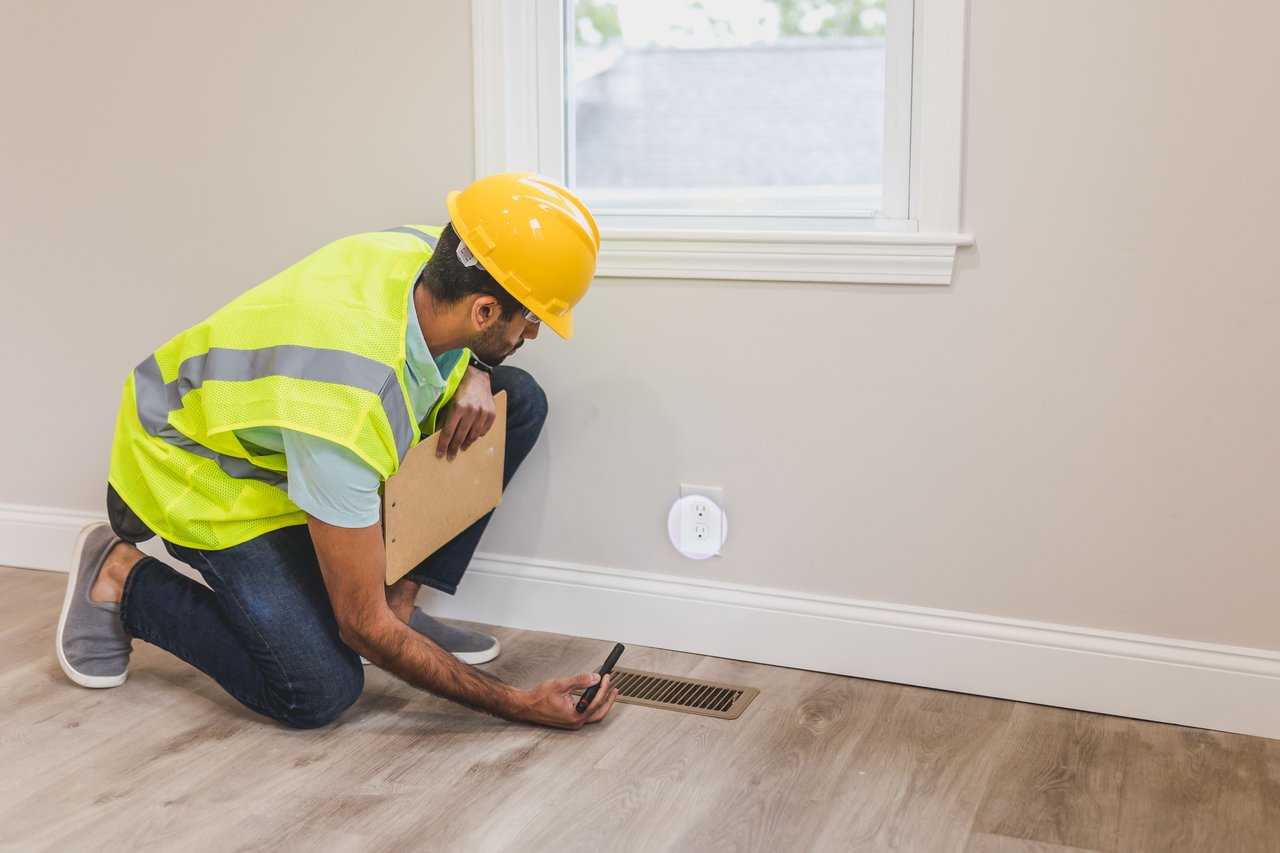
Locate and understand:
- Main water shutoff valve
- Electrical panel
- HVAC controls
- Gas shutoff valves
- Smoke and carbon monoxide detectors
Knowing how these systems operate can save valuable time during emergencies.
Prioritize Immediate Repairs
Not every project needs to be completed right away.
Start by addressing:
- Safety concerns
- Water leaks
- Electrical issues
- Structural concerns
- Essential maintenance items
Separate urgent repairs from cosmetic upgrades.
Create a Realistic Budget
Homeownership often involves expenses beyond the mortgage payment.
Include:
- Property taxes
- Insurance
- Utilities
- HOA fees (if applicable)
- Maintenance costs
- Home improvement projects
A realistic budget helps prevent financial surprises.
Personalize Your Home Gradually
Many new homeowners feel pressure to complete all renovations immediately.
Instead:
- Focus on essential projects first
- Live in the home before making major design changes
- Prioritize improvements based on lifestyle needs
Taking your time often leads to better decisions.
Meet Your Neighbors
Building relationships with neighbors can make your transition easier.
Benefits include:
- Local recommendations
- Community information
- Increased sense of belonging
- Additional support during emergencies
A strong neighborhood connection can enhance your overall experience.
Understand Community Rules and Resources
If your home is part of an HOA or planned community, review:
- Community guidelines
- Parking regulations
- Amenity access procedures
- Maintenance responsibilities
Understanding the rules helps avoid misunderstandings later.
Plan for Seasonal Maintenance
Each season brings different maintenance needs.
Examples include:
Spring
- Inspect landscaping
- Service HVAC systems
Summer
- Check irrigation systems
- Inspect exterior paint
Fall
- Clean gutters
- Prepare heating systems
Winter
- Protect pipes
- Check weather sealing
A seasonal approach keeps your home in good condition year-round.
Keep Track of Home Improvements
Maintain records of:
- Repairs
- Renovations
- Appliance purchases
- Contractor work
These records can be valuable for future maintenance, insurance claims, and eventual resale.
Think Long-Term
Homeownership is a long-term investment.
As you settle in:
- Monitor market trends
- Maintain your property consistently
- Make improvements strategically
- Build equity over time
Small actions today can contribute to long-term financial benefits.
Work With Trusted Professionals
Establish relationships with reliable service providers such as:
- Plumbers
- Electricians
- HVAC technicians
- Landscapers
- Handymen
Having trusted contacts can save time when issues arise.
Final Thoughts
Closing on a home is a major achievement, but successful homeownership requires ongoing preparation and planning. By organizing important documents, budgeting for future expenses, maintaining your property, and learning how your home functions, you can protect your investment and enjoy a smoother transition into your new space.
The best homeowners are proactive rather than reactive. With a thoughtful approach, you can build confidence, reduce stress, and fully enjoy the rewards of homeownership for years to come.
--
Tina Jingru Sui 隋静儒
Associate Broker | Team Leader of TJS Team, Keller Williams
 Serving Metro Atlanta — Johns Creek, Alpharetta, Duluth, Suwanee, Buford, and beyond
 404-375-2120


 WeChat: tinasuirealty
 Follow me on Instagram / 小红书 / WeChat / Facebook