How to Protect Yourself from Real Estate Scams
Buying, selling, or renting a home is one of the biggest financial transactions most people will ever make. Unfortunately, scammers often target real estate transactions because they involve large amounts of money and sensitive personal information. From fake listings to wire fraud, real estate scams can lead to financial loss and unnecessary stress.
The good news is that most scams can be avoided by staying informed and following safe practices. If you're planning a real estate transaction in Metro Atlanta, here are some practical ways to protect yourself.
1. Work With a Licensed Real Estate Professional
One of the best ways to reduce your risk is to work with a licensed and experienced real estate professional.
A qualified agent can help you:
- Verify property information
- Explain the buying or selling process
- Coordinate with trusted professionals
- Identify potential warning signs
- Guide you through each step of the transaction
Choosing a reputable professional provides an added layer of protection.
2. Be Cautious of Deals That Seem Too Good to Be True
If a property is listed significantly below market value without a clear explanation, proceed carefully.
Scammers may use unrealistically low prices to:
- Attract attention
- Collect personal information
- Request deposits before showing the property
Always compare prices with similar homes in the area before moving forward.
3. Verify Property Ownership
Before sending money or signing documents, confirm that the seller has the legal authority to sell the property.
A title company or real estate attorney typically helps verify ownership during the transaction.
Never rely solely on online advertisements or verbal claims.
4. Never Wire Money Without Verification
Wire fraud is one of the most common real estate scams.
Scammers may send fake emails pretending to provide updated wiring instructions.
Before sending funds:
- Call your closing attorney or title company using a trusted phone number.
- Confirm the wire instructions verbally.
- Verify any last-minute changes through a known contact.
Never rely solely on email instructions for transferring funds.
5. Be Careful With Personal Information
Real estate transactions require sensitive information, but you should only share it with trusted professionals.
Protect documents such as:
- Government-issued ID
- Social Security number
- Bank account information
- Tax documents
- Mortgage paperwork
Only use secure methods to transmit personal information.
6. Research the Property
Before making an offer, research the property thoroughly.
Review:
- Public property records
- Listing history
- Recent sales
- Tax information
- Neighborhood details
If information seems inconsistent, ask questions before proceeding.
7. Watch for Fake Rental Listings
Rental scams are increasingly common.
Warning signs include:
- Requests for payment before viewing the property
- Claims that the owner is unavailable to meet
- Listings using stolen photos
- Unusually low rent compared to similar homes
- Pressure to act immediately
Whenever possible, view the property in person or through a trusted representative before sending money.
8. Read Every Document Carefully
Never sign documents you don't fully understand.
Take time to review:
- Purchase agreements
- Seller disclosures
- Loan documents
- Closing disclosures
- HOA documents
If you have questions, ask your real estate professional or closing attorney before signing.
9. Don't Feel Pressured to Make Immediate Decisions
Scammers often create a false sense of urgency.
Be cautious if someone insists that you must:
- Send money immediately
- Sign documents without reviewing them
- Skip inspections
- Ignore normal procedures
A legitimate real estate transaction should allow time for due diligence and careful decision-making.
10. Confirm Professional Credentials
Before working with anyone involved in your transaction, verify their credentials.
This may include:
- Real estate agents
- Mortgage lenders
- Home inspectors
- Closing attorneys
- Title companies
Researching professionals beforehand can help reduce risk.
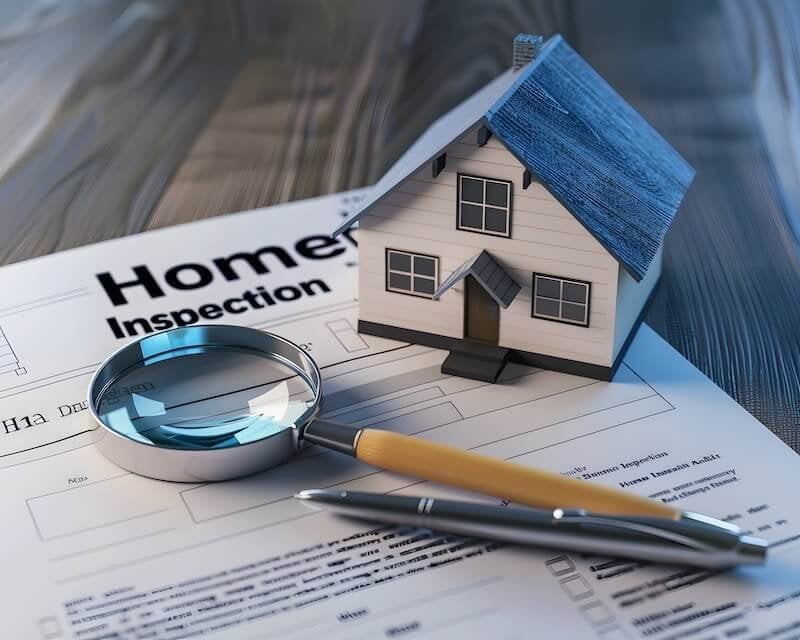
11. Schedule a Home Inspection
A professional home inspection helps identify the property's condition before closing.
An inspection can reveal issues involving:
- Roof
- Foundation
- Plumbing
- Electrical systems
- HVAC
- Structural components
Skipping an inspection may expose buyers to unexpected repair costs.
12. Monitor Email Communications Carefully
Email fraud has become increasingly sophisticated.
Watch for:
- Slightly altered email addresses
- Unexpected document requests
- Changes to payment instructions
- Poor grammar or unusual wording
- Requests for confidential information
If something seems unusual, contact the sender through a verified phone number before responding.
13. Understand the Entire Buying Process
Knowing what to expect makes it easier to recognize unusual requests.
A typical home purchase includes:
- Mortgage pre-approval
- Home tours
- Purchase agreement
- Inspection
- Appraisal
- Final loan approval
- Closing
If someone asks you to skip important steps, ask why and seek professional guidance.
14. Trust Your Instincts
If something feels suspicious, don't ignore it.
Warning signs may include:
- Inconsistent information
- Unverified payment requests
- Unusual contract terms
- Pressure to act quickly
- Refusal to answer reasonable questions
Taking time to investigate concerns can prevent costly mistakes.
15. Work With an Experienced Metro Atlanta Real Estate Professional
An experienced local real estate professional can help you:
- Verify property information
- Coordinate with trusted lenders and closing attorneys
- Explain every step of the transaction
- Identify potential scams or red flags
- Ensure deadlines and documentation are handled properly
Their expertise can provide valuable peace of mind throughout the buying or selling process.
Final Thoughts
Real estate scams can happen at any stage of a transaction, but staying informed and following safe practices can significantly reduce your risk. Working with licensed professionals, verifying payment instructions, protecting your personal information, and carefully reviewing all documents are essential steps toward a secure transaction.
If you're buying, selling, or renting a home in Metro Atlanta, partnering with an experienced local real estate professional can help you navigate the process confidently while minimizing the risk of fraud. A little extra caution today can help protect one of the most important financial investments you'll ever make.
--
Tina Jingru Sui 隋静儒
Associate Broker | Team Leader of TJS Team, Keller Williams
Serving Metro Atlanta — Johns Creek, Alpharetta, Duluth, Suwanee, Buford, and beyond
404-375-2120
WeChat: tinasuirealty
Follow me on Instagram / 小红书 / WeChat / Facebook