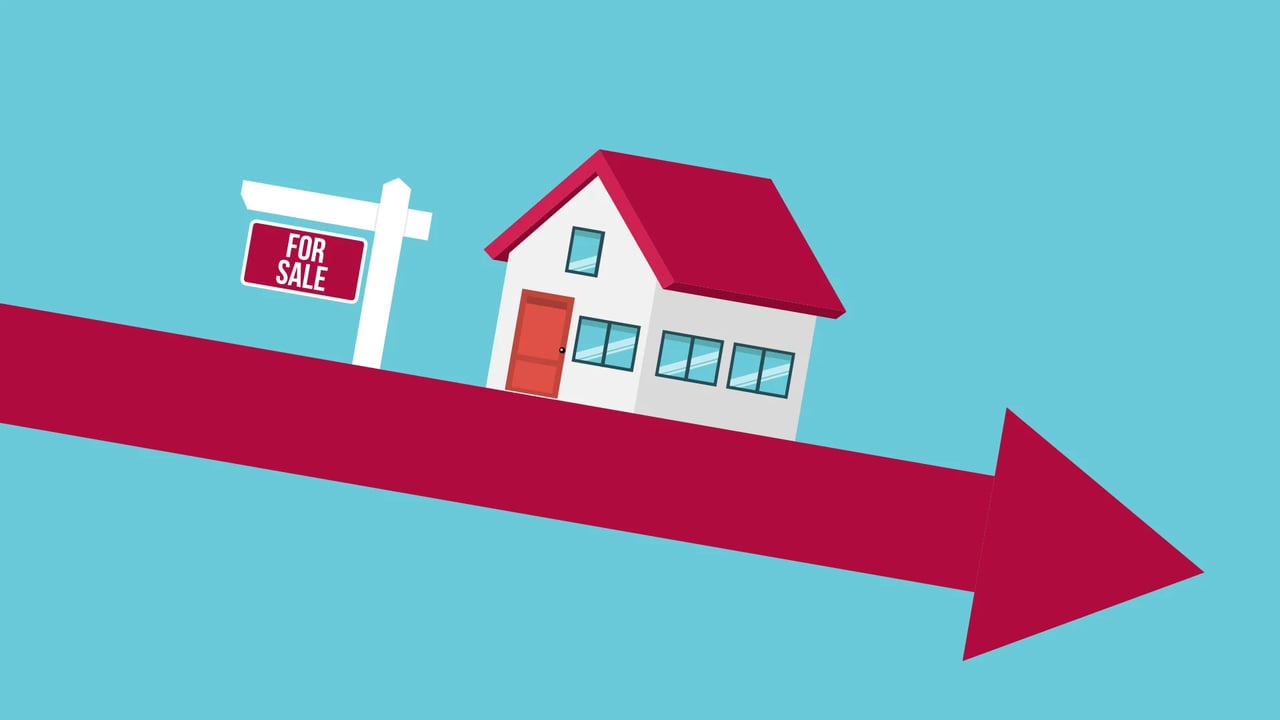
A home can look beautiful and still have expensive maintenance waiting underneath the cosmetic updates. Before buying, look beyond paint, flooring, and countertops. Pay attention to the roof, HVAC, water heater, plumbing, drainage, windows, exterior condition, and other major systems that may affect your cost of ownership over the next several years.
How to Spot a Home That May Have Hidden Maintenance Costs
Learn what buyers should look for when touring a home to identify potential repairs and future maintenance expenses.
Buying a home is about more than the purchase price.
A property that looks affordable on closing day can become much more expensive if several major systems need replacement during the first few years of ownership.
Some concerns are easy to see.
Others may be hidden behind fresh paint, furniture, landscaping, or recent cosmetic improvements.
That's why I encourage buyers to evaluate both:
What does this house cost me to buy?
And:
What could this house cost me to own?
Major Areas to Evaluate Before You Buy
Area | What Buyers Should Think About |
|---|---|
Roof | Age, visible damage, leaks, prior repairs, and remaining useful life |
HVAC | Age, maintenance history, operation, airflow, and repair history |
Water / Moisture | Ceiling stains, musty odors, drainage, crawl-space moisture, and signs of previous intrusion |
Plumbing | Leaks, drainage, pressure, visible corrosion, materials, and update history |
Windows / Doors | Operation, seals, condensation, drafts, damage, and replacement scope |
Exterior / Drainage | Siding, gutters, grading, decks, retaining areas, driveways, and water movement |
Foundation | Cracking, movement indicators, uneven areas, and moisture concerns |
1. Start With the Roof
The roof is one of the first major systems I want buyers to understand.
During the buying process, ask:
- How old is the roof?
- Has it been replaced or repaired?
- Are there visible damaged or missing shingles?
- Are there stains or evidence of leaks in the attic or ceilings?
- Are there known insurance claims or prior water-intrusion issues?
An older roof does not automatically mean you should avoid the property.
But if replacement could be coming soon, that cost should be part of your decision.
“The roof isn't leaking today” and “the roof has many years of useful life left” are not the same statement.
2. Check the HVAC System
Heating and cooling systems can become meaningful expenses, especially when a larger home has multiple systems.
Ask about:
- Age of each HVAC system.
- Maintenance history.
- Recent repairs.
- Whether any components have been replaced separately.
- Whether the systems are currently operating properly.
During a showing, you may notice:
- Unusual noises.
- Weak airflow.
- Large temperature differences between rooms.
- Visible rust, condensation, or damage around equipment.
Those observations do not diagnose a problem, but they may give you something to investigate further.
An older HVAC system isn't automatically defective.
But several older major systems reaching the later part of their useful lives at the same time can create a very different ownership budget.
3. Don't Ignore Signs of Water or Moisture
Water is one area where I would never assume a cosmetic fix tells the entire story.
Look for:
- Ceiling stains.
- Discolored drywall.
- Musty odors.
- Bubbling or peeling paint.
- Damaged flooring.
- Moisture around windows.
- Crawl-space moisture or standing water.
- Signs of repeated patching or repainting in one area.
A stain does not automatically prove that there is an active leak.
It does mean you should ask what happened and whether the source was properly corrected.
Don't ask only, “Was this repaired?”
Ask, “What caused it, what was done to correct the source, and is there documentation?”
4. Pay Attention to the Plumbing
Plumbing issues are not always obvious during a quick home tour.
Things worth observing include:
- Water pressure.
- Slow drainage.
- Leaking faucets or fixtures.
- Water stains under sinks.
- Visible corrosion.
- Signs of previous plumbing repairs.
Ask what major plumbing components or supply lines have been updated and whether the seller has documentation for significant work.
If the inspection identifies unusual or older piping materials, significant leaks, or other concerns, a licensed plumber may be appropriate for a more specialized evaluation.
5. Check Windows and Doors
One damaged window may be a relatively limited issue.
Replacing many windows at once can become a much larger project.
Look for:
- Condensation or fogging between panes.
- Damaged seals.
- Rot or moisture damage.
- Windows that do not open or close correctly.
- Visible gaps or drafts.
- Doors that rub, stick, or do not latch properly.
A door that sticks does not automatically indicate structural movement.
It can have many causes.
But when several signs appear together, further evaluation may be worthwhile.
6. Walk Around the Exterior
Don't spend the entire showing looking at kitchens and bathrooms.
Walk around the outside of the home and pay attention to:
- Siding and exterior trim
- Gutters and downspouts
- Decks and stairs
- Fences
- Driveways and walkways
- Grading and drainage
- Landscaping near the structure
Drainage deserves special attention.
Look at where downspouts discharge and whether the surrounding grade appears to direct water away from or toward the structure.
Water-management problems can start outside the house and show up inside the house later.
7. Understand the Age of Included Appliances
If appliances are included in the sale, ask about their approximate age and condition.
That might include:
- Refrigerator.
- Range or oven.
- Dishwasher.
- Washer and dryer, if included.
One older appliance may not change your decision.
But if the roof, HVAC, water heater, and several appliances are all older, you may be looking at multiple replacement expenses over a relatively short period.
8. Look Beyond Cosmetic Renovations
Beautiful finishes can make a strong first impression.
But cosmetic improvements and major system improvements are not the same thing.
A home may have:
- Fresh paint.
- New flooring.
- Updated countertops.
- New cabinet hardware.
- Modern light fixtures.
while still having:
- An older roof.
- Older HVAC systems.
- An aging water heater.
- Older windows.
- Deferred exterior maintenance.
- Plumbing or electrical concerns.
Cosmetic updates are not the same as major maintenance.
Don't let a beautiful kitchen keep you from asking about the systems behind the walls.
9. Don't Forget the Water Heater
The water heater is easy to overlook because it is usually hidden in a garage, utility room, basement, attic, or mechanical space.
Ask:
- How old is it?
- What type of water heater is installed?
- Has it been repaired or replaced?
- Are there visible signs of leaking, corrosion, or moisture?
It may not be the largest expense in a home, but it is still part of your near-term maintenance picture.
10. Look at the Foundation and Drainage Together
Structural and foundation concerns can be expensive, but buyers should also avoid assuming every visible crack means a major structural problem.
Potential warning signs worth further evaluation may include:
- Large or unusual cracks.
- Noticeably uneven floors.
- Multiple doors or windows that do not operate properly.
- Recurring cracks around openings.
- Water pooling near the foundation.
- Evidence of previous structural repairs.
Not every crack is a structural emergency.
If something is concerning, the solution is professional evaluation—not guessing.
What Role Does the Home Inspection Play?
A home inspection can provide valuable information about visible and accessible components of a property during your due-diligence period.
Depending on the scope of the inspection, an inspector may evaluate areas such as:
- Roof.
- Foundation and structure.
- Plumbing.
- Electrical.
- HVAC.
- Attic.
- Crawl space or basement.
- Windows and doors.
- Exterior components.
But an inspection is not a guarantee that every existing or future problem will be discovered.
Conditions can be concealed, inaccessible, intermittent, or outside the inspector's scope.
If the general inspection identifies a significant concern, additional evaluation by an appropriate licensed or qualified specialist may make sense.
Don't measure an inspection report by how many pages it has.
Focus on the seriousness, cost, timing, and uncertainty of the issues it identifies.
Think About the “Five-Year Cost”
Before buying, don't ask only:
“Can I afford this house today?”
Also ask:
“What might this house require over the next five years?”
Think about potential expenses involving:
Potential Future Expense | Questions to Ask |
|---|---|
Roof | How old is it and what condition is it in? |
HVAC | How many systems are there and how old are they? |
Water Heater | Is replacement potentially approaching? |
Windows | Are you looking at one failed window or many? |
Exterior | Will siding, paint, deck, drainage, or landscaping require work? |
Plumbing / Electrical | Did the inspection identify items requiring specialist evaluation? |
You do not necessarily need to replace every aging component immediately.
The point is to understand whether several larger expenses could arrive close together.
A Lower Purchase Price Doesn't Always Mean a Cheaper Home
Imagine you're comparing two similar homes.
Home A | Home B |
|---|---|
Lower purchase price | Higher purchase price |
Older roof | Newer roof |
Older HVAC | Updated HVAC |
Deferred maintenance | Better-maintained systems |
Home A may still be the better purchase.
But you cannot know from the purchase price alone.
Compare price and condition together.
A $20,000 cheaper house isn't automatically a better value if it comes with $40,000 of near-term work.
Hidden Maintenance Cost Checklist
☐ How old is the roof?
☐ How old is each HVAC system?
☐ How old is the water heater?
☐ Are there signs of current or previous water damage?
☐ How is water directed away from the home?
☐ Are the windows and exterior components in reasonable condition?
☐ Are several included appliances aging at the same time?
☐ Are there visible structural or foundation concerns that need evaluation?
☐ What significant items did the inspection identify?
☐ How much cash will I still have after closing for repairs and emergencies?
Frequently Asked Questions
Should I avoid a home because the roof or HVAC is old?
Not necessarily. Age alone does not mean a system is currently defective. The important questions are condition, maintenance history, expected remaining life, replacement cost, and whether the purchase price appropriately reflects the home's overall condition.
Does a home inspection find every hidden problem?
No. A general inspection is limited by accessibility, visibility, scope, and the condition of the home at the time of inspection. Some issues may require additional evaluation by specialized professionals.
Is a renovated home automatically lower-maintenance?
No. Cosmetic renovations such as paint, flooring, countertops, and fixtures do not necessarily tell you the age or condition of the roof, HVAC, plumbing, electrical components, water heater, windows, or exterior systems.
How should I compare two homes with different maintenance needs?
Compare more than the purchase prices. Consider near-term repairs, major-system age, expected maintenance, monthly ownership costs, available cash reserves, and how much uncertainty you're comfortable accepting.
Don't buy based only on what the house looks like today.
Think about what the house may ask you to spend tomorrow.
Final Thoughts
A home does not have to be brand new to be a good purchase.
Older homes can offer established locations, larger lots, mature landscaping, distinctive layouts, and features that may be difficult to find in newer construction.
But buyers should understand the maintenance responsibilities that come with the property.
Don't let fresh paint, attractive countertops, or staging distract you from the bigger questions.
Look at the roof. Check the systems. Pay attention to water. Walk the exterior. Understand the age of major components. Read the inspection report carefully.
Most importantly, make sure your budget includes room for the unexpected.
The best home isn't necessarily the one that looks perfect during the first showing.
It's the one whose purchase price, condition, future maintenance, and overall ownership costs make sense for your budget.
Buying a Home in Metro Atlanta?
We can help you compare more than location and list price. When evaluating a property, we look at comparable sales, condition, major-system age, inspection findings, potential repair exposure, and how the home's overall cost fits your budget before you move forward.
Tina Jingru Sui | TJS Team
About Tina Jingru Sui
Tina Jingru Sui is the founder and leader of the TJS Team, serving buyers, sellers, investors, and relocation clients throughout Metro Atlanta.
Tina and her team serve communities including Johns Creek, Alpharetta, Suwanee, Duluth, Buford, Marietta, Roswell, Sandy Springs, Smyrna, and surrounding Metro Atlanta areas.
Keller Williams Atlanta Partners · (404) 375-2120
This article is provided for general informational purposes only and does not constitute engineering, structural, environmental, inspection, legal, financial, or contractor advice. Visible age, stains, cracks, noises, moisture, or other conditions do not by themselves establish whether a component is defective or requires replacement. Home inspections are limited in scope and do not guarantee discovery of every existing or future condition. Buyers should review their inspection and due-diligence rights under the applicable purchase agreement and obtain additional evaluations from appropriately licensed or qualified professionals when concerns arise. Repair and replacement costs vary significantly by property, scope, materials, labor, contractor, and market conditions. Equal Housing Opportunity. Tina Jingru Sui, GA License #392936, REALTOR®, affiliated with Keller Williams Atlanta Partners and regulated by the Georgia Real Estate Commission.