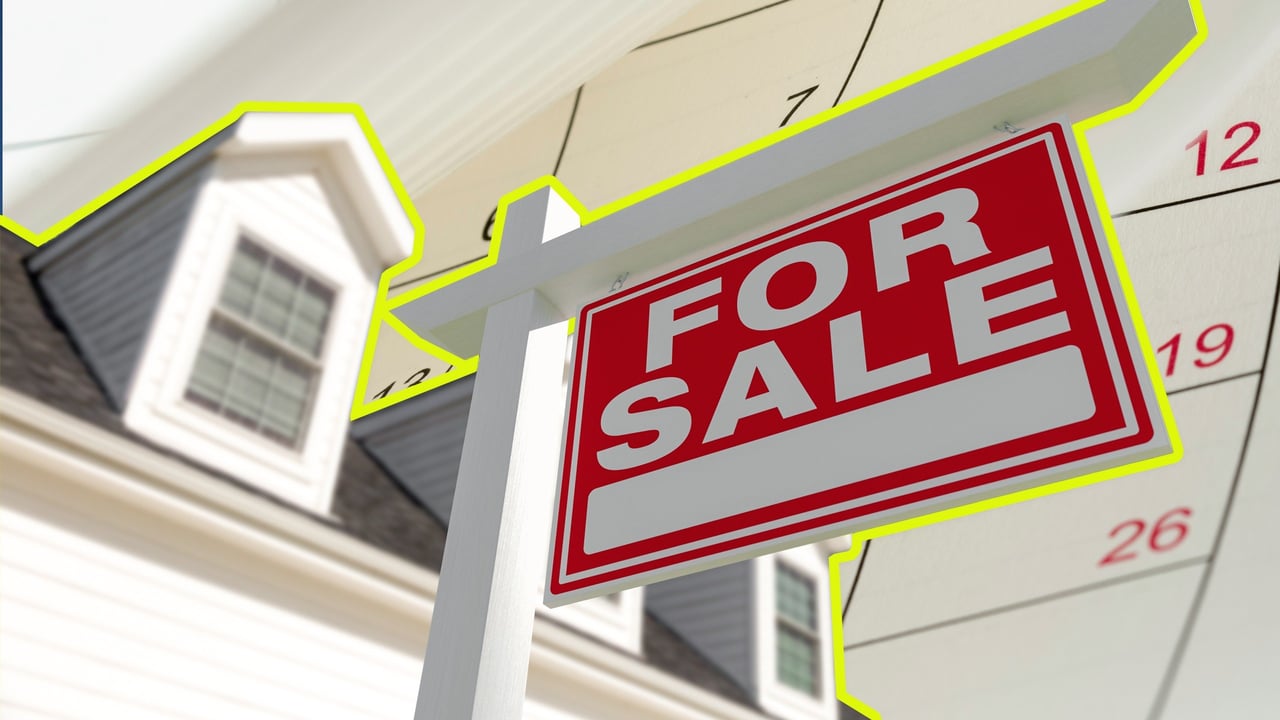
An unsold house can continue costing you money every month. Mortgage payments, property taxes, insurance, utilities, lawn care, maintenance, and repairs do not stop simply because the property has not sold. If your home has been sitting on the market without receiving an acceptable offer, it may be worth comparing the cost of continuing to sell with the possibility of converting the property into a rental.
Is Your Unsold House Costing You Money? When to Consider Professional Property Management
Sometimes the right question is not simply, “How long should I keep trying to sell?” It is, “What is this property costing me while I wait?”
1. Understand the Cost of Keeping Your Home Empty
An unsold house can become expensive, especially when it remains vacant for several months.
Even without a tenant, you may still be responsible for:
- Mortgage payments
- Property taxes
- Homeowners insurance
- Utilities
- Lawn and landscaping
- HOA dues
- Repairs and maintenance
- Vacant-property monitoring or additional insurance requirements
One useful exercise is to calculate your approximate monthly carrying cost.
Monthly Carrying Cost × Additional Months on Market = The Financial Cost of Waiting
That does not mean you should automatically stop selling. It simply helps you understand what waiting is costing you.
Watch: Is Your Unsold House Costing You Money?
In this video, I explain why homeowners should look beyond the listing price and consider carrying costs, rental potential, and professional property management when a home is taking longer than expected to sell.
2. Consider Whether Renting the Property Is a Realistic Alternative
If the property is suitable for tenants, renting it may create income while allowing you to keep the property rather than selling immediately.
Before making that decision, estimate:
- Realistic monthly rent
- Mortgage payment
- Property taxes
- Insurance
- HOA expenses
- Maintenance
- Expected vacancy
- Property management fees
- Potential repairs and capital expenses
Do not compare expected rent with the mortgage payment alone.
Gross Rent
Is Not the Same as
Rental Profit.
3. Know When Professional Property Management Can Help
Managing a rental property involves much more than finding someone to move in.
A property manager may assist with:
- Rental pricing
- Marketing the property
- Tenant inquiries
- Tenant screening
- Lease coordination
- Rent collection
- Maintenance requests
- Repair coordination
- Property inspections
- Day-to-day tenant communication
Professional management may be especially useful if you:
- Live far from the property
- Have limited time
- Own multiple rentals
- Do not want to manage tenant communication personally
- Are unfamiliar with rental-property operations
Property management does not eliminate the responsibilities of ownership, but it can create a professional system for handling them.
4. Compare Selling Versus Renting With Real Numbers
Before changing direction, compare the two strategies side by side.
Factor | Continue Selling | Convert to Rental |
|---|---|---|
Immediate Cash Flow | Usually continued carrying costs until closing | Potential rent after lease-up |
Equity | Potentially accessed through sale | Remains tied to property |
Management | Listing and transaction management | Ongoing rental management |
Repair Exposure | May affect Buyer offers and inspection negotiations | Owner remains responsible for property maintenance |
Time Horizon | Exit after closing | Longer-term ownership |
5. Calculate the Rental Break-Even Point
A simple starting framework is:
Expected Rent
− Mortgage
− Taxes
− Insurance
− HOA
− Management
− Maintenance Reserve
− Vacancy Reserve
=
Estimated Rental Cash Flow
This is only an estimate.
Actual rental income and expenses can vary.
But if the numbers are significantly negative, renting simply because the home has not sold may not solve the financial problem.
6. Ask Why the House Has Not Sold Before You Abandon the Sale
Before converting the property into a rental, diagnose the listing.
Ask:
- Is the price supported by current comparable sales?
- How much showing activity has the property received?
- What feedback keeps repeating?
- Are similar competing properties selling?
- Is the home's condition affecting Buyer confidence?
- Does the marketing clearly communicate the home's strongest features?
- Would a meaningful price repositioning change Buyer behavior?
Don't Convert a Listing
Into a Rental
Simply Because
the First Selling Strategy Did Not Work.
7. Make Sure the Property Is Actually Suitable as a Rental
Before renting the home, consider:
- Expected rent
- Property condition
- HOA or condominium rental restrictions
- Insurance requirements
- Local rental rules and licensing requirements where applicable
- Lease-up costs
- Maintenance burden
- Future capital expenses
A property that works well as an owner-occupied home does not automatically make a strong rental investment.
The decision should be based on rental economics—not frustration with the current listing.
8. Understand the Cost of Professional Management
Property management is a service, and the fees should be included in your rental analysis.
Depending on the company and agreement, costs may include:
- Ongoing management fees
- Tenant-placement or leasing fees
- Renewal fees
- Inspection or property-visit fees
- Maintenance coordination charges
- Other administrative or service fees
Ask for the full management agreement before making your decision.
Compare:
the cost of management with the time, expertise, and operational burden it removes from you.
9. Have an Exit Strategy Before You Become a Landlord
If you convert your home into a rental, decide what would cause you to sell later.
For example:
- A lease expiration
- A change in market conditions
- A certain equity position
- A major capital expense
- A change in your financial goals
- A specific holding period
The strongest rental strategy is not:
“We'll rent it and figure it out later.”
It is:
“Here is why we are holding it, what success looks like, and what would make us exit.”
Questions to Ask Before Turning an Unsold Home Into a Rental
☐ What is my monthly carrying cost while the home remains unsold?
☐ What is a realistic current market rent?
☐ What would my estimated monthly rental cash flow be?
☐ What vacancy reserve should I use?
☐ What maintenance reserve makes sense for this property?
☐ Are major systems approaching replacement?
☐ Does the HOA permit the rental arrangement I am considering?
☐ What insurance changes may be required?
☐ What property management fees apply?
☐ How long am I willing to own the property?
☐ Why has the property not sold?
☐ Could a different listing strategy improve the selling outcome?
☐ How much equity would I receive if I sold now?
☐ Do I need that equity for another goal?
☐ What is my future exit strategy if I decide to rent?
The Question to Ask:
“Is Renting This Property Solving My Problem—or Simply Delaying My Selling Decision?”
Frequently Asked Questions
Should I rent my house if it isn't selling?
Maybe. First compare the cost of continuing to carry the property with realistic rental income, management fees, vacancy, maintenance, insurance, HOA obligations, and your longer-term financial goals.
Can renting an unsold house stop me from losing money?
Not necessarily. Rental income may help offset expenses, but a property can still produce negative cash flow after mortgage payments, taxes, insurance, HOA, management, vacancy, repairs, and capital expenses.
What does a property manager do?
Services vary by company, but property management may include marketing, tenant screening, leasing, rent collection, maintenance coordination, inspections, tenant communication, and other day-to-day rental operations.
Should I reduce my listing price before deciding to rent?
There is no universal answer. First review current market value, competing listings, showing activity, Buyer feedback, Seller timeline, and the financial effect of a price adjustment compared with converting the property to a rental.
Can every home be rented?
No. HOA or condominium restrictions, local rules, property condition, financing, insurance, and other property-specific considerations may affect whether and how a property can be rented.
Is professional property management worth the fee?
It depends on the property, fee structure, owner's available time, distance from the property, experience level, and value placed on professional leasing, maintenance coordination, and tenant management.
An Unsold Home
Does Not Automatically Need
More Time.
It Needs
a Clearer Financial Decision.
Final Thoughts
If your property has been sitting on the market without producing an acceptable offer, continuing the same strategy indefinitely may create additional carrying costs.
But renting should not simply be a reaction to frustration.
Compare:
Current carrying cost.
Expected rent.
Vacancy.
Management fees.
Maintenance.
Major future repairs.
HOA and insurance requirements.
Equity tied up in the home.
And your long-term exit strategy.
Then compare those numbers with a realistic selling strategy.
The best decision is not automatically “sell” or “rent.”
It is the option that makes the most sense once you understand the real cost of waiting, the real economics of renting, and what you ultimately want the property to accomplish.
Not Sure Whether to Sell or Rent Your Metro Atlanta Property?
The TJS Team can help you compare the current resale market with realistic rental-market economics. Through our real estate sales and property-management experience, we can help you review current market value, rental pricing, carrying costs, property condition, management considerations, and the trade-offs between selling now and holding the property as a rental.
Tina Jingru Sui | TJS Team
Call or Text: (404) 375-2120
Email: [email protected]
Visit TinaSui.com
This article is provided for general real estate and property-management education only and does not constitute legal, tax, financial, investment, insurance, accounting, lending, or other professional advice. Rental income, vacancy, maintenance, management expenses, property appreciation, resale value, and investment returns are not guaranteed. Property-management services, fees, leasing charges, inspection fees, maintenance coordination, termination provisions, and other terms vary by company and agreement. Rental restrictions may apply through HOA or condominium documents, leases, local ordinances, zoning, financing, insurance policies, or other rules. Property owners should verify applicable requirements for the specific property and consult qualified legal, tax, insurance, accounting, and other professionals when needed. Comparative Market Analyses are not appraisals. Estimated rents are not guarantees of future rental income. Real estate professionals can assist with market analysis, rental comparisons, transaction strategy, and property-management services within the scope of applicable licensing and agreements. Equal Housing Opportunity. Tina Jingru Sui, GA License #392936, REALTOR®, affiliated with Keller Williams Realty Atlanta Partners.