Questions to Ask Before Buying Land or a Home with Acreage in Georgia
SEO Title: Questions to Ask Before Buying Land or a Home with Acreage in Georgia
SEO Subtitle: Learn the essential questions every buyer should ask before purchasing land or a home with acreage in Georgia to avoid costly surprises and make a confident investment
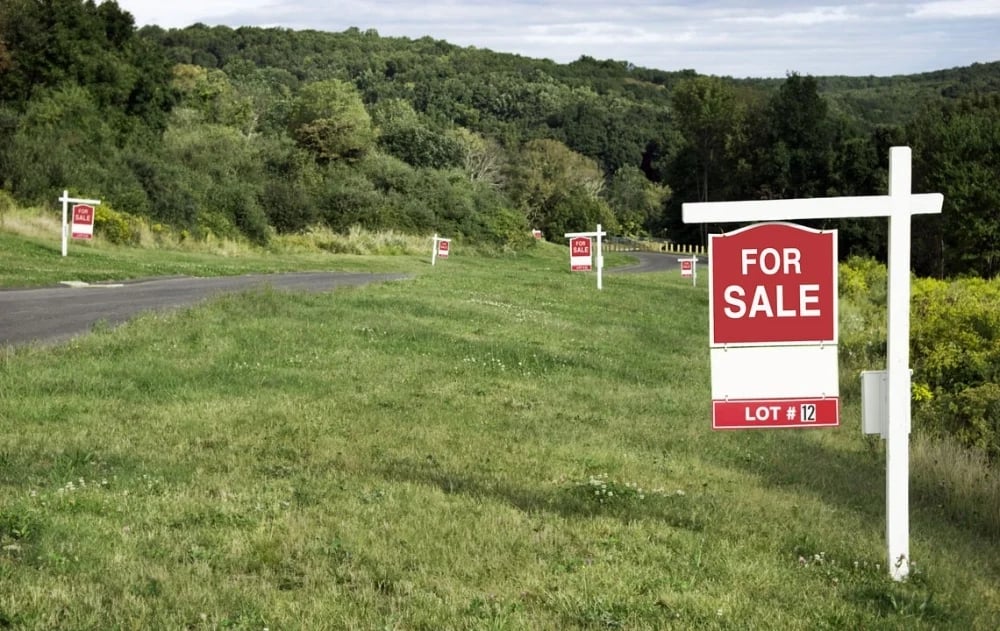
For many buyers, owning land represents freedom, privacy, and opportunity. Whether you're dreaming of a custom-built home, a hobby farm, recreational property, or simply more space between neighbors, purchasing land or a home with acreage can be an exciting investment.
However, buying land is often very different from purchasing a traditional suburban home. Factors such as zoning regulations, utilities, access rights, and land use restrictions can significantly impact the property's value and usability.
If you're considering purchasing land or a home with acreage in Georgia, here are the most important questions to ask before making an offer.
Why Buying Land Requires Extra Research
Unlike a traditional home purchase, land transactions often involve additional considerations that may not be immediately visible.
A beautiful piece of property may appear ideal at first glance, but hidden limitations could affect:
- Future building plans
- Property access
- Utility availability
- Financing options
- Resale value
Doing your homework upfront can help prevent expensive surprises later.
1. What Is the Property Zoned For?
Zoning determines how a property can legally be used.
Before purchasing, ask:
- Is the land zoned residential?
- Agricultural?
- Commercial?
- Mixed-use?
Zoning regulations may affect:
- Home construction
- Livestock ownership
- Business activities
- Future development opportunities
Always verify zoning directly with the local county or municipality.
2. Are There Any Restrictions or Covenants?
Even if zoning allows certain uses, additional restrictions may exist.
These may include:
- HOA regulations
- Deed restrictions
- Easements
- Conservation requirements
Restrictions can limit what buyers are allowed to build or how they can use the property.
3. Does the Property Have Legal Access?
Access is one of the most important issues to investigate.
Ask:
- Is the property directly connected to a public road?
- Are there recorded access easements?
- Who maintains the road?
A property without proper legal access can create significant complications.
4. Are Utilities Available?
Utility availability varies significantly across Georgia, especially in rural areas.
Questions to ask include:
- Is electricity available?
- Is public water available?
- Is natural gas available?
- Is high-speed internet accessible?
Bringing utilities to undeveloped land can be expensive.
5. Will the Property Require a Well or Septic System?
Many rural properties are not connected to public water or sewer systems.
If applicable, determine:
- Whether a well is needed
- Whether septic approval has been obtained
- Soil suitability for septic installation
These factors can influence both cost and usability.
6. Has a Survey Been Completed?
A current property survey helps confirm:
- Property boundaries
- Acreage size
- Easements
- Encroachments
A survey can help avoid future disputes and clarify exactly what you're purchasing.
7. Are There Flood Zones or Environmental Concerns?
Some properties may be affected by:
- Flood zones
- Wetlands
- Protected areas
- Environmental restrictions
Understanding these conditions before purchasing can help prevent unexpected challenges.
8. Can You Build on the Property?
Not every parcel is immediately buildable.
Buyers should ask:
- Has the property been approved for construction?
- Are there building setbacks?
- Are there topographical limitations?
A beautiful property is only valuable if it can support your intended use.
9. What Are the Property Taxes?
Landowners are responsible for annual property taxes.
Factors that affect taxes include:
- Location
- Acreage
- Land use classification
- Improvements on the property
Understanding tax obligations helps buyers budget accurately.
10. How Is the Land Being Used Today?
Current use can provide valuable insight.
Examples include:
- Agricultural use
- Recreational use
- Timber production
- Residential use
Knowing the property's history may reveal opportunities and limitations.
11. Are There Timber or Mineral Rights Considerations?
In some cases, rights associated with a property may be separated.
Ask whether:
- Timber rights transfer with the sale
- Mineral rights are included
- Existing agreements affect ownership
These details can influence property value.
12. How Difficult Will Maintenance Be?
Owning acreage often means additional maintenance responsibilities.
Consider:
- Mowing
- Road maintenance
- Tree management
- Fencing
- Drainage
Larger properties require more time, equipment, and resources.
13. What Are the Financing Options?
Financing land can differ from financing a traditional home.
Lenders may have different requirements for:
- Vacant land
- Agricultural property
- Residential acreage
Understanding financing options early can simplify the purchase process.
14. What Future Development Is Planned Nearby?
Future development can impact both lifestyle and property value.
Research:
- New subdivisions
- Commercial projects
- Transportation improvements
- Infrastructure expansion
Knowing what may happen nearby can help buyers make informed decisions.
15. Does the Property Fit Your Long-Term Goals?
Perhaps the most important question is:
What do you want this property to become?
Your answer may influence:
- Location selection
- Acreage requirements
- Zoning needs
- Infrastructure priorities
A clear vision helps ensure the property aligns with your future plans.
Popular Reasons Buyers Purchase Acreage in Georgia
Many buyers seek acreage for:
Privacy
More distance from neighbors and greater personal space.
Recreational Activities
Hunting, fishing, ATV riding, and outdoor recreation.
Hobby Farms
Gardening, livestock, and agricultural projects.
Future Development
Building a custom home or expanding over time.
Investment Opportunities
Land can serve as a long-term investment asset.
Why Local Expertise Matters
Land transactions often involve more complexity than traditional residential purchases.
An experienced real estate professional can help buyers:
- Research zoning
- Understand restrictions
- Coordinate surveys
- Evaluate property potential
- Navigate due diligence
Local knowledge is especially valuable when purchasing acreage.
How TJS Team Helps Buyers Purchase Land in Georgia
At TJS Team, we help buyers evaluate both residential properties and land opportunities throughout Metro Atlanta and North Georgia.
We assist clients by:
- Reviewing property details
- Researching zoning and restrictions
- Evaluating future development potential
- Connecting buyers with trusted professionals
- Guiding the due diligence process
Our goal is to help buyers make confident and informed decisions.
Final Thoughts
Buying land or a home with acreage in Georgia can provide incredible opportunities for privacy, recreation, investment, and future development. However, land purchases often involve unique considerations that go far beyond the property itself. By asking the right questions about zoning, utilities, access, surveys, environmental factors, and long-term goals, buyers can avoid costly surprises and maximize the value of their investment.
If you're considering purchasing land or acreage in Georgia, TJS Team can help you evaluate your options, understand potential challenges, and find a property that aligns with your vision for the future.
--
Tina Jingru Sui 隋静儒
Associate Broker | Team Leader of TJS Team, Keller Williams
Serving Metro Atlanta — Johns Creek, Alpharetta, Duluth, Suwanee, Buford, and beyond
404-375-2120
WeChat: tinasuirealty
Follow me on Instagram / 小红书 / WeChat / Facebook