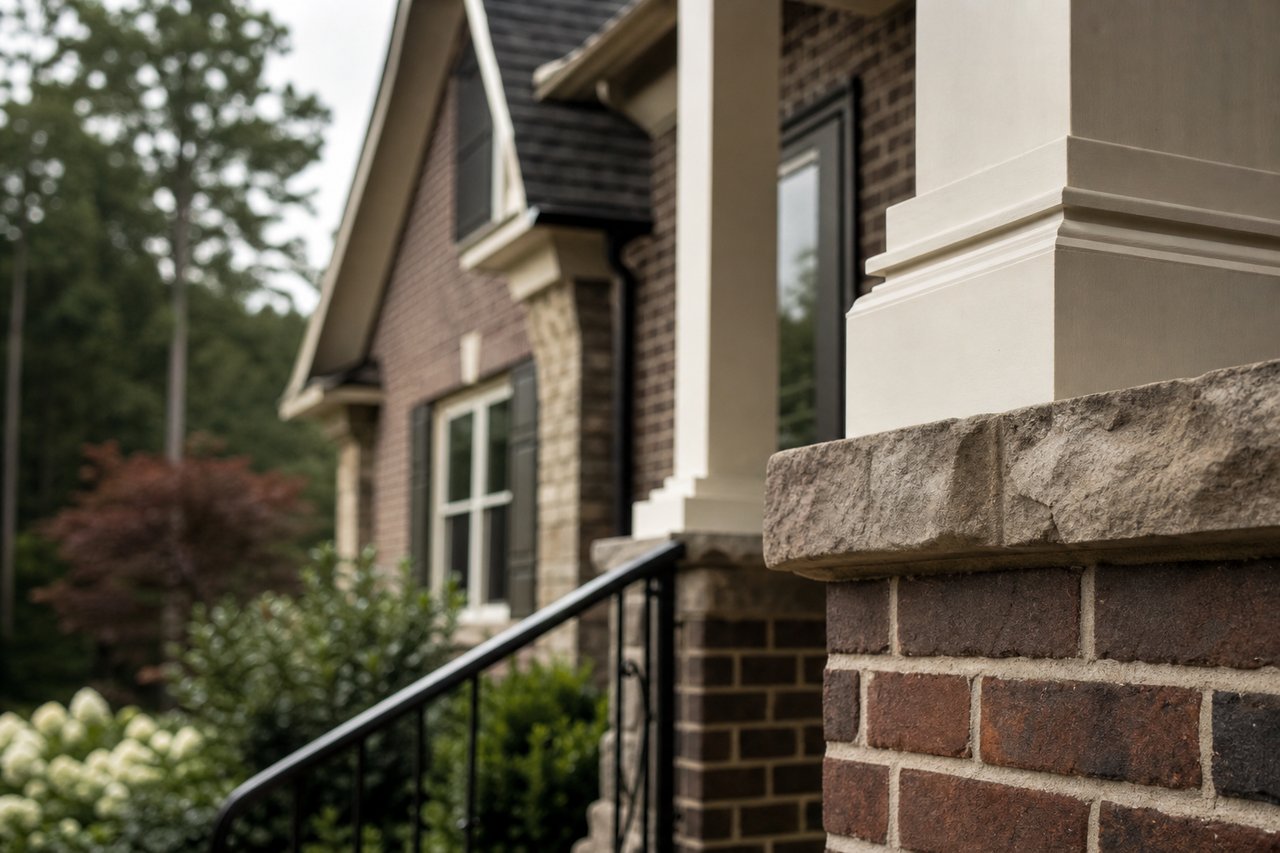
Johns Creek, GA is a north Fulton County city of roughly 85,800 residents with a median household income above $159,000 and strong owner-occupied housing. Newcomers should plan around a 29.7-minute average commute, Fulton County Schools zoning, Georgia's property tax structure, and a higher-priced housing market before committing to a move.
What do I need to know before relocating to Johns Creek, GA?
Johns Creek is a north Fulton County city of roughly 85,800 residents, a median household income above $159,000, and a housing market anchored by owner-occupied single-family homes. Before you move, you need to understand property tax mechanics, school-zone verification, commute realities, and the Georgia closing process, all of which are different enough from other states (and other Atlanta suburbs) that going in blind costs you time and money.
What Johns Creek Actually Looks Like on the Ground
I work with relocating buyers in Johns Creek regularly, and the first thing I tell every one of them is this: Johns Creek is not a neighborhood, it's a city. That distinction matters more than people expect.
Incorporated in 2006, Johns Creek sits in north Fulton County and operates its own city government alongside county services. When you have a question about your property taxes, permitting, or local services, you'll often be dealing with both the city and Fulton County offices. Knowing which office handles what saves a lot of frustration after you move in.
According to U.S. Census Bureau QuickFacts, the city's estimated 2025 population was 85,788, up from 82,453 in the 2020 Census. That's steady, measured growth, not a boom, which tracks with what I see in the housing market. The population density sits at 2,817 people per square mile, giving it a genuinely suburban feel without the sprawl of some outer-ring communities.
The median household income, also from Census QuickFacts, is $159,057. That figure shapes everything from the price of housing to the commercial mix you'll find along State Bridge Road and McGinnis Ferry Road.
Housing Profile at a Glance
The Census Bureau's owner-occupied housing rate for Johns Creek is 75.1%, with a median value of owner-occupied units at $602,300. That's a benchmark figure, not a current listing price, actual market prices vary by neighborhood, condition, and timing, but it tells you this is a high-value, predominantly owner-occupied market.
If you're not ready to buy immediately, the median gross rent in Johns Creek is $2,189 per month, also per Census Bureau data. Renting first to learn the neighborhoods before buying is a strategy I often recommend to out-of-state relocators, and it's very workable here.
Data Point | Johns Creek Figure | Source |
Estimated population (2025) | 85,788 | U.S. Census Bureau QuickFacts |
Population density | 2,817 per sq. mile | U.S. Census Bureau QuickFacts |
Median household income | $159,057 | U.S. Census Bureau QuickFacts |
Owner-occupied housing rate | 75.1% | U.S. Census Bureau QuickFacts |
Median owner-occupied home value | $602,300 | U.S. Census Bureau QuickFacts |
Median gross rent | $2,189/month | U.S. Census Bureau QuickFacts |
Average commute time | 29.7 minutes | U.S. Census Bureau QuickFacts |
The Three Things That Catch Relocators Off Guard
1. Property Taxes in Georgia Work Differently Than You Expect
Georgia's property tax system trips up a lot of out-of-state buyers. Here's how it works: the Georgia Department of Revenue sets the framework, and taxable value is generally calculated at 40% of the property's fair market value before exemptions and millage rates are applied. Your actual tax bill combines Fulton County, city, school district, and any special district millage rates, all layered together.
For Johns Creek buyers, that means your property tax bill comes from Fulton County and reflects several overlapping jurisdictions. The only way to get an accurate picture for a specific home is to look up that parcel in the Fulton County Tax Assessor and Tax Commissioner records directly, not from a listing website.
One more thing worth knowing: Georgia's homestead exemption rules changed at the state level in 2024, and local exemptions can vary by county, city, and school district. If you're buying a primary residence in Johns Creek, verify your exemption eligibility with the county before closing, the savings can be meaningful, but you have to apply.
2. School-Zone Verification Is Address-Level, Not Neighborhood-Level
Johns Creek is served by Fulton County Schools. I always tell buyers: do not assume that because a neighborhood is "in Johns Creek," a specific address feeds into the school you're expecting. Zone boundaries don't follow subdivision lines perfectly. Verify the school assignment for the specific address you're considering, directly through Fulton County Schools, before you make an offer.
This is one of the most common mistakes I see in relocation transactions, and it's completely avoidable.
3. Georgia Closings Are Documentation-Heavy, Plan Your Timeline Accordingly
If you're coming from a state that uses escrow companies, Georgia's closing process will feel different. Georgia closings are attorney-supervised: a closing attorney coordinates the title search, lender underwriting, appraisal, insurance binders, and deed recording. The timeline from accepted offer to closing typically runs 30 to 45 days for a financed purchase, but it depends on your lender's speed and the complexity of the transaction.
For relocators who are buying before selling their current home, the timing risk is real. Whether your lender approves contingent financing, and whether the new home closes before your current sale funds, is something you need to work through with your agent and lender before you go under contract. I walk my relocation clients through this sequencing in detail before we ever write an offer. If you want a deeper look at the sell-before-you-buy question, I've covered it in this guide for Atlanta move-up buyers.
And if you're a first-time buyer who's new to Georgia's closing cost structure entirely, this breakdown of Georgia closing costs is worth reading before you get to the negotiation table.
Everyday Costs: Sales Tax and Budgeting
One detail that surprises some newcomers: Georgia's state sales and use tax is 4%, per the Georgia Department of Revenue. Fulton County adds a 1% local sales and use tax on most taxable purchases, per Fulton County Government. Factor that into your household budget as you're estimating monthly costs in your new home.
Commute, Location, and Choosing the Right Part of Johns Creek
The average commute time from Johns Creek is 29.7 minutes, per Census data. That's a reasonable suburban commute, but it varies significantly depending on where in the city you live and where you're headed. The Peachtree Industrial corridor, Alpharetta's tech cluster, and Midtown Atlanta are all common destinations for Johns Creek residents, and traffic on GA-141 and SR-120 during peak hours is real.
When I work with relocating buyers, I always ask: where are you commuting to, and how often? That question shapes which part of Johns Creek makes the most sense for your household. The city spans a meaningful amount of territory, and a home near McGinnis Ferry Road has a very different commute profile than one near State Bridge Road.
Johns Creek also sits adjacent to Alpharetta, Suwanee, and Duluth, all markets I cover with my team. If you're open to the broader Northern Atlanta Metro area, it's worth comparing those options before narrowing to one city. Your specific priorities (price point, commute direction, housing type) will drive that comparison more than any general ranking.
Choosing the right buyer's agent for a relocation purchase is its own decision. I've put together an objective guide to selecting a buyer's agent in Metro Atlanta that covers what to look for, worth reading if you're interviewing agents before committing.
Frequently Asked Questions About Moving to Johns Creek
Is Johns Creek a good place to live?
Johns Creek is an established, high-income suburban city in north Fulton County with a median household income of $159,057 and a 75.1% owner-occupied housing rate, according to the U.S. Census Bureau. It offers a suburban environment with access to Northern Atlanta employment centers, a mix of established and newer housing stock, and proximity to Alpharetta and Suwanee. Whether it's the right fit depends on your commute needs, price range, and lifestyle priorities, and that's a conversation worth having with a local agent before you commit.
What is the average commute from Johns Creek to Atlanta?
The Census Bureau reports an average commute time of 29.7 minutes for Johns Creek residents. That figure is a city-wide average, your actual commute will depend on your specific address within Johns Creek, your destination (Midtown, Buckhead, Alpharetta, or elsewhere), and the time of day. GA-141, SR-120, and I-285 are the primary routes, and peak-hour traffic can push commute times meaningfully higher.
How do property taxes work in Johns Creek, GA?
Georgia assesses property taxes based on fair market value, with the taxable value typically set at 40% of that amount before exemptions and millage rates are applied, per the Georgia Department of Revenue. In Johns Creek, your bill reflects Fulton County, city, school district, and any applicable special district millage rates layered together. For an accurate estimate on a specific home, use the Fulton County Tax Assessor records directly, and verify your homestead exemption eligibility before closing.
Is Johns Creek more expensive than Alpharetta?
Both Johns Creek and Alpharetta are higher-priced markets in the Northern Atlanta Metro, and the answer depends on the specific neighborhoods and home types you're comparing. The Census Bureau's median owner-occupied home value for Johns Creek is $602,300. The right comparison is address-level and current-market, not city-wide medians, which is exactly the kind of analysis I run for clients who are weighing both options before deciding where to focus their search.
What school district serves Johns Creek?
Johns Creek is served by Fulton County Schools. School zone assignments are determined at the address level, not by neighborhood name or subdivision, so verify the specific schools for any home you're seriously considering directly through Fulton County Schools before making an offer. Zone boundaries can shift, and assumptions based on neighborhood reputation are not reliable.
What should first-time homebuyers know before moving to Johns Creek?
First-time buyers moving to Johns Creek should understand Georgia's attorney-supervised closing process, the state's 40%-of-fair-market-value property tax assessment framework, and the importance of homestead exemption eligibility. The housing market here is higher-priced, with a Census-reported median owner-occupied value of $602,300, so getting pre-approved at the right level and understanding all closing cost categories before you start touring is critical. I've covered Georgia-specific closing costs in detail in this guide for first-time buyers.
Relocating to Johns Creek is a significant decision, and the details, property taxes, school zoning, commute mapping, closing timelines, matter more than the general reputation of the area. The TJS Team works with relocating buyers across Johns Creek, Alpharetta, Suwanee, Duluth, and the broader Northern Atlanta Metro every day, and I'm happy to walk you through the specifics before you commit to anything.
Call or text me at 404-375-2120, or email [email protected] to schedule a consultation. You can also search current listings at tinasui.com.
About Tina Jingru Sui
Tina Jingru Sui is the founder and leader of the TJS Team, a top-performing real estate team serving the Northern Atlanta Metro area. Specializing in luxury homes, relocation, and investment properties across Cobb, Fulton, Forsyth, and Gwinnett counties, Tina and her team are dedicated to helping buyers, sellers, and investors achieve their real estate goals in communities like Johns Creek, Alpharetta, Suwanee, and beyond.
TJS Team | GA License #392936 | REALTOR®
This article is provided for general informational purposes only and does not constitute legal, tax, or financial advice. Readers should confirm their own numbers and circumstances with a licensed attorney, tax advisor, lender, or closing officer. TJS Team | Tina Jingru Sui, REALTOR® | GA License #392936 | Licensed under the Georgia Real Estate Commission | Member, National Association of REALTORS® | Equal Housing Opportunity.