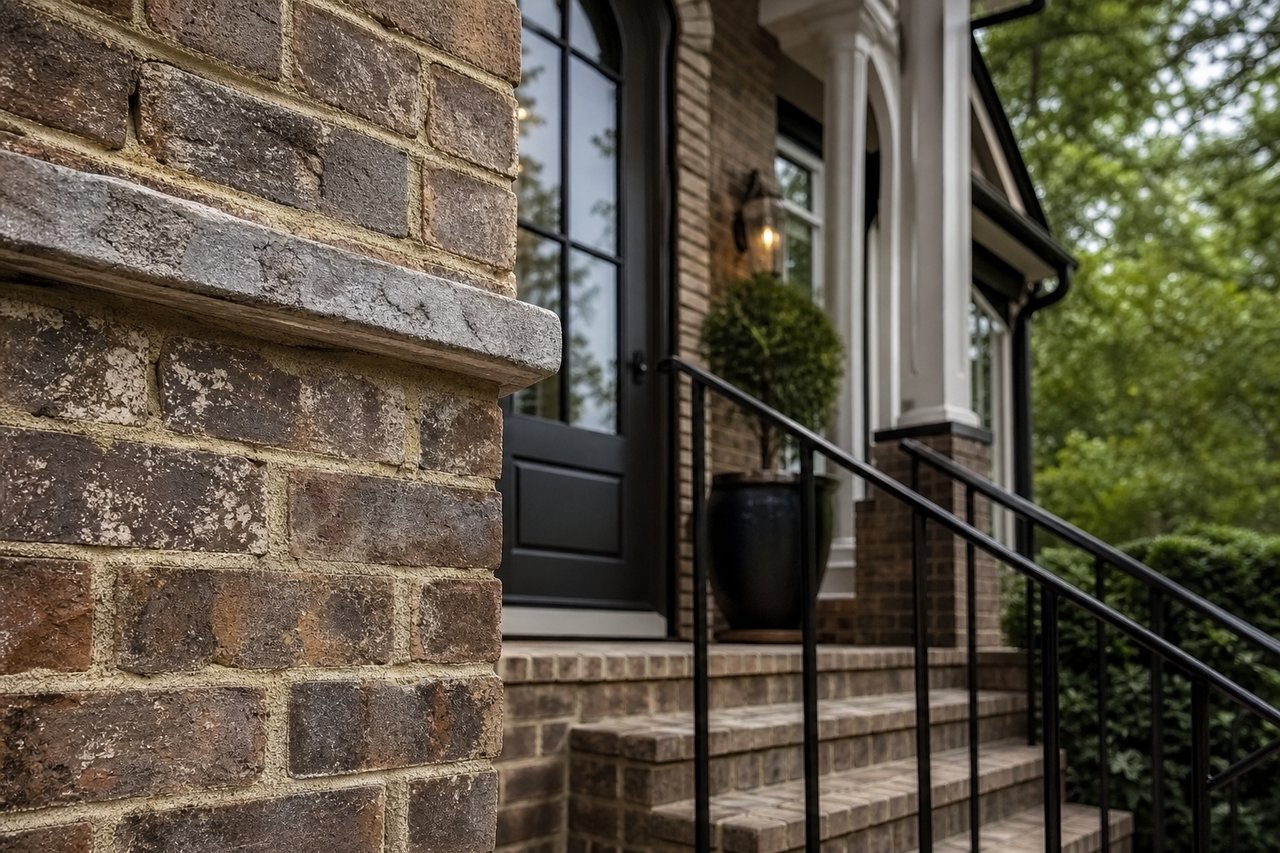
Sell My House in Atlanta: Best Time to List, Pricing Strategy, and What Actually Raises Value
SEO Title: Sell My House in Atlanta: Best Time to List, Pricing Strategy, and What Actually Raises Value
SEO Subtitle: Discover when to sell your Atlanta home, how to price it correctly, and which improvements truly increase value in Fulton, Gwinnett, Cobb, Forsyth, and DeKalb Counties.
Thinking About Selling Your House in Atlanta?
If you're planning to sell your home in Metro Atlanta, one question matters more than almost anything else:
How can you sell for the highest possible price while avoiding unnecessary delays?
The answer comes down to three key factors:
- Listing at the right time
- Pricing strategically
- Making improvements that buyers actually value
Whether you're selling in Fulton, Cobb, Gwinnett, Forsyth, or DeKalb County, understanding these factors can help you attract more buyers, generate stronger offers, and maximize your return.
When Is the Best Time to Sell a House in Atlanta?
Spring Is Traditionally the Strongest Selling Season
Historically, the busiest home-selling season in Metro Atlanta begins in March and continues through June.
During this period:
- Buyer activity typically increases
- Families want to move before the next school year
- Homes show better with spring landscaping
- Longer daylight hours create more showing opportunities
Many sellers receive the highest level of buyer interest during the spring market.
Summer Can Still Be Strong
July and August often remain active, especially in family-oriented communities such as:
- Suwanee
- Johns Creek
- Alpharetta
- Buford
- East Cobb
- Cumming
Buyers who missed out during spring continue searching, creating opportunities for sellers.
Fall Can Offer Less Competition
While buyer demand may slow slightly in the fall, inventory often decreases as well.
This means your home may face less competition from other listings.
Winter Is More Selective
The holiday season generally sees fewer buyers. However, winter buyers are often highly motivated due to job relocations, life changes, or urgent housing needs.
Well-priced homes can still sell successfully during this period.
Pricing Strategy: The Biggest Factor in a Successful Sale
Many homeowners believe the best strategy is to list high and negotiate down later.
In reality, overpricing often leads to:
- Fewer showings
- Longer days on market
- Price reductions
- Lower final sale prices
The first few weeks after listing are typically when buyer interest is strongest.
Start with Accurate Comparable Sales
The best pricing strategy begins with analyzing recently sold homes that are similar in:
- Size
- Age
- Condition
- Location
- School district
- Features
Sold properties reveal what buyers are actually willing to pay.
Understand Active Competition
Reviewing current listings helps determine how your property compares to competing homes.
Ask:
- What features do competing homes offer?
- Are they updated?
- How long have they been on the market?
- Are there recent price reductions?
These insights help position your home competitively.
Use Strategic Price Points
Online home searches often use specific price ranges.
For example:
- $399,900 instead of $405,000
- $499,900 instead of $505,000
- $599,900 instead of $610,000
This approach can increase visibility among buyers searching within certain budget thresholds.
What Actually Raises Home Value Before Selling?
Not all home improvements deliver the same return on investment.
Before spending thousands of dollars, focus on upgrades that buyers consistently value.
Fresh Paint
One of the most cost-effective improvements is a fresh coat of neutral paint.
Benefits include:
- Brighter interiors
- Cleaner appearance
- Better listing photos
- Wider buyer appeal
Kitchen Updates
You don't always need a full remodel.
Simple improvements can make a significant impact:
- Updated cabinet hardware
- Modern light fixtures
- New faucets
- Fresh backsplash
- Painted cabinets
Kitchens remain one of the most important areas for buyers.
Bathroom Improvements
Bathrooms often influence buyer perception.
Popular updates include:
- New mirrors
- Updated lighting
- Modern faucets
- Fresh caulking
- New vanity hardware
Small upgrades can create a more contemporary feel.
Curb Appeal
Buyers form opinions before they walk through the front door.
Improve curb appeal by:
- Mulching flower beds
- Trimming shrubs
- Pressure washing surfaces
- Painting the front door
- Maintaining the lawn
Strong curb appeal can increase showing activity and perceived value.
Energy-Efficient Features
Many Atlanta buyers appreciate:
- Energy-efficient windows
- Smart thermostats
- LED lighting
- Updated HVAC systems
- Improved insulation
These features can make your home more attractive in a competitive market.
Improvements That Often Don't Deliver a Strong Return
Some projects cost more than they add in value.
Examples include:
- Luxury custom upgrades
- High-end landscaping projects
- Swimming pool installations
- Major room additions right before selling
If you're planning to sell soon, focus on improvements with broad buyer appeal rather than highly personalized upgrades.
The Importance of Home Staging
Professional staging helps buyers emotionally connect with a property.
Benefits often include:
- Better online photos
- More showing requests
- Faster sales
- Stronger offers
Even simple staging techniques such as decluttering, rearranging furniture, and removing personal items can make a substantial difference.
County-Specific Selling Considerations
Fulton County
Buyers often prioritize:
- School districts
- Luxury finishes
- Commute times
- Access to employment centers
Communities such as Alpharetta, Johns Creek, Roswell, and Sandy Springs remain highly competitive.
Cobb County
Strong schools, family-friendly neighborhoods, and accessibility continue to drive demand in East Cobb, Marietta, Smyrna, and Kennesaw.
Gwinnett County
Suwanee, Buford, Duluth, Lawrenceville, and Peachtree Corners attract buyers seeking value, community amenities, and excellent schools.
Forsyth County
New construction, highly rated schools, and family-oriented neighborhoods contribute to strong buyer demand throughout Forsyth County.
DeKalb County
Buyers are often attracted to DeKalb's diversity, convenience, and mix of urban and suburban living, particularly in Decatur, Brookhaven, and Tucker.
Frequently Asked Questions
What month is best to sell a house in Atlanta?
March through June is traditionally the strongest period due to increased buyer demand and favorable weather conditions.
How long does it take to sell a home in Metro Atlanta?
The timeline varies by market conditions, location, pricing, and property condition. Properly priced homes often attract strong interest within the first few weeks.
Should I renovate before selling?
Focus on high-return improvements such as paint, curb appeal, kitchen updates, and minor repairs rather than major renovations.
Is staging worth the investment?
In many cases, yes. Staged homes often photograph better, attract more buyers, and may sell faster than unstaged properties.
Final Thoughts
Selling a house in Atlanta successfully requires more than simply putting a sign in the yard. The best results come from listing at the right time, pricing strategically, and making targeted improvements that buyers truly value.
Whether you're selling in Fulton, Cobb, Gwinnett, Forsyth, or DeKalb County, understanding local market conditions and buyer expectations can help you maximize your home's value and achieve a smoother transaction. Working with an experienced Metro Atlanta real estate professional can further improve your chances of selling quickly and for the best possible price.
--
Tina Jingru Sui 隋静儒
Associate Broker | Team Leader of TJS Team, Keller Williams
Serving Metro Atlanta — Johns Creek, Alpharetta, Duluth, Suwanee, Buford, and beyond
404-375-2120
WeChat: tinasuirealty
Follow me on Instagram / 小红书 / WeChat / Facebook