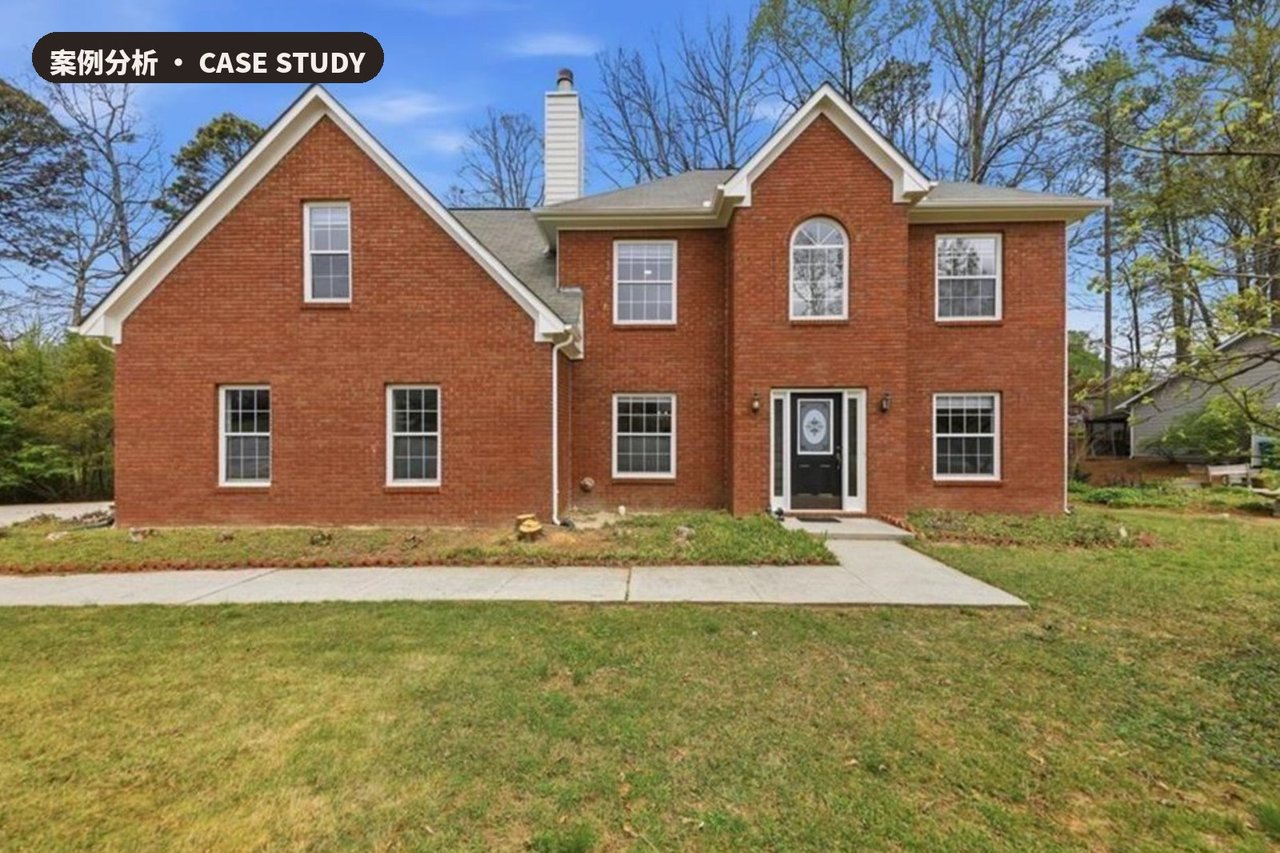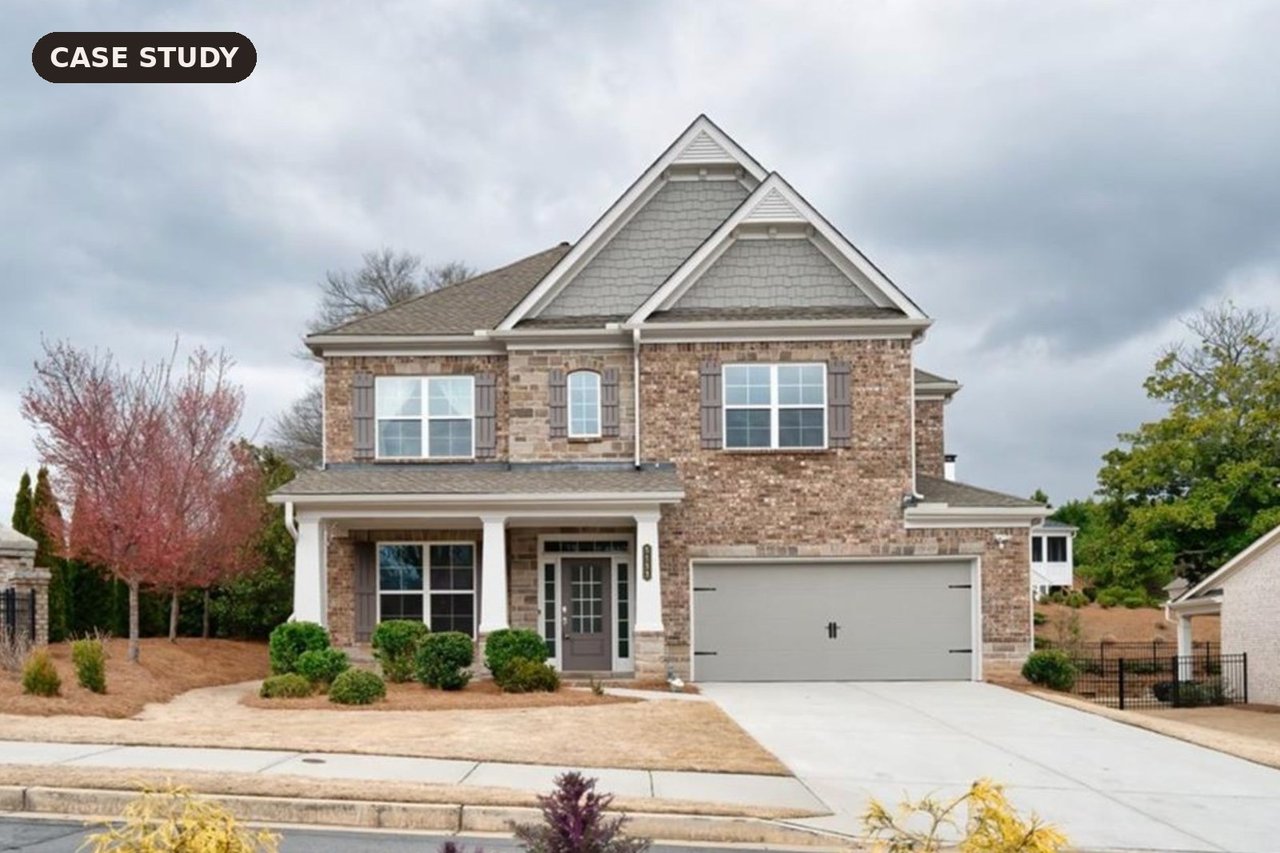
When a home does not sell for the price a Seller expected, renting it can sound like an easy Plan B: “I'll just keep it, collect rent, and sell later.” Sometimes that is an excellent strategy. But sometimes it simply converts an underperforming listing into an underperforming rental. Before becoming a landlord, evaluate the property the same way you would if you were deciding whether to buy it today as an investment.
Sell or Rent? A Landlord’s Guide to Making the Most of an Unsold Property
Don't rent the property simply because you don't like today's sale price. Make the property prove that it deserves to be held.
The Most Important Question Is Not “Can I Rent It?”
Almost any appropriately maintained property can potentially be offered for rent if legal, mortgage, insurance, HOA, and other requirements allow it.
That does not mean:
keeping it is financially attractive.
Suppose your home could rent for:
$3,000 per month.
That sounds like:
$36,000 per year.
But $36,000 is gross rent.
It is not:
profit.
Before deciding to hold the property, you still need to account for:
- Vacancy.
- Leasing costs.
- Property management.
- Repairs.
- Routine maintenance.
- Future capital expenses.
- Property taxes.
- Landlord insurance.
- HOA or condominium costs.
- Mortgage cash requirements.
- Possible turnover costs.
A Home That Did Not Sell
Does Not Automatically Become
a Good Rental.
It Has to
Earn the Right to Become an Investment.
Use the Accidental Landlord Test
Realistic Rental Income
−
Vacancy / Turnover
−
Management
−
Maintenance
−
Capital Reserve
−
Taxes + Insurance + HOA
−
Mortgage Cash Requirement
+
Strategic Value of Keeping the Property
−
Equity Opportunity Cost
−
Future Exit Friction
=
Hold-or-Sell Decision
The Question That Removes the Emotion:
“If I Had the Equity in Cash Today Instead of Trapped Inside This House, Would I Use That Cash to Buy This Exact Property as a Rental?”
1. Diagnose Why the Property Did Not Sell Before Changing Strategies
Do not automatically assume:
“The sales market is bad, so renting is better.”
First determine why the property remained unsold.
Was the issue:
- Unsupported pricing?
- Weak presentation?
- Poor marketing?
- Limited showing access?
- Property condition?
- A permanent location objection?
- Too much competing inventory?
- A highly specific Buyer pool?
This matters because some of the same problems can follow you into the rental market.
For example:
an awkward layout,
busy-road exposure,
very high HOA dues,
or significant deferred maintenance
may affect tenants too.
Changing from “For Sale” to “For Rent” does not erase the property's underlying economics.
2. The 2026 Metro Atlanta Rental Market Is Not a Reason to Skip Property-Specific Analysis
Metro Atlanta rental data in 2026 shows why broad averages should be treated carefully.
Realtor.com's September 2026 rental report placed median asking rent for 0–2 bedroom properties in the Atlanta–Sandy Springs–Roswell metro at approximately:
$1,584 per month, down about 0.3% year over year.
It also reported rental concessions on approximately:
53.3% of the measured listings.
That dataset is heavily influenced by smaller rental units and should not be used to price a single-family home.
Meanwhile, Zillow's October 2026 Atlanta-city rental data for houses showed an average asking rent around:
$2,400 per month
with roughly:
89 average days on market.
Different providers measure different geographies and property mixes.
That is exactly why your decision should use:
property-specific rental comps—not a Metro Atlanta rent headline.
Current 2026 market context: Realtor.com Economic Research September 2026 Rent Report; Zillow Rentals Atlanta house-market data updated October 2026.
3. Build a Rental CMA Before You Build a Rental Strategy
Do not ask:
“What do I need the rent to be?”
Ask:
“What will qualified tenants realistically pay for this exact property?”
Use rental comps that match:
- Location.
- Property type.
- Bedroom and bathroom count.
- Square footage.
- Condition.
- Garage / parking.
- Lot.
- Amenities.
- Lease timing.
- Current competition.
Then distinguish:
asking rent
from:
achievable rent.
Your Mortgage Payment
Does Not Determine
Market Rent.
Tenant Alternatives
Do.
4. Calculate Real Rental Cash Flow—not “Rent Minus Mortgage”
A common accidental-landlord calculation is:
$3,000 Rent
−
$2,500 Mortgage
=
$500 Profit
That is usually incomplete.
A more useful simplified cash-flow model is:
Gross Rent
− Vacancy / Credit-Loss Reserve
− Property Management
− Repairs / Maintenance
− Capital-Expense Reserve
− HOA
− Landlord Insurance
− Property Taxes
− Mortgage Payment
=
Estimated Pre-Tax Rental Cash Flow
Avoid double-counting property taxes or insurance if they are already included in an escrowed mortgage payment.
A Property Can Look Cash-Flow Positive Until You Add the Missing Expenses
Suppose:
Rent: $3,000
and:
Mortgage / escrow: $2,350
At first glance:
+$650 per month.
Now assume, purely for illustration:
- Management: $240.
- Maintenance / capital reserve: $250.
- Vacancy reserve: $150.
- HOA: $75.
Your estimated remaining cash flow becomes:
approximately -$65 per month.
That does not automatically make the rental a bad investment.
Principal paydown,
tax treatment,
future rent changes,
and future property value
may also matter.
But the property is clearly not producing the $650 monthly “profit” the first calculation suggested.
Gross rent is revenue. Cash flow is what remains after the property consumes its share.
5. Vacancy Is Not an Exception—it Is Part of the Model
Even a good rental can experience:
- Time between tenants.
- Cleaning.
- Repairs.
- Marketing.
- Application processing.
- Lease-up time.
If your entire rental strategy only works when:
the property is occupied 12 months every year without interruption,
your margin may be too thin.
A Rental Strategy
Should Survive
a Normal Vacancy Period.
Not Depend on
Perfect Occupancy Forever.
6. Run the One-Vacancy + One-Repair Test
Before deciding to rent, stress-test one year.
Imagine:
- The property sits vacant for one month.
- An HVAC repair occurs.
- You have a tenant turnover.
- A plumbing issue requires service.
Then ask:
“Does the rental still fit my finances without creating stress elsewhere?”
If one ordinary repair turns the property into a financial emergency:
you may not have enough rental margin.
7. The Biggest Cost May Be the Equity You Leave Trapped in the Property
Suppose you could sell today and walk away with approximately:
$180,000 after the mortgage payoff and estimated selling expenses.
If you keep the property,
that $180,000 remains tied to the house.
Now suppose the rental creates:
$3,600 annual pre-tax cash flow.
A simplified cash-flow-on-equity calculation would be:
$3,600
÷
$180,000
=
2.0% simplified annual cash-flow return on the equity
That calculation is incomplete as an investment-return analysis because it does not include:
- Principal paydown.
- Tax effects.
- Future rent changes.
- Future appreciation or depreciation.
- Future selling expenses.
But it forces an important question:
Do Not Ask Only:
“Does It Cash Flow?”
Also Ask:
“What Is All This Equity Earning for Me?”
8. Use the Cash-in-Hand Test
Imagine the home is already sold.
The proceeds are sitting in your bank account.
Now someone shows you this same property and says:
“You can buy this house for today's market value.”
“It should rent for approximately this amount.”
“These are the expenses.”
“This is the condition.”
“This is the tenant demand.”
“This is the HOA.”
“This is your expected cash flow.”
Would you buy it?
If the answer is “I would never buy this as a rental today,” ask why you are choosing to continue owning it as one.
9. Don't Let Your Old Purchase Price Make the Decision
Suppose you purchased the home years ago for:
$350,000.
Today it may be worth:
$600,000.
For the hold-versus-sell decision, the fact that you originally paid $350,000 is not the only relevant economic question.
Today you control an asset worth roughly $600,000.
You must decide whether:
continuing to hold that asset is the best use of your current equity and financial capacity.
The Decision Is Not
“Was This a Good Purchase?”
It Is
“Is This Still a Good Asset to Own From Today Forward?”
10. Converting a Primary Residence to a Rental Can Change the Tax Conversation
Before converting a former primary residence into a rental, talk with a qualified CPA or tax professional.
Federal tax rules can make timing important.
Current IRS guidance generally requires a taxpayer seeking the maximum main-home gain exclusion to satisfy ownership and use tests involving at least two years during the five-year period before sale, subject to exceptions and additional rules.
Rental use can also create depreciation consequences.
IRS guidance states that depreciation allowed or allowable during rental use can affect adjusted basis and generally cannot simply be included in the home-sale gain exclusion.
This does not automatically mean:
“Never rent your former residence.”
It means:
the decision should include tax planning before the conversion—not only when you sell years later.
Current IRS guidance: Publication 523 and residential-rental guidance.
“I'll rent it for a few years and sell later” is partly a tax-timing decision. Have the tax conversation before you become a landlord.
11. Check the Mortgage and Insurance Before Advertising the Property
Before leasing, confirm:
- Whether your loan terms create any occupancy requirements or restrictions relevant to your situation.
- Whether your current homeowners policy is appropriate once the home becomes tenant-occupied.
- What landlord insurance coverage is needed.
- Whether liability coverage should change.
- How vacancy affects coverage.
Do not assume:
“My insurance worked when I lived there, so nothing changes when a tenant moves in.”
12. Verify HOA or Condominium Rental Restrictions
If the property belongs to an HOA or condominium association, review the current documents before deciding to rent.
Potential issues may include:
- Rental caps.
- Waiting periods.
- Lease-term minimums.
- Tenant-registration requirements.
- Lease-copy requirements.
- Move-in procedures.
- Fees.
- Other use restrictions.
A strong rent estimate is meaningless if the property's governing documents materially restrict your rental plan.
13. You Are Not Just Keeping the House—you Are Becoming a Landlord
Once the property becomes a residential rental, the owner takes on landlord obligations.
Georgia's Safe at Home Act, effective for applicable residential leases entered into or renewed beginning July 1, 2024, added important landlord-tenant protections.
Among other provisions, current Georgia law includes:
- An implied habitability requirement for residential rentals.
- A security-deposit cap equal to no more than two months' rent.
- A written notice / cure period before certain dispossessory proceedings for unpaid amounts.
Landlord-tenant law is more detailed than those examples, and local requirements can also matter.
Georgia's Department of Community Affairs maintains a Landlord-Tenant Handbook as a general educational resource, but it expressly notes that the handbook is not a substitute for legal advice.
Georgia legislative and DCA sources.
Renting the House
Is Not Simply
Delaying the Sale.
It Is Entering
a New Business Relationship.
14. Tenant Screening Is Part of the Investment
A rental strategy depends partly on:
who occupies the property and whether rent is collected consistently.
A professional rental process may include legally compliant and consistently applied criteria involving:
- Income verification.
- Rental history.
- Credit criteria.
- Background information where lawful.
- Other objective qualification standards.
Screening policies should be applied consistently and in compliance with applicable Fair Housing and other laws.
15. Decide Whether You Want a Rental—or a Second Job
Self-management can reduce management fees.
But the owner may need to handle:
- Marketing.
- Applications.
- Tenant communication.
- Rent collection.
- Maintenance calls.
- Vendor coordination.
- Lease administration.
- Inspections.
- Turnover.
- Emergencies.
Ask yourself:
“If this property were 45 minutes away and the HVAC stopped working Friday evening, who would handle it?”
If the answer is:
“I don't want that responsibility,”
include professional management in your underwriting from Day 1.
Do not make the rental look profitable by assigning your own time a value of zero if you already know you do not want to manage it.
16. A Rental Property Still Has a Roof, HVAC, Water Heater, and Appliances
Rental income does not make capital expenses disappear.
If the property has:
- An aging roof.
- Older HVAC systems.
- An older water heater.
- Old appliances.
- Known plumbing or electrical concerns.
- Exterior maintenance needs.
build those items into the hold decision.
A property producing:
$250 per month
of apparent positive cash flow can lose several years of that cash flow with one large capital expense.
Thin Cash Flow
+
Large Aging Systems
=
Very Little Margin for Error.
17. Renting Can Make Your Future Sale Less Flexible
You may be able to sell a tenant-occupied property later.
But a tenant can affect:
- Showing access.
- Photography and presentation.
- Property condition.
- Closing timeline.
- The pool of Buyers willing to purchase.
- Whether an owner-occupant can take possession when desired.
Lease terms and applicable landlord-tenant law matter.
Therefore, if your plan is:
“I'll just rent it now and sell whenever I want,”
build the future exit plan before signing the lease.
18. Define the Exit Trigger Before Becoming a Landlord
Do not hold indefinitely because:
“maybe the market will be better later.”
Define what would cause you to sell.
For example:
- The lease ends.
- Market value reaches a specific decision threshold.
- Cash flow falls below a minimum level.
- A major capital project becomes necessary.
- You need the equity for another investment or personal goal.
- Your tax-planning window changes.
- Managing the property no longer fits your life.
A rental without an exit trigger can quietly turn a one-year Plan B into a ten-year holding decision.
19. Selling at Today's Market Price May Still Be the Stronger Financial Decision
Seller may feel:
“I don't want to sell for $20,000 less than I hoped.”
That feeling is understandable.
But suppose avoiding that $20,000 reduction requires:
- Holding another two years.
- Accepting negative cash flow.
- Replacing an HVAC.
- Managing a tenant.
- Keeping $150,000 of equity tied up.
Now the decision is no longer:
“Do I lose $20,000?”
It is:
“What do I have to spend, risk, and postpone in order to try to recover that $20,000 later?”
Refusing Today's Price
Does Not Make
Today's Value Disappear.
It Means You Are Choosing
to Keep Taking Ownership Risk.
20. Renting Can Also Be the Clearly Better Strategy
A rental conversion may be attractive when:
- Property-specific rent is strong relative to total expenses.
- You have adequate cash reserves.
- The property's major systems are manageable.
- You are comfortable with professional management or self-management.
- There are no problematic rental restrictions.
- You do not urgently need the equity.
- The property fits a long-term ownership strategy.
- Your tax professional is comfortable with the planned structure and timing.
In that situation, an unsold listing may reveal:
a legitimate alternative use for an asset you already own.
The important distinction is:
you chose the rental because the rental numbers worked—not because the sale disappointed you.
The Sell-vs.-Rent Decision Matrix
Decision Factor | Sell | Rent / Hold |
|---|---|---|
Equity | Converted to available cash after transaction costs / payoff | Remains tied to property |
Monthly Cash Flow | Ownership carrying cost ends after completion | Rent less all recurring / reserve costs |
Repair Exposure | Generally transferred after completed sale, subject to transaction obligations | Owner remains responsible |
Management | Ends with sale | Self-manage or pay management |
Vacancy Risk | None after sale | Ongoing |
Future Market Exposure | No future upside or downside from ownership | Retains future upside and downside |
Tax Complexity | Sale-related tax analysis | Rental income / expense, depreciation and future-sale considerations |
Future Sale Flexibility | Resolved now | Can be influenced by lease / tenant / future market conditions |
The 100-Point Accidental Landlord Scorecard
Category | Score | Question |
|---|---|---|
Rent Support | ___ / 15 | Do current property-specific comps support the rent? |
True Cash Flow | ___ / 20 | Does the property work after vacancy, management, repairs and reserves? |
Capital-Expense Position | ___ / 10 | Are roof / HVAC / major systems financially manageable? |
Equity Efficiency | ___ / 15 | Is the property making reasonable use of the equity tied up? |
Reserve Strength | ___ / 10 | Can I absorb vacancy plus a major repair? |
Management Fit | ___ / 10 | Do I actually want the landlord responsibility—or have I budgeted professional management? |
Legal / HOA / Insurance Fit | ___ / 10 | Does the property work under current lease, HOA, mortgage and insurance requirements? |
Exit Flexibility | ___ / 10 | Do I know when and how I plan to sell later? |
Total | ___ / 100 | This is a decision framework—not an investment-return guarantee. |
25 Questions Before Turning an Unsold Home Into a Rental
☐ 1. Why did the home fail to sell?
☐ 2. What could realistically change if I relisted it?
☐ 3. What would a realistic sale produce in net proceeds today?
☐ 4. How much equity would I receive if I sold?
☐ 5. What property-specific rental comps support my expected rent?
☐ 6. Am I using asking rents or actual market-supported rent?
☐ 7. What vacancy assumption am I using?
☐ 8. What would professional management cost?
☐ 9. What maintenance reserve am I using?
☐ 10. What major capital items may occur during my hold?
☐ 11. What does one month of vacancy do to annual cash flow?
☐ 12. What does one major HVAC / plumbing / appliance expense do?
☐ 13. Does the property still work when I combine both?
☐ 14. Are my HOA or condominium documents compatible with my rental plan?
☐ 15. Have I confirmed mortgage and insurance requirements?
☐ 16. Do I understand my Georgia landlord obligations?
☐ 17. What tenant-screening and leasing process will I use?
☐ 18. Will I self-manage or hire a property manager?
☐ 19. If I self-manage, do I actually want that job?
☐ 20. Have I spoken with a tax professional before converting a former residence to rental use?
☐ 21. How much equity will remain tied up in the home?
☐ 22. What return is that equity realistically producing?
☐ 23. What else could I do with the proceeds if I sold?
☐ 24. What specific event will cause me to sell later?
☐ 25. If I had the equity in cash today, would I intentionally buy this exact rental?
If You Ask Only One Question:
“If I Had the Equity in Cash Today, Would I Intentionally Buy This Exact Property as a Rental?”
Frequently Asked Questions
Should I rent my house if it won't sell?
Possibly, but an unsuccessful listing is not enough reason by itself. First determine why the property did not sell, calculate realistic rental cash flow, evaluate the equity tied up, confirm rental restrictions and landlord requirements, and decide whether the property makes sense as an investment from today forward.
How do I know what my house will rent for?
Compare current rental properties similar in location, property type, size, condition, bedrooms, bathrooms, garage, amenities and lease timing. Broad Atlanta averages are useful context but should not replace property-specific rental comps.
If rent covers my mortgage, is the property cash-flow positive?
Not necessarily. Also consider vacancy, property management, maintenance, repairs, capital expenses, HOA costs and any taxes or insurance not already included in the mortgage payment.
Should I manage the property myself?
That depends on your experience, availability, proximity to the property and willingness to handle tenant communication, maintenance, leasing and administration. If you would realistically hire management, include that cost when deciding whether the rental works.
Can I rent my home and sell it later?
Often yes, subject to the lease, applicable law and other property-specific restrictions. However, tenant occupancy can affect showing access, presentation, possession timing and the future Buyer pool, so plan the exit strategy before signing a lease.
Does converting my primary home to a rental affect taxes?
It can. Rental income, expenses, depreciation and the timing of a later sale can create tax consequences. Federal home-sale exclusion rules also involve ownership and use requirements. Speak with a qualified tax professional before converting the property.
How much security deposit can a Georgia landlord charge?
Under current Georgia law applicable to covered residential leases, a landlord may not demand or receive a security deposit exceeding the equivalent of two months' rent. Other security-deposit handling requirements also apply, so review current law and appropriate legal guidance before leasing.
Should I keep a property that has positive cash flow?
Positive cash flow is important but not the only consideration. Also evaluate how much equity is tied up, future repairs, management burden, taxes, alternative uses of the sale proceeds and your long-term exit plan.
What if I expect the house to appreciate?
Future appreciation is uncertain and should not be the only reason a weak rental works on paper. A stronger hold strategy is one that you can financially tolerate even if appreciation is modest or delayed.
What is the best test for deciding whether to rent instead of sell?
Ask: “If the property were already sold and I had my equity in cash today, would I intentionally use that money to buy this exact property at today's value and operate it as a rental?”
Don't Become a Landlord
Simply Because
You Don't Like Today's Sale Price.
Become a Landlord
Because
the Property Earns the Right to Be Held.
Final Thoughts: Make a New Investment Decision From Today's Numbers
Your listing history is already in the past.
The next decision should start from today.
Ask:
What can I realistically sell for today?
What would I actually net?
What can the property realistically rent for?
What will vacancy cost?
What will management cost?
What should I reserve for repairs and capital items?
How much equity remains tied up?
What is that equity producing?
What tax issues should I understand?
What landlord responsibilities am I accepting?
And exactly when do I plan to exit?
Then make the decision as though you were seeing this property for the first time.
Not as the homeowner who remembers what it used to be worth.
Not as the Seller disappointed by the offers.
But as the investor deciding:
“Would I intentionally own this asset from today forward?”
Sometimes the answer will be Sell.
Sometimes it will be Rent.
The stronger decision is the one supported by today's net proceeds, today's rental economics, your available reserves, the equity tied up, and a clear exit strategy—not simply the desire to avoid accepting a sale price you did not originally expect.
Trying to Decide Whether to Sell or Rent Your Metro Atlanta Property?
We can compare both sides of the decision using current sale comps, active competition, realistic rental comps, property condition, expected Seller net, rental expenses, management assumptions, HOA restrictions and future exit considerations. The goal is not to push every unsold property back onto the market—or turn every one into a rental. It is to determine which path makes the strongest use of the property and the equity you already have.
Tina Jingru Sui | TJS Team
Call or Text: (404) 375-2120
Email: [email protected]
Visit TinaSui.com
About Tina Jingru Sui
Tina Jingru Sui is the founder and leader of the TJS Team, serving home sellers, buyers, investors, relocation clients and rental-property owners throughout Metro Atlanta.
Tina and her team serve Atlanta, Johns Creek, Alpharetta, Suwanee, Duluth, Buford, Dacula, Sandy Springs, Roswell, Marietta, Smyrna, Peachtree Corners and surrounding Metro Atlanta communities.
2026 Market / Legal / Tax Sources
Market context: Realtor.com Economic Research, September 2026 Rent Report; Zillow Rentals Atlanta house-market data, October 2026. Georgia landlord-tenant context: Georgia Department of Community Affairs Landlord-Tenant Handbook and Georgia General Assembly materials regarding the Safe at Home Act. Federal tax context: Internal Revenue Service Publication 523, Selling Your Home; Publication 527, Residential Rental Property; and current IRS home-sale / rental-property guidance. Property-specific rental estimates, tax treatment and legal obligations should be independently verified for the actual property and owner.
Keller Williams Realty Atlanta Partners · (404) 375-2120
This article is provided for general real estate education and information only and does not constitute legal, tax, accounting, financial, investment, lending, property-management, insurance, appraisal or other professional advice. The Accidental Landlord Test, cash-flow formulas, cash-in-hand test, return-on-equity examples, scorecard and related frameworks are simplified educational tools only and do not guarantee investment performance or determine whether any particular owner should sell or hold a property. Rental income, vacancy, management fees, repair costs, capital expenses, taxes, insurance, HOA dues, leasing costs and other expenses vary by property and over time. Asking rent is not guaranteed collected rent. Market-wide rent statistics may include different property types and geographic definitions and should not replace property-specific rental comparables. Future rents, appreciation, resale value and investment returns cannot be guaranteed. Positive cash flow does not automatically establish that holding a property is the best use of capital. The simplified cash-flow-on-equity calculation in this article excludes important economic and tax factors and should not be treated as an investment-return calculation. Mortgage terms, occupancy requirements and lender rules vary; owners should review their actual loan documents and consult the appropriate lender or attorney when necessary. Homeowners insurance may not provide appropriate coverage after a property is converted to rental use; insurance needs should be reviewed with a qualified insurance professional. HOA and condominium rental caps, waiting periods, lease restrictions, fees and other requirements must be verified using current governing documents. Georgia landlord-tenant law imposes legal obligations on residential landlords, including applicable habitability, security-deposit and dispossessory requirements; laws can change and owners should obtain current legal guidance when needed. Fair Housing and other anti-discrimination laws apply to rental advertising, screening, leasing and management. Tax treatment can vary substantially by owner. Converting a former primary residence to rental use can affect depreciation, adjusted basis, taxable gain and the application of federal home-sale exclusion rules. IRS rules contain exceptions and additional requirements, and owners should consult a qualified CPA or tax professional before relying on any particular tax strategy. Depreciation allowed or allowable during rental use can affect future gain calculations even when the owner did not actually claim every allowable deduction. Tenant occupancy can affect future marketing, showings, possession and sale timing, subject to the lease and applicable law. Real estate professionals can assist with sale comparisons, rental comps, estimated Seller proceeds, market positioning, leasing and property-management coordination within the scope of applicable licensing and brokerage services but do not replace attorneys, CPAs, financial advisers, insurance professionals, lenders, appraisers, inspectors, contractors or other qualified specialists. Equal Housing Opportunity. Tina Jingru Sui, GA License #392936, REALTOR®, affiliated with Keller Williams Realty Atlanta Partners.